
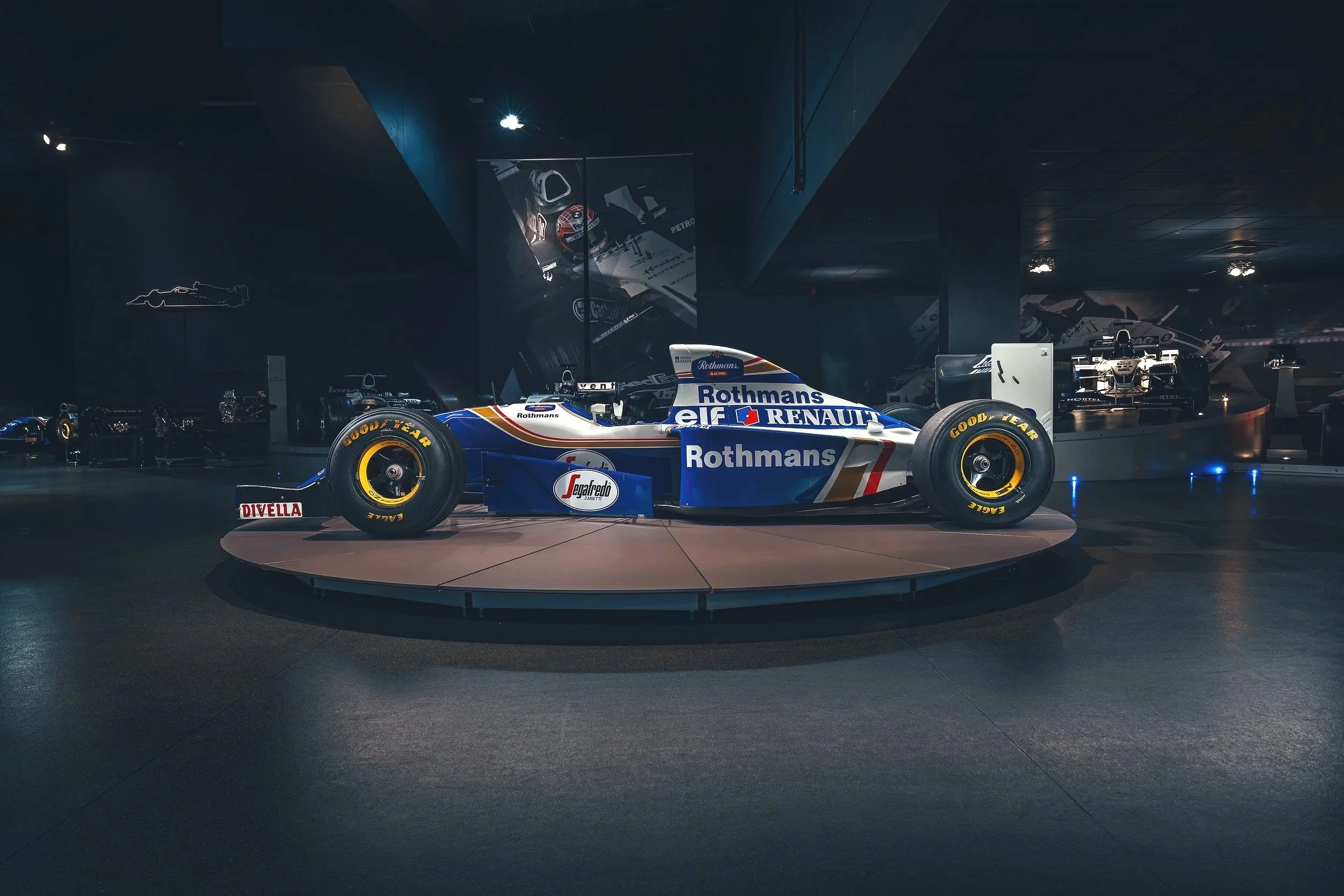
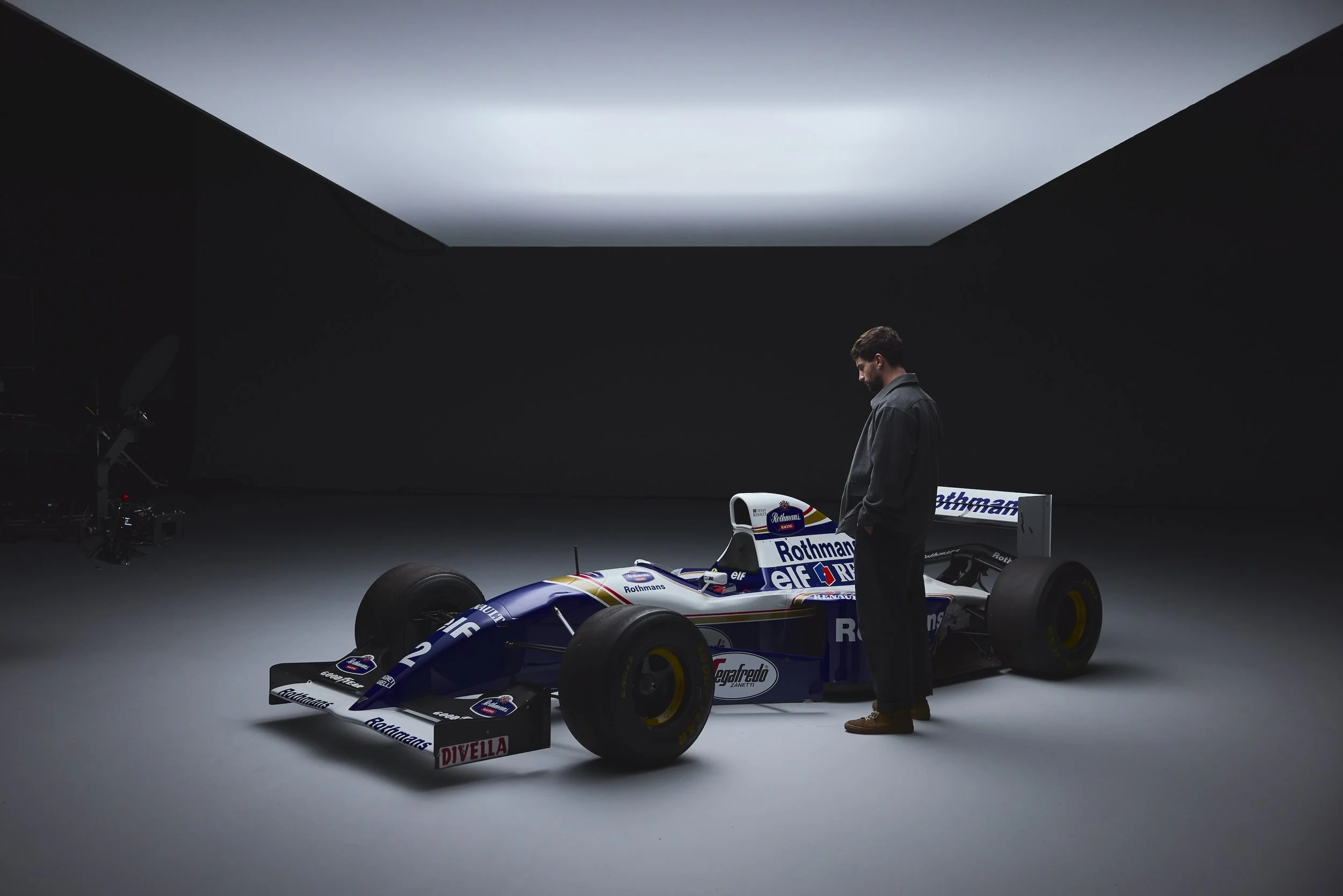
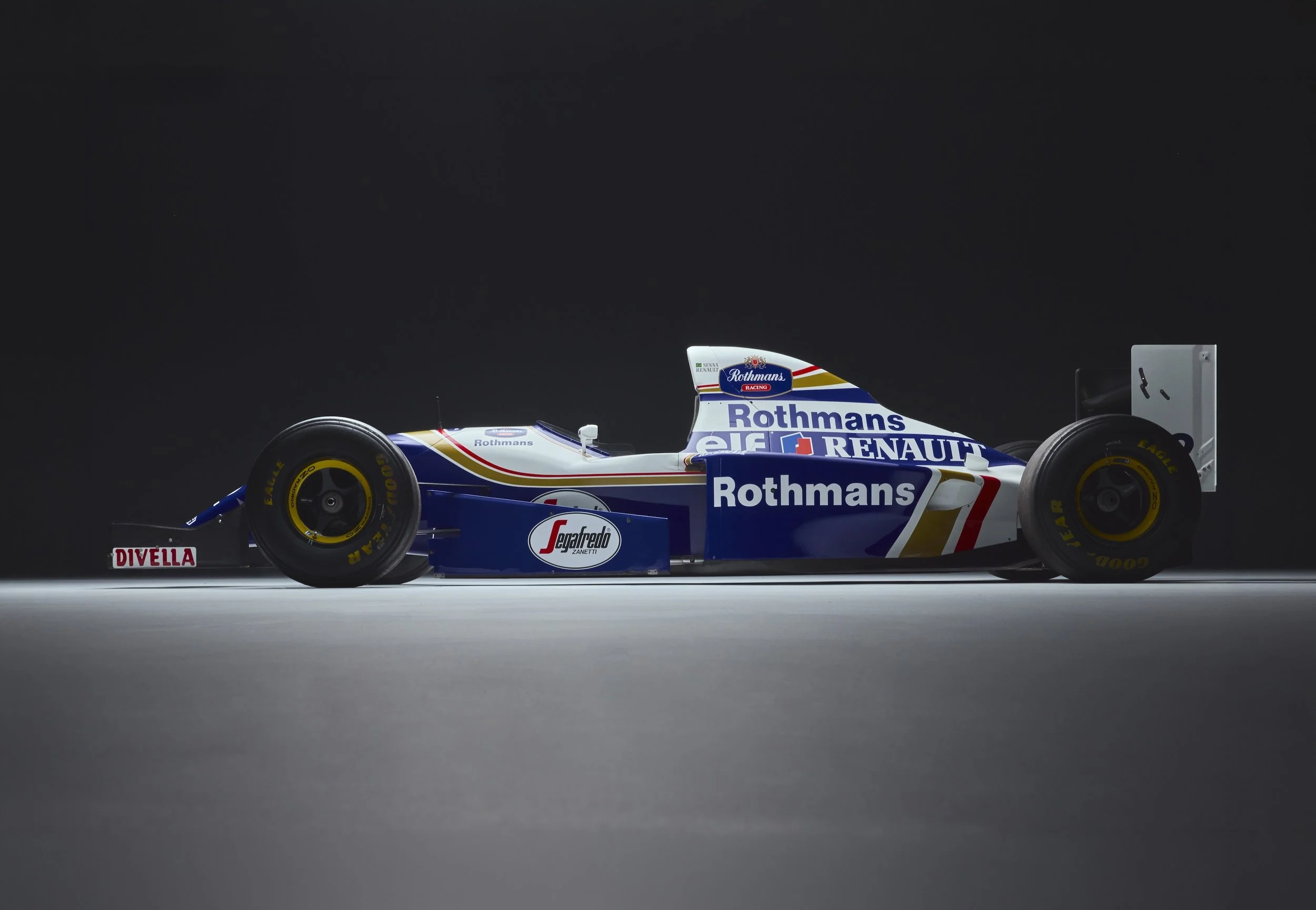
1994 Williams-Renault FW16
Ayrton Senna was one of the greatest drivers in the history of Formula 1. Exceptionally gifted, fiercely competitive, and possessing an extraordinary ability to extract performance from a racing car, the Brazilian stood apart from his contemporaries. His career was marked by remarkable performances, from his spectacular drive in the rain at Monaco in 1984 to his victories and memorable battles against some of the sport's greatest competitors.
Senna's greatest qualities often emerged when circumstances were at their most difficult. His final season in Formula 1, however, would prove to be one of the most challenging of his career.
After leaving McLaren at the end of 1993, Senna joined Williams-Renault, the reigning Constructors' World Champions. But his arrival coincided with a major change in technical regulations. The active suspension, traction control, and other electronic driver aids that had helped Williams dominate the previous season were banned for 1994, forcing the team to return to a more conventional approach to car design and development.
The result was the FW16, designed by Adrian Newey and Patrick Head. Despite Williams' technical expertise, the car initially proved difficult to handle, with a particularly narrow setup window that made extracting consistent performance a considerable challenge.
Senna nevertheless demonstrated his extraordinary talent from the opening race, securing three consecutive pole positions in Brazil, at the Pacific Grand Prix in Japan, and at San Marino. Tragically, he would not finish any of those races. His accident at Imola on May 1, 1994, brought his Formula 1 career to a devastating end.
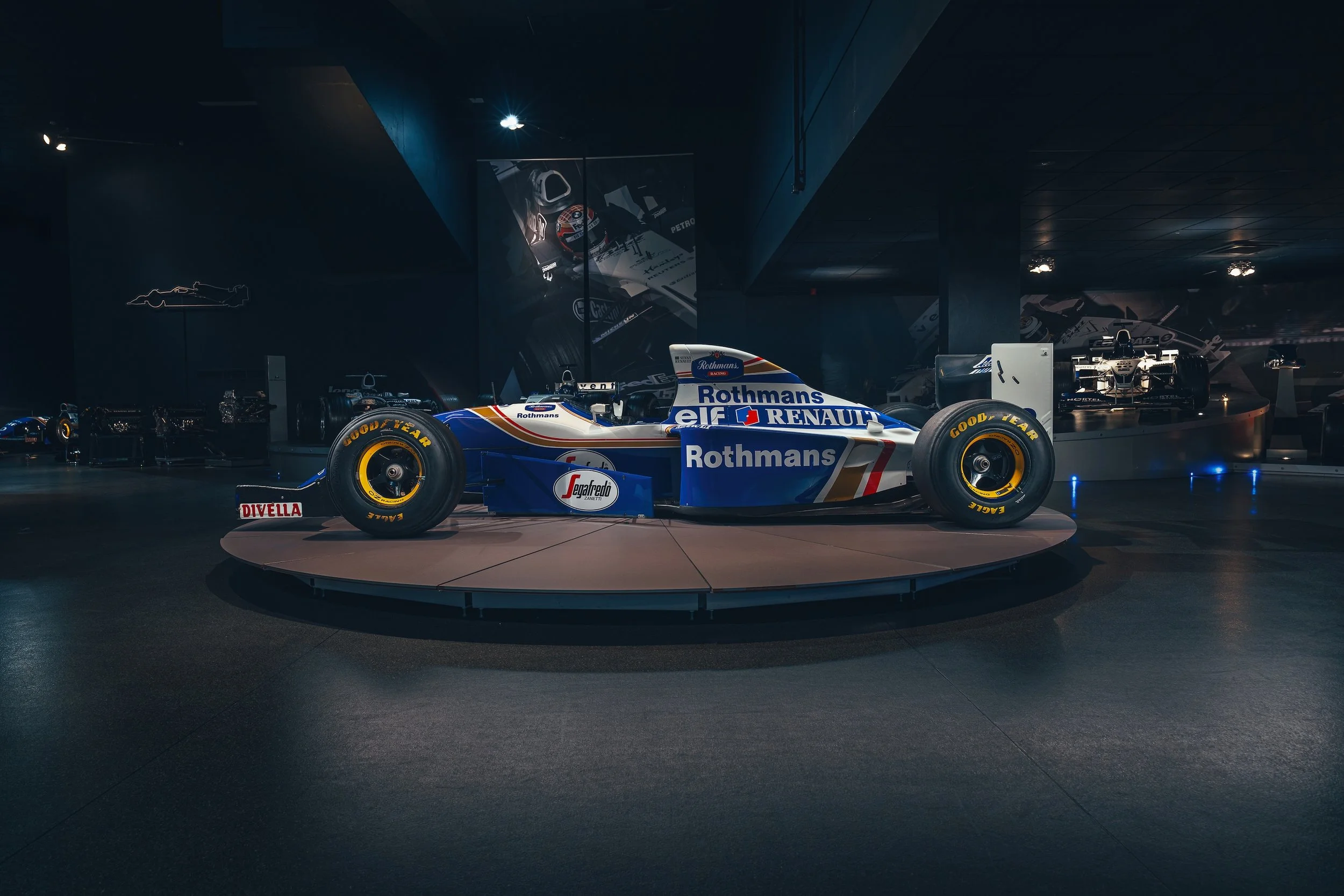
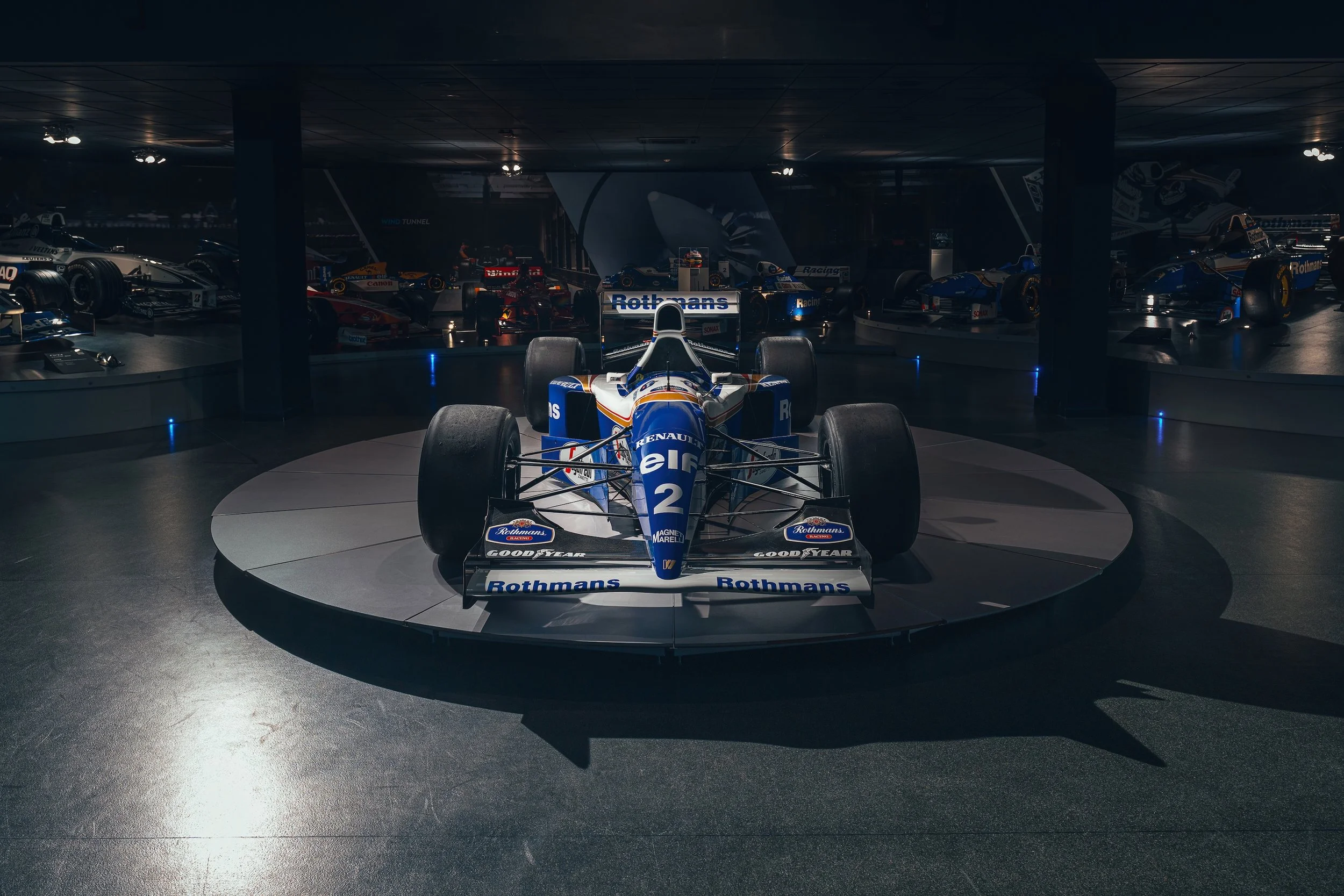
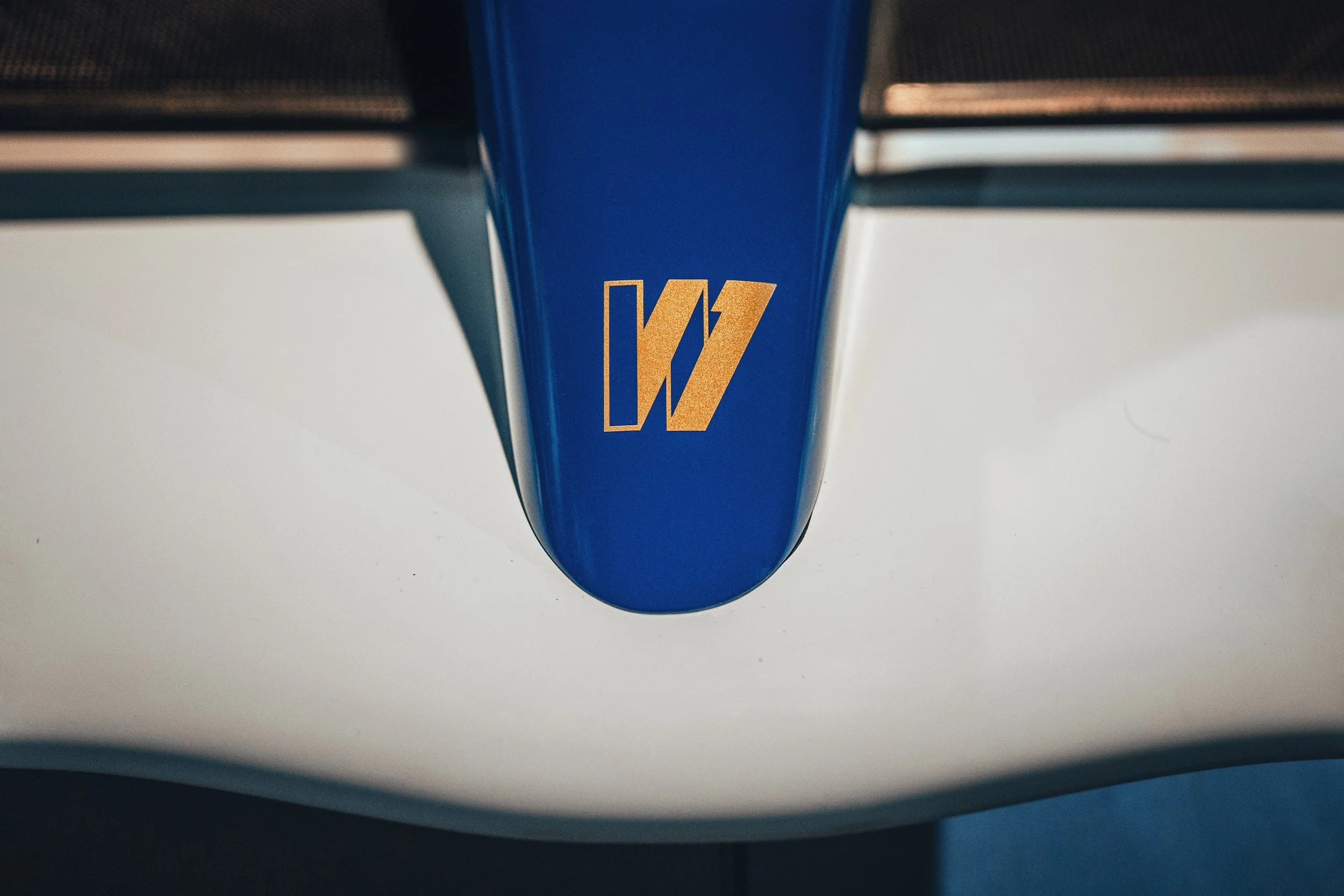
The Williams FW16
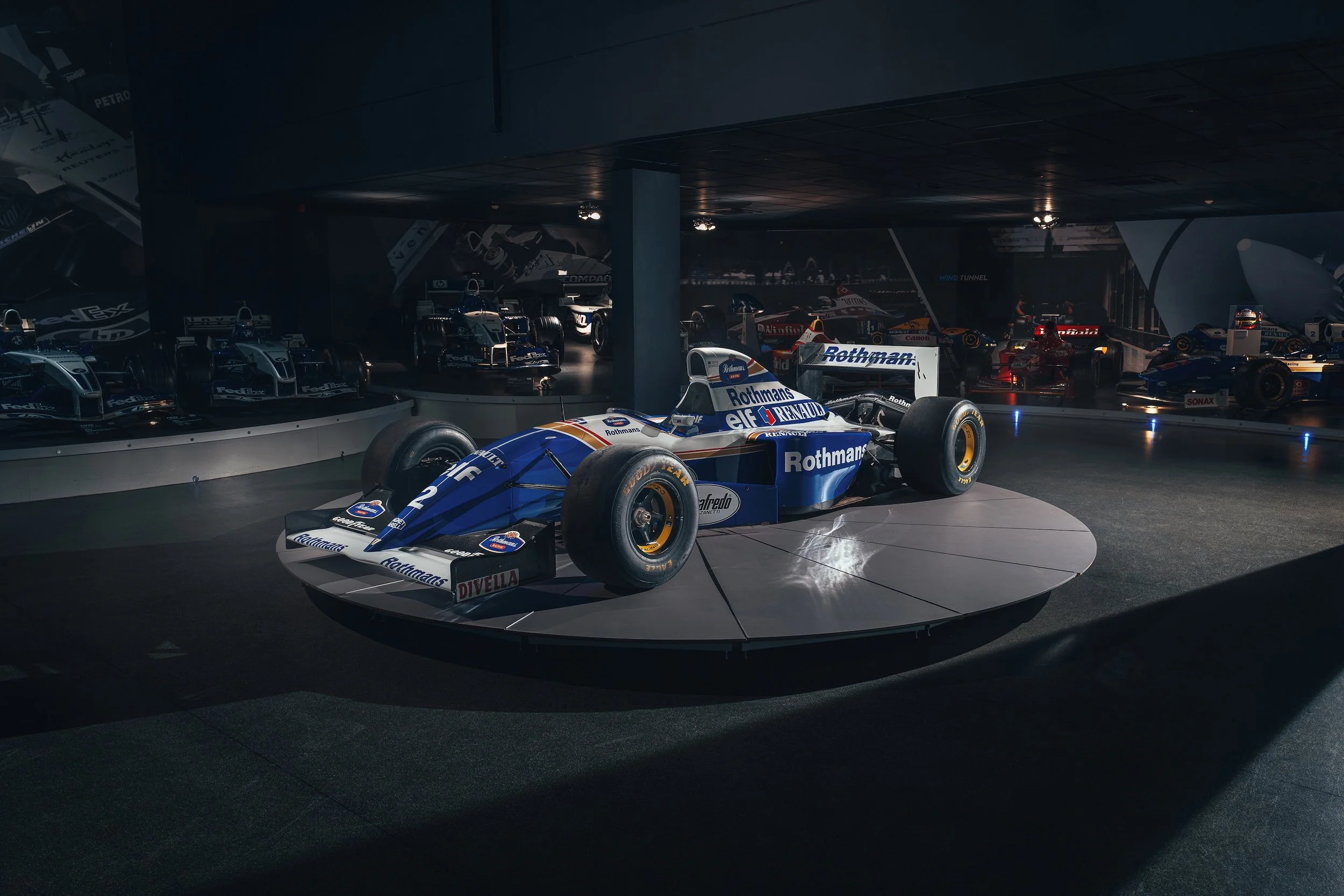
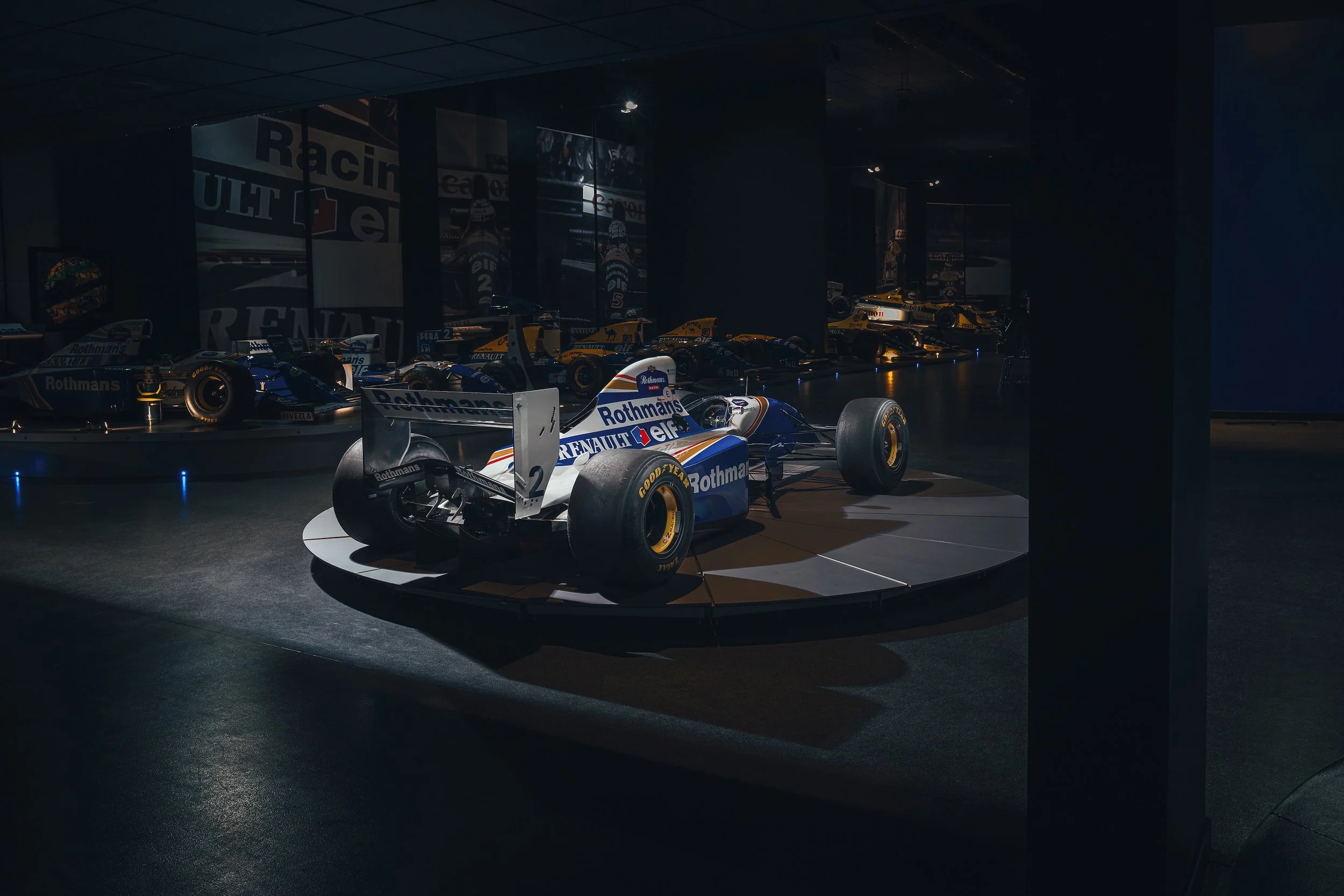
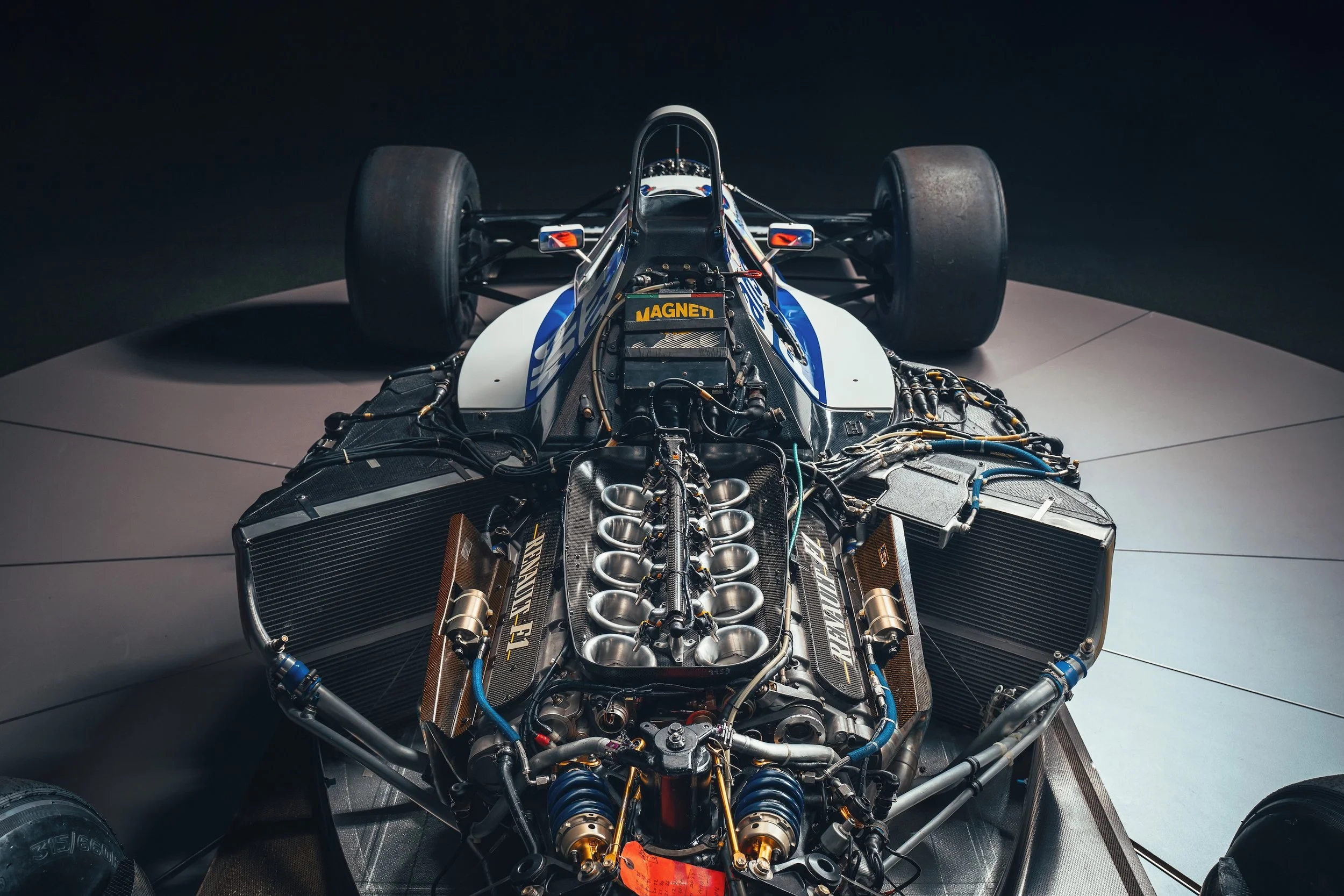
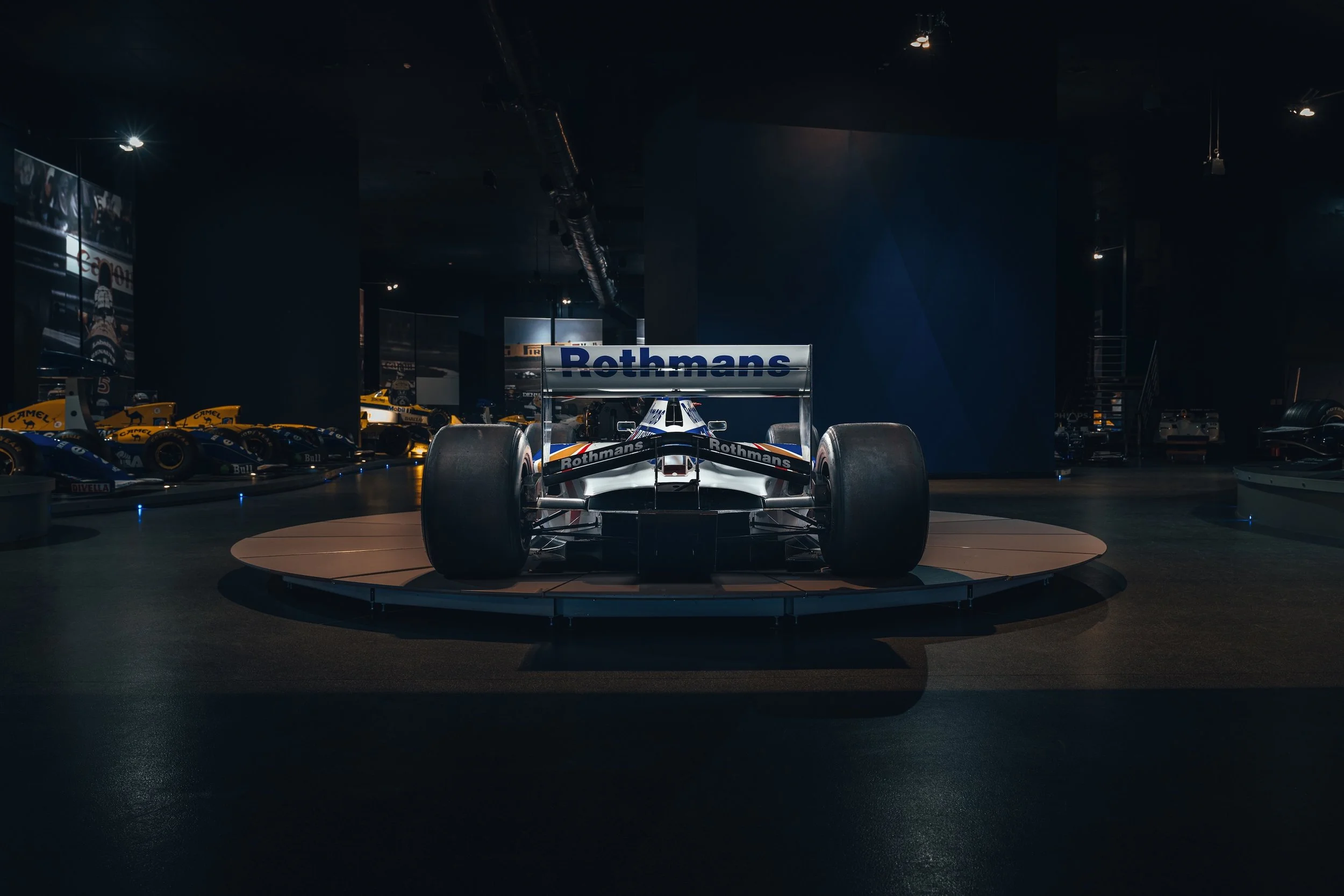
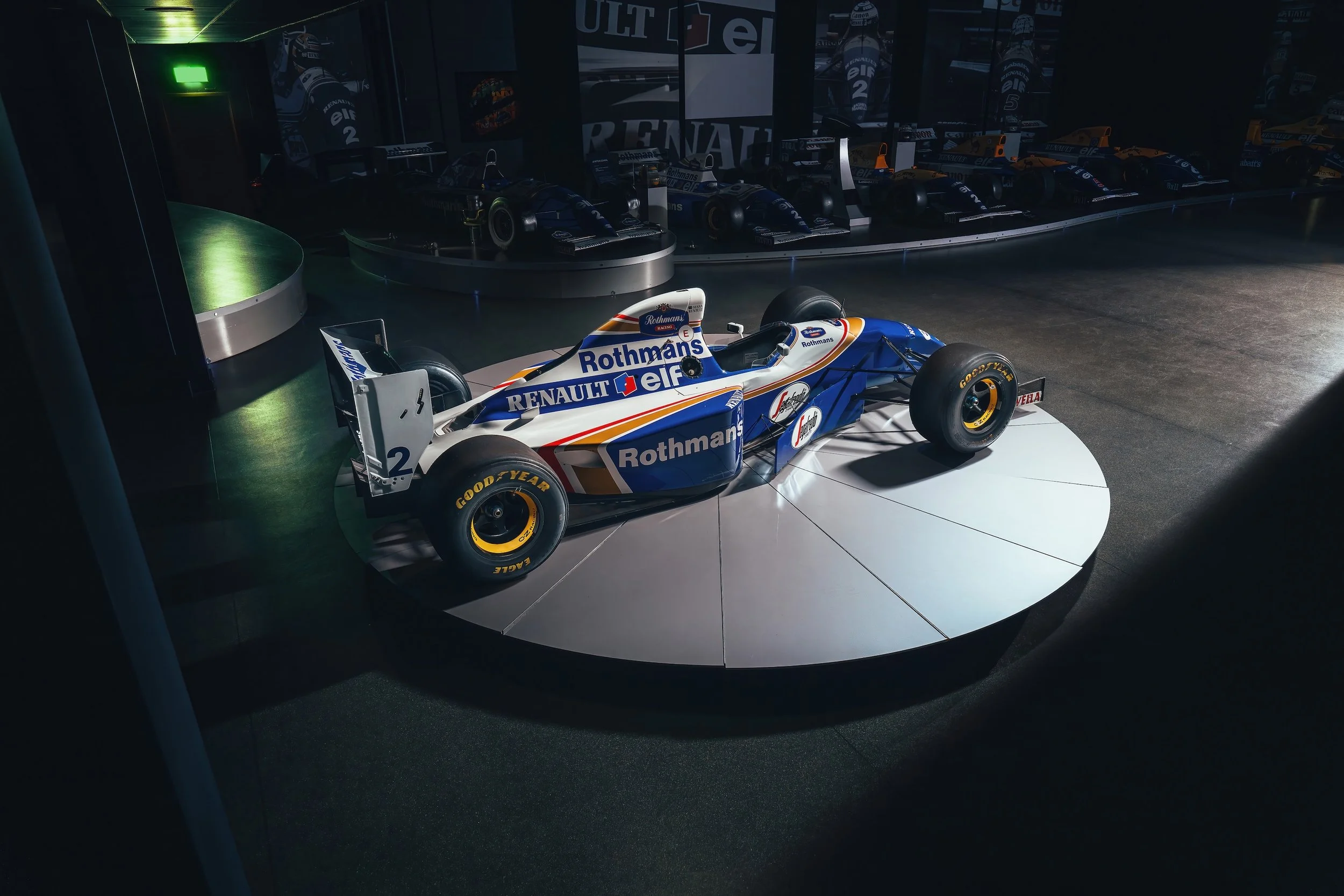
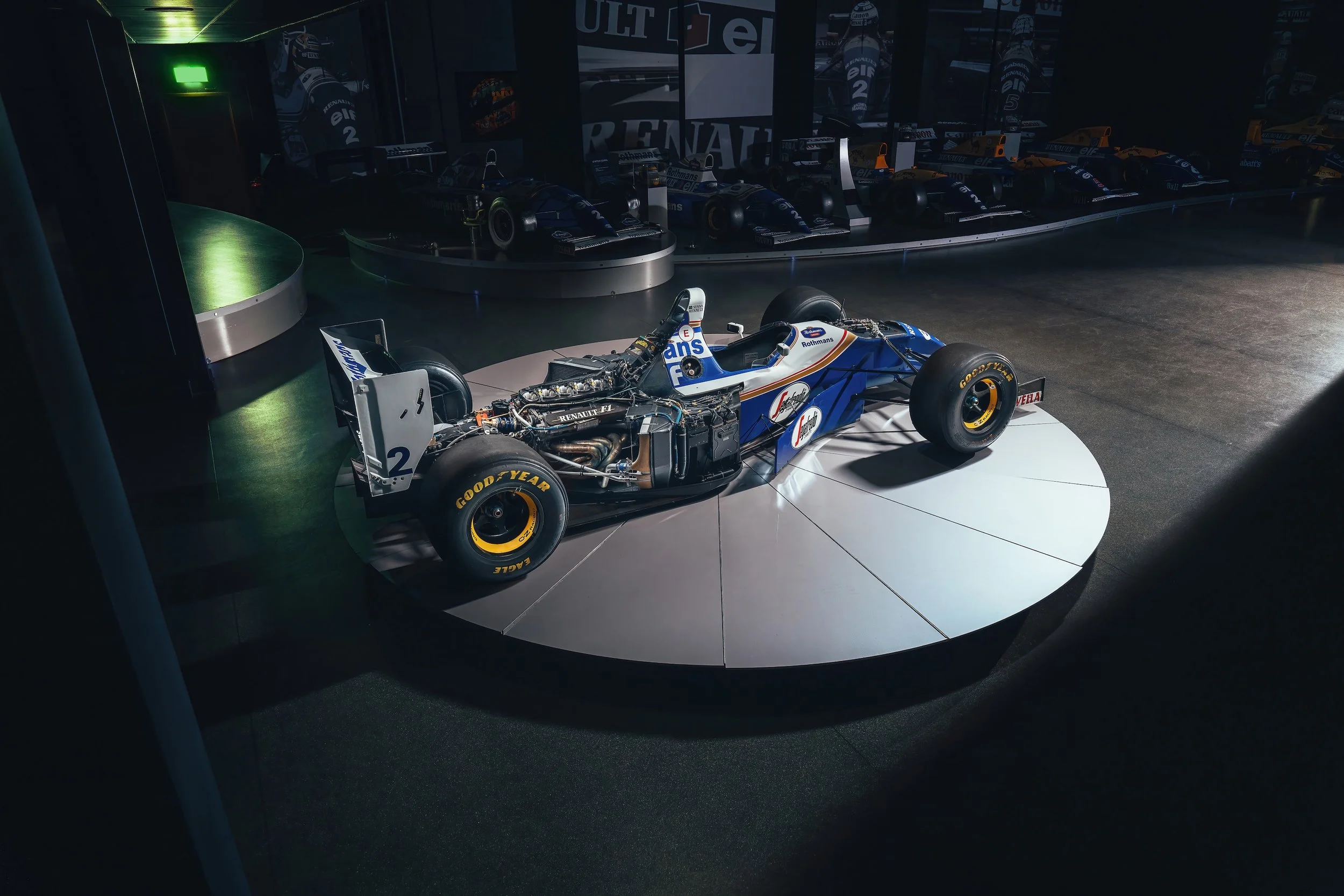
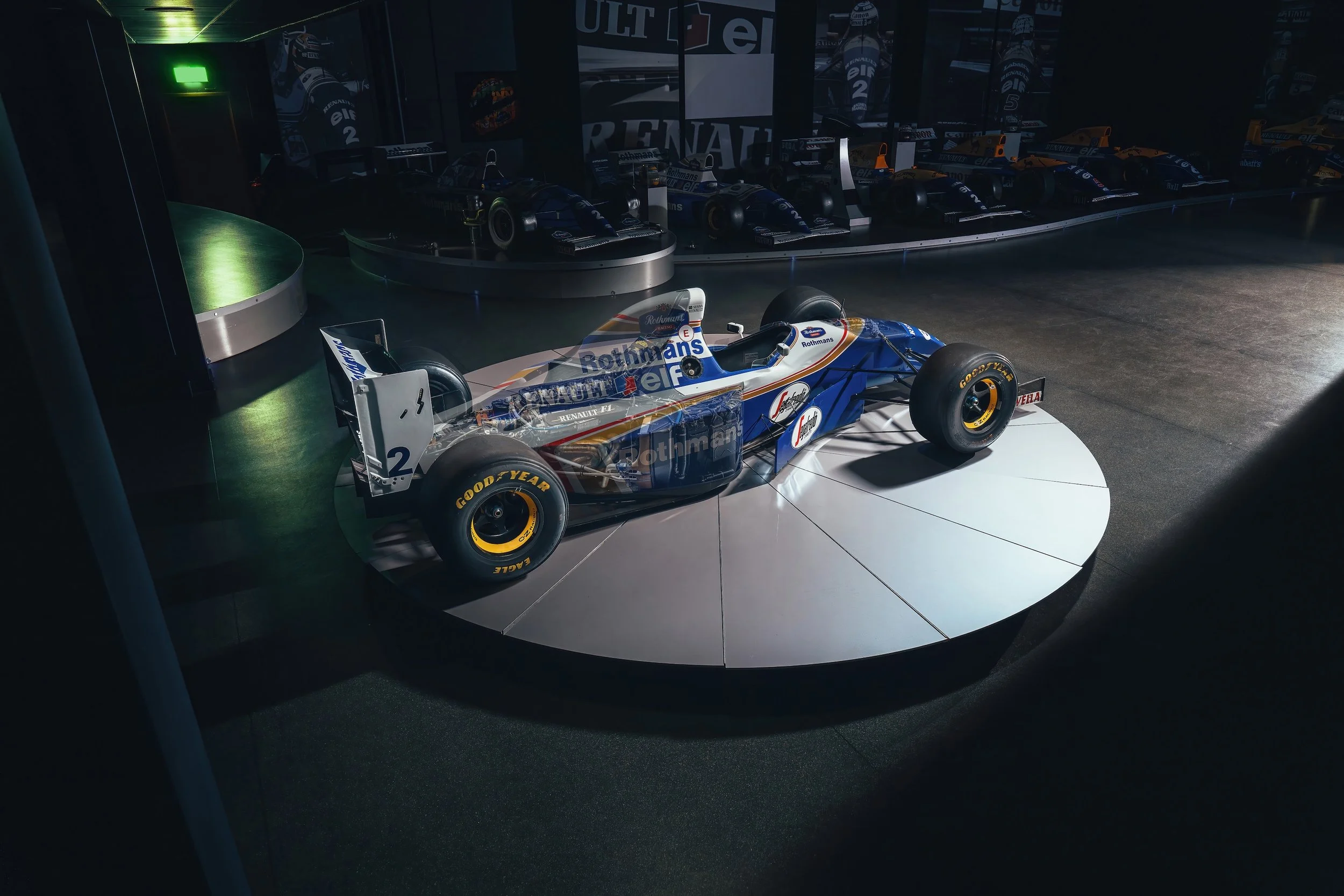
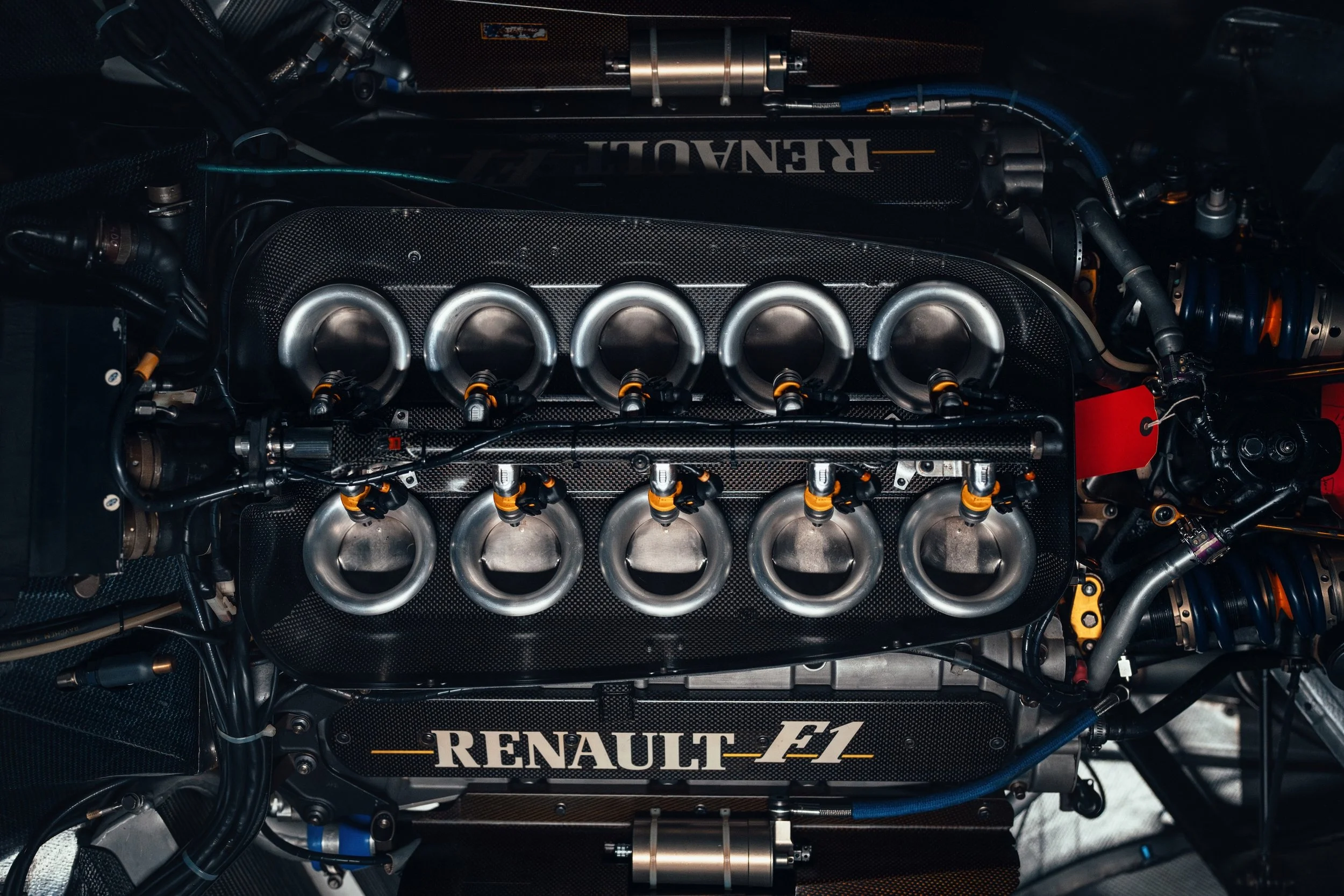
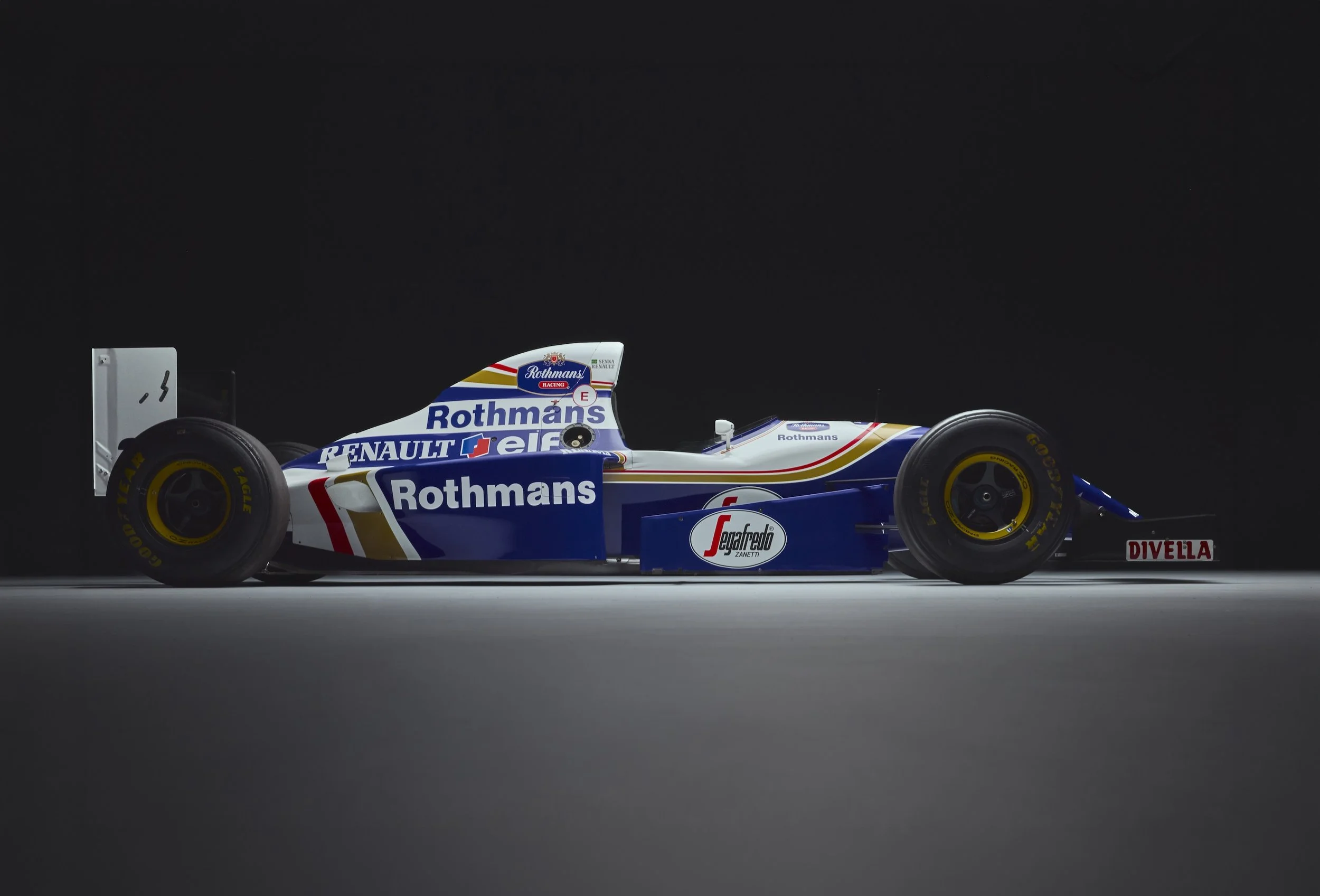
The FW16 was developed around the Renault RS6 3.5-liter V10 engine and featured a distinctive aerodynamic package, including tall sidepods, a low-profile engine cover, enclosed driveshafts, and an unusual anhedral rear wing.
Williams had initially struggled to adapt to the return of passive suspension. The team's previous reliance on active technology meant that it faced considerable development challenges, particularly in managing the car's ride height and aerodynamic performance.
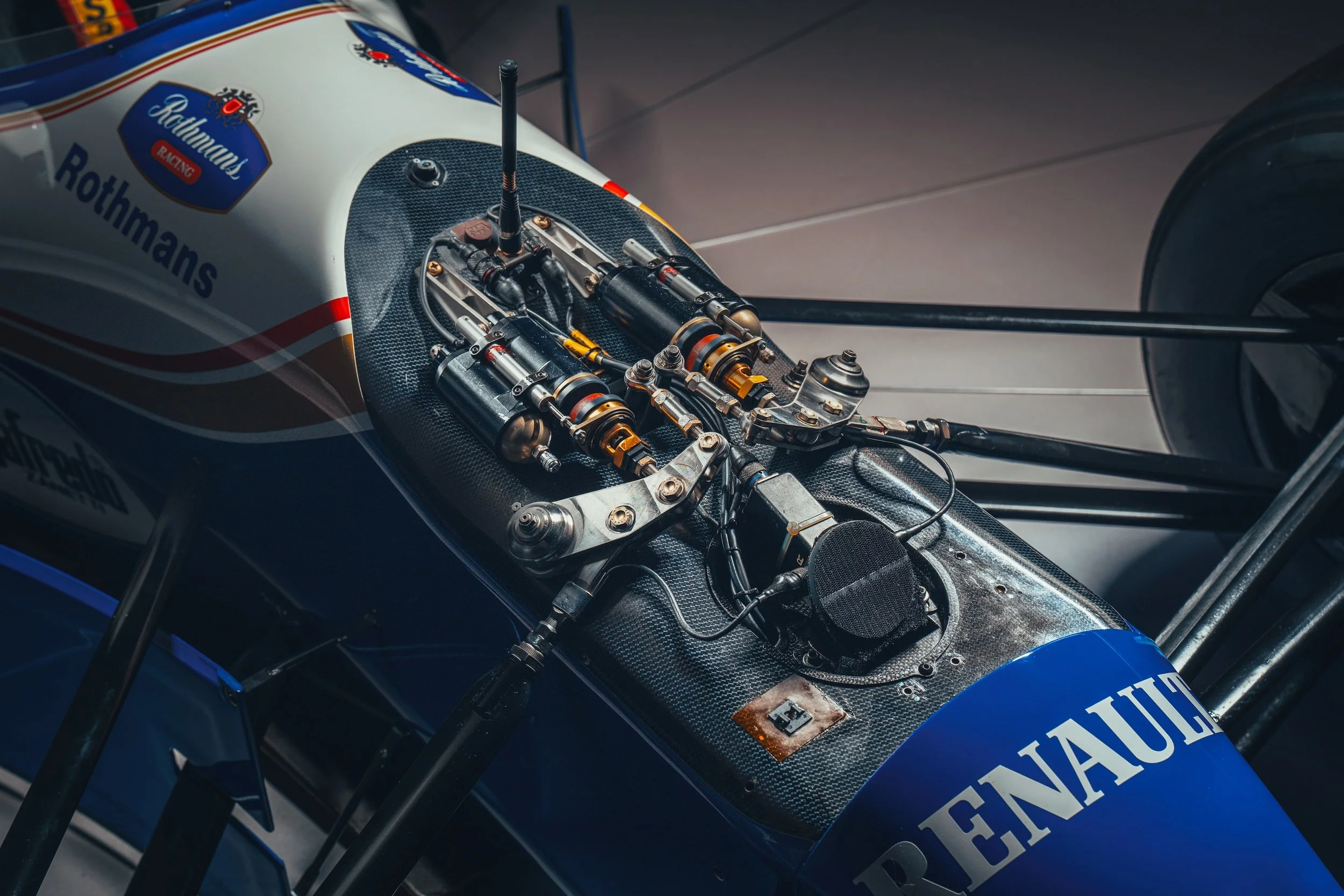
The FW16 underwent a series of modifications during the early part of the season. Among the changes were revisions to the front wing, with its position raised on the nose, taller endplates, and shorter sidepods. Further aerodynamic and mechanical developments gradually improved the car's handling and competitiveness.
By the German Grand Prix in July, additional changes, including modifications required by new FIA regulations following the tragic events at Imola, resulted in the updated FW16B specification.
The improvements helped transform Williams' season. Damon Hill won four races during the second half of the championship, while Nigel Mansell returned to the team to win the Australian Grand Prix finale. Hill finished second in the Drivers' Championship, just one point behind Michael Schumacher, while Williams secured the Constructors' World Championship.
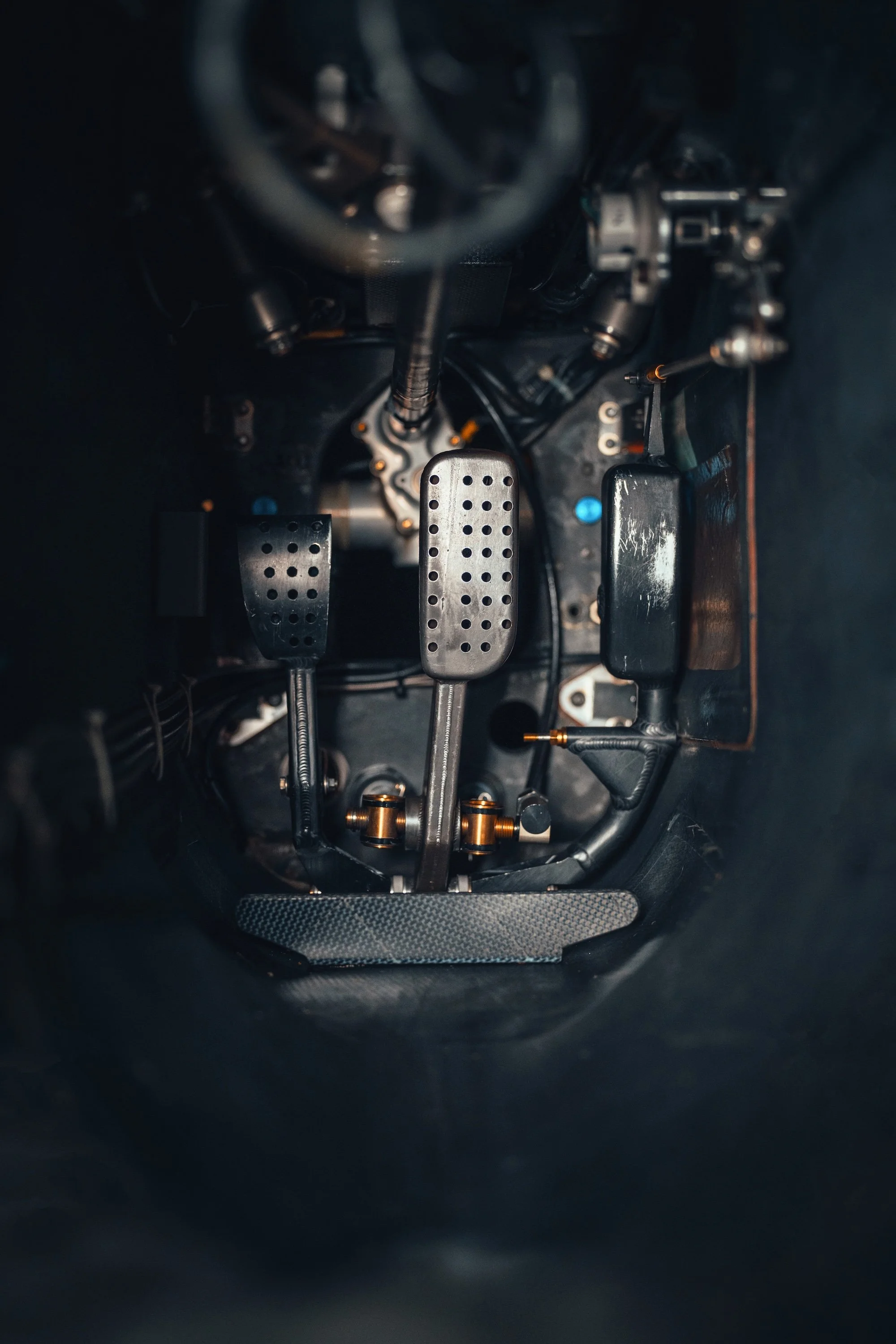
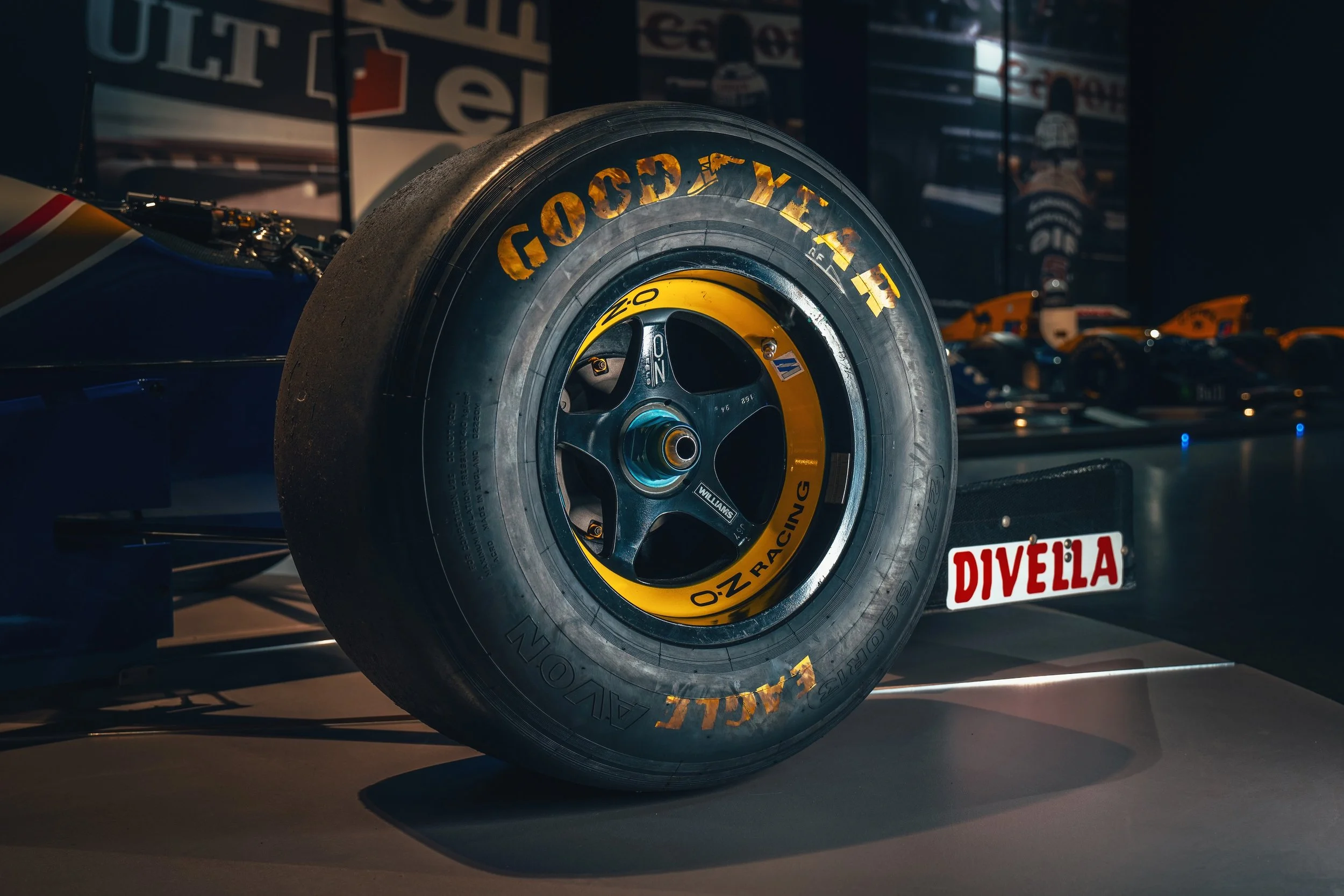
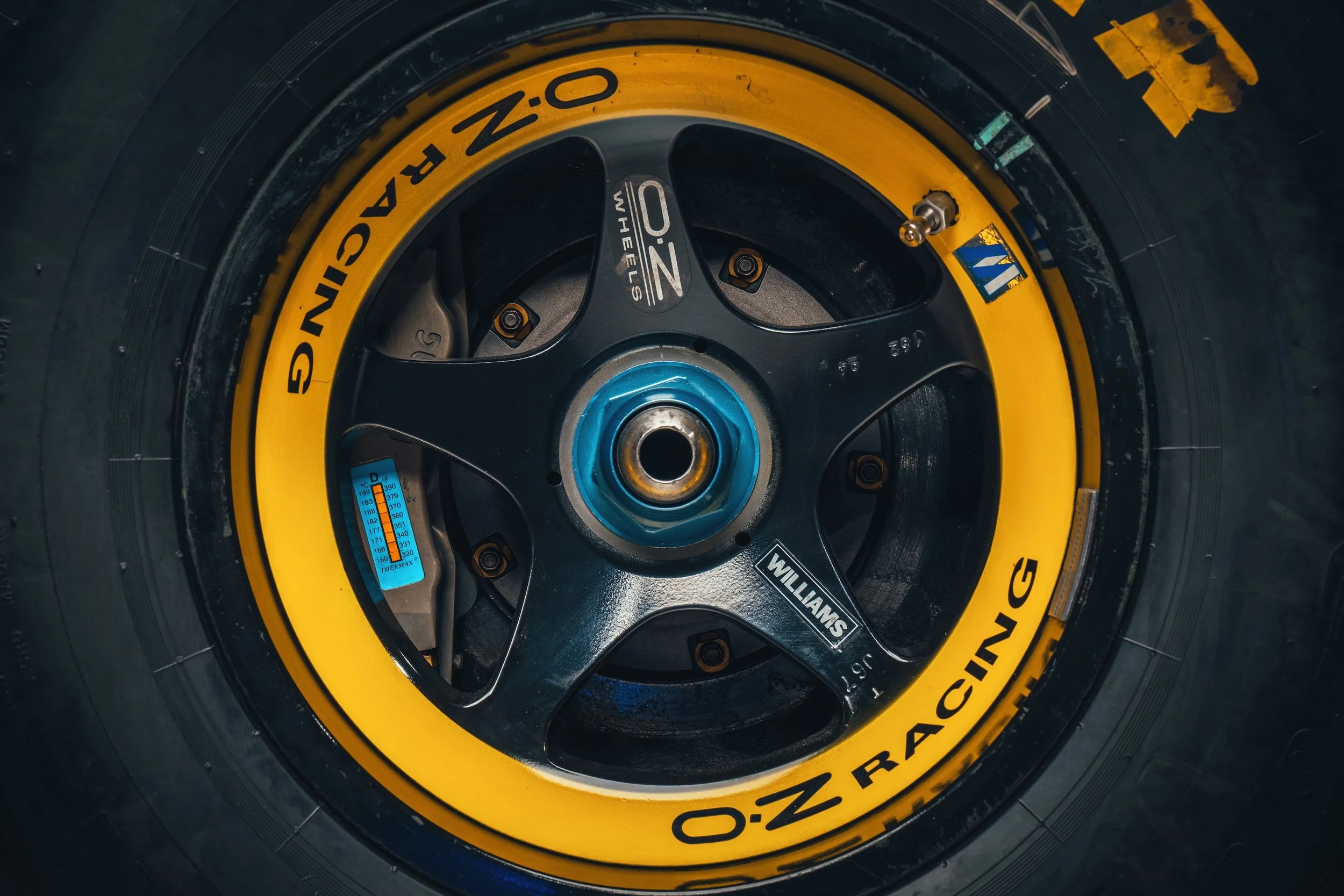
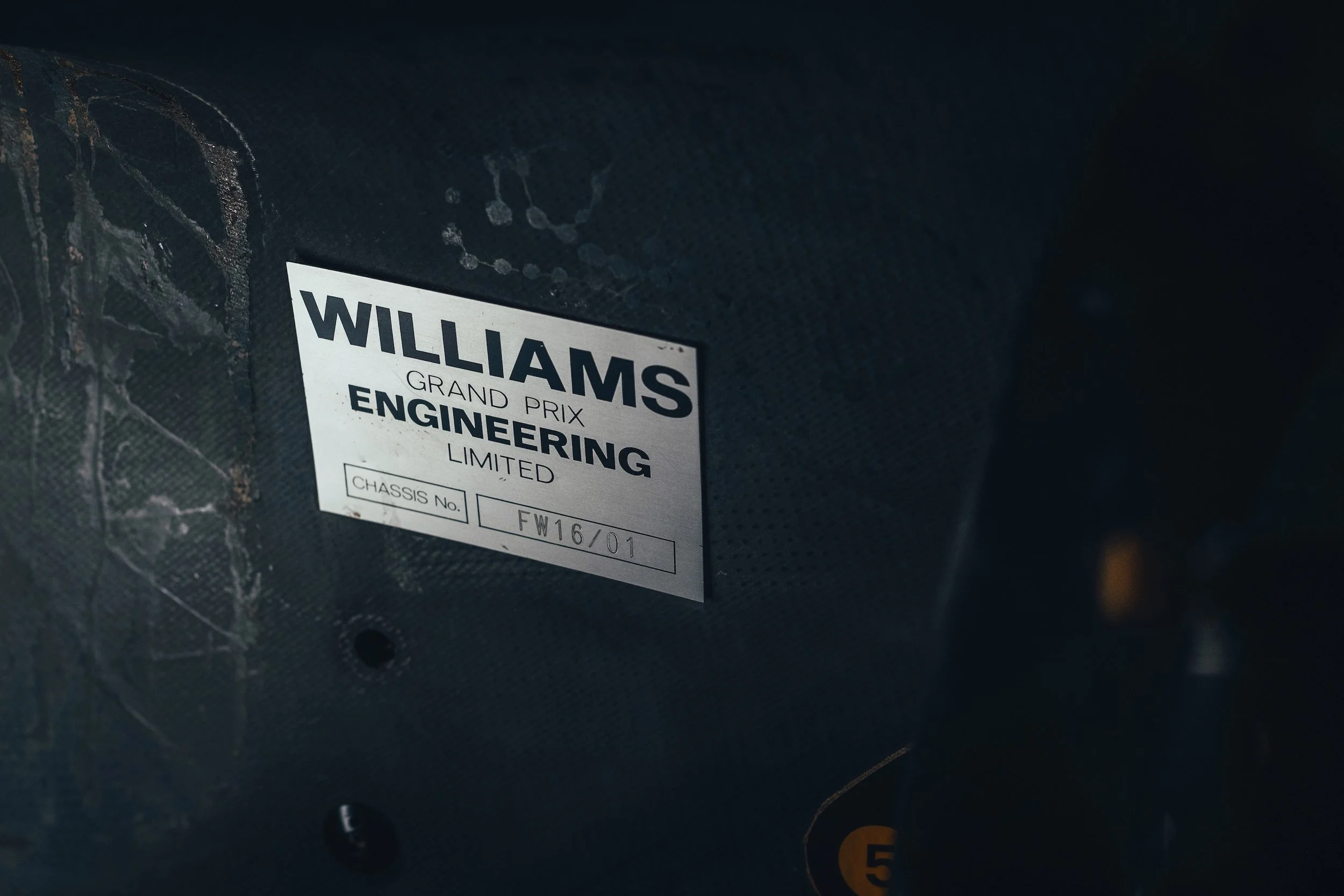
Chassis FW16B-01
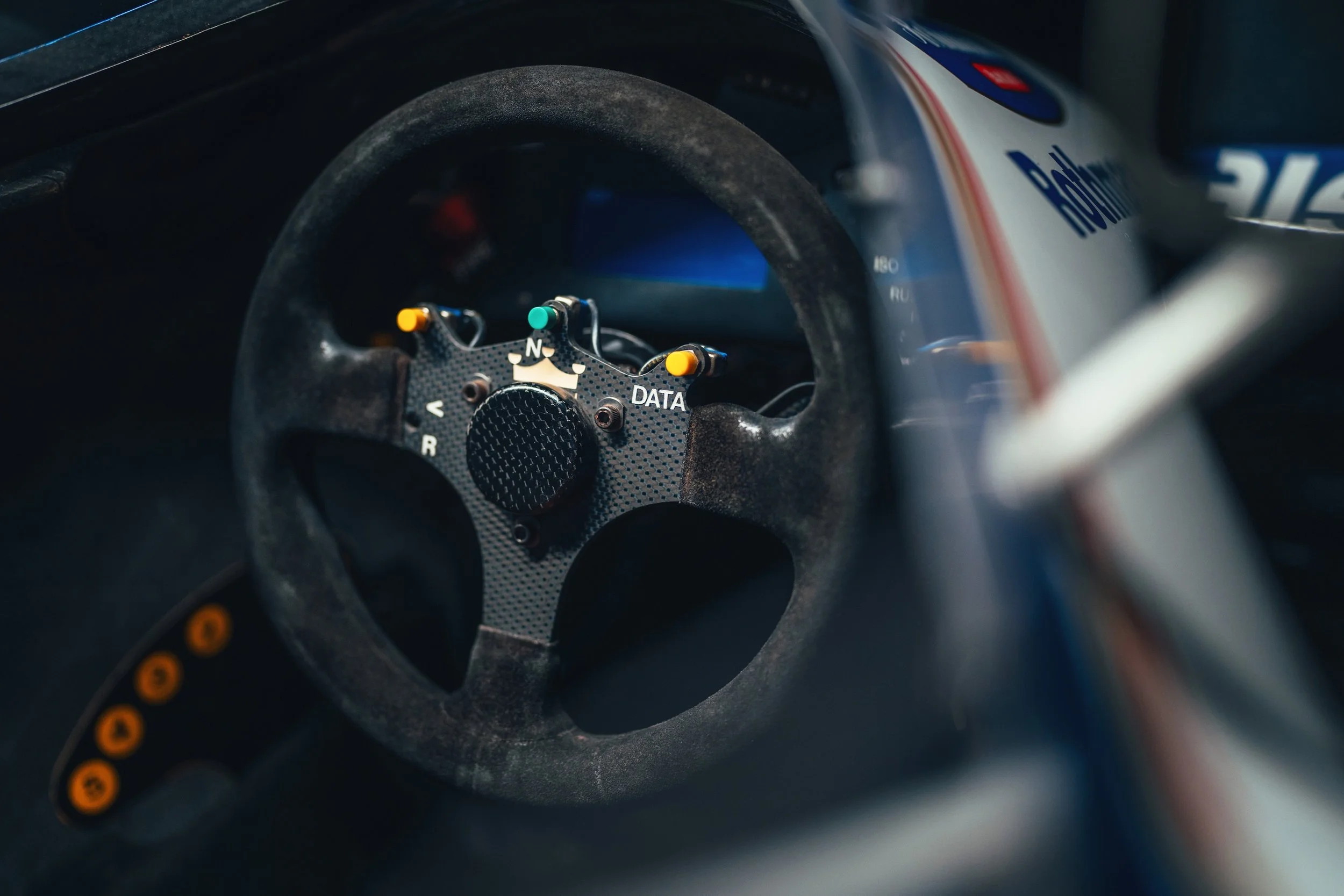
This particular chassis began life as FW16-01, the first Williams-Renault FW16 built for the 1994 season. According to Williams' records, it was initially driven by Damon Hill during testing at Silverstone in March before being transported to Brazil for the opening round of the championship.
Designated as the team's spare car for the Brazilian Grand Prix, chassis 01 nevertheless had an important connection to Senna. The Brazilian drove it during Sunday morning's warm-up session at Interlagos, recording a lap quicker than eventual race winner Michael Schumacher.
Period documentation also provides an interesting insight into the car's preparation, including instructions to transfer the front wing from chassis FW16-02 to FW16-01 before the race.
Following the Brazilian Grand Prix, the car was taken to the Circuito de Jerez in Spain for an extensive testing program. Senna and Hill completed approximately 842 kilometers between them over three sessions. Surviving test sheets document this work and offer a valuable record of the development taking place during the early stages of the season.
The chassis subsequently traveled to Monaco, where it served as an unused spare car, before making its competitive debut at the Spanish Grand Prix in Barcelona.
David Coulthard's Formula 1 Debut
For the Spanish Grand Prix, Williams entrusted chassis FW16-01 to its test driver David Coulthard, who was making his Formula 1 debut.
Coulthard qualified ninth and delivered a competitive performance in the race, moving up to fifth position before electrical problems forced his retirement on lap 32.
The race was won by teammate Damon Hill, who secured Williams' first victory of the season and dedicated it to the team and the many Senna supporters he had encountered in Brazil.
Coulthard continued with the chassis at the Canadian Grand Prix in Montreal. He qualified fifth and maintained his position to the finish, securing the first championship points of his Formula 1 career.
Nigel Mansell's Return
Chassis FW16-01 was also present for one of the season's notable moments when Nigel Mansell returned to Formula 1 at the French Grand Prix at Magny-Cours.
The 1992 World Champion had moved to the American CART IndyCar Series after leaving Formula 1, winning the championship in his first season in 1993. His return to Williams demonstrated that he had lost none of his speed.
Driving FW16-01, Mansell qualified behind Hill, with Williams securing the entire front row ahead of Michael Schumacher's Benetton. His race, however, ended prematurely on lap 45 following gearbox problems.
The car's final competitive appearance came at the British Grand Prix at Silverstone in July. Coulthard qualified seventh and finished fifth, recording another points finish in only his third Formula 1 start.
Following the British Grand Prix, chassis FW16-01 was upgraded to FW16B specification, incorporating the developments that had significantly improved the car's handling and performance.
Part of Williams' Championship Success
In its updated FW16B configuration, chassis 01 returned to the circuit for three further Grand Prix events. It was also used for testing towards the end of the season by French drivers Emmanuel Collard and Jean-Christophe Boullion.
The FW16B proved considerably more competitive than the original version. Williams won five of the final eight races of the championship, with Hill taking victories in Belgium, Italy, Portugal, and Japan, before Mansell completed the season with a win in Australia.
Although Hill narrowly missed out on the Drivers' Championship, Williams overcame a difficult and deeply emotional season to secure the 1994 Constructors' World Championship.
A Lasting Connection to Ayrton Senna
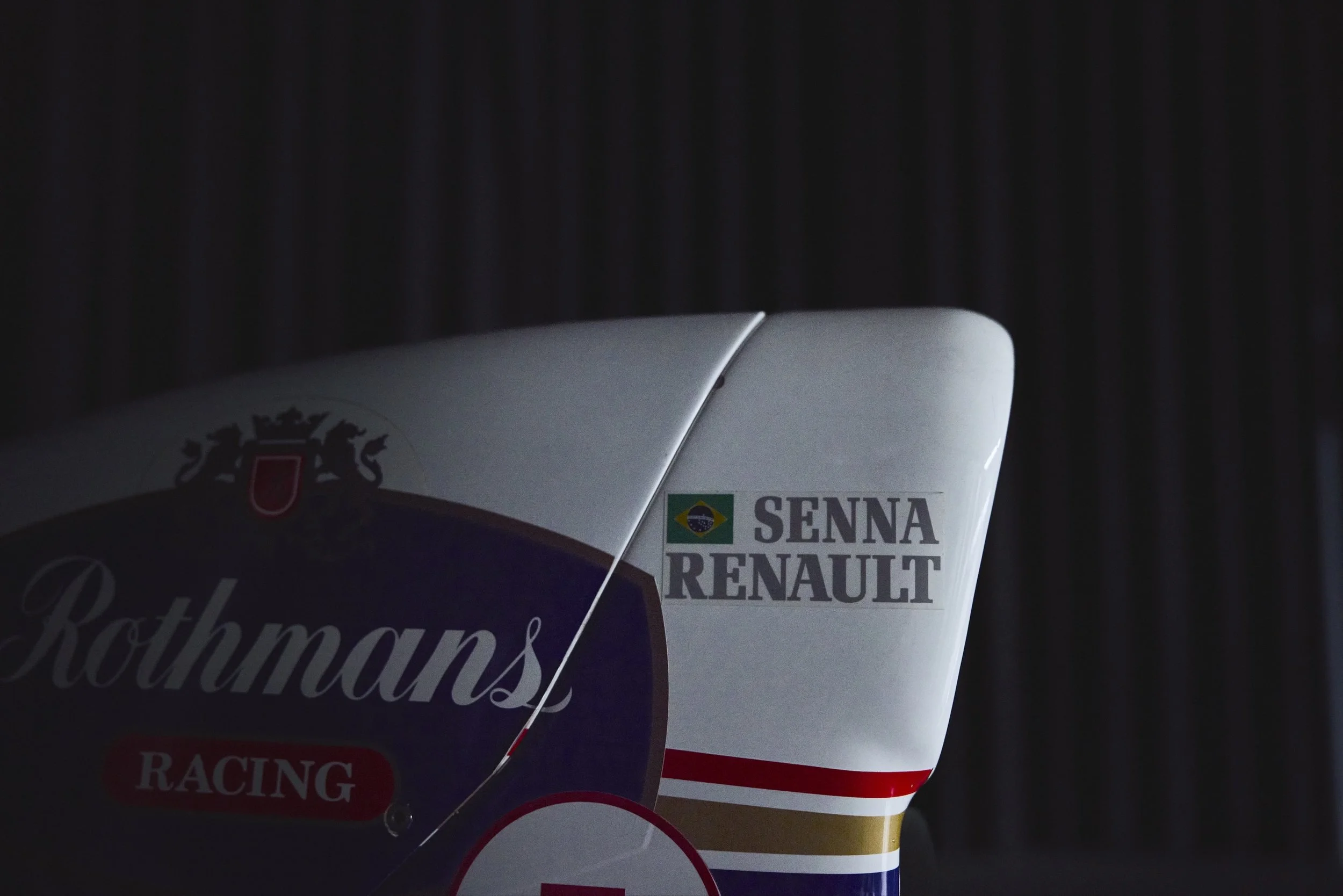
Today, FW16B-01 represents an important piece of Williams and Formula 1 history. From its early development work with Senna and Hill to its subsequent competition appearances with Coulthard and Mansell, the chassis played a meaningful role in the team's difficult transition to the 1994 regulations.
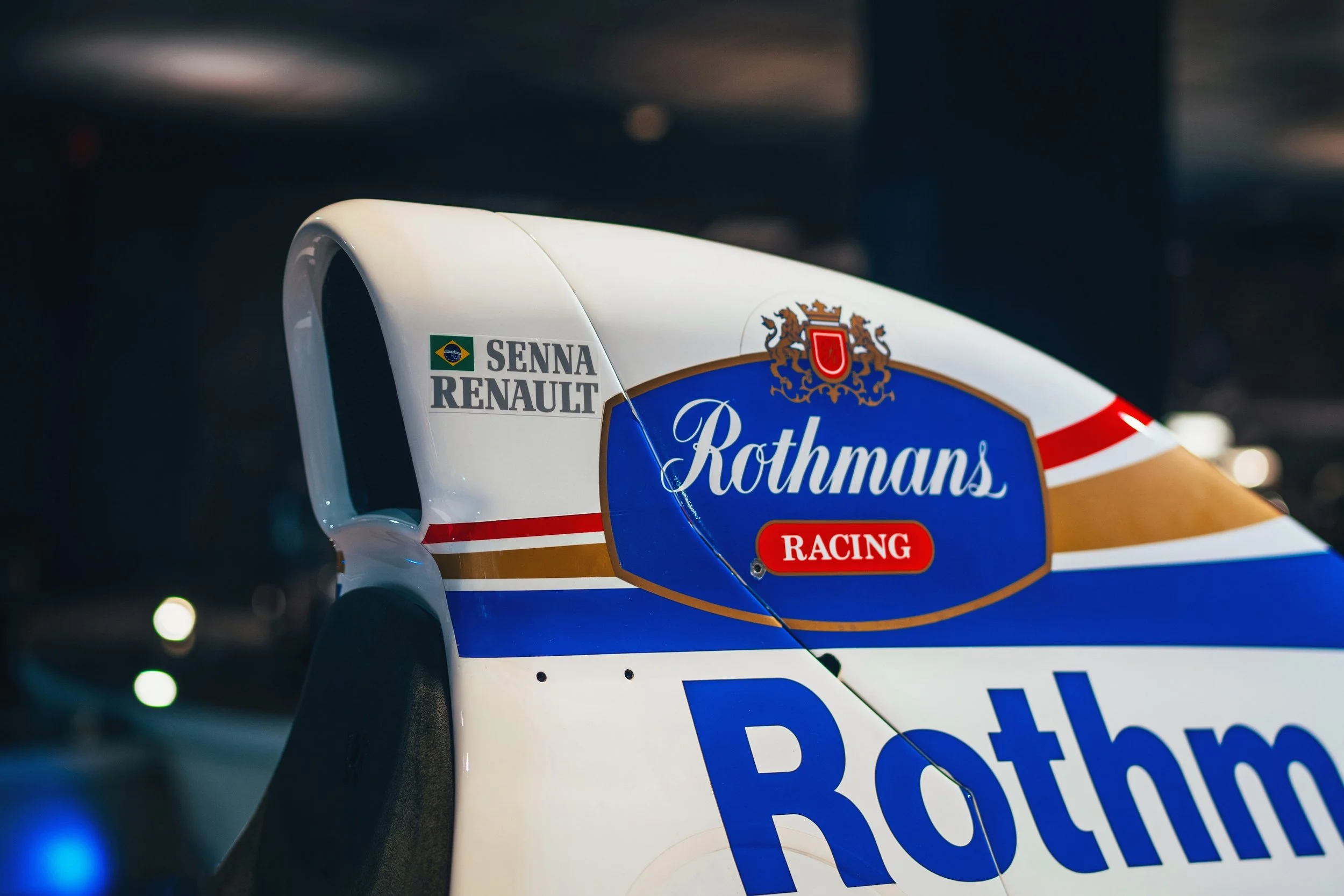
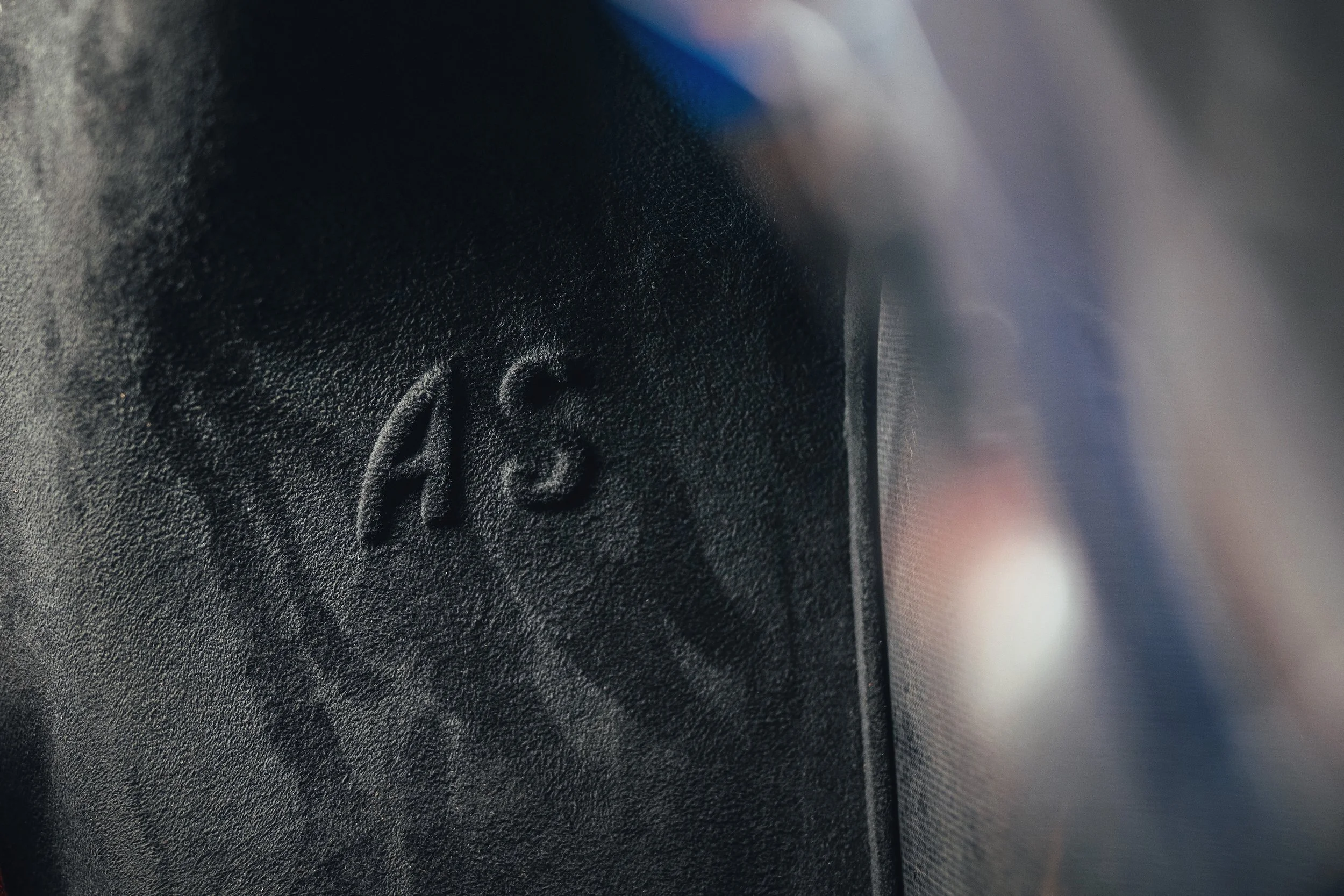
Its connection to Senna is particularly significant. Although it was not the chassis he raced in Brazil, nor the car in which he suffered his fatal accident at Imola, it was driven by him during the warm-up session at Interlagos, at the beginning of his final Formula 1 season.
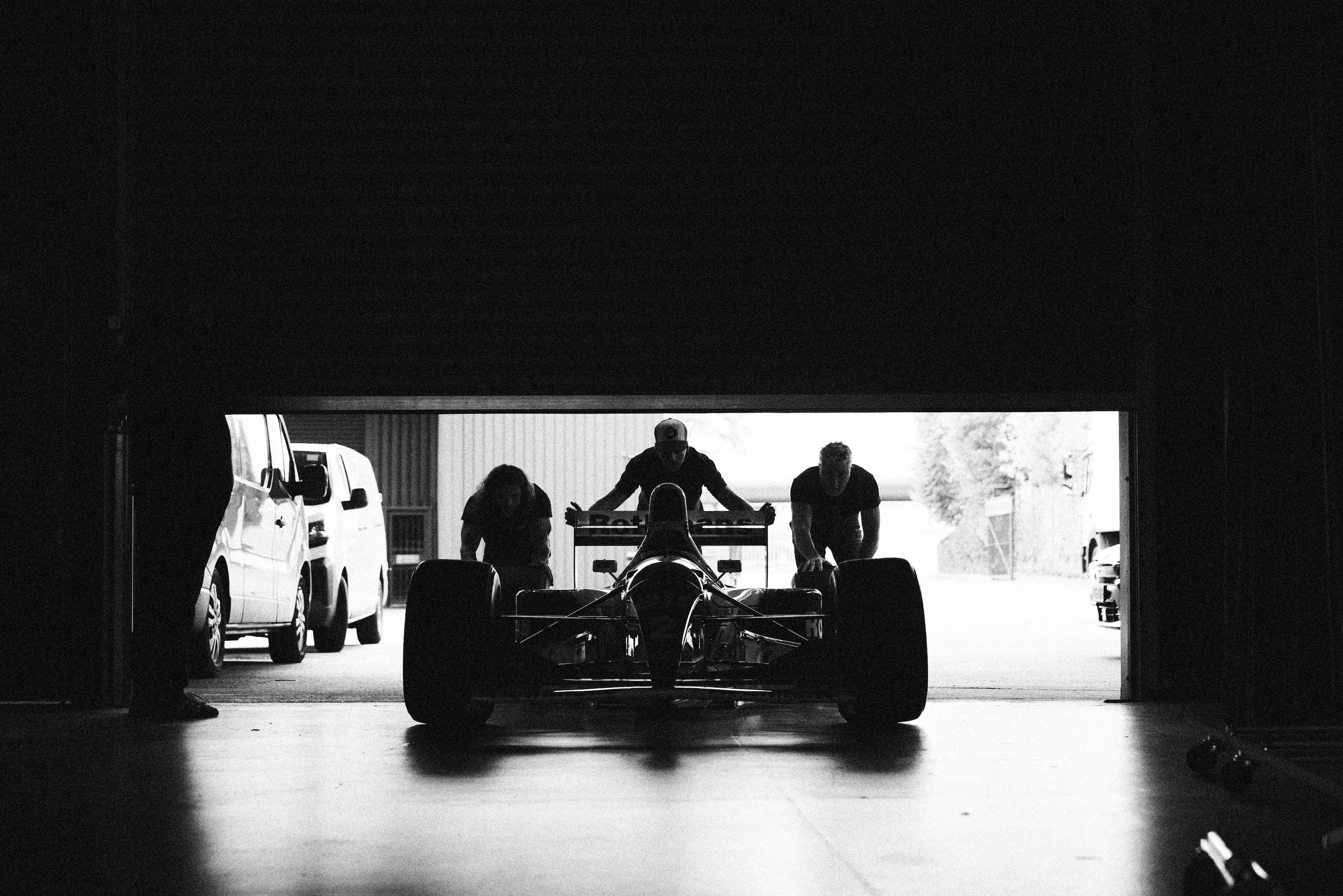
Now preserved in Williams' collection, the car stands as a tangible reminder of a remarkable period in the sport's history and of the extraordinary driver whose final season it helped shape.
Article based on information published by RM Sotheby's. Photography courtesy of RM Sotheby's.
Your support helps us continue sharing the history, people, and passion of Formula 1. If you enjoy what we do, consider buying us a coffee on Ko-fi. Every contribution is appreciated.