
2026 Pre-Season Test 1 – Bahrain
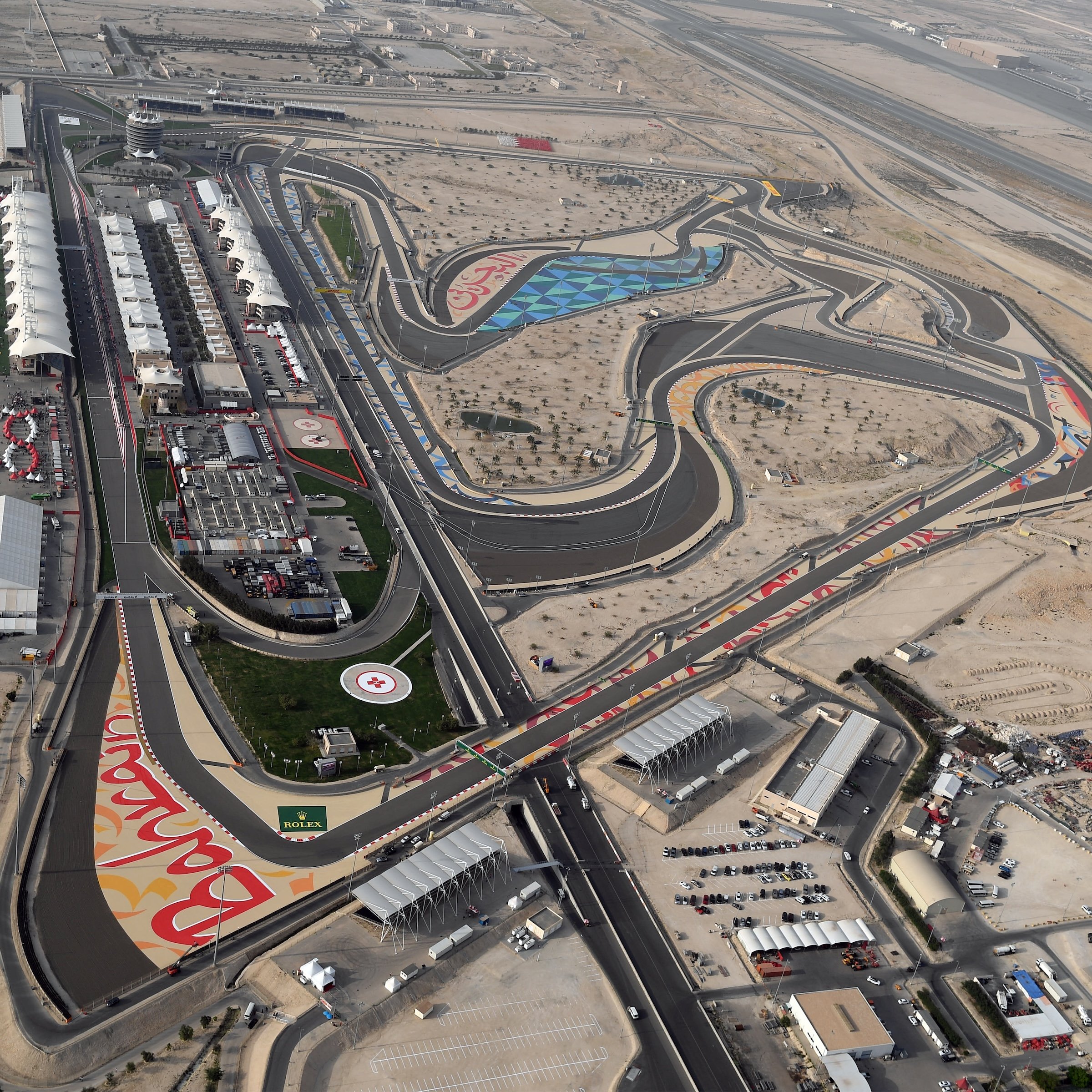
Sakhir sets the tone for 2026: Mercedes Ends Fastest as McLaren and Ferrari Show Early Pace
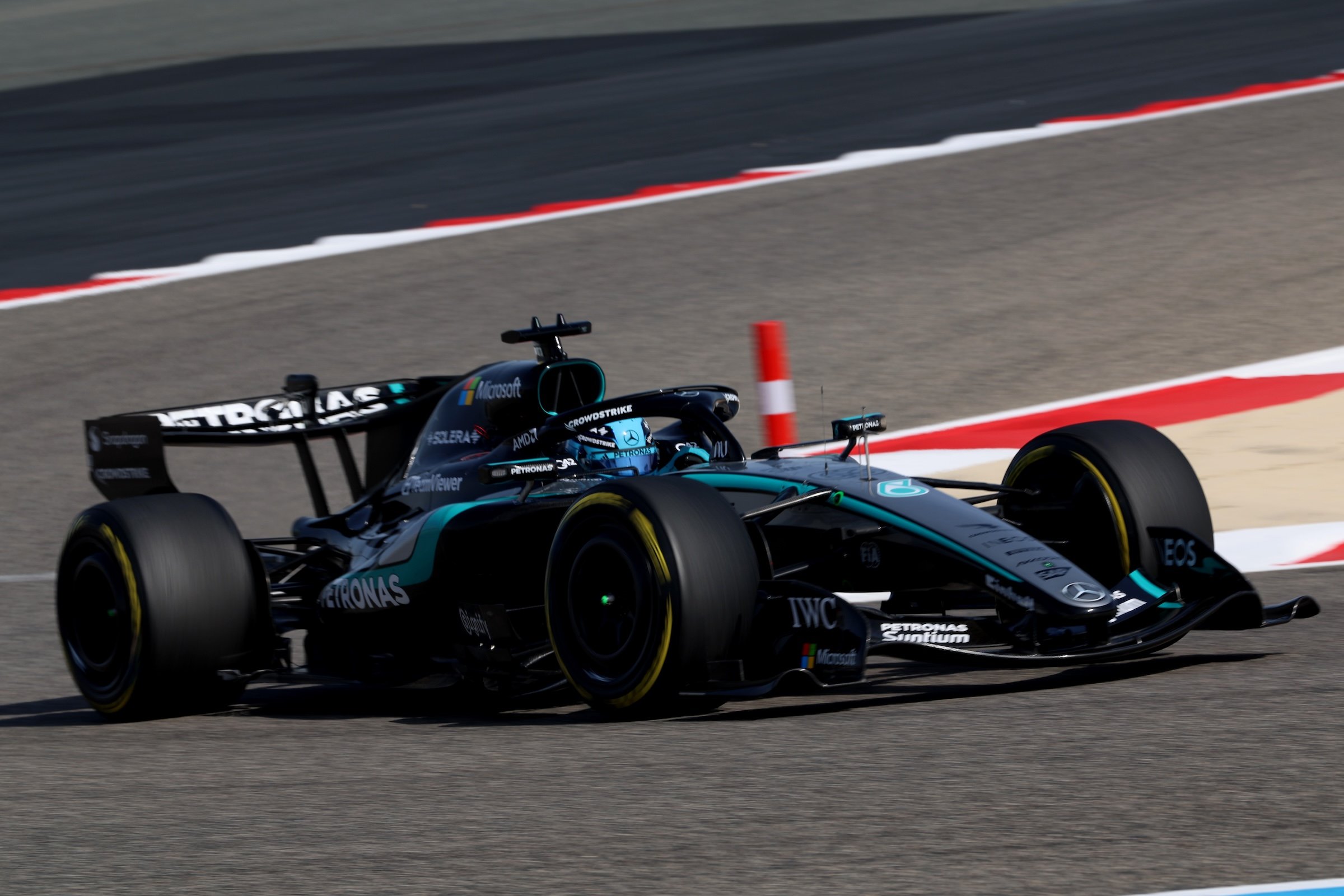
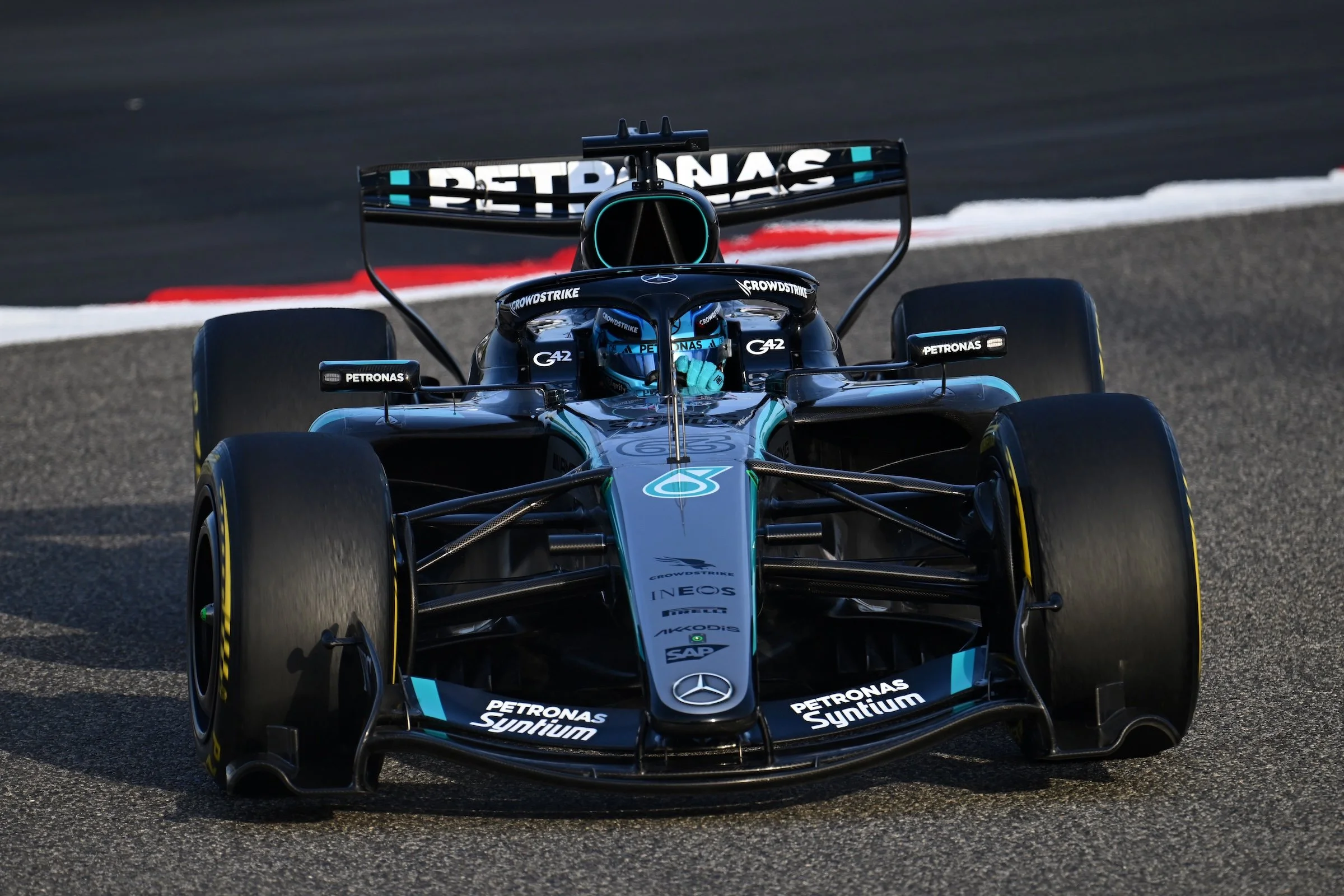
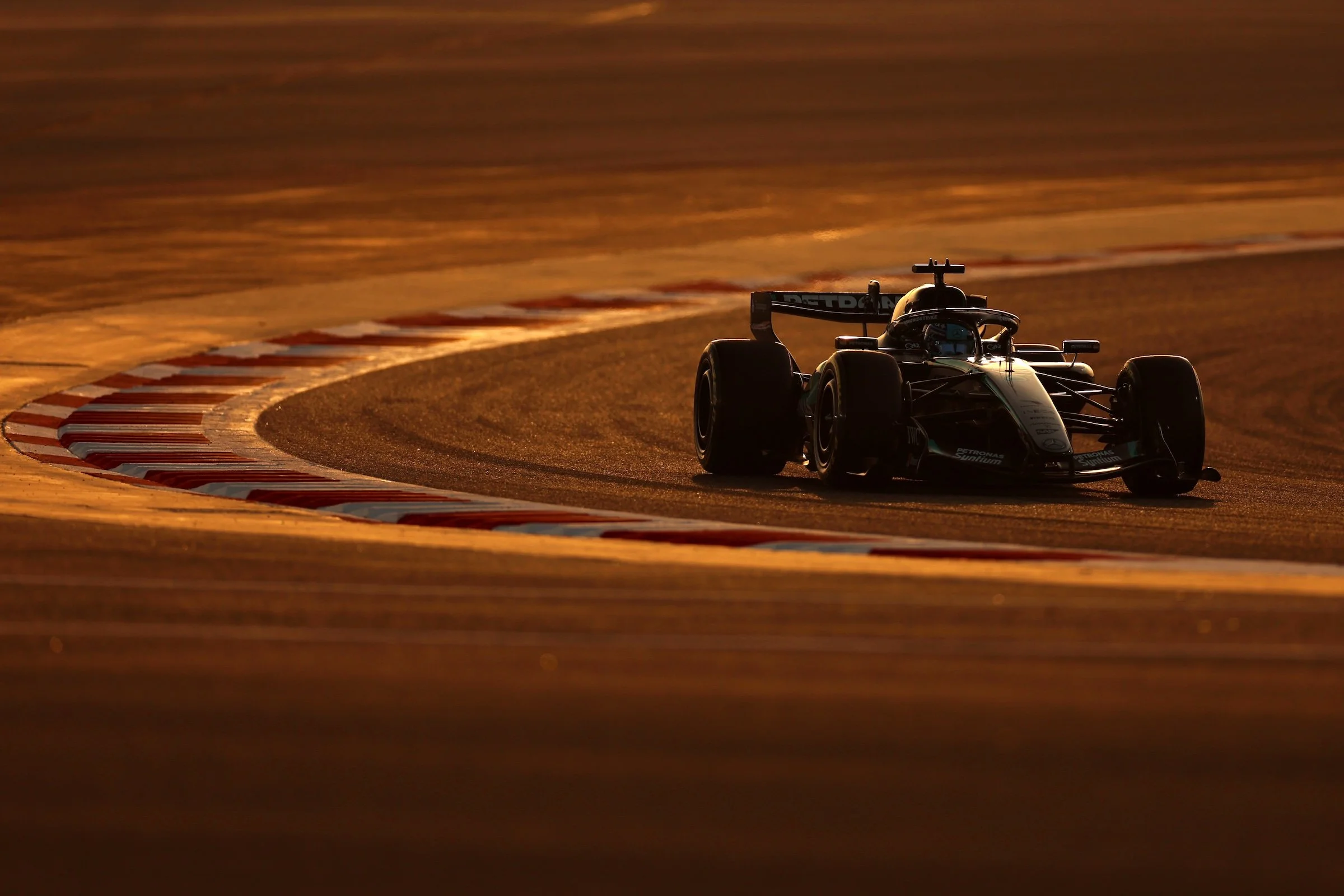
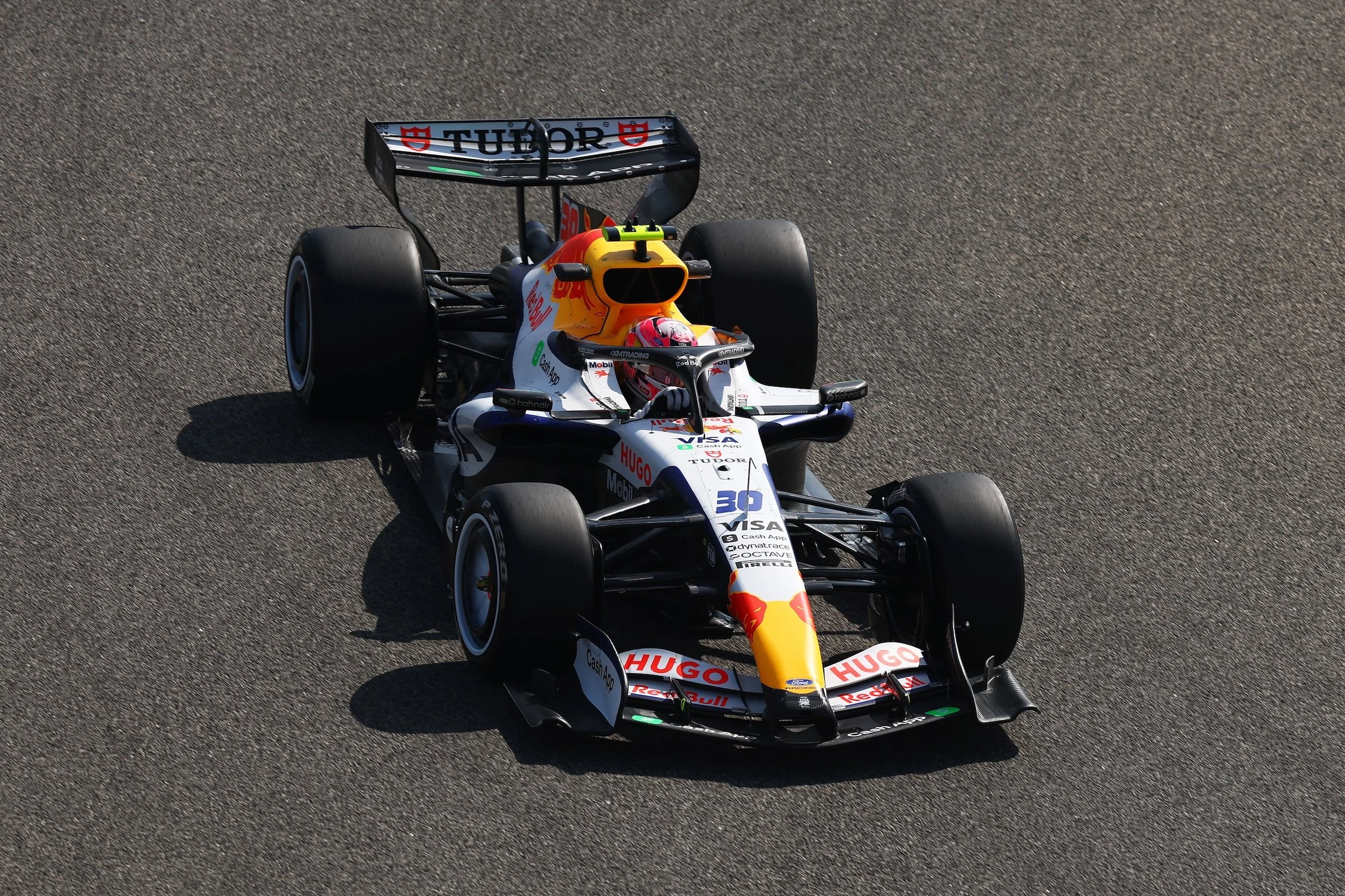
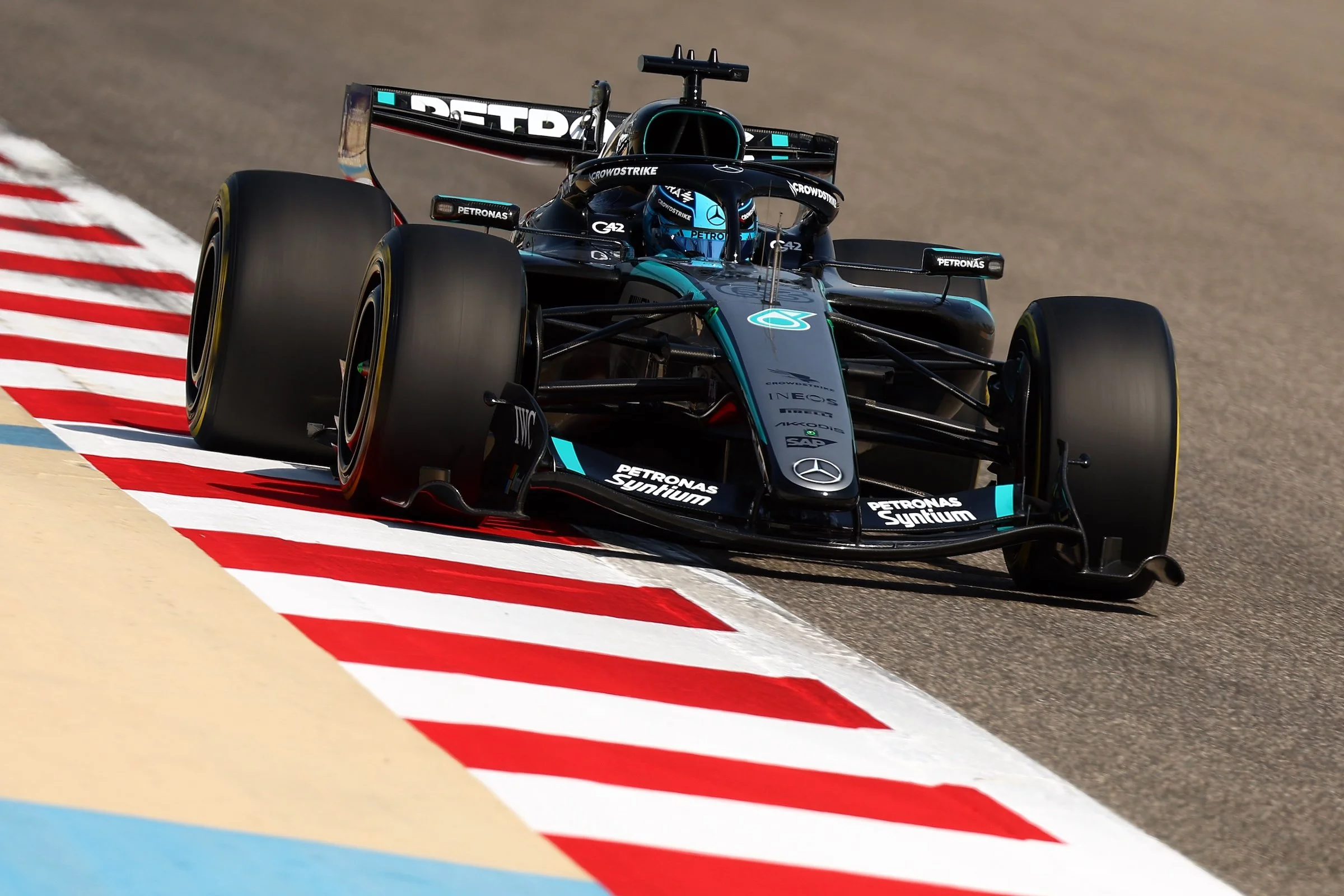
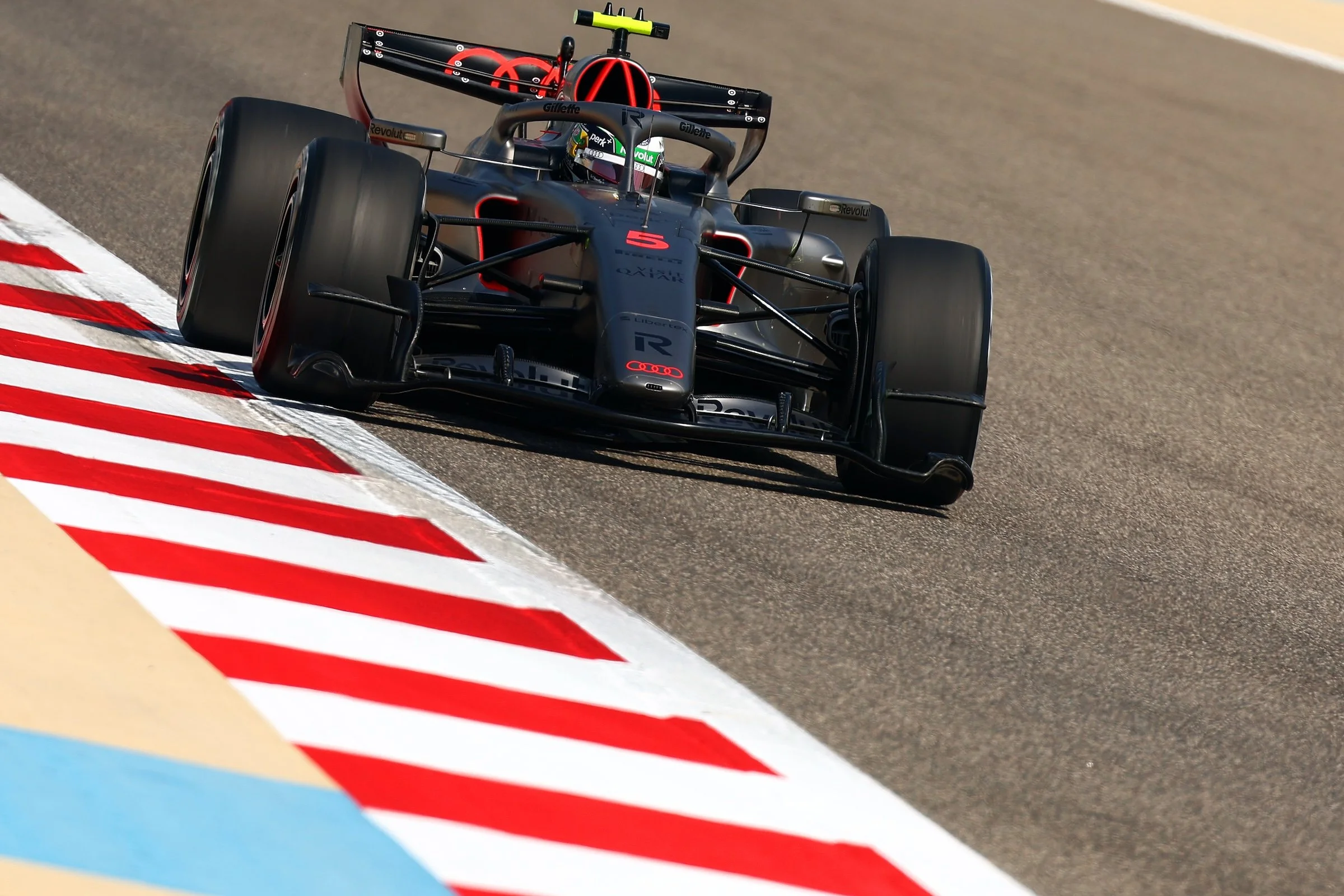
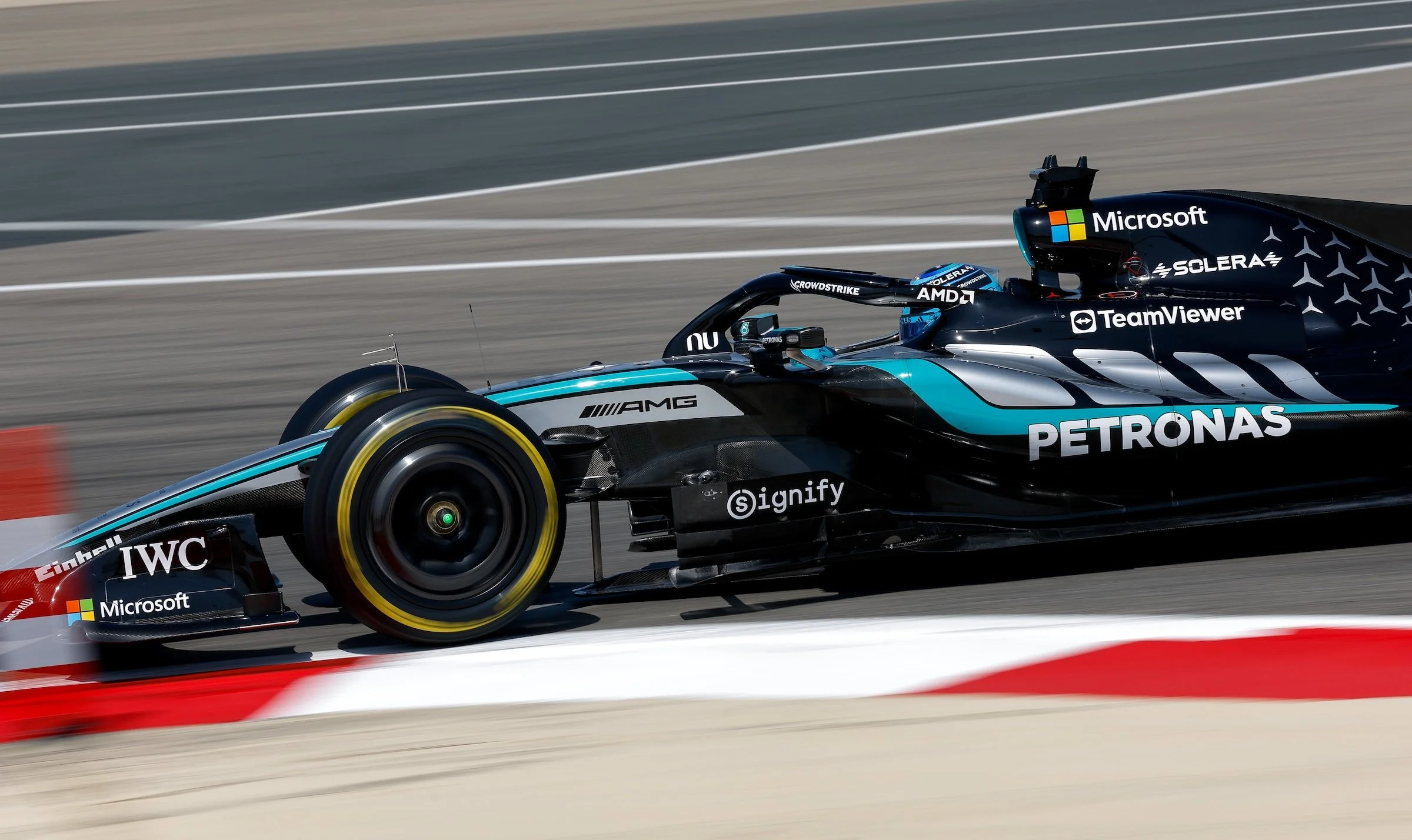
Mercedes ended testing fastest overall
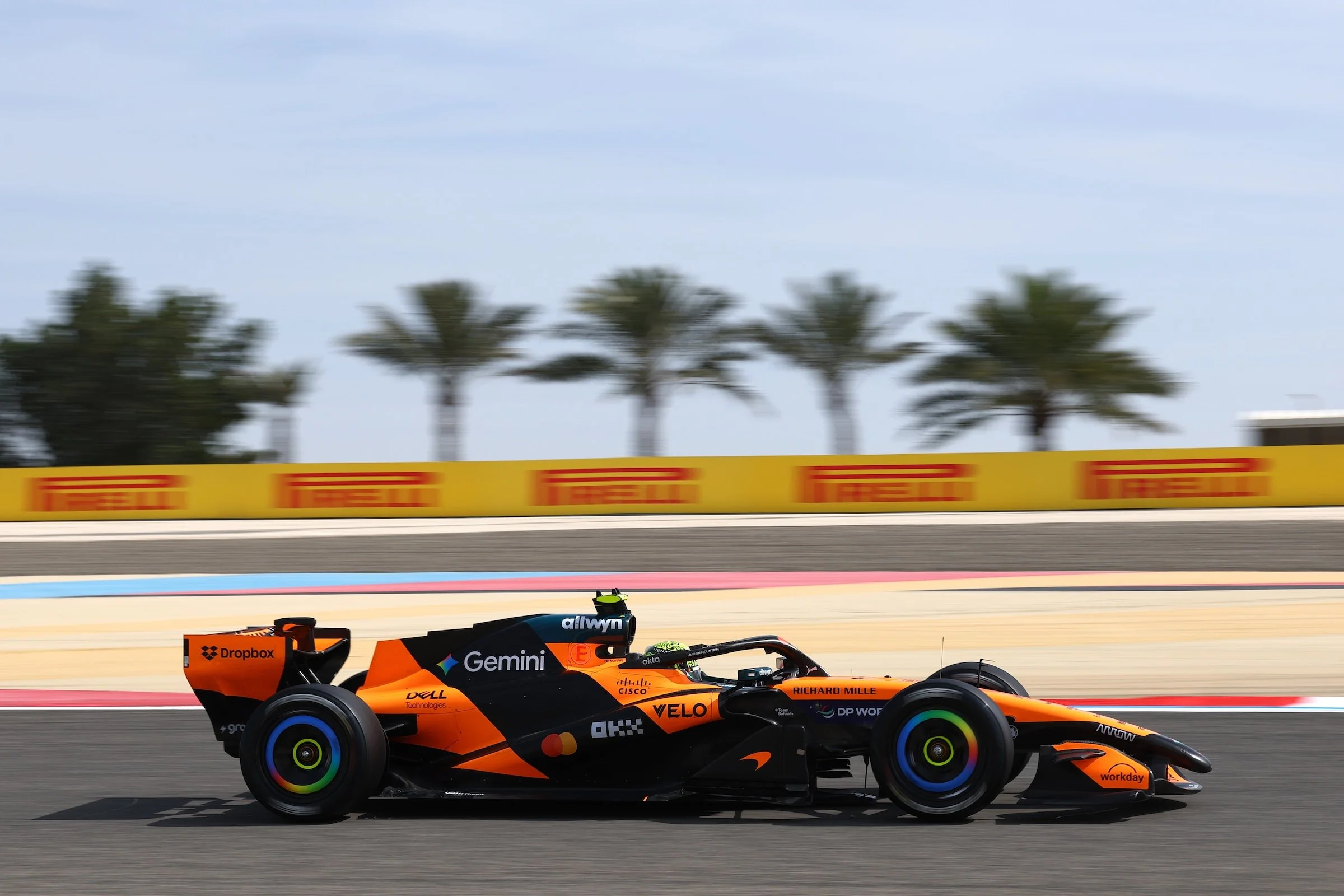
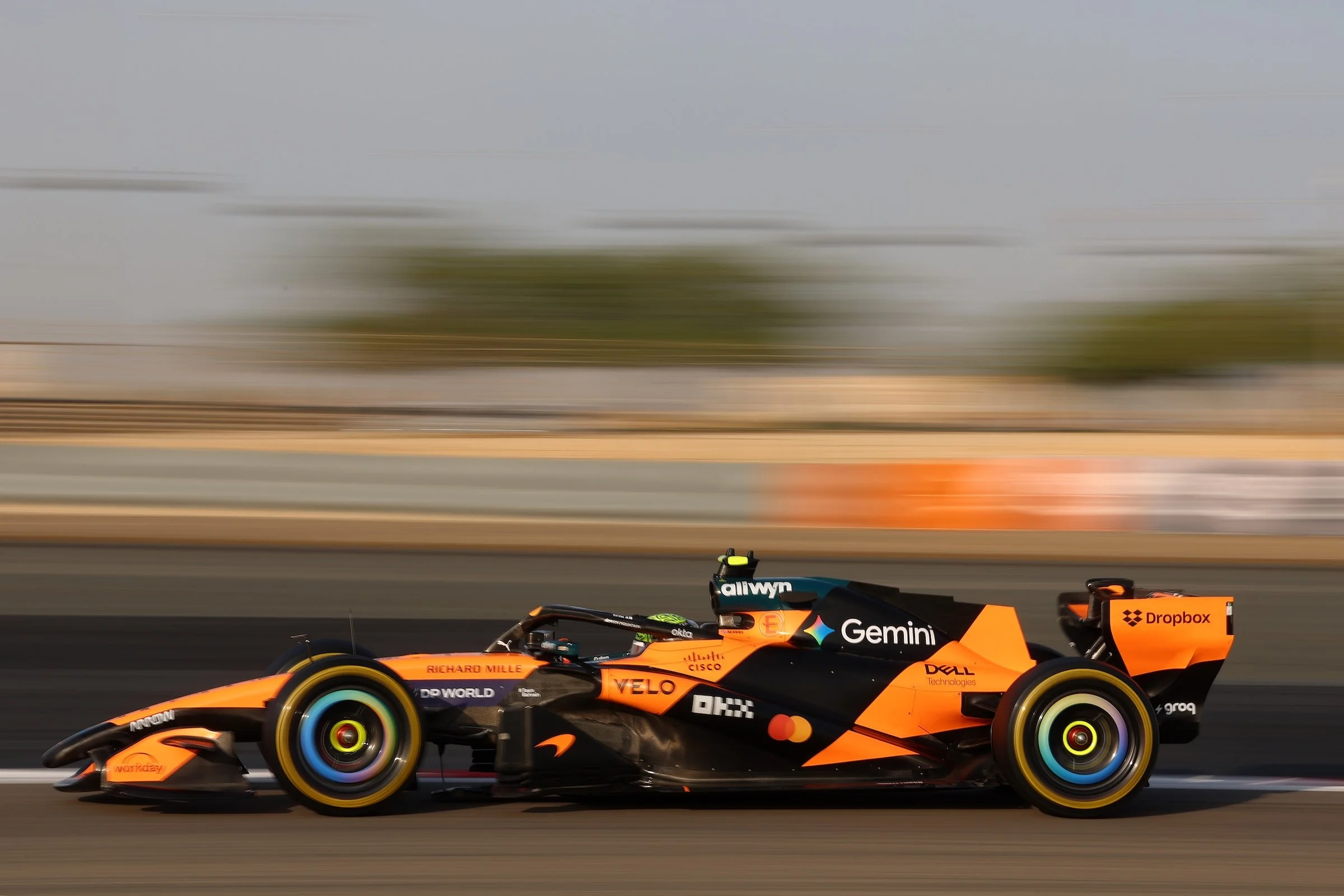
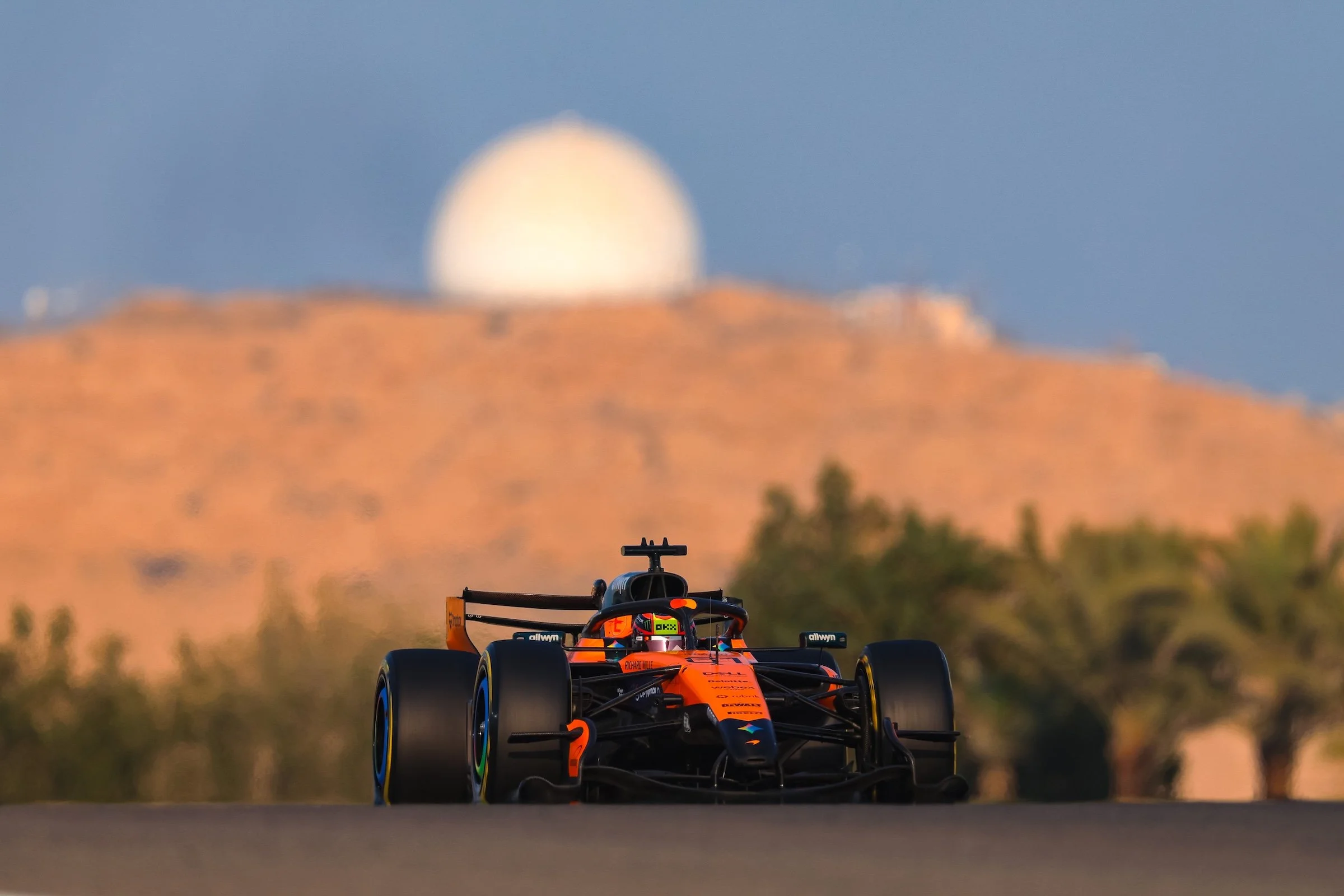
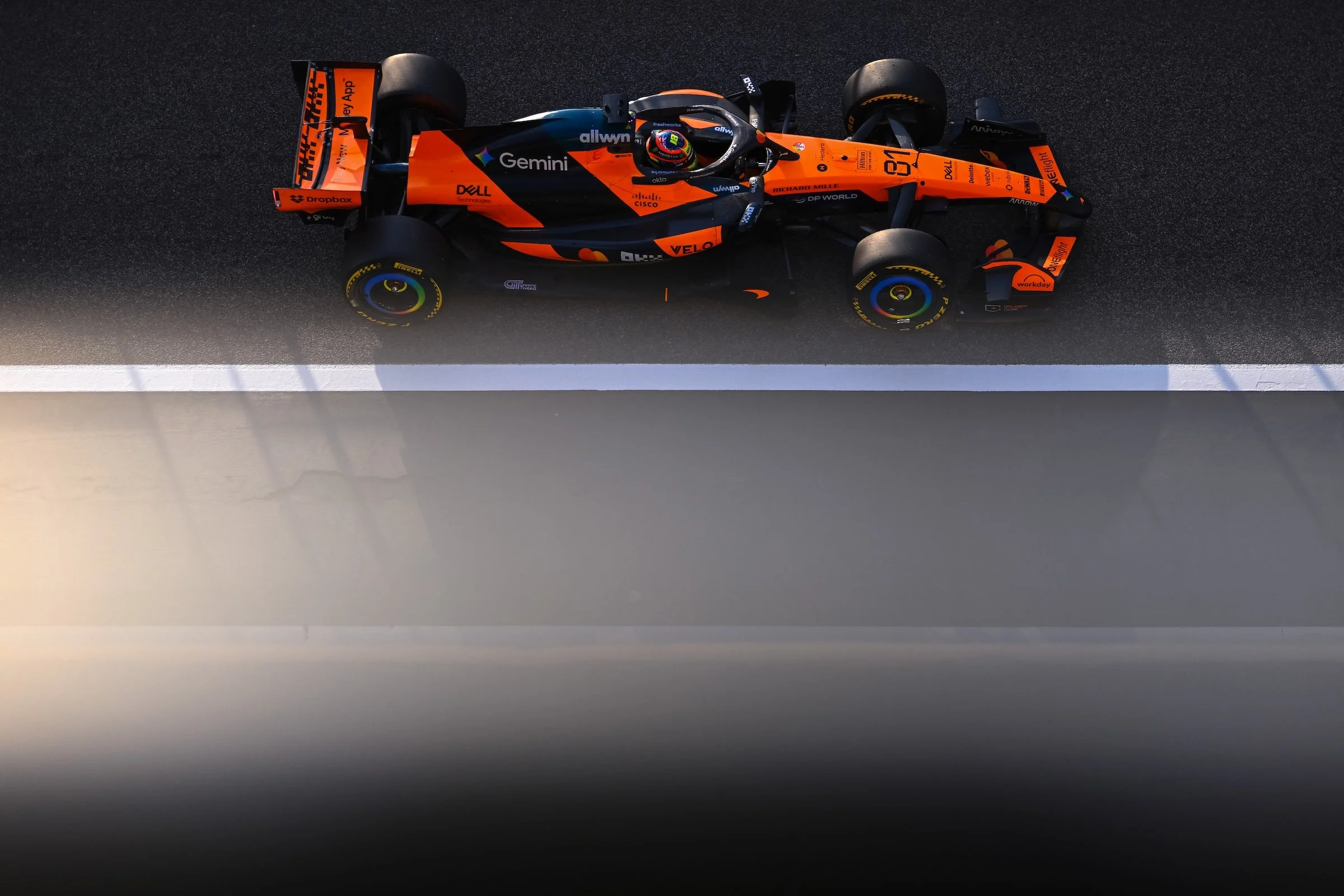
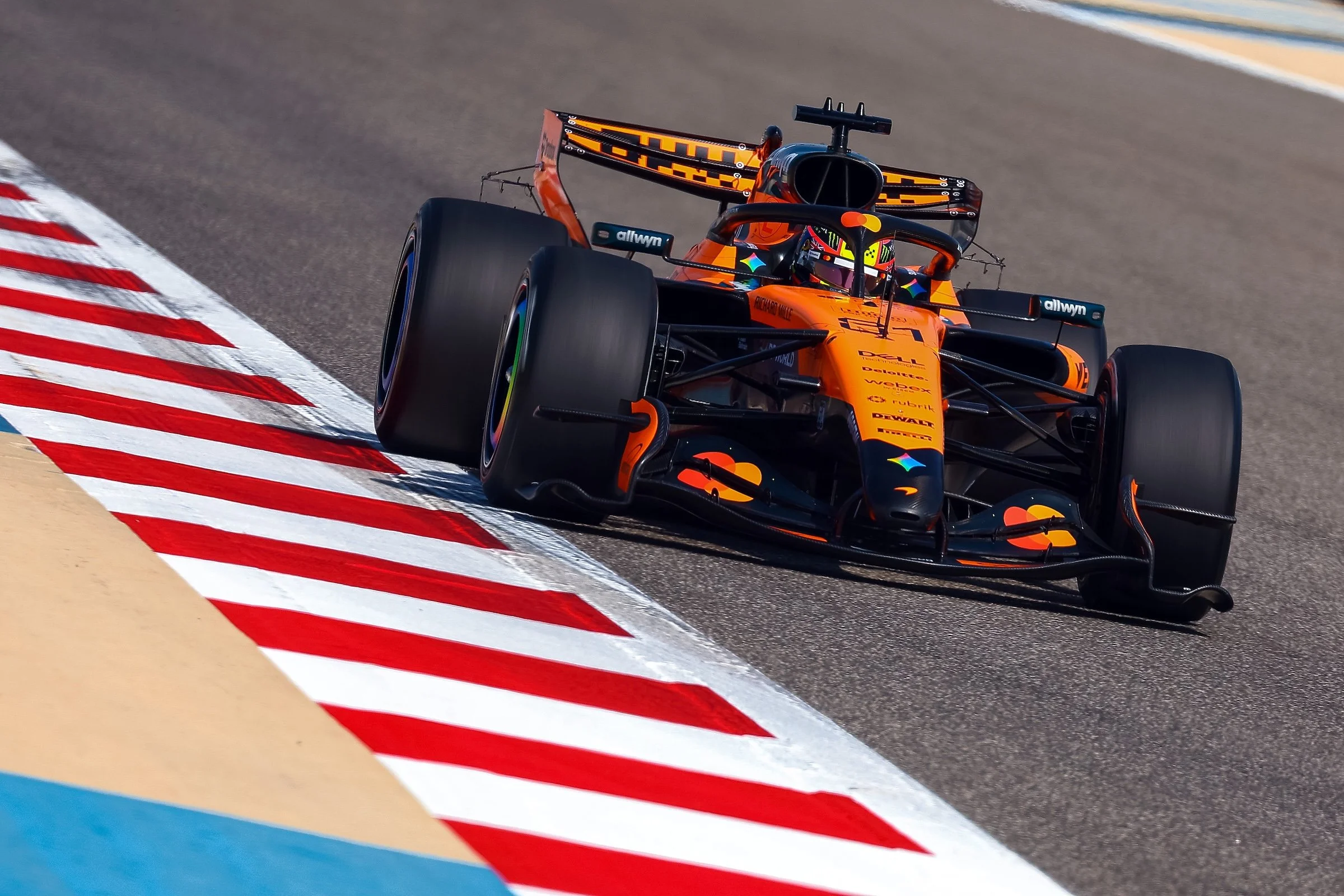
McLaren showed the strongest consistency
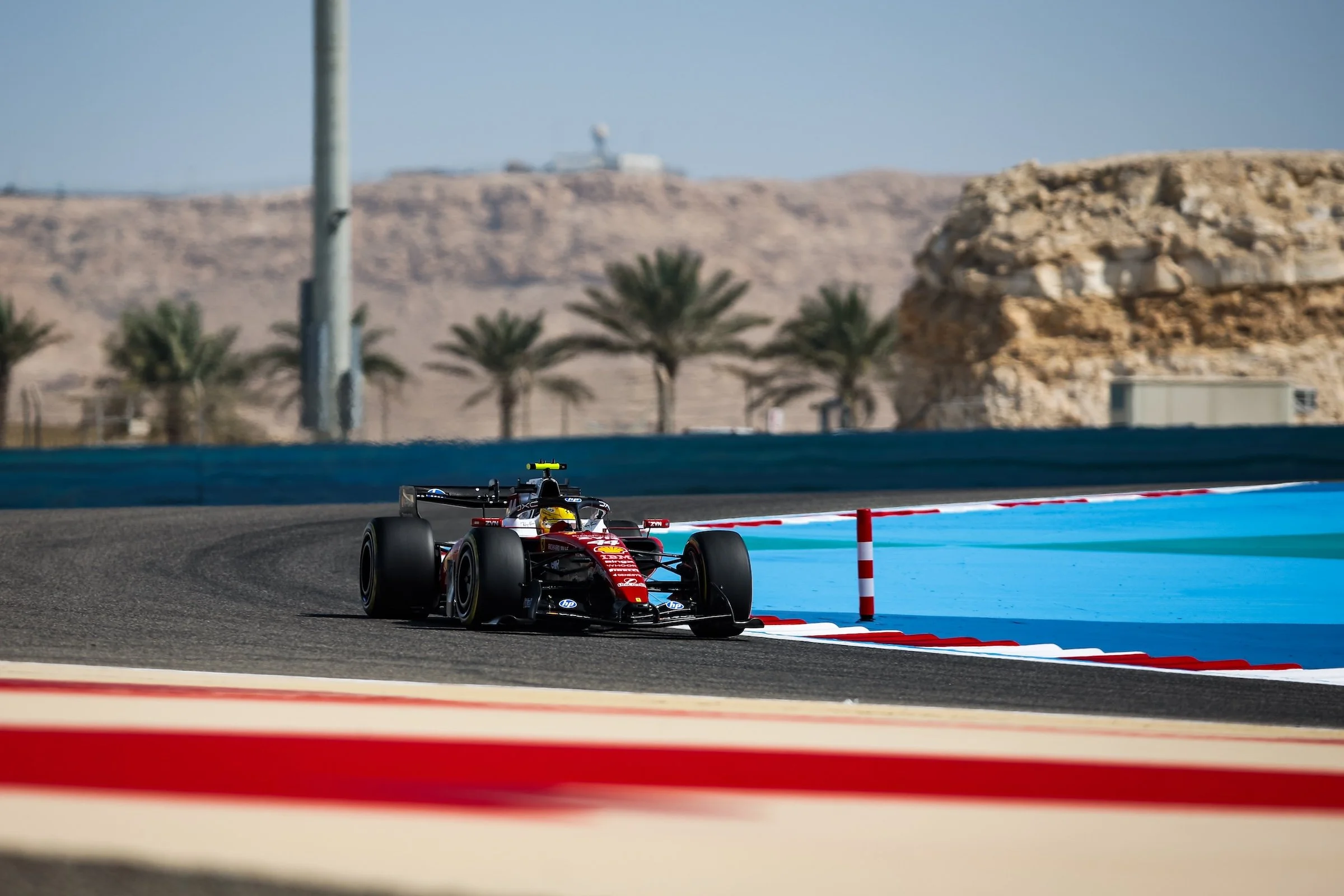
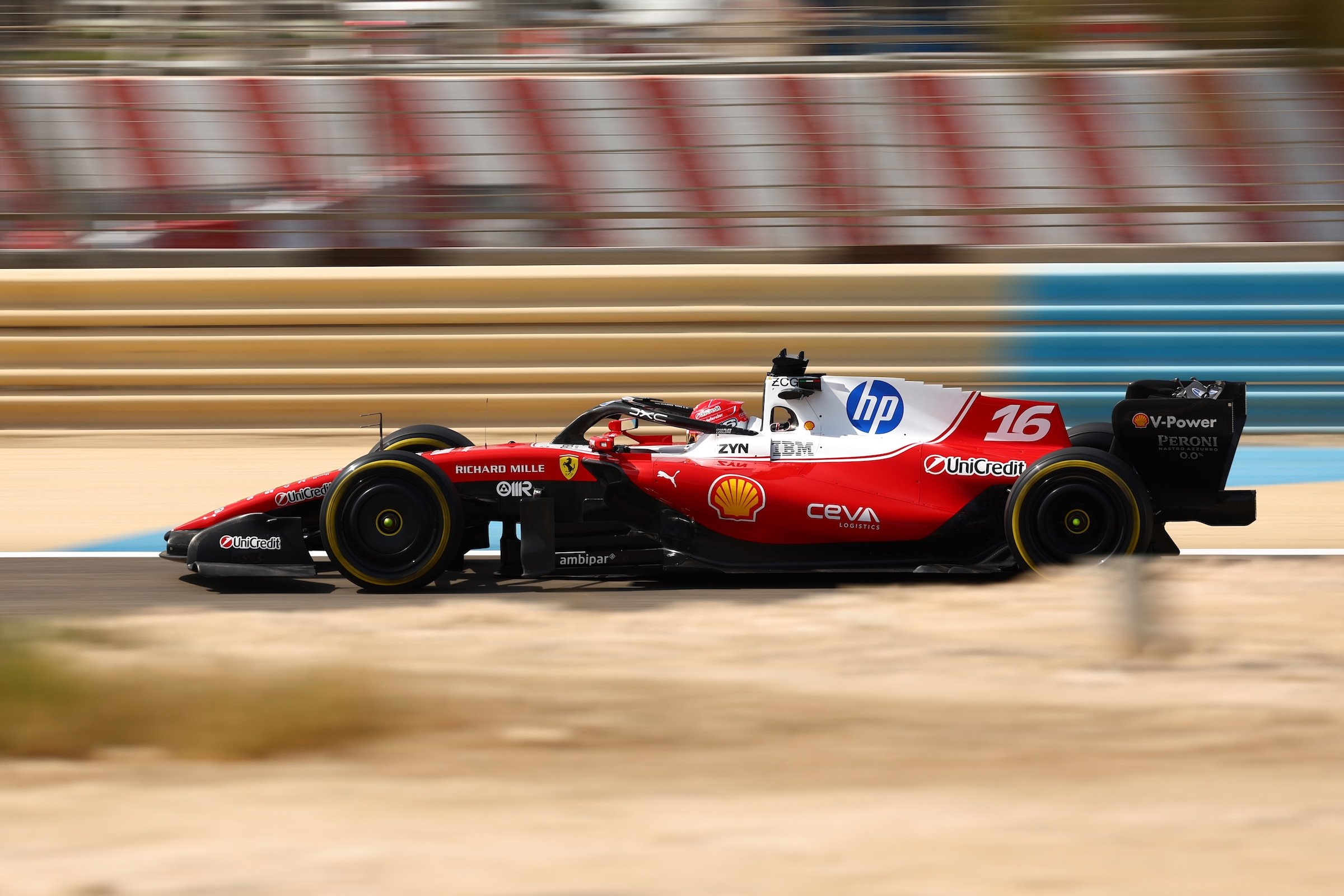
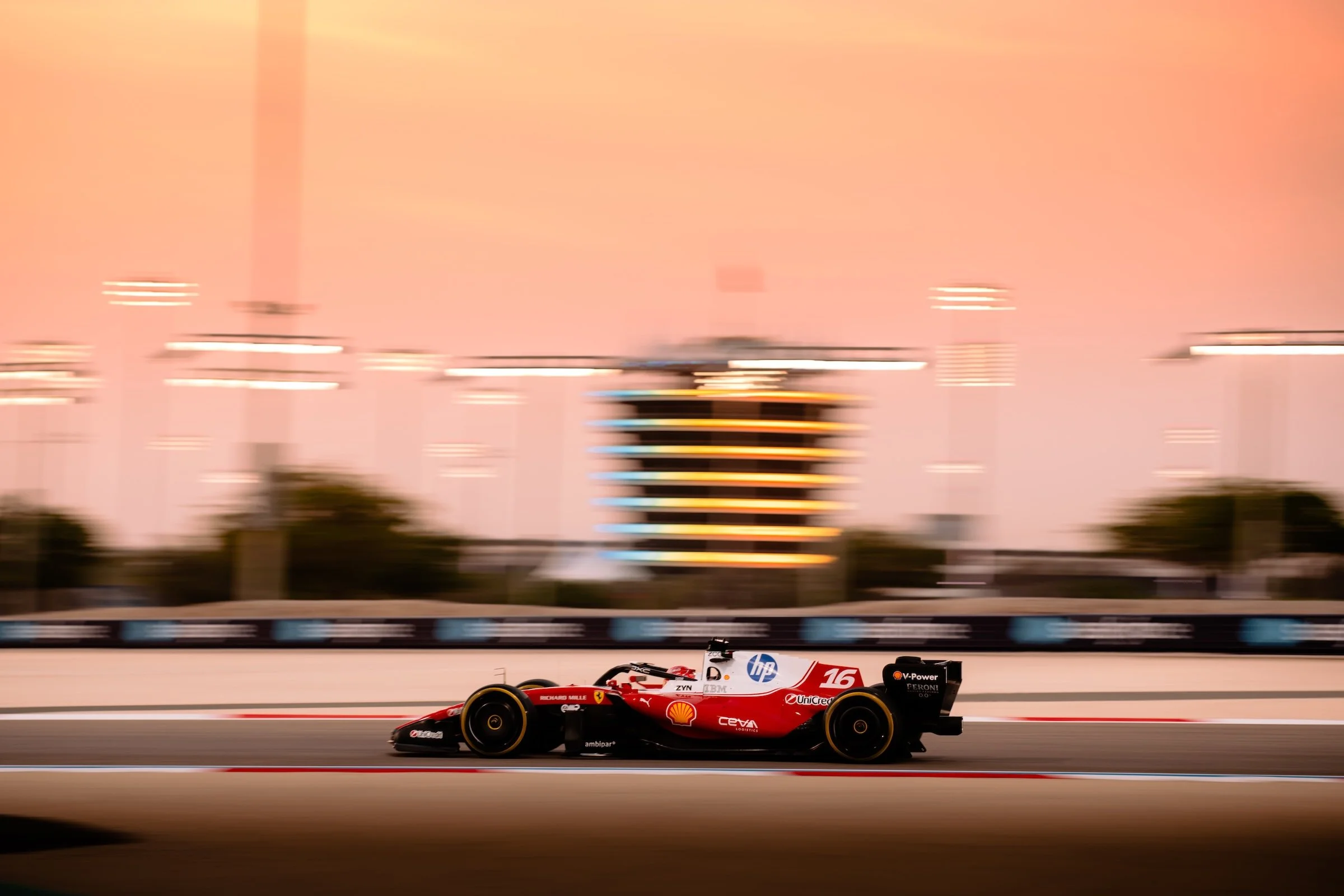
Ferrari focused heavily on long-run work
Warm conditions reshaped tire evaluation
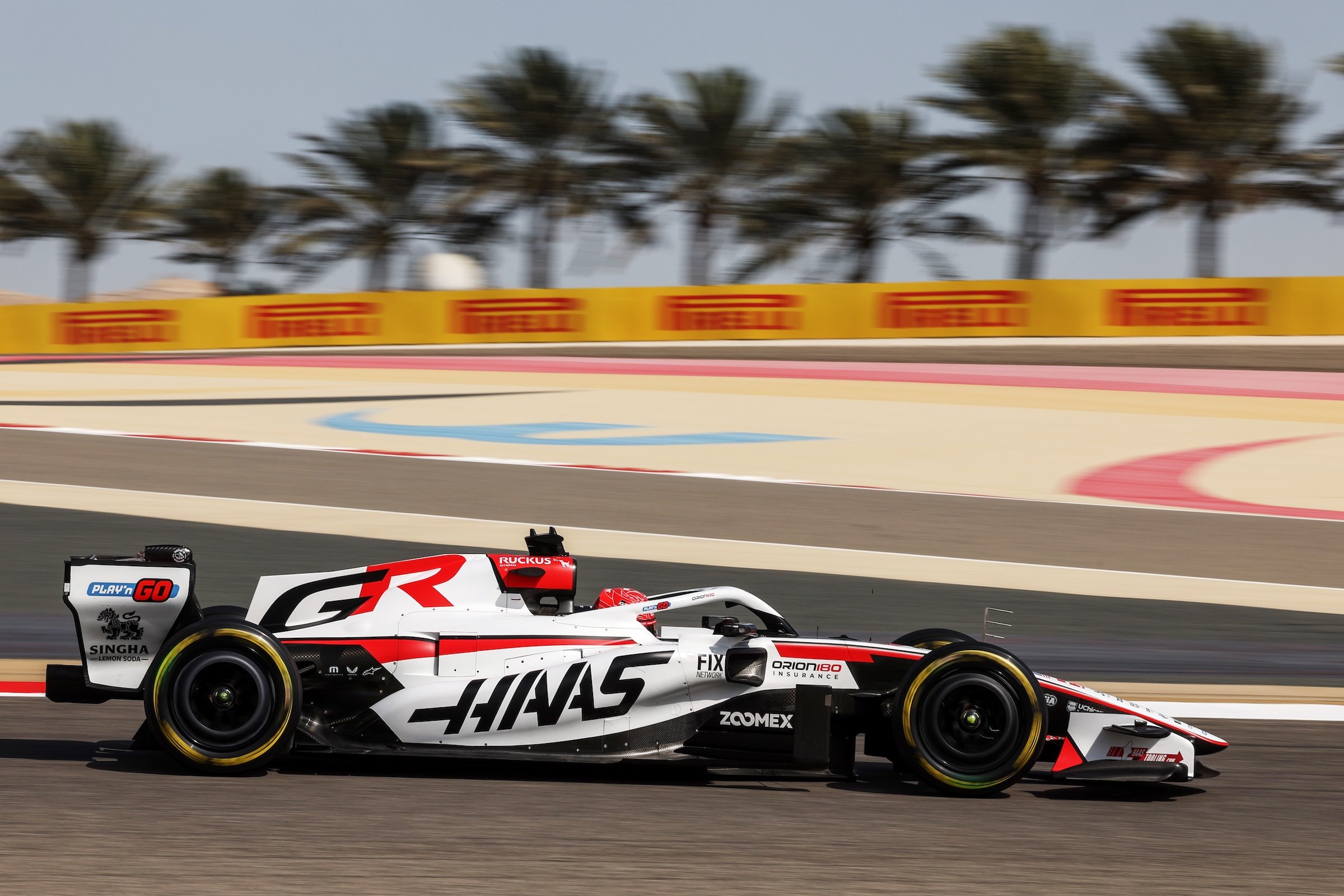
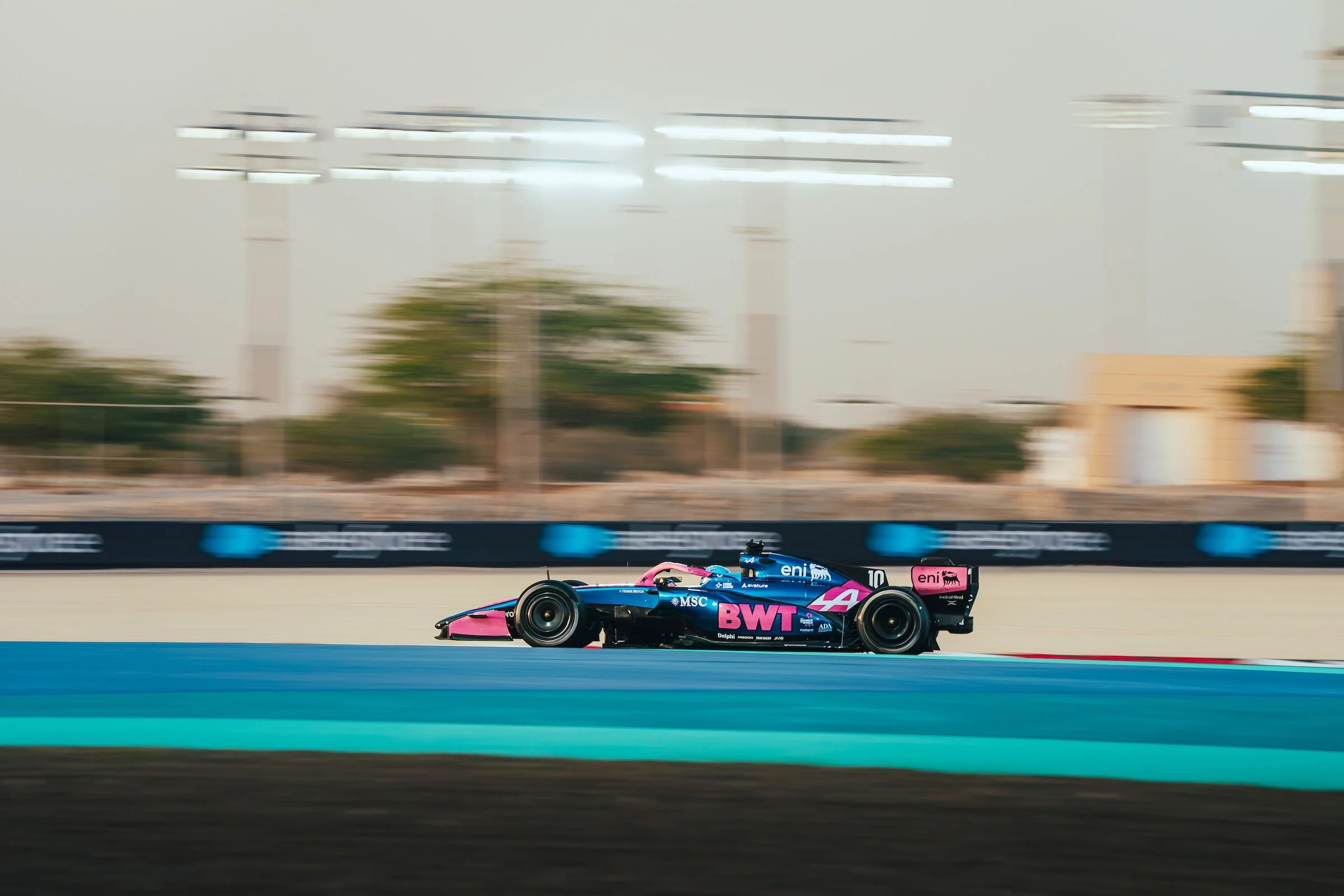
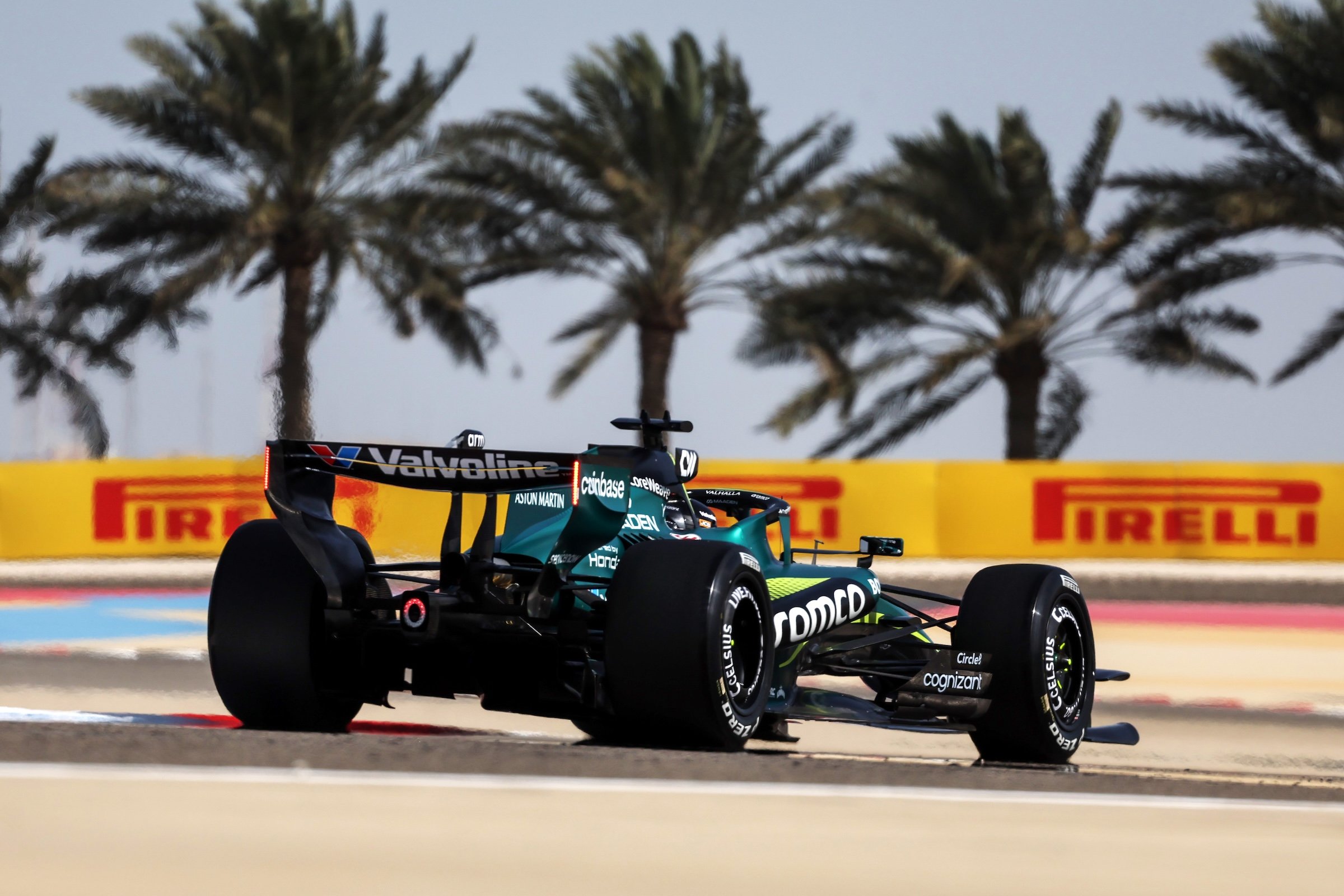
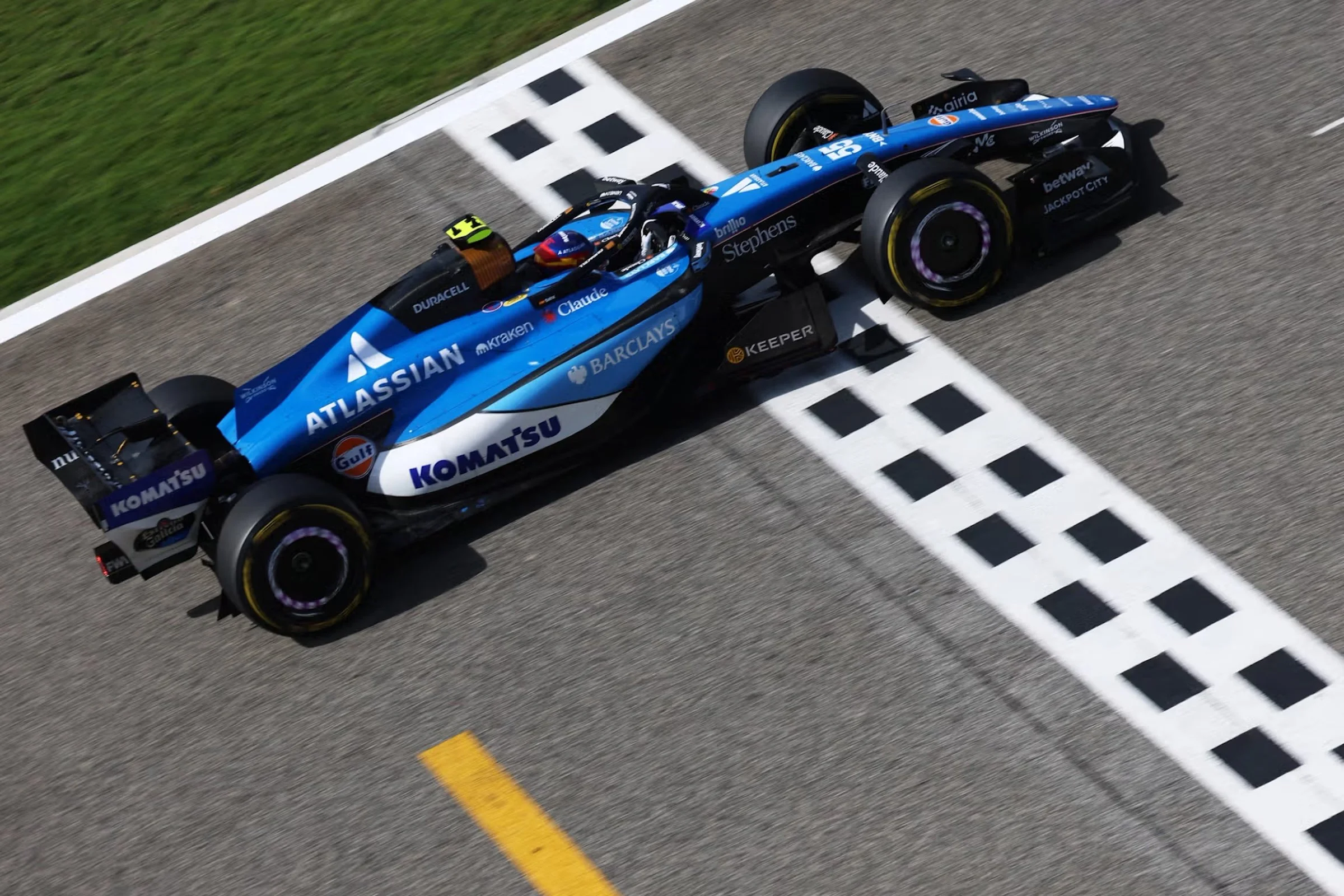
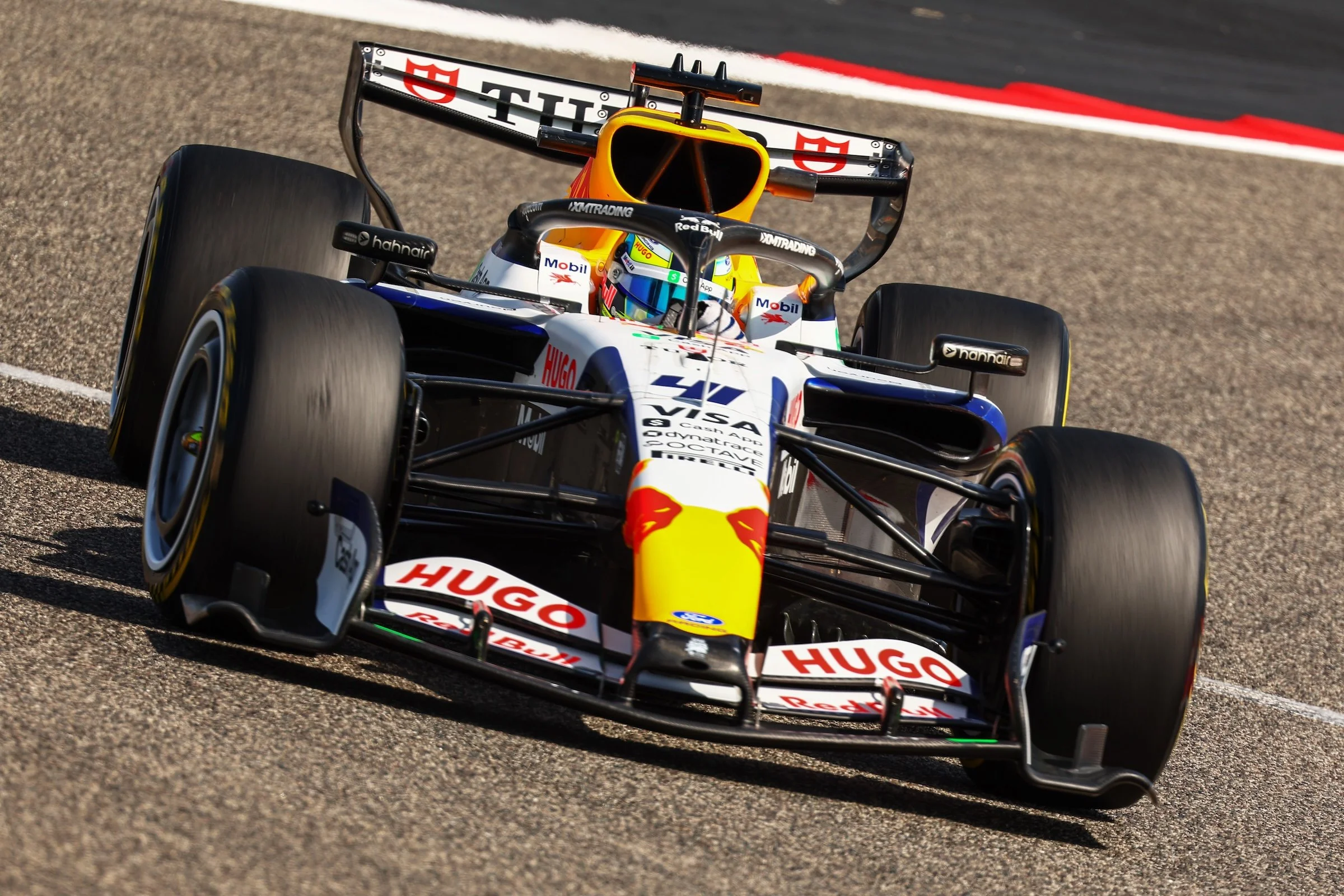
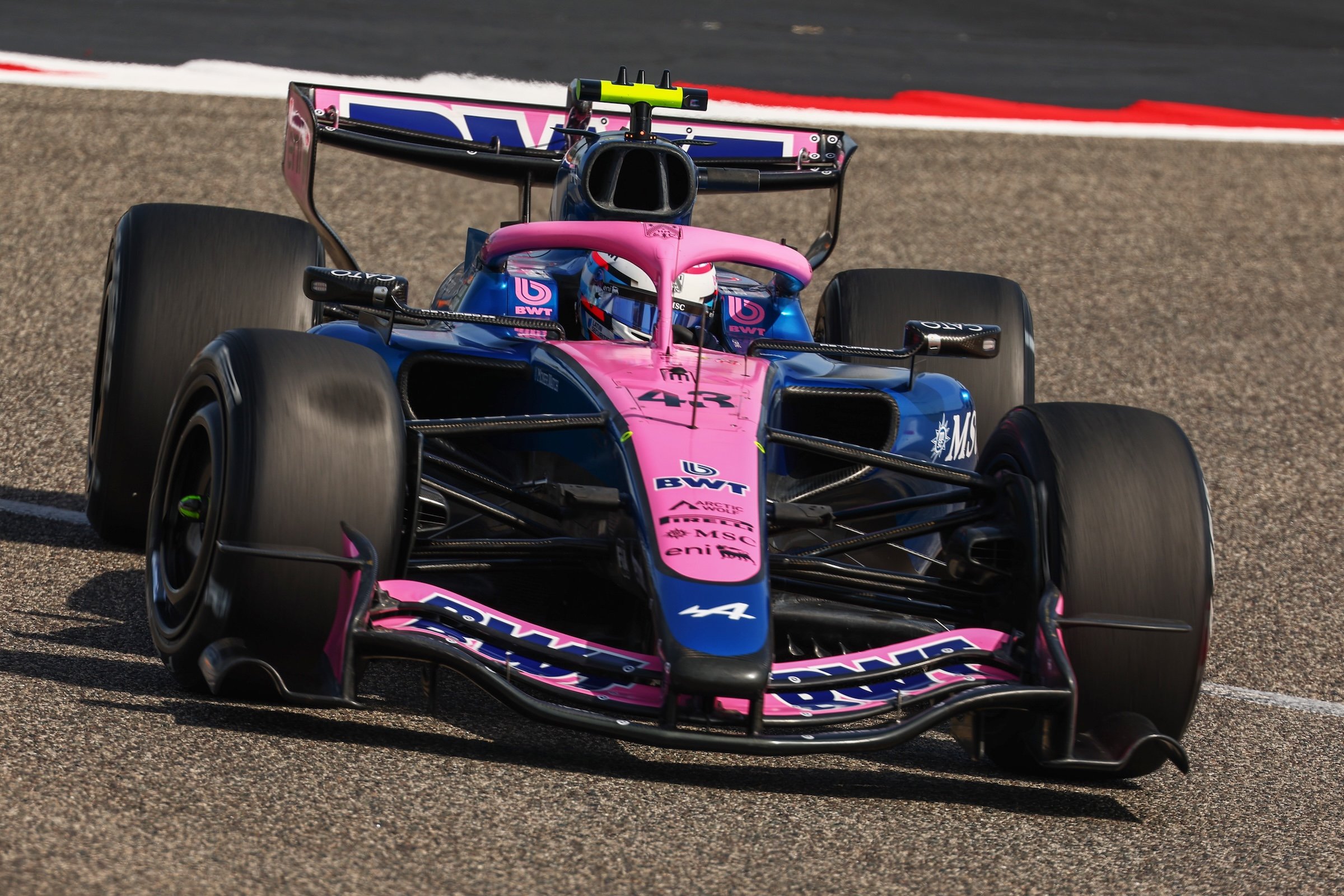
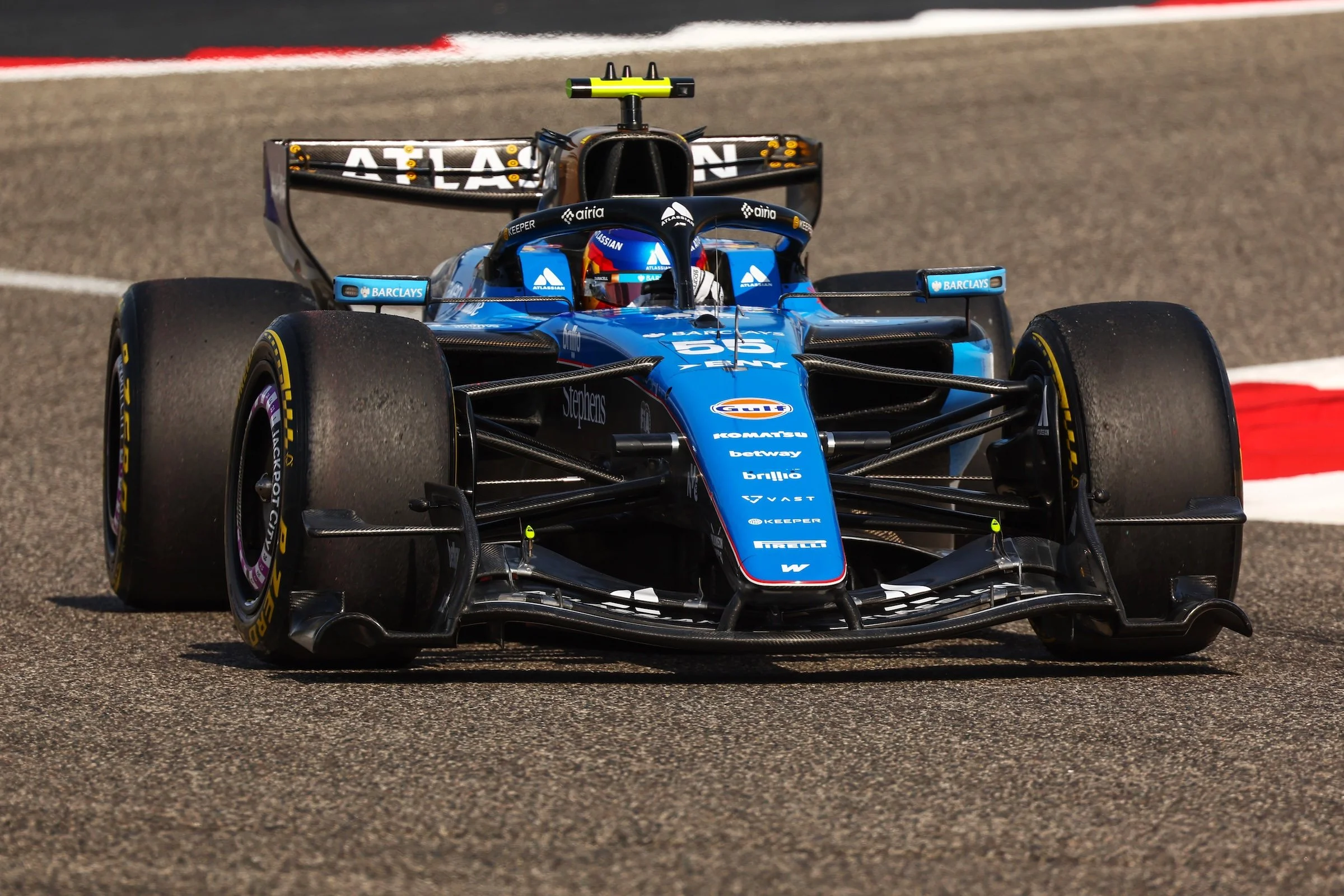
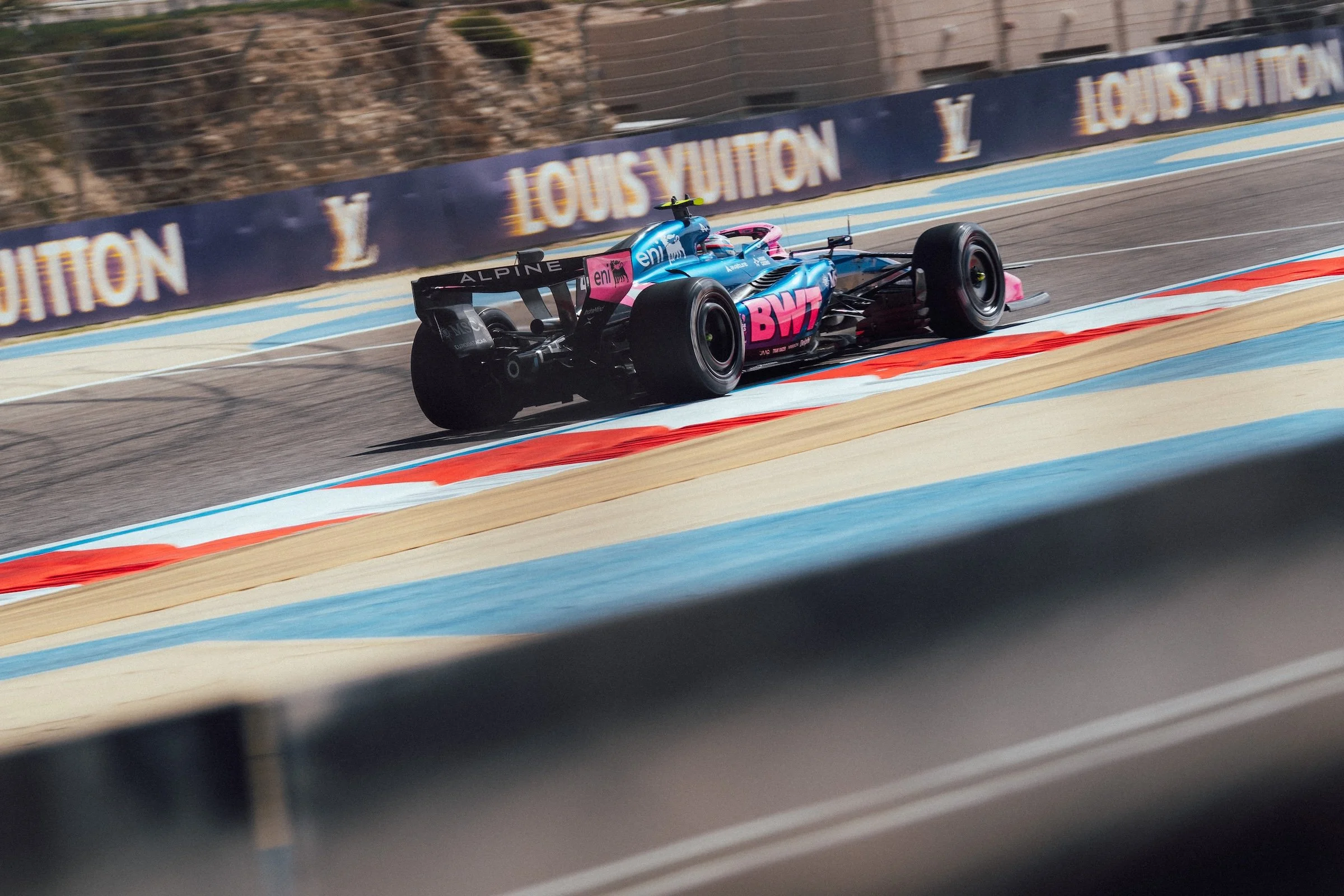
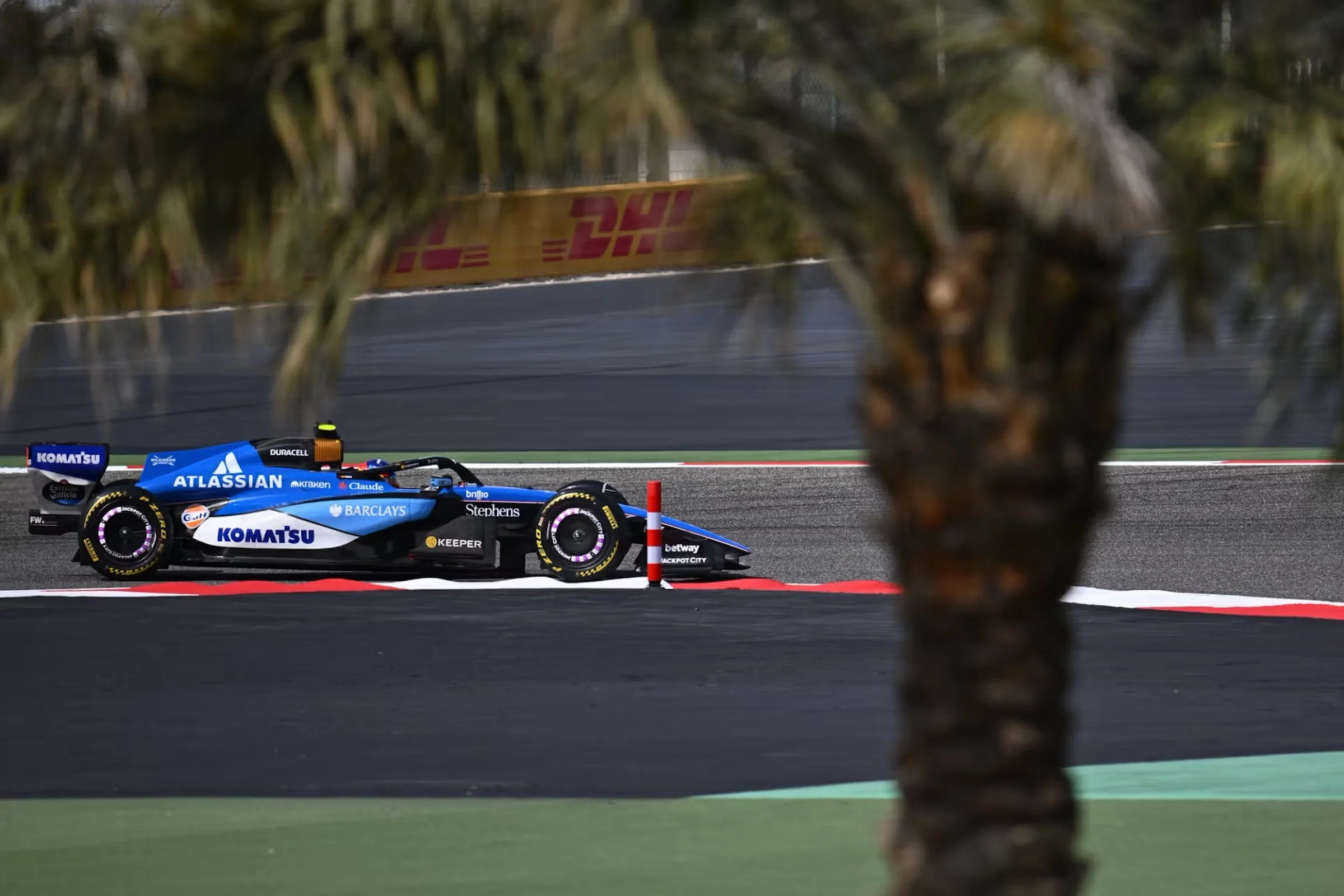
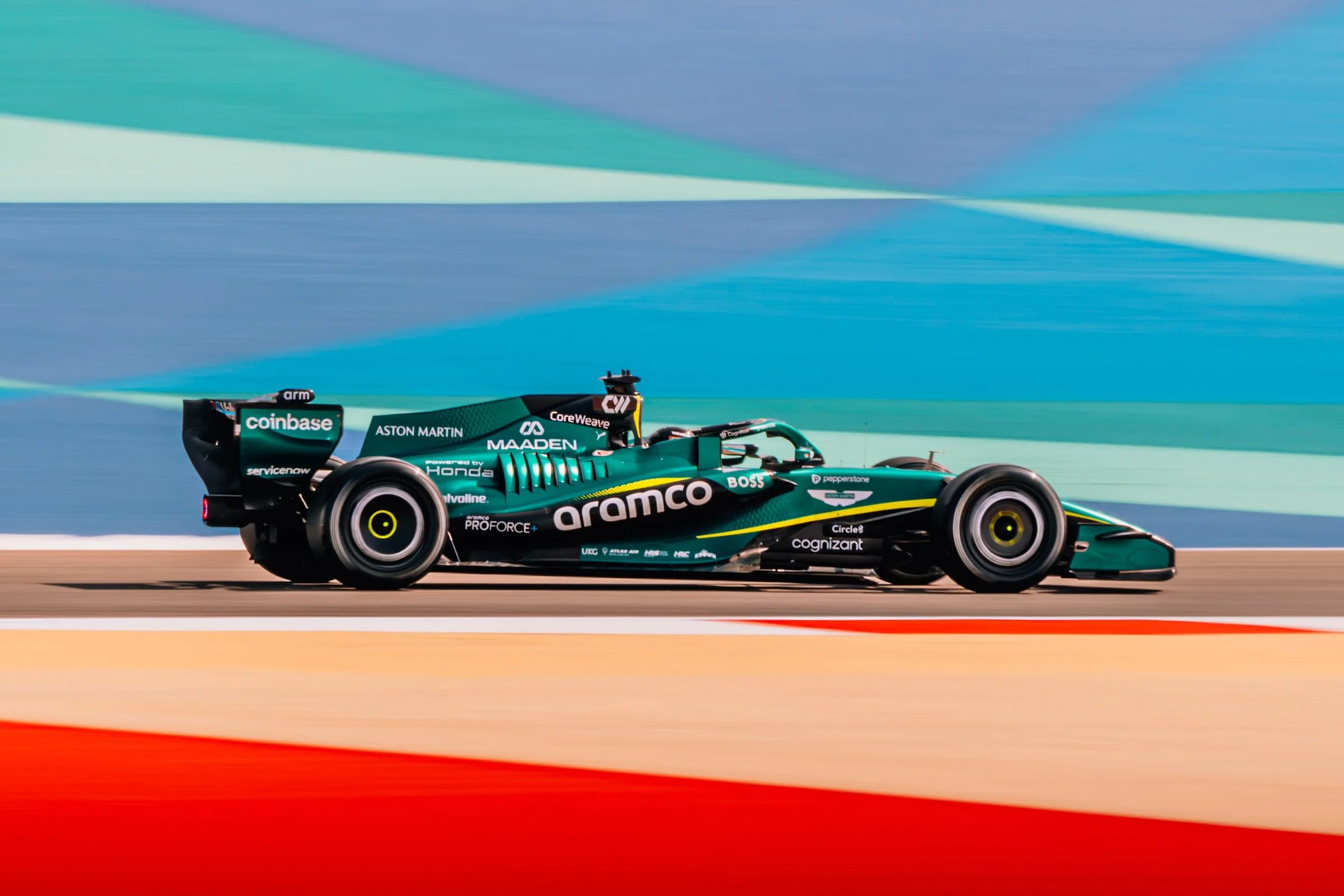
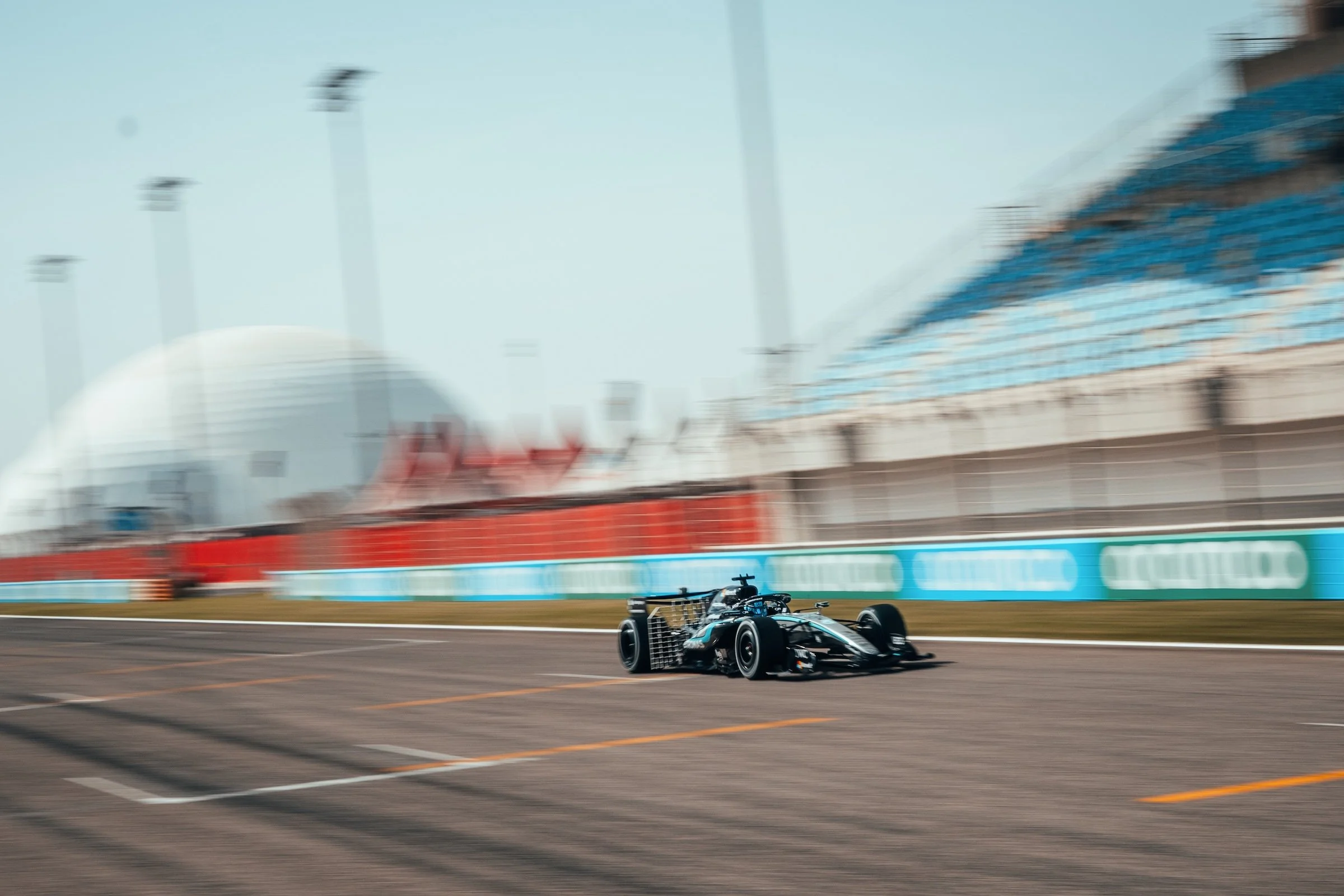
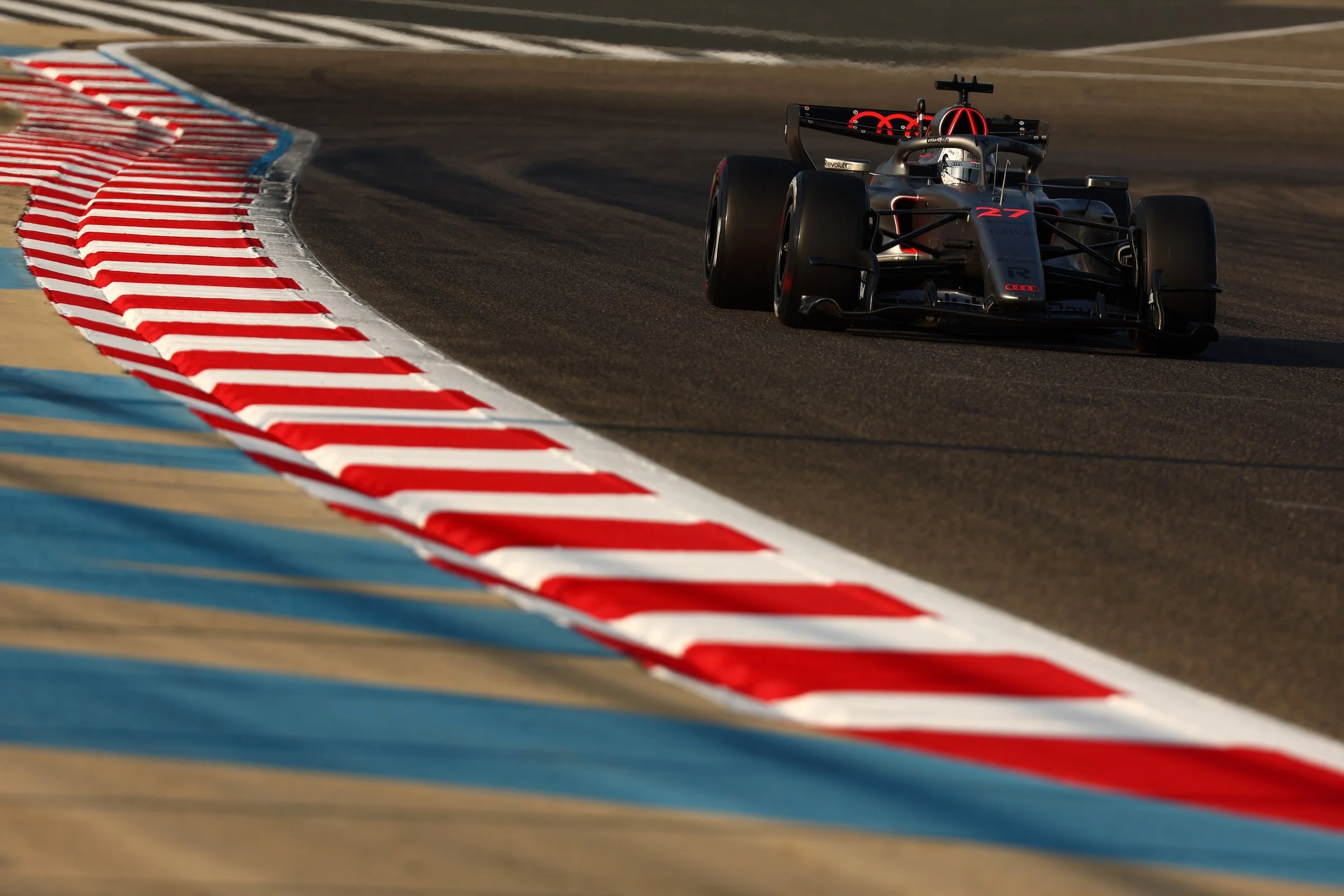
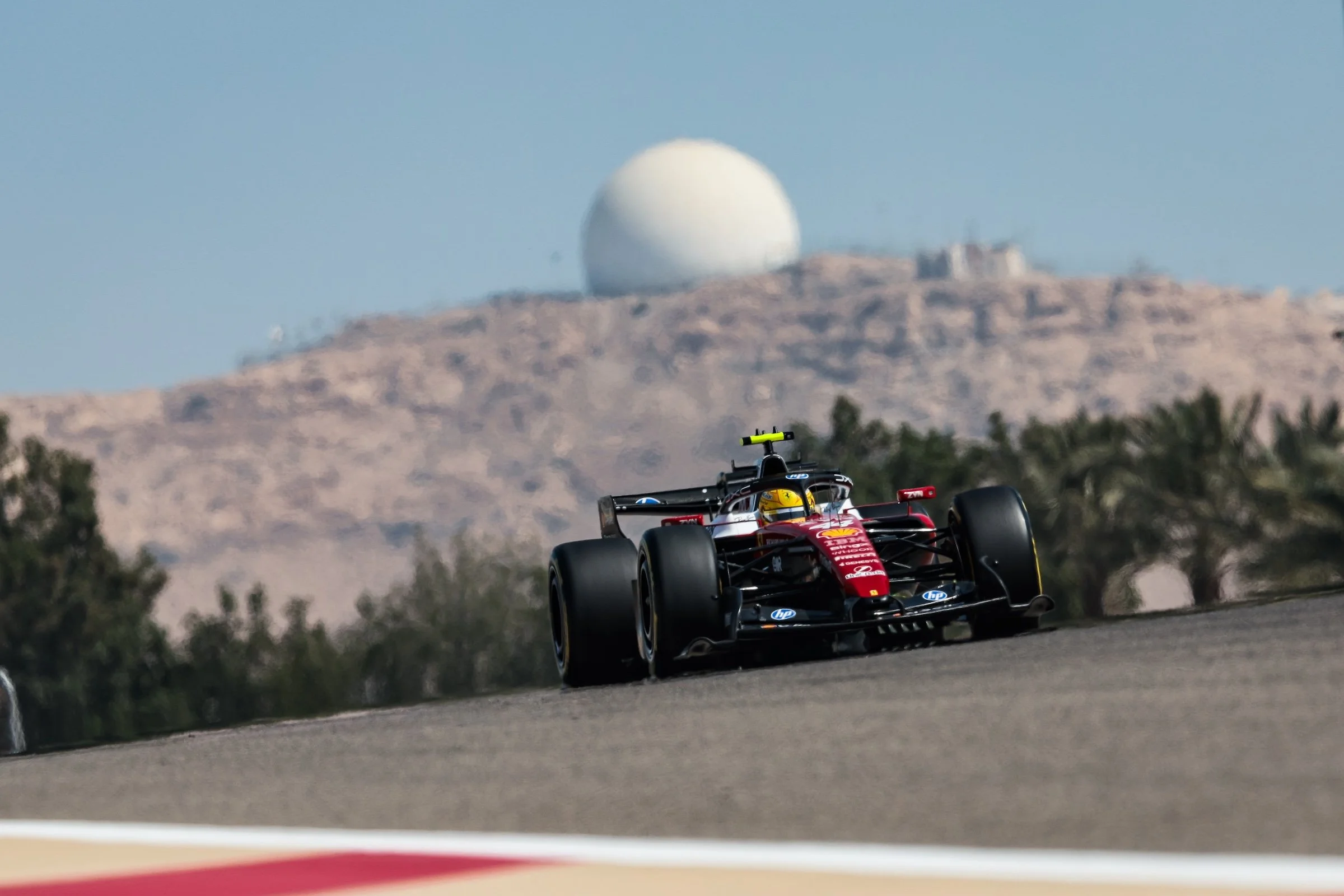
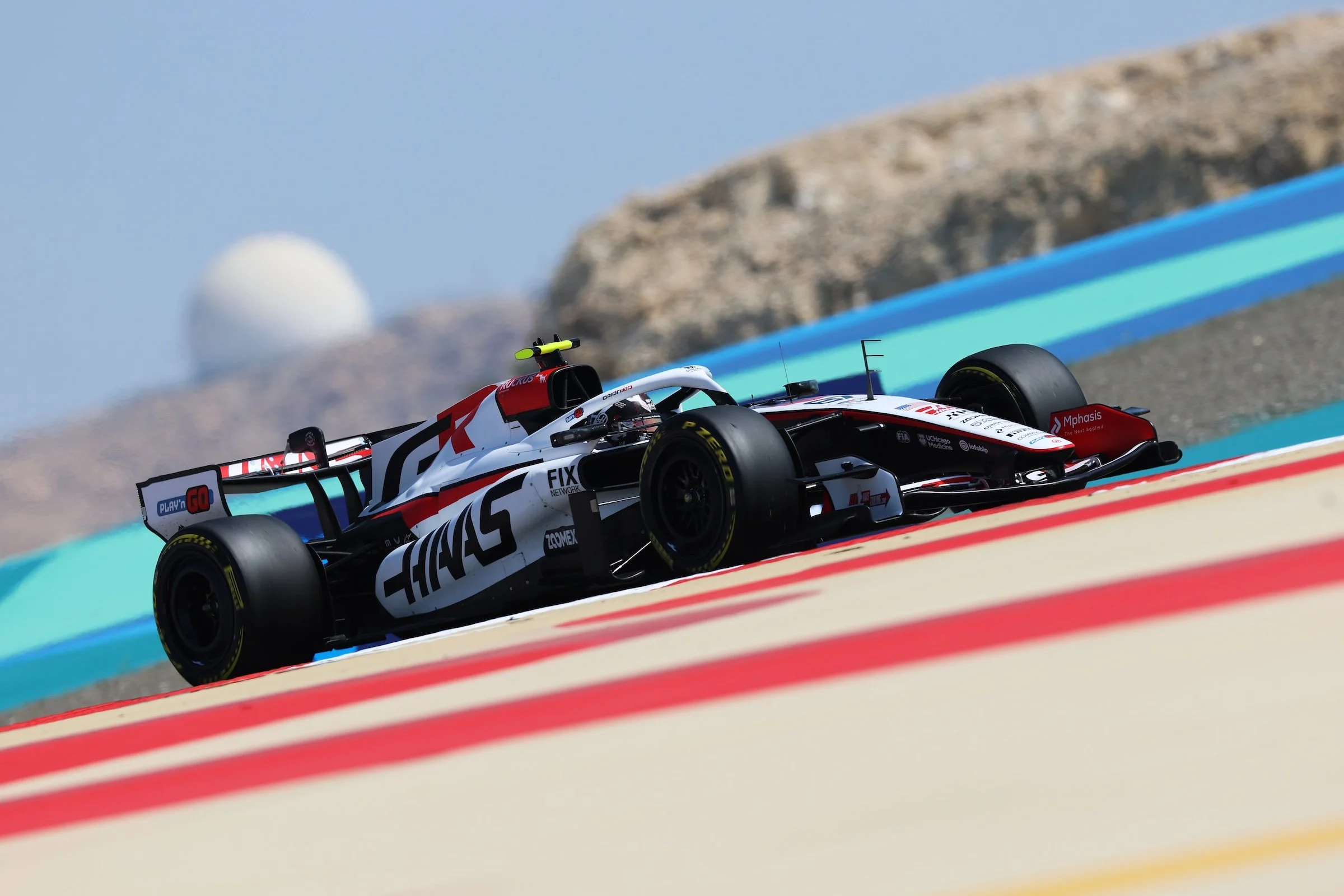
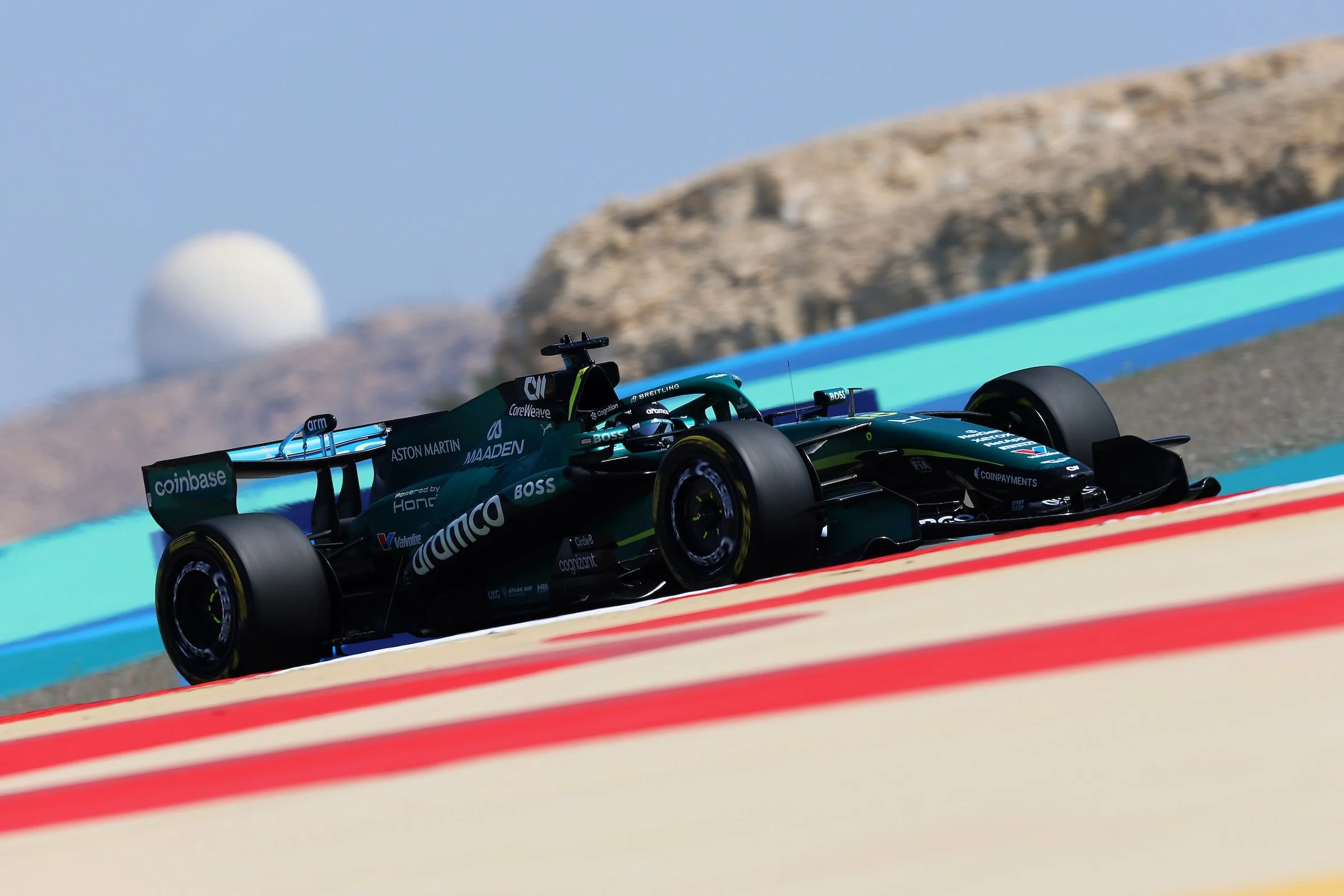
The 2026 Formula 1 season began not with fireworks, but with long runs, steady progress, and a few eye-catching lap times under the desert sun in Sakhir, Bahrain.
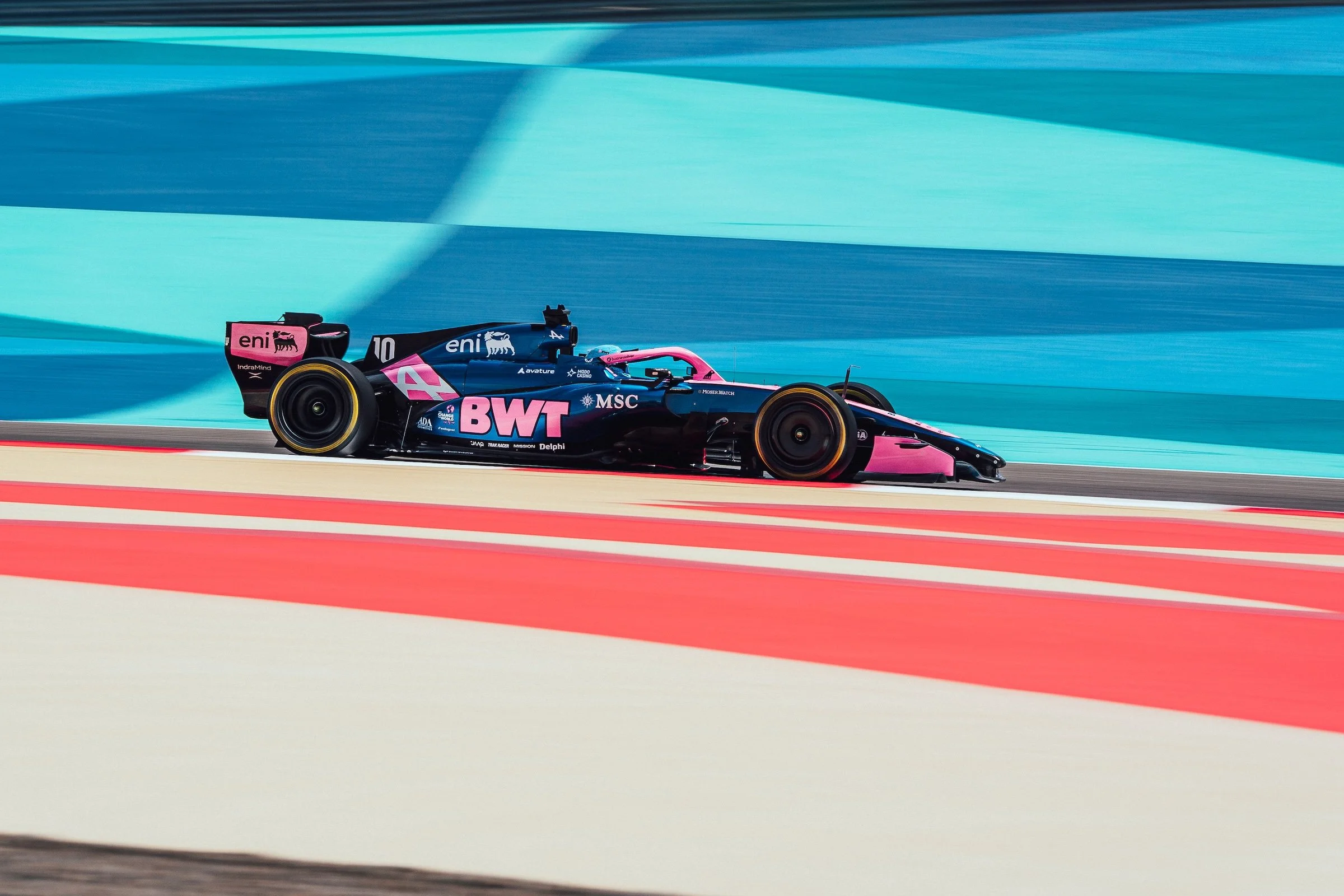
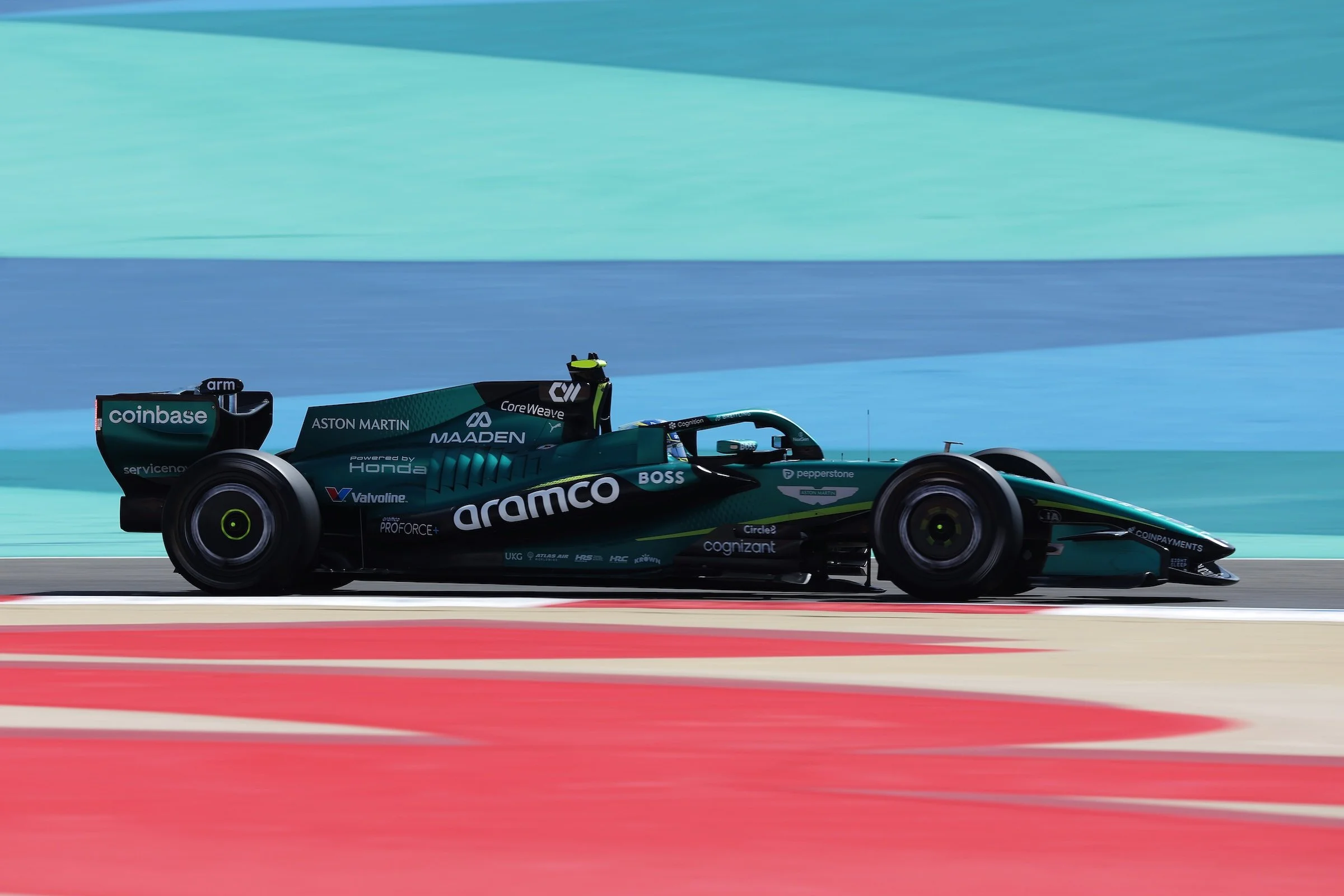
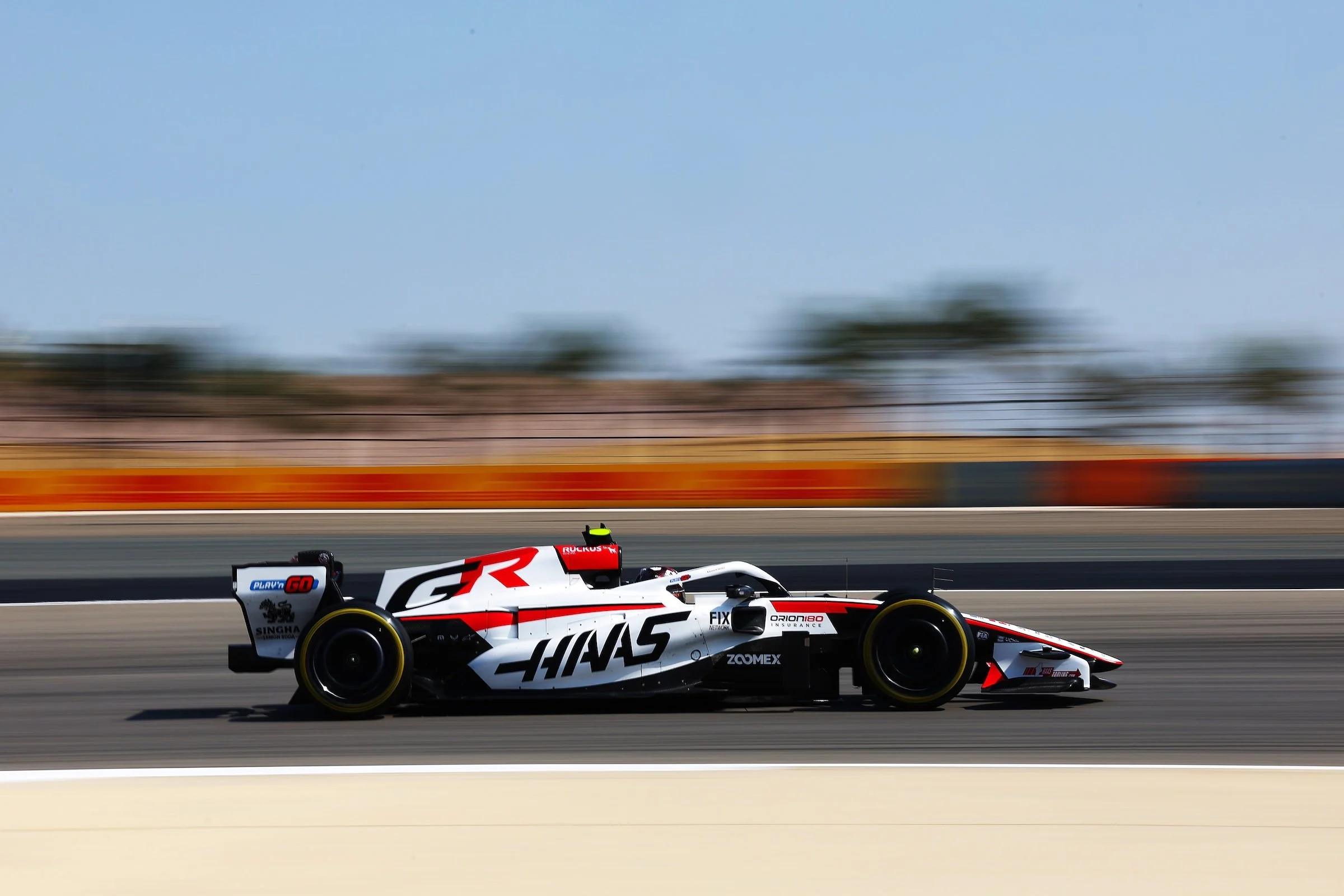
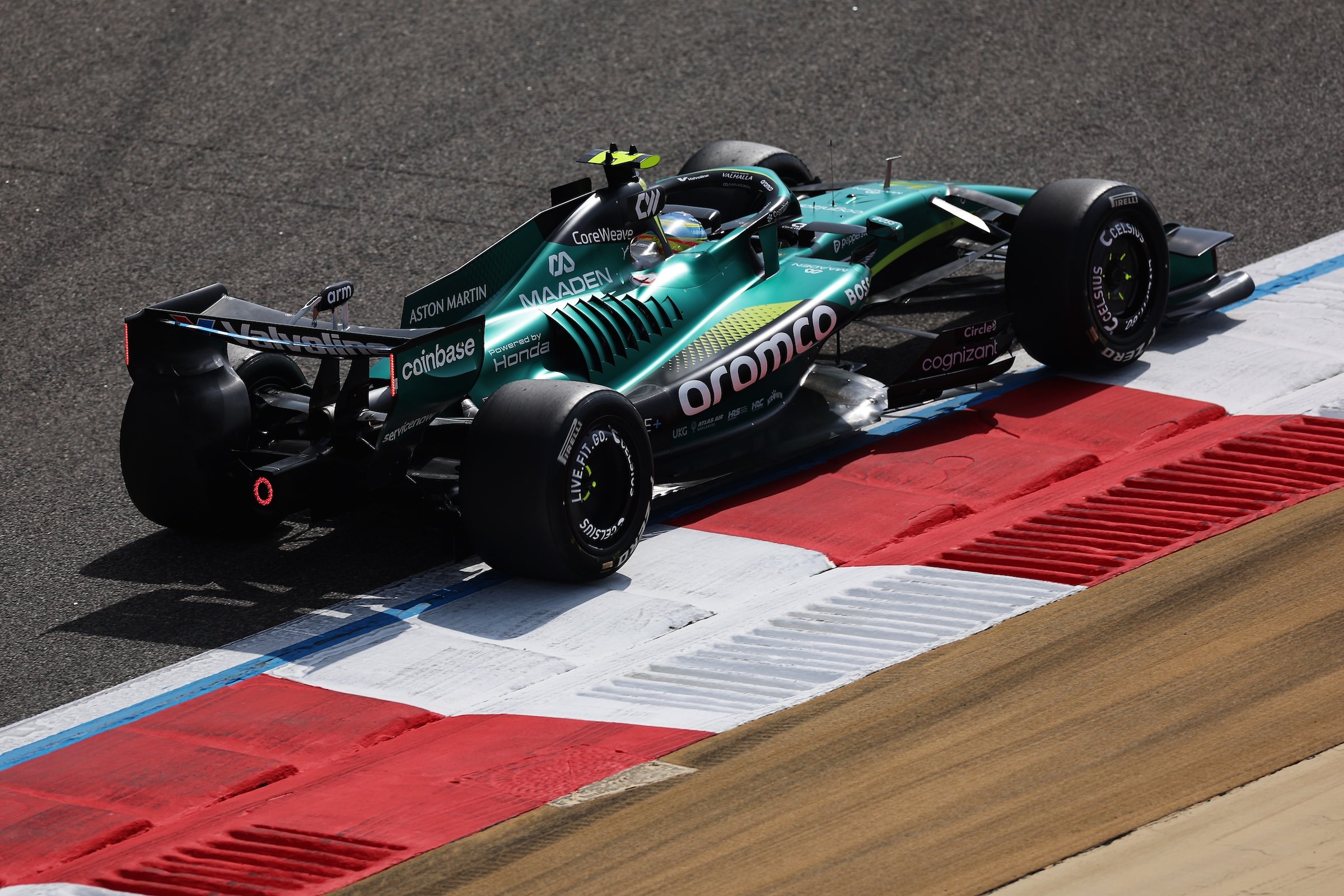
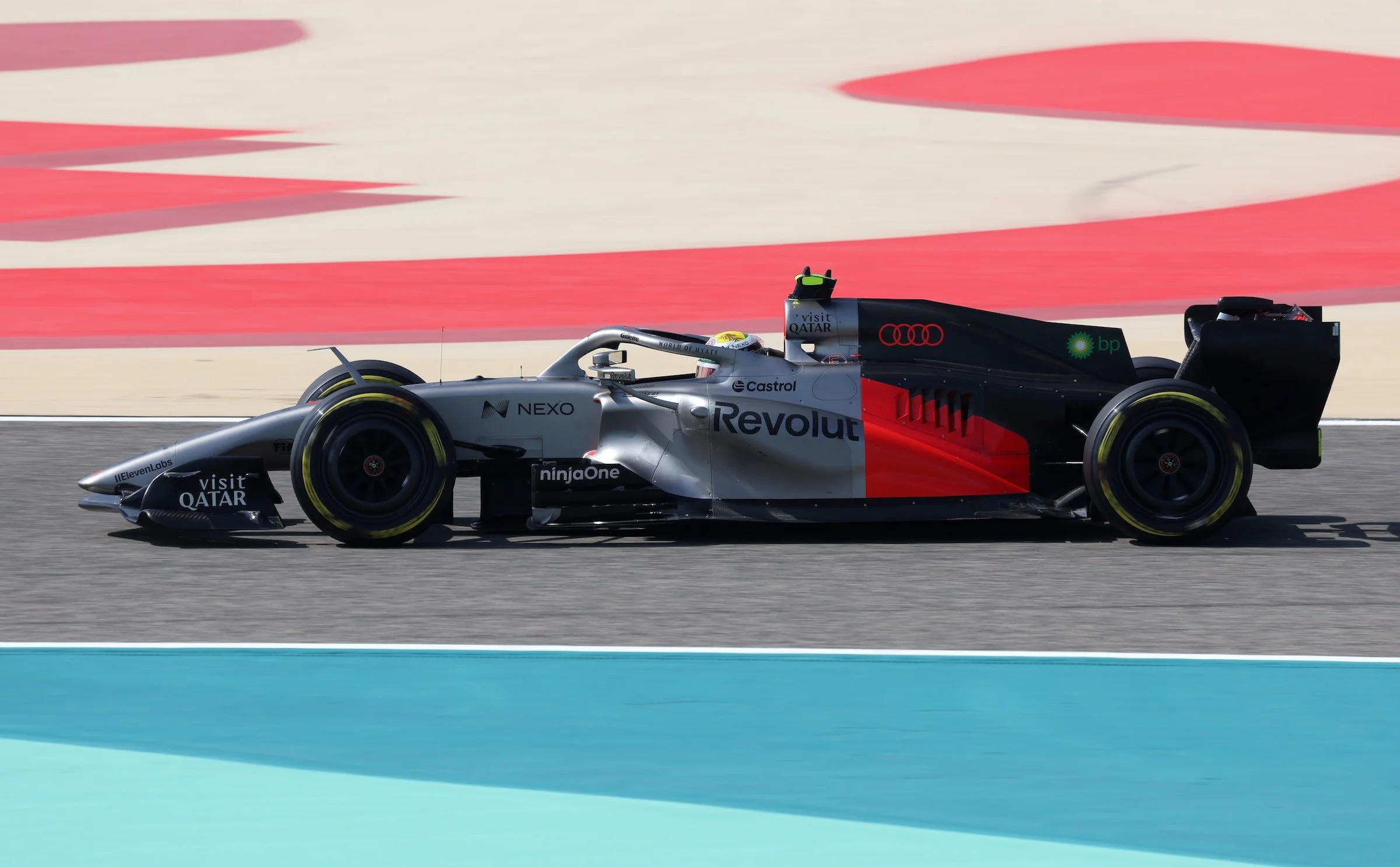
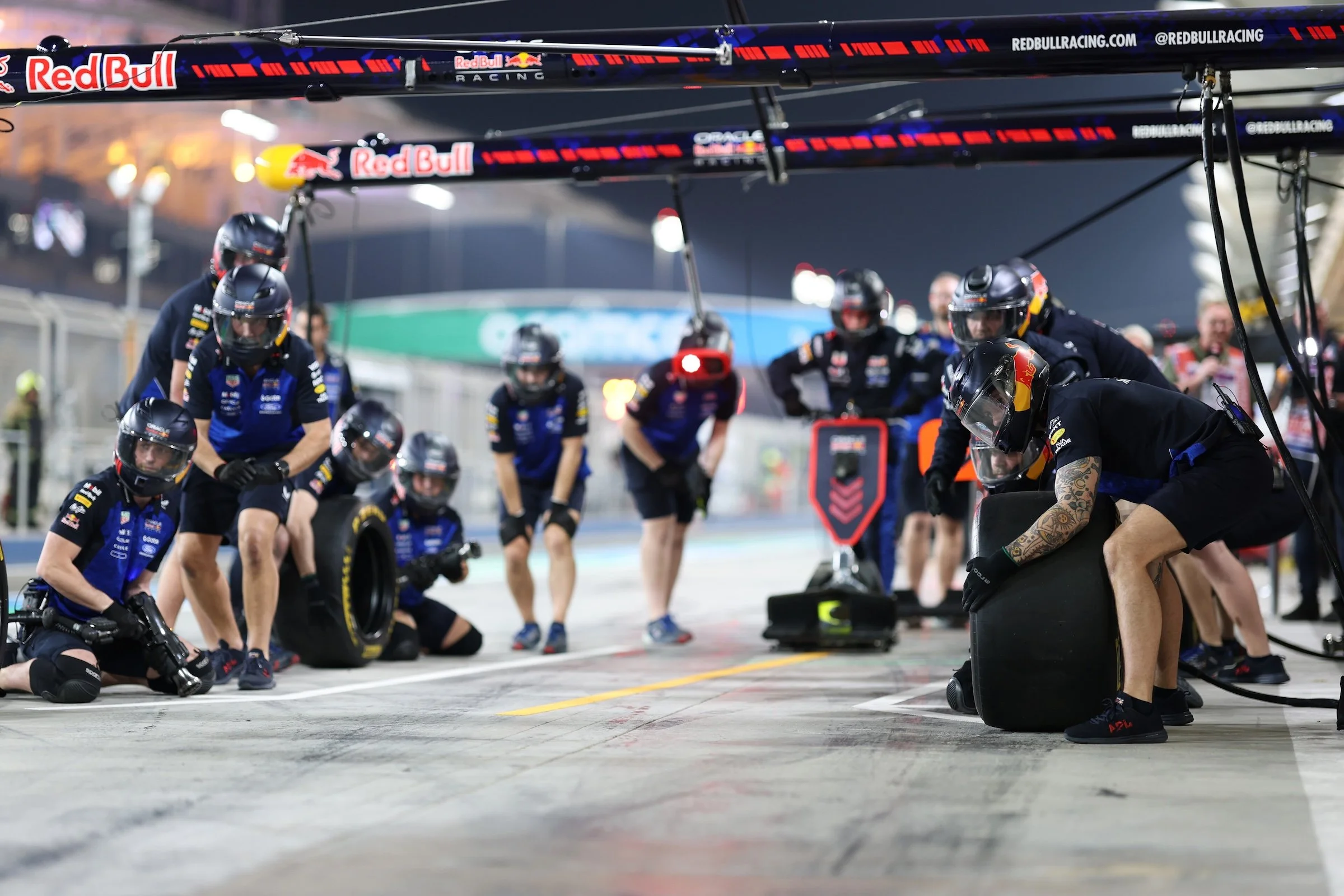
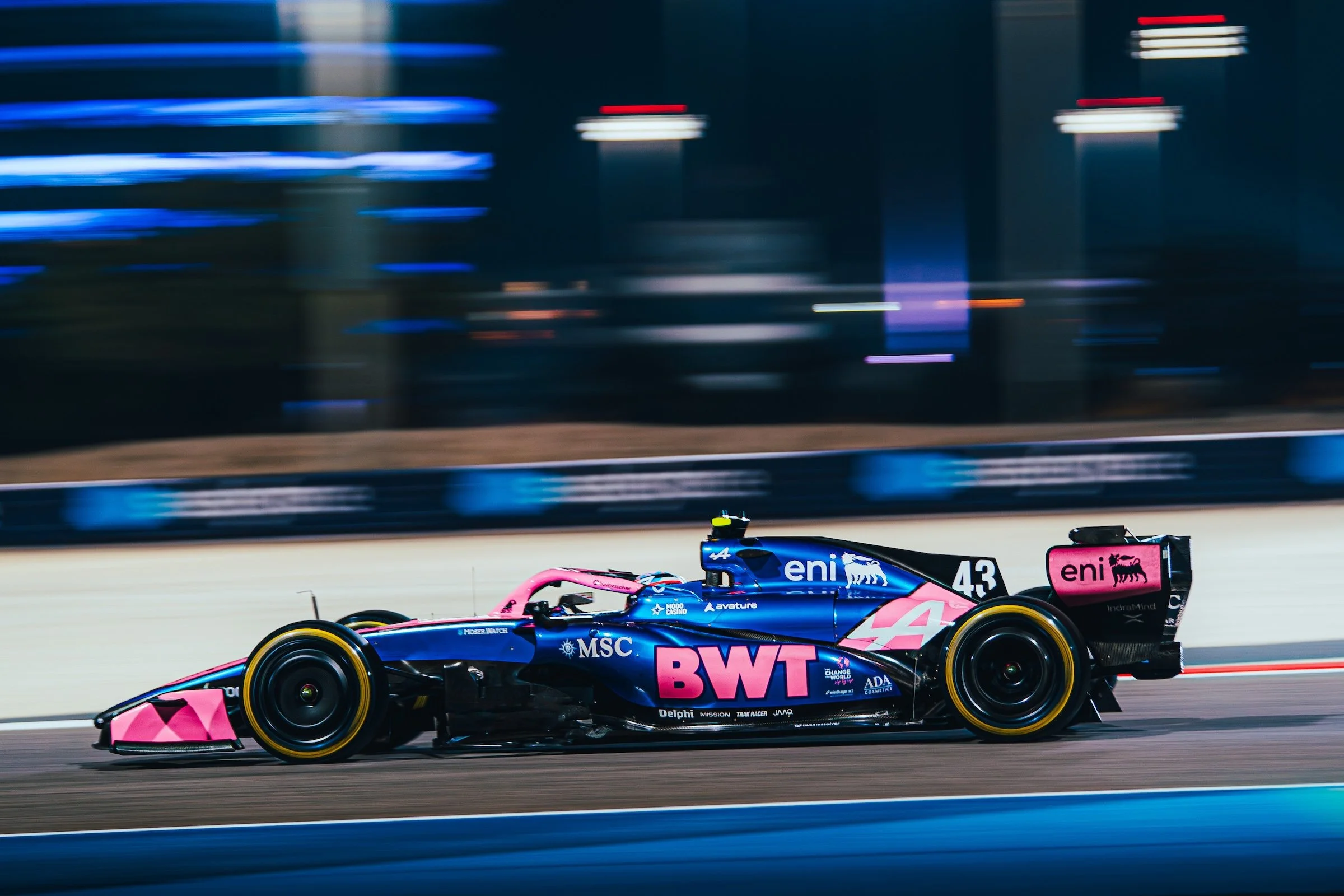
As always, tires were central to the story. Pirelli brings five slick compounds to the season, from C1 (hardest) to C5 (softest), but for this opening test only the three hardest—C1, C2, and C3—were available. The familiar color coding remains: white for Hard, yellow for Medium, red for Soft.
Day 1 – Norris sets the pace
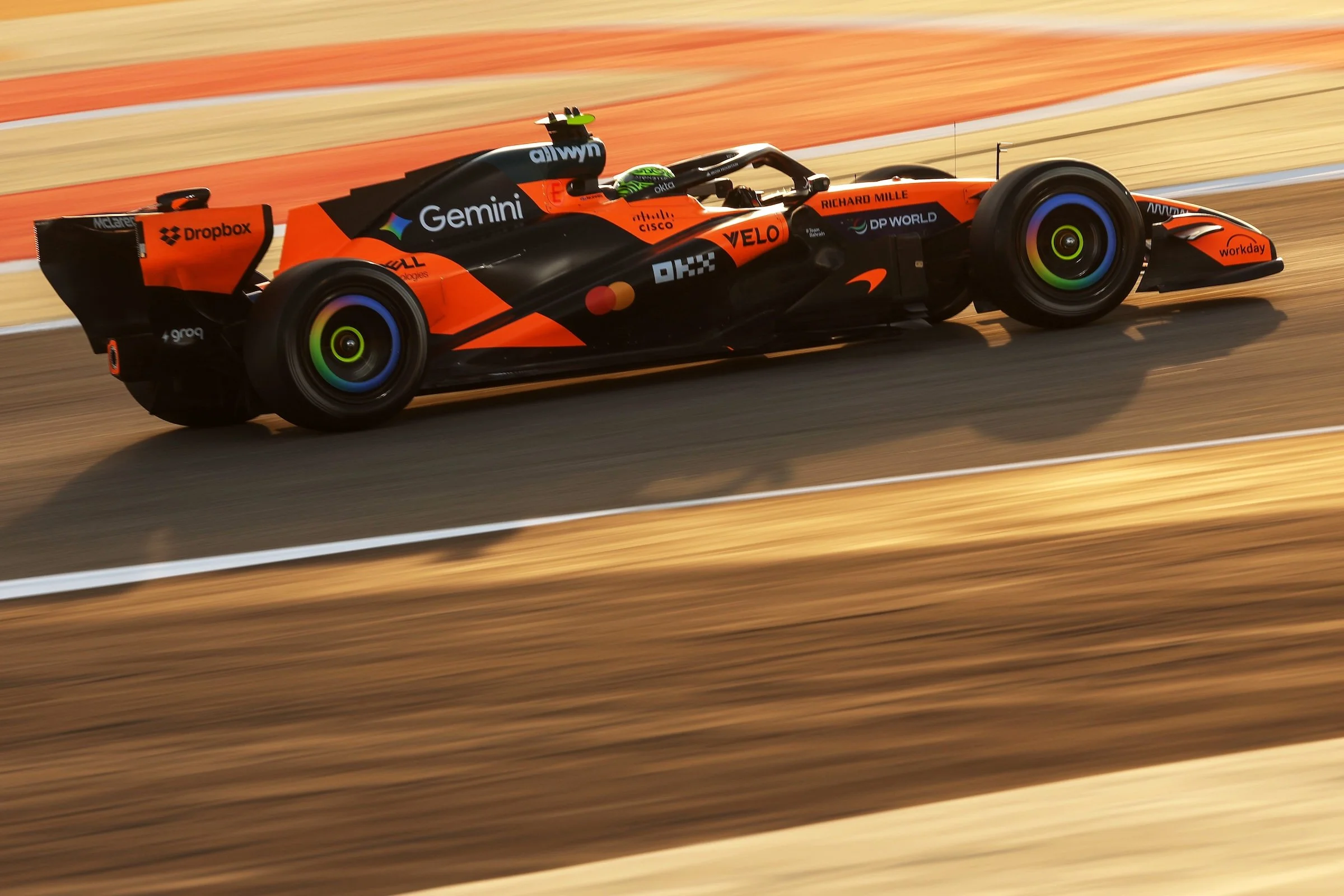
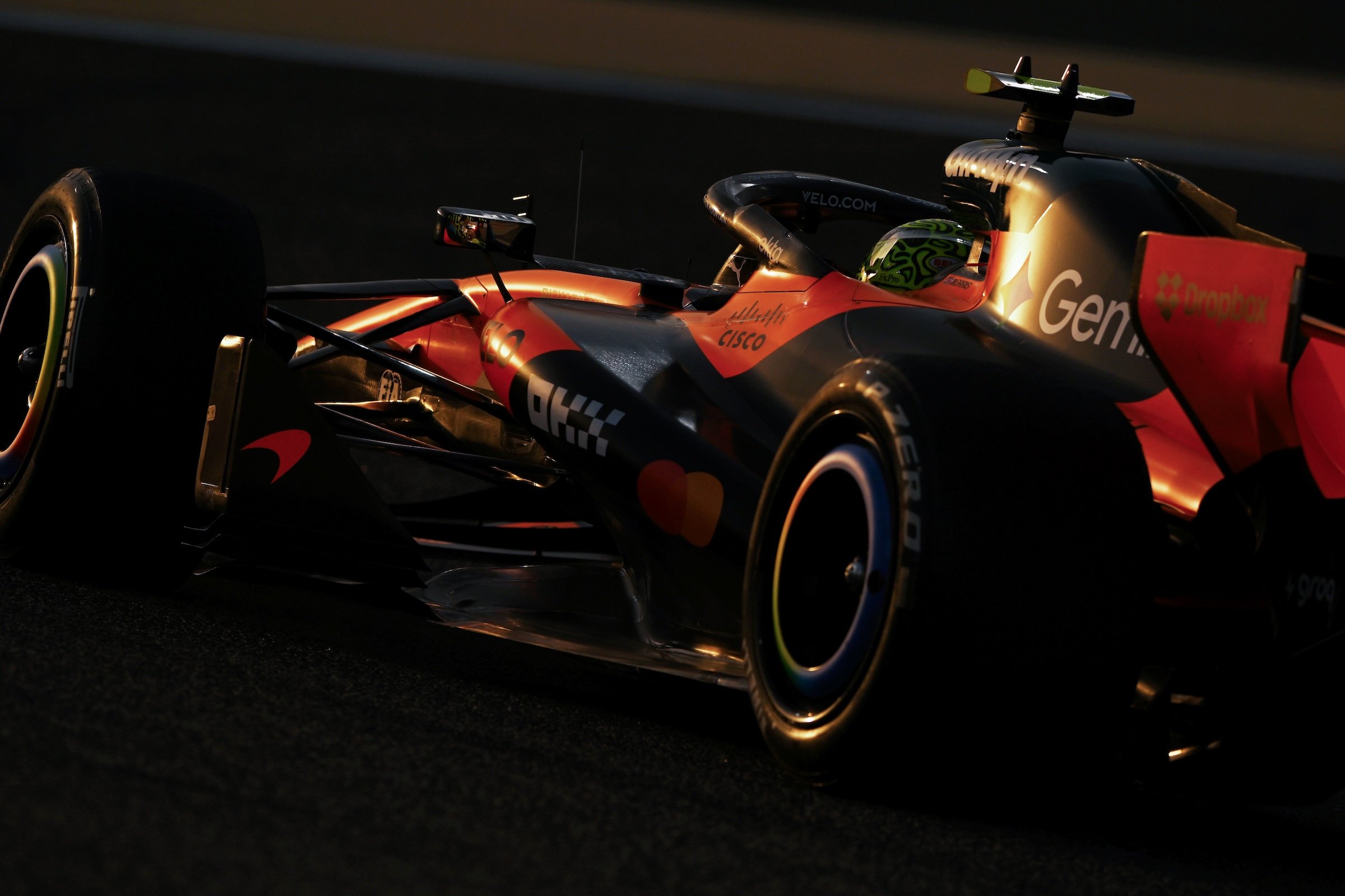
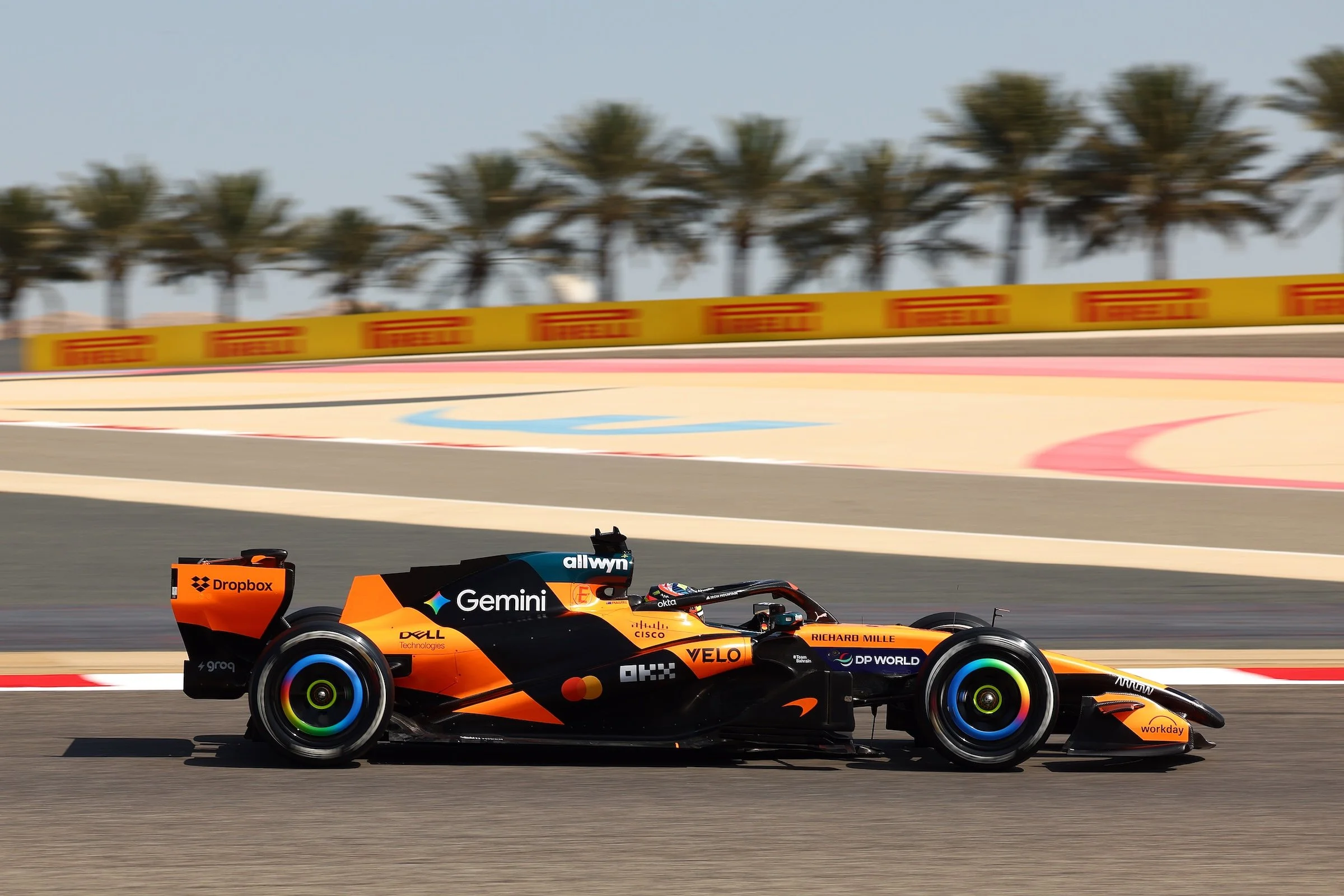
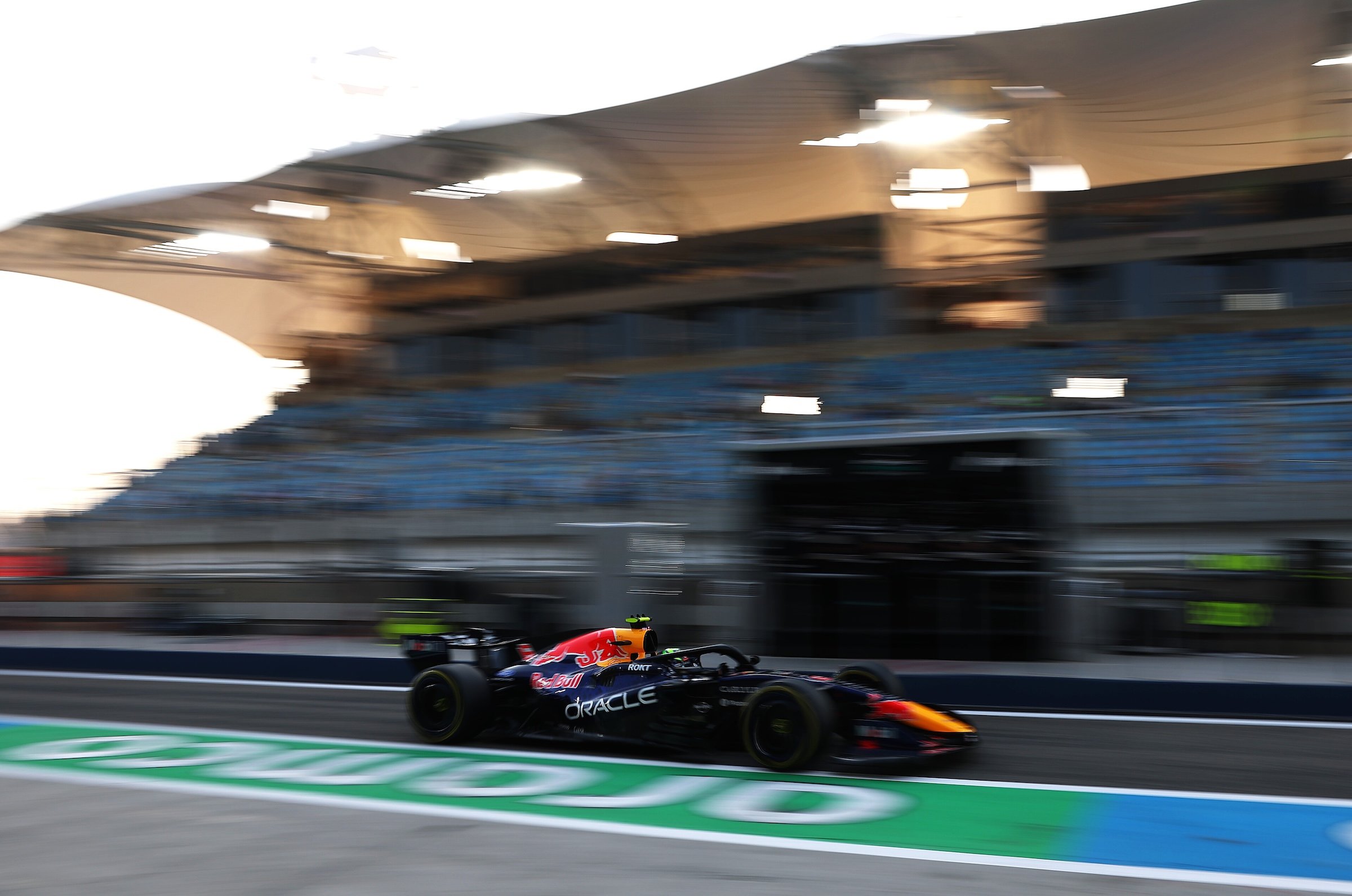
Lando Norris put McLaren on top of the timesheets on the opening day, clocking a 1:34.669 on the C2 compound.
Eighteen drivers took part in a session marked by unusually warm conditions for this time of year. Air temperatures ranged from 77°F to 90°F (25–32°C), far warmer than last season’s test in nearby Manama, when highs barely reached 59°F (15°C). Track temperatures climbed as high as 109°F (43°C), adding another layer to the teams’ workload.
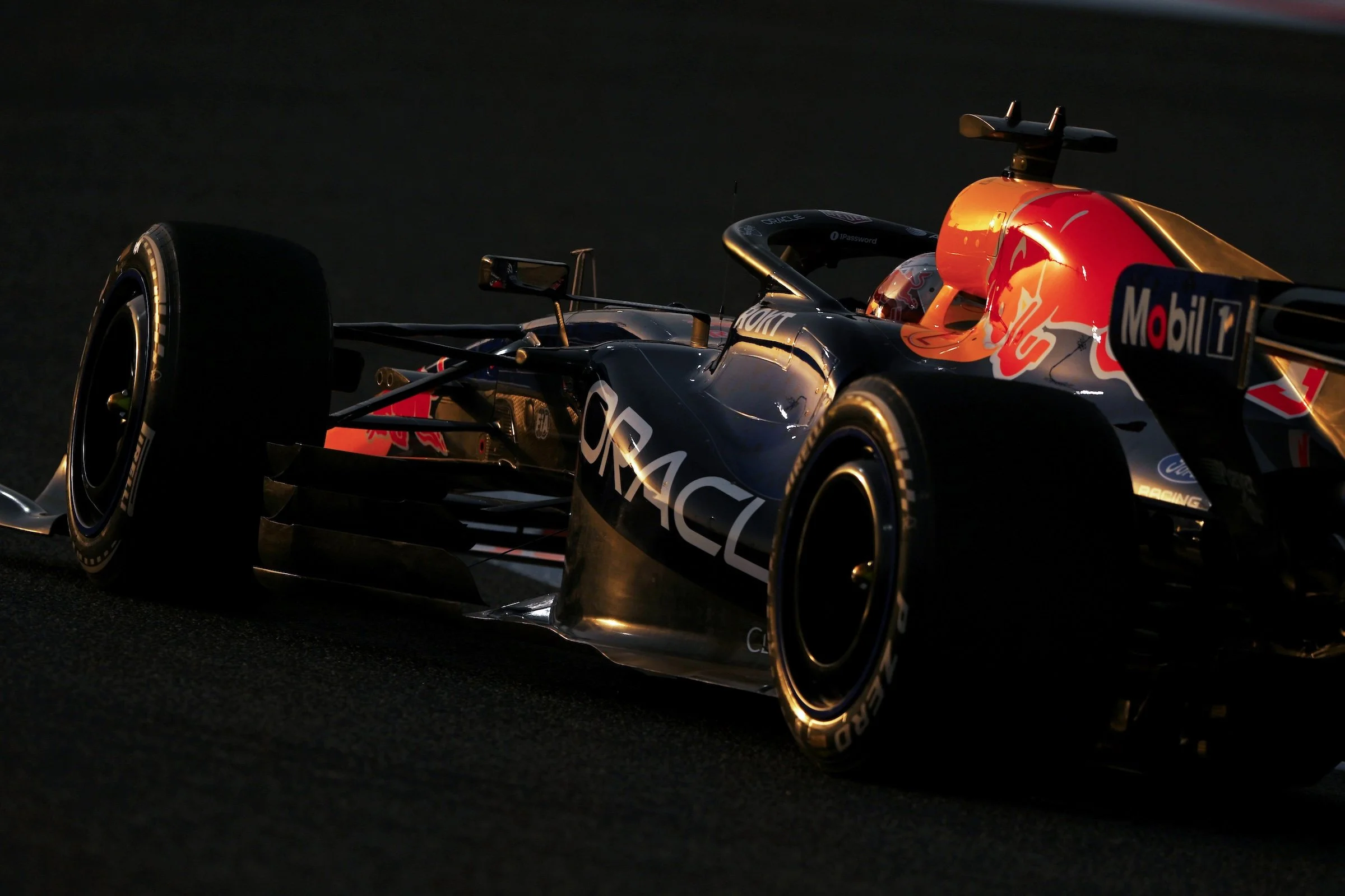
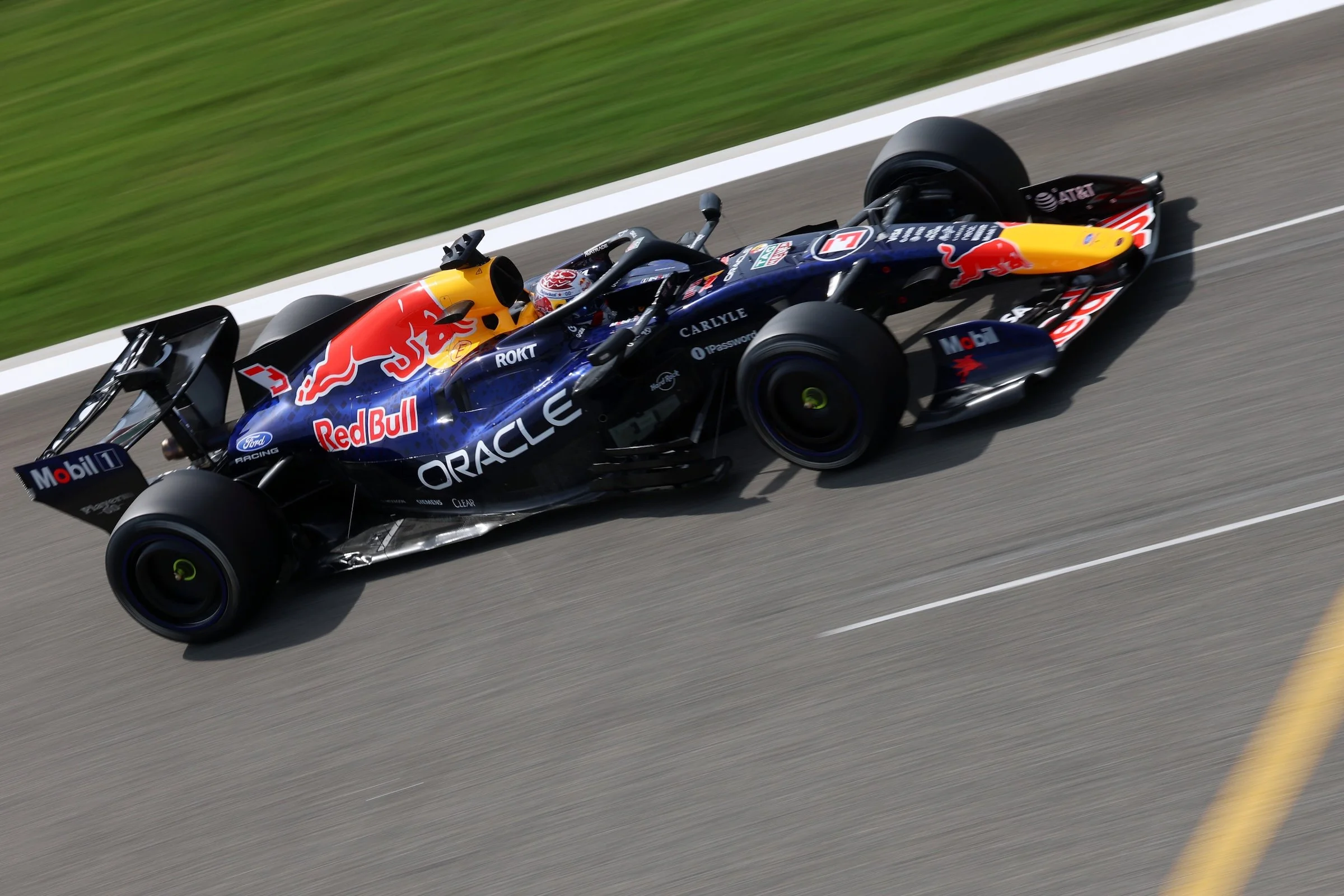
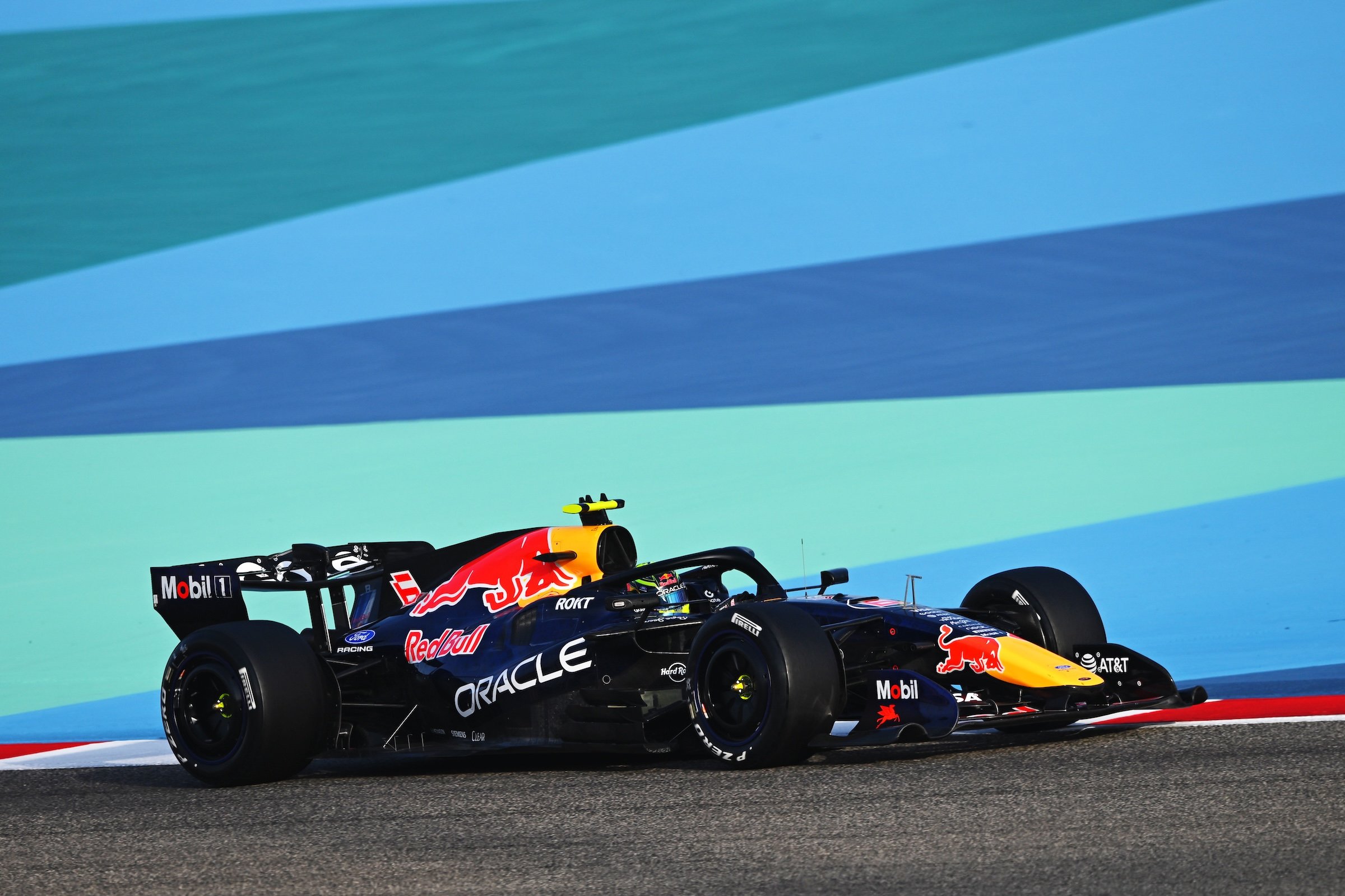
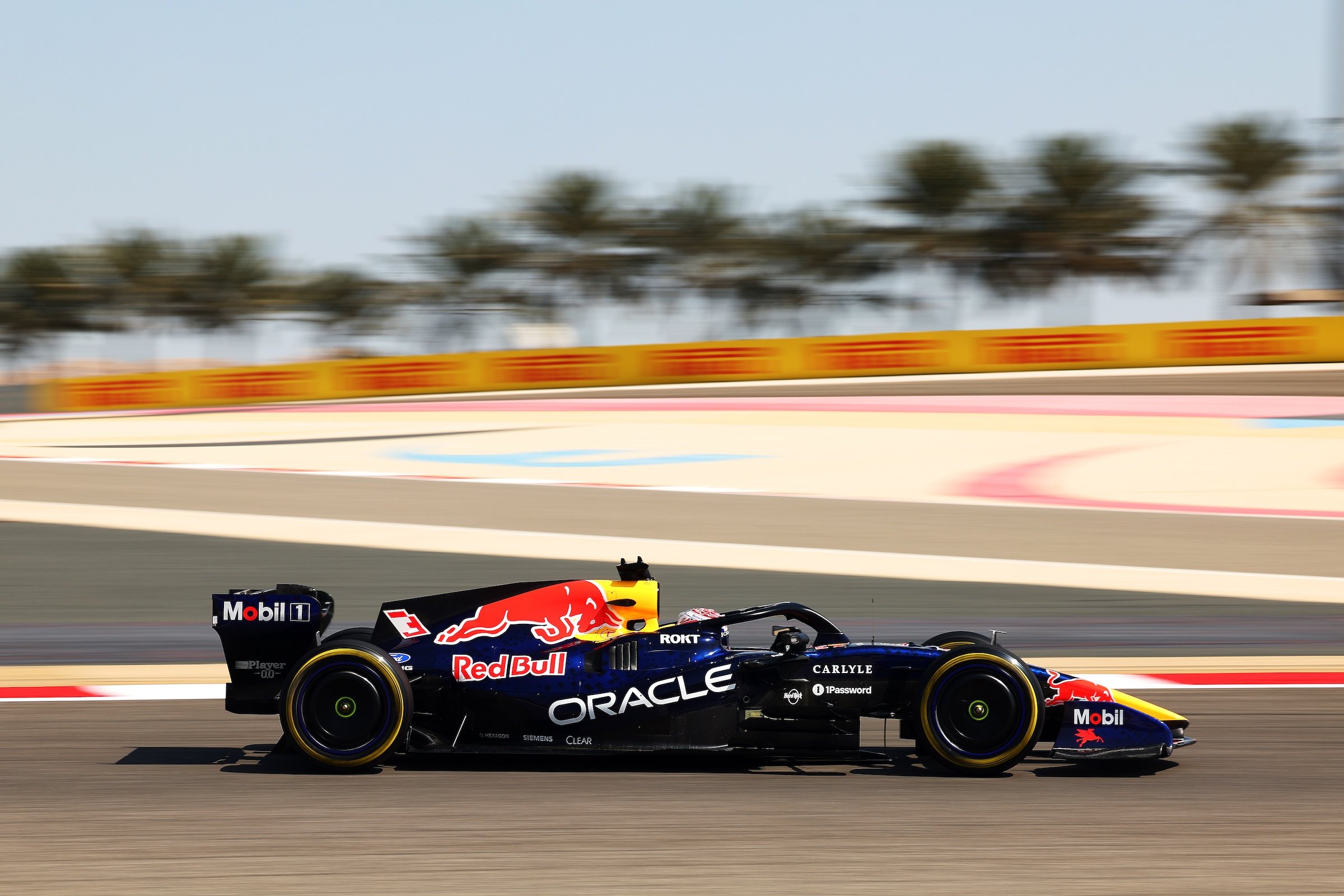
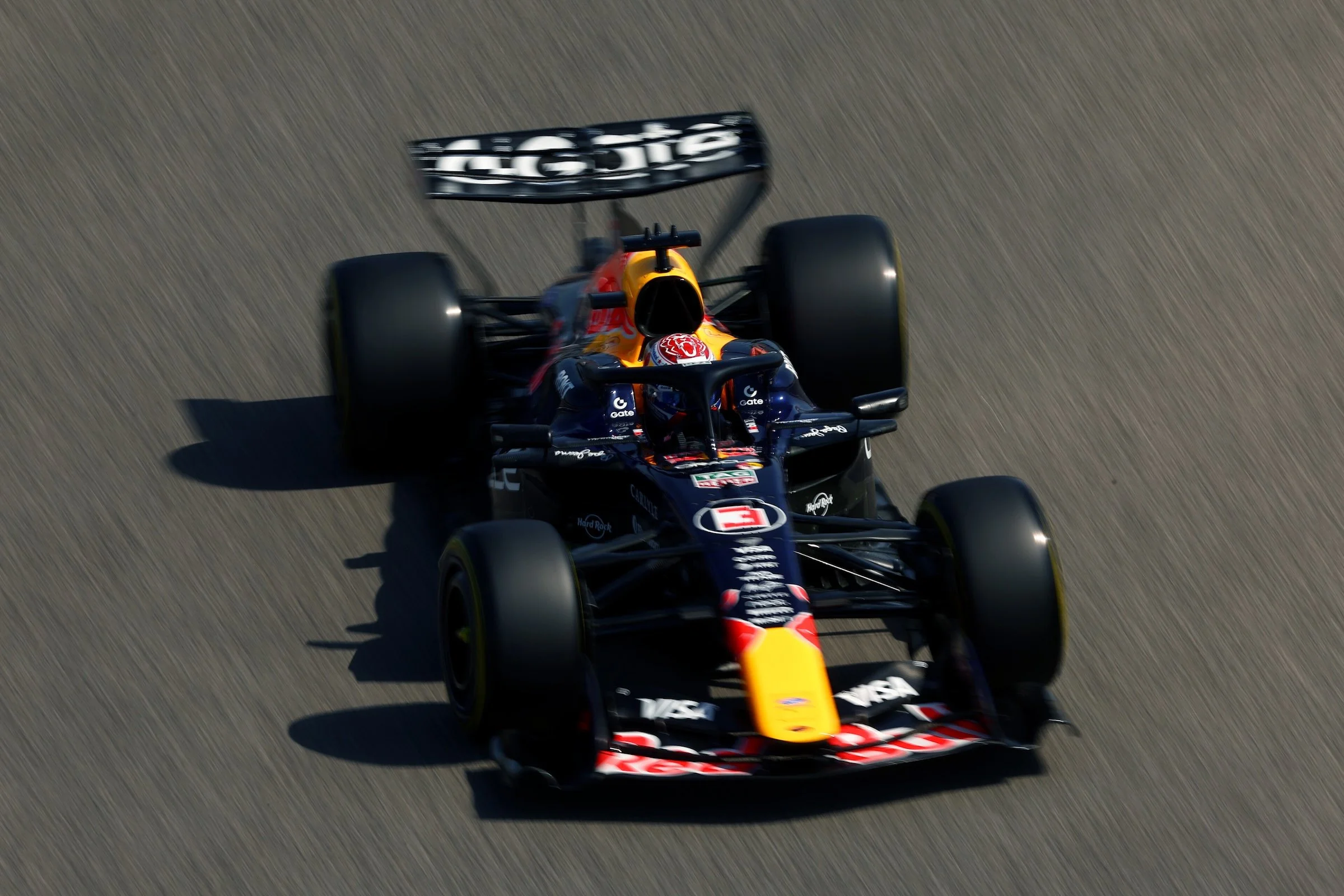
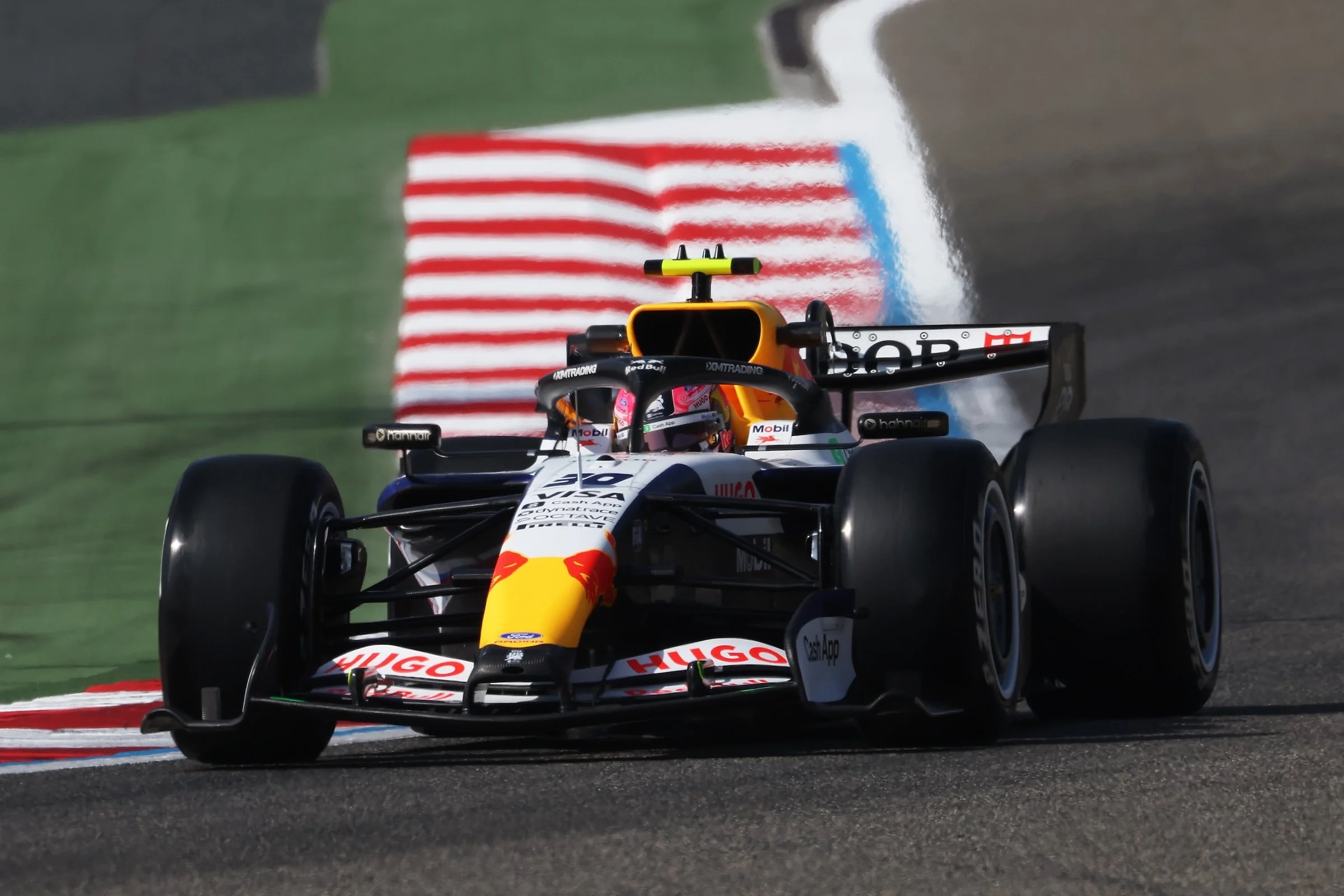
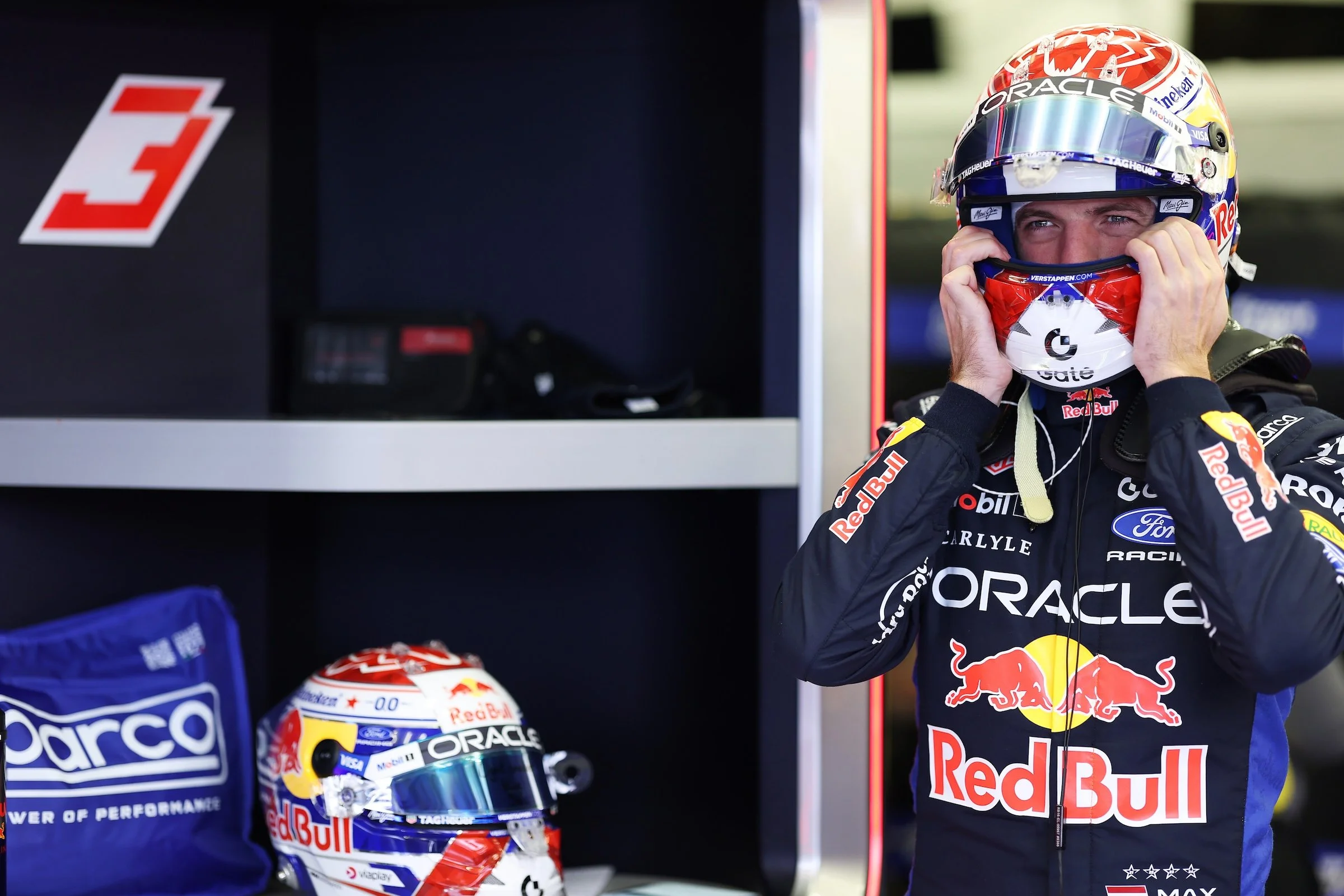
Behind Norris, both running the softer C3 compound, were Max Verstappen (Red Bull Racing), just 0.129 seconds back, and Charles Leclerc (Ferrari), 0.521 seconds off the pace. Verstappen also posted the fastest lap on the hardest C1 tire, a 1:35.631.
Across eight hours of running, teams logged 3,842 miles (6,183 km)—a solid start to the year, with reliability already under the microscope.
Day 2 – Leclerc responds
On Day 2, it was Ferrari’s turn to lead.
Charles Leclerc lowered Norris’s benchmark by three tenths, setting a 1:34.273 on the C3 compound. Norris finished second, 0.511 seconds behind, and once again showed consistency by recording the quickest time on C1, a 1:35.795.
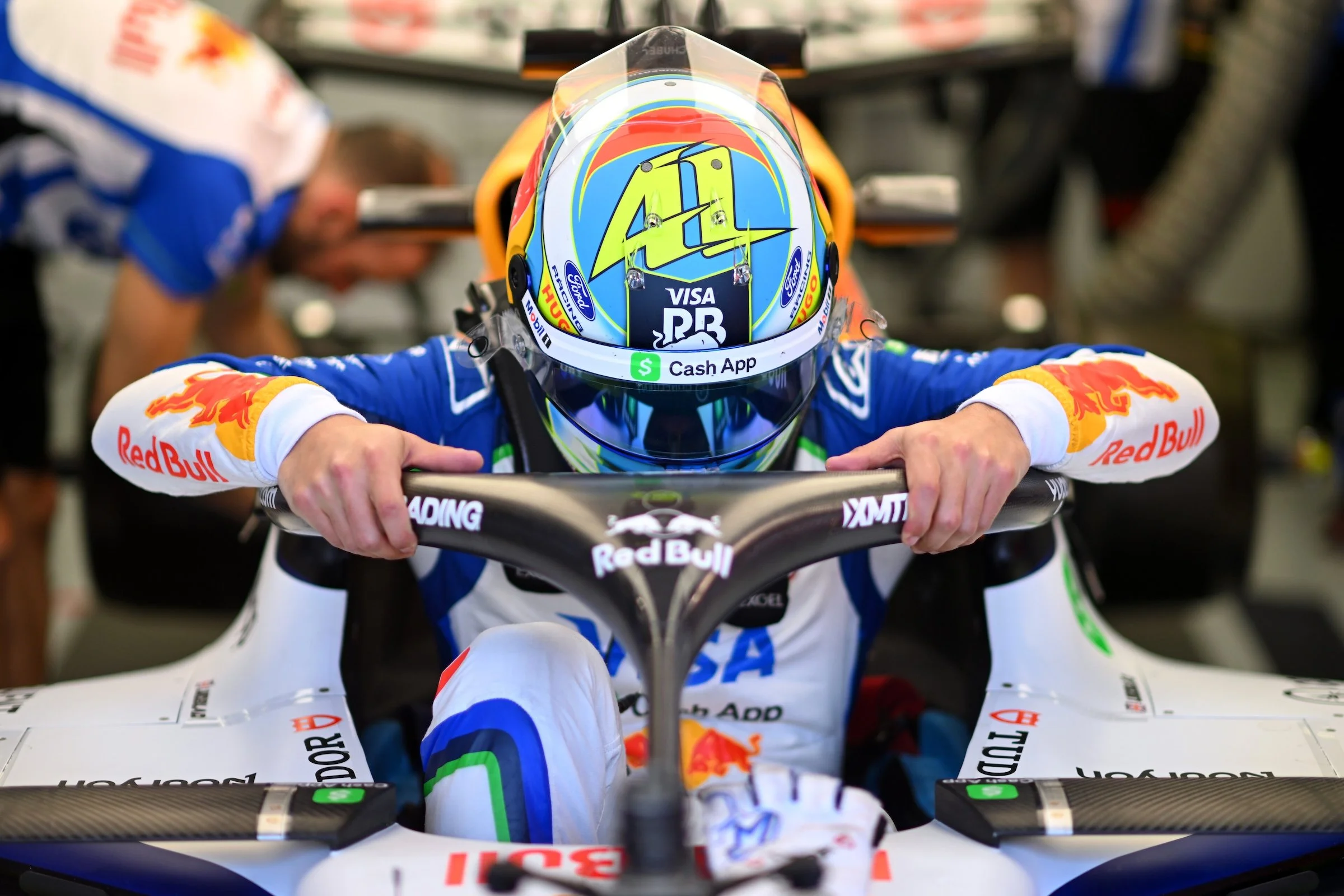
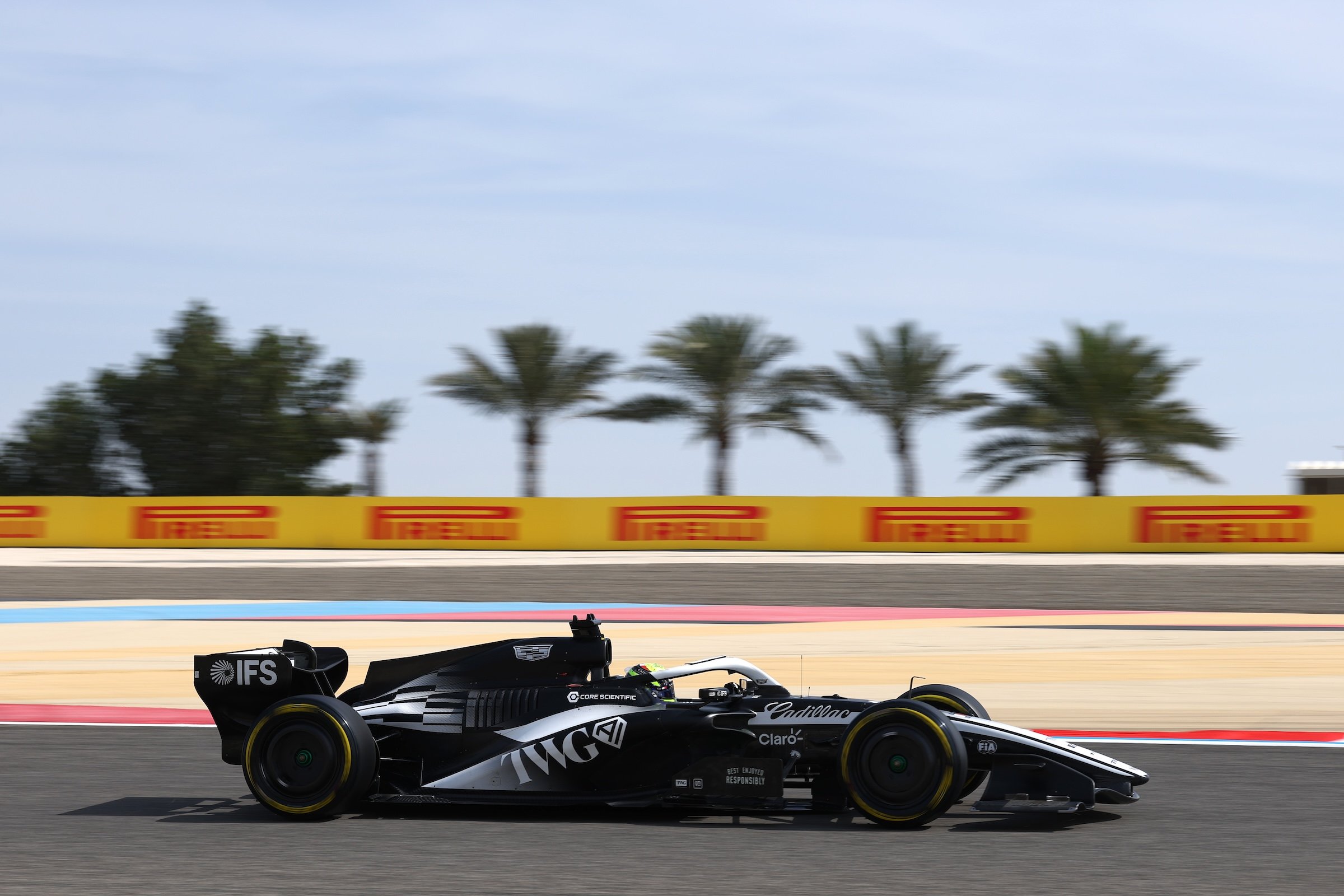
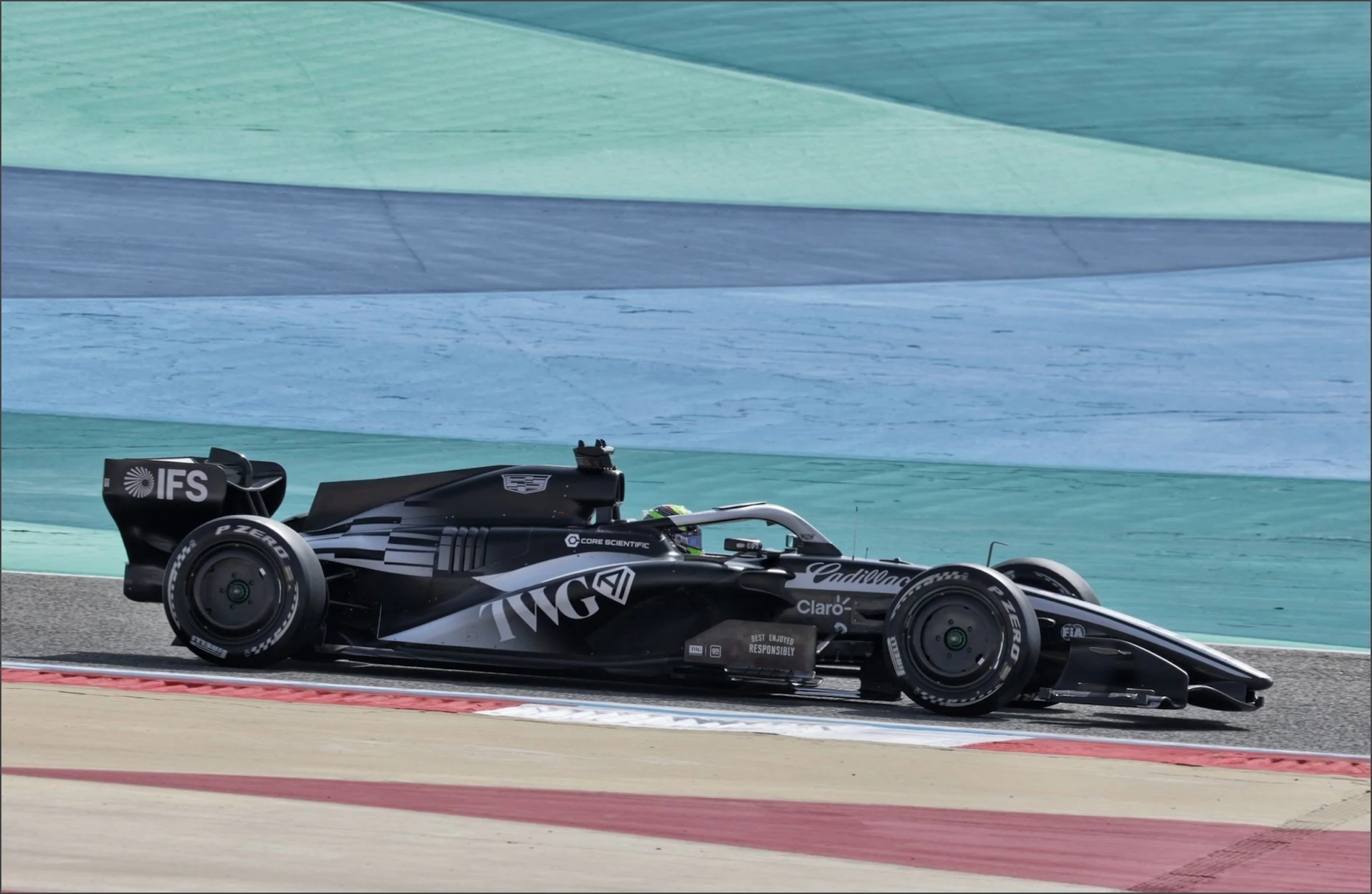
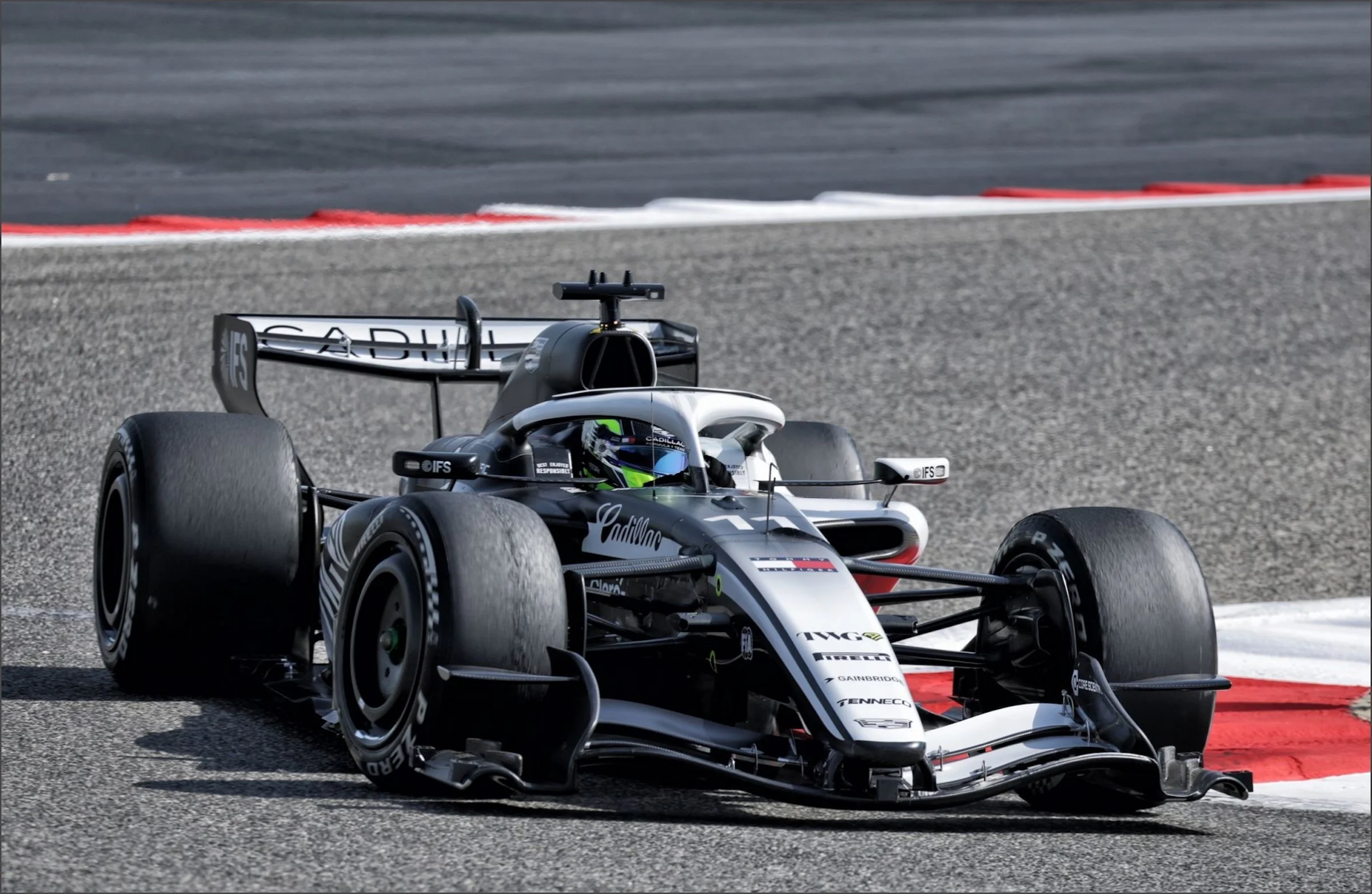
While headline lap times draw attention, much of the day was devoted to setup work and longer runs. Several stints hinted at early race simulations. Racing Bulls completed a 22-lap run on C1, Cadillac Formula 1 Team managed 19 laps on C2, and Ferrari also strung together 19 laps on C3.
Conditions remained steady, with air temperatures between 75°F and 90°F (24–32°C) and track temperatures peaking near 108°F (42°C). Consistency in weather gave teams clean data—something engineers value more than a headline time.
Day 3 – Mercedes closes strong
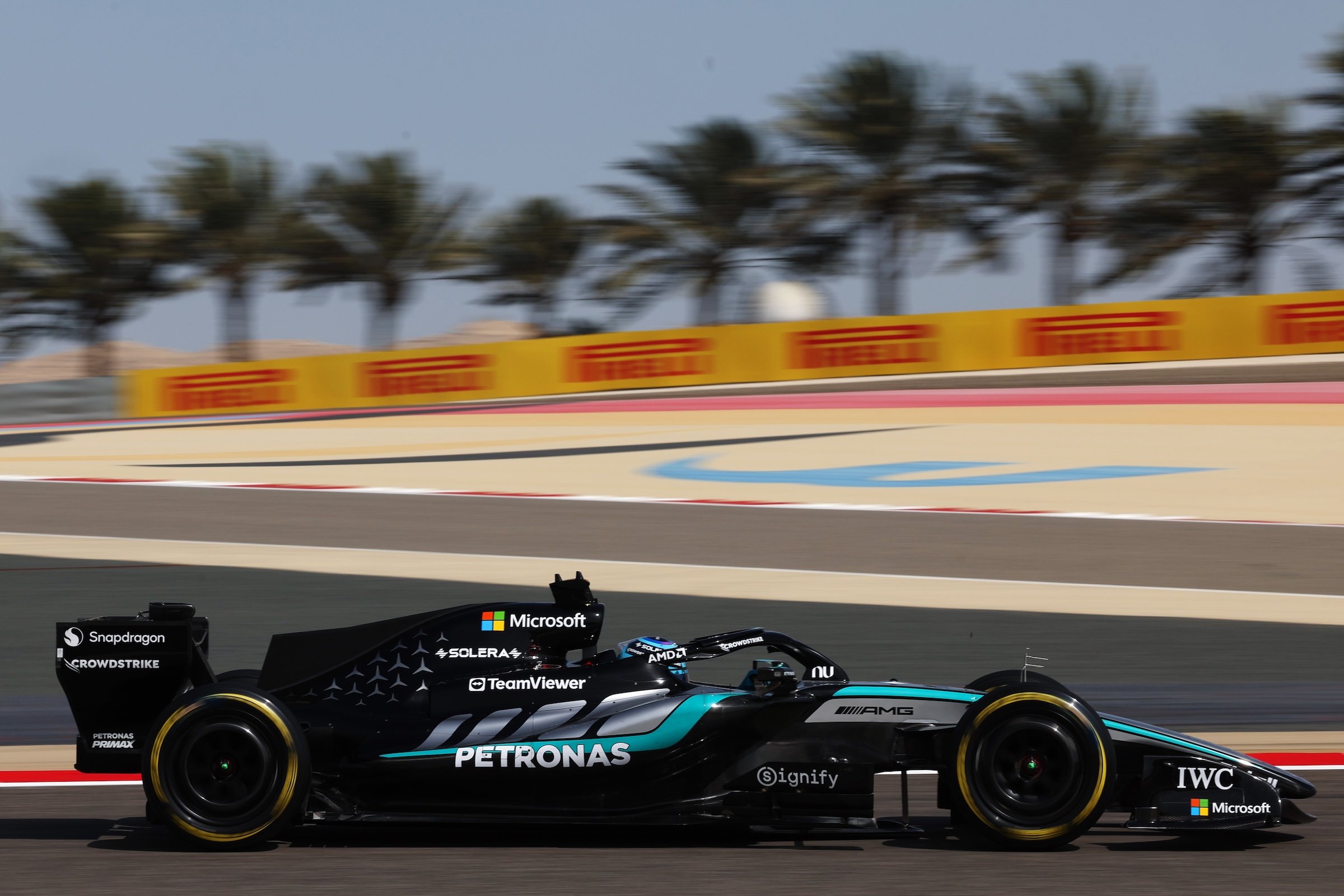
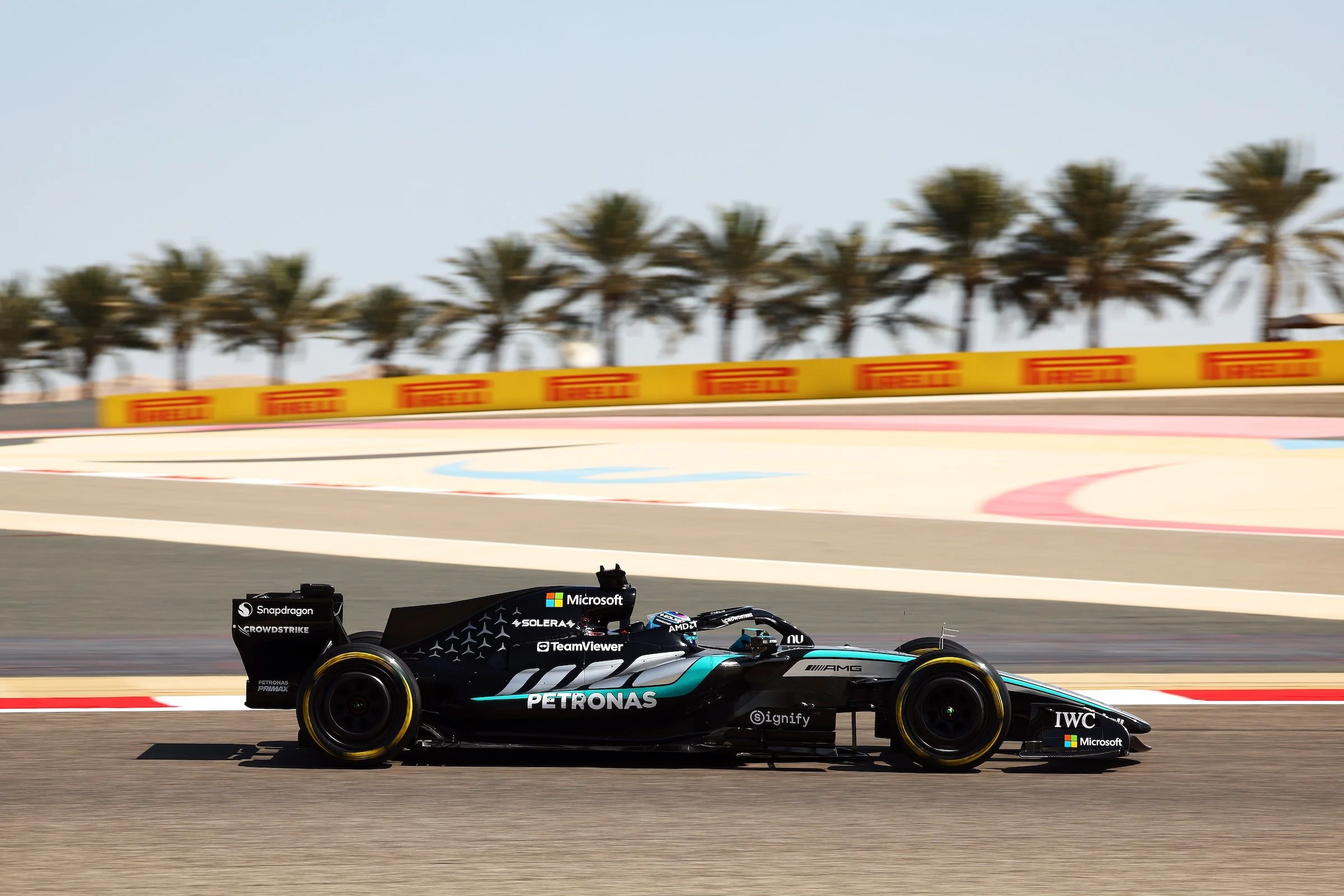
The final day belonged to Mercedes.
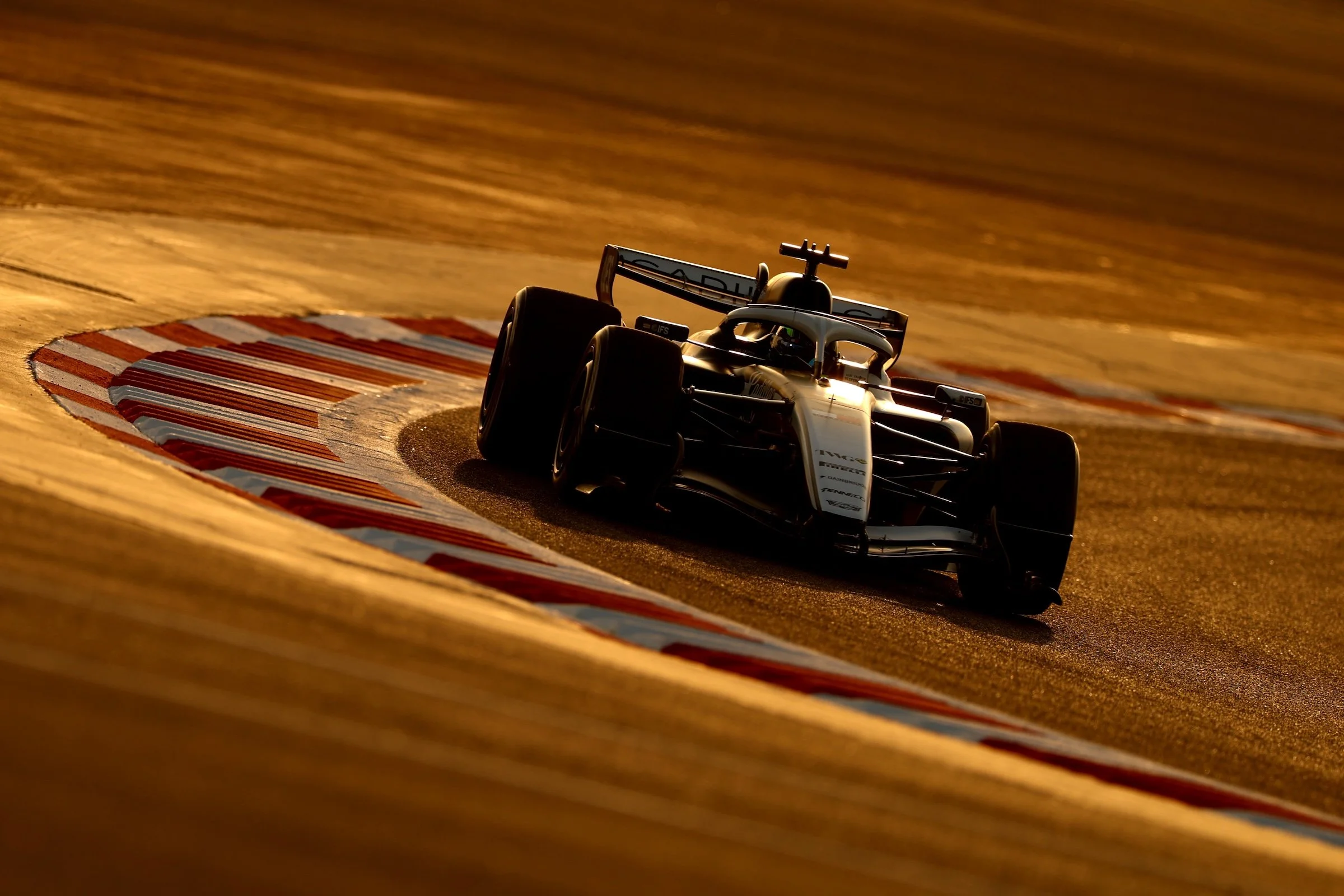
Rookie Kimi Antonelli delivered the fastest lap of the entire test, a 1:33.669 on C3, edging teammate George Russell by 0.249 seconds. Ferrari’s Lewis Hamilton followed with a 1:34.209, also on C3.
Over the full 24 hours of track time, Antonelli and Russell were the only drivers to dip below the 1:34 mark. Oscar Piastri (McLaren) quietly impressed as well, setting the best times of the test on the two hardest compounds with a 1:36.234 on C2 and a 1:36.899 on C1. Still, the overall benchmarks for those tires remained Norris’s 1:34.669 (C2) and Verstappen’s 1:35.631 (C1).
Three days rarely tell the full story. Fuel loads remain unknown, engine modes are guarded secrets, and no one shows their full hand in February.
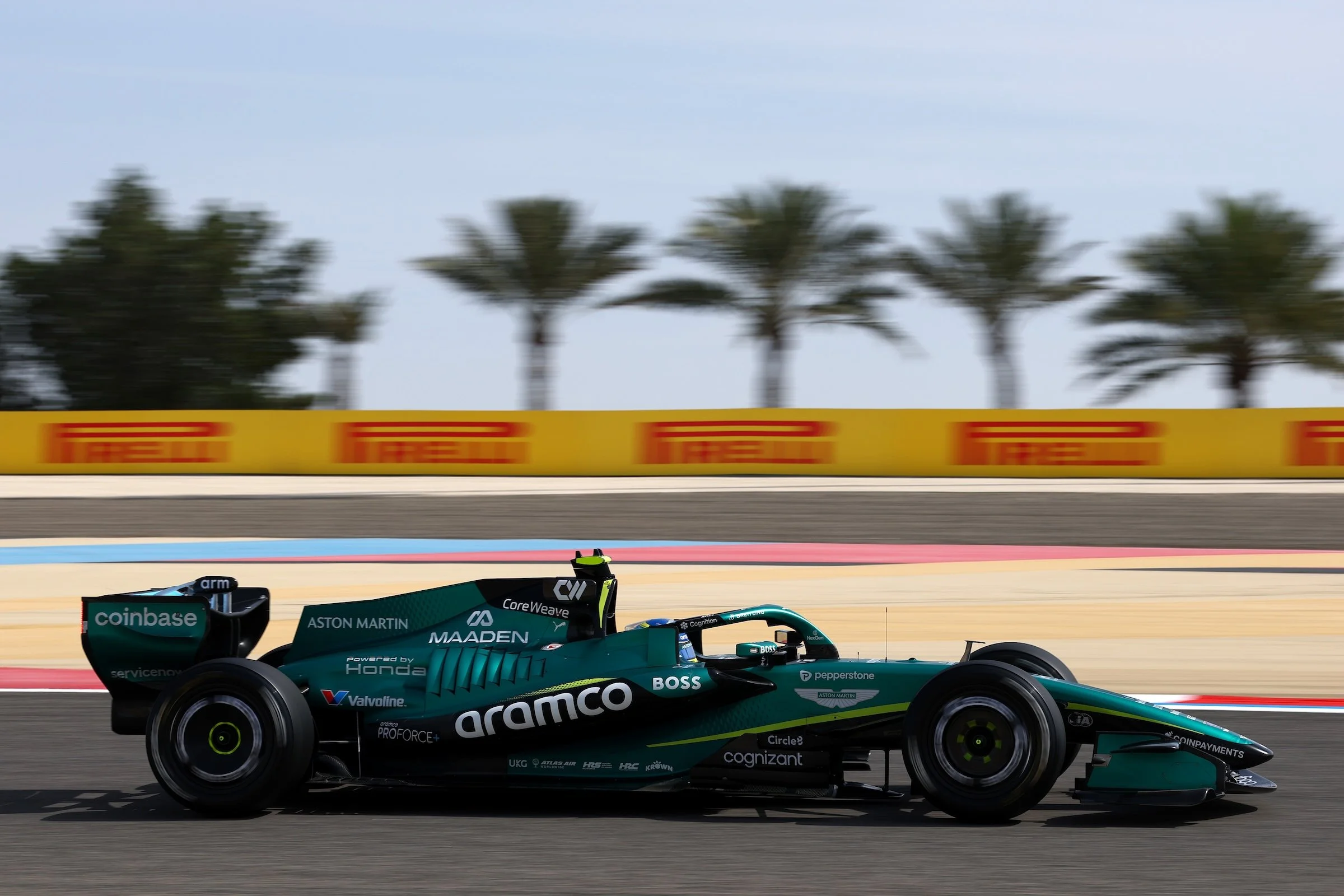
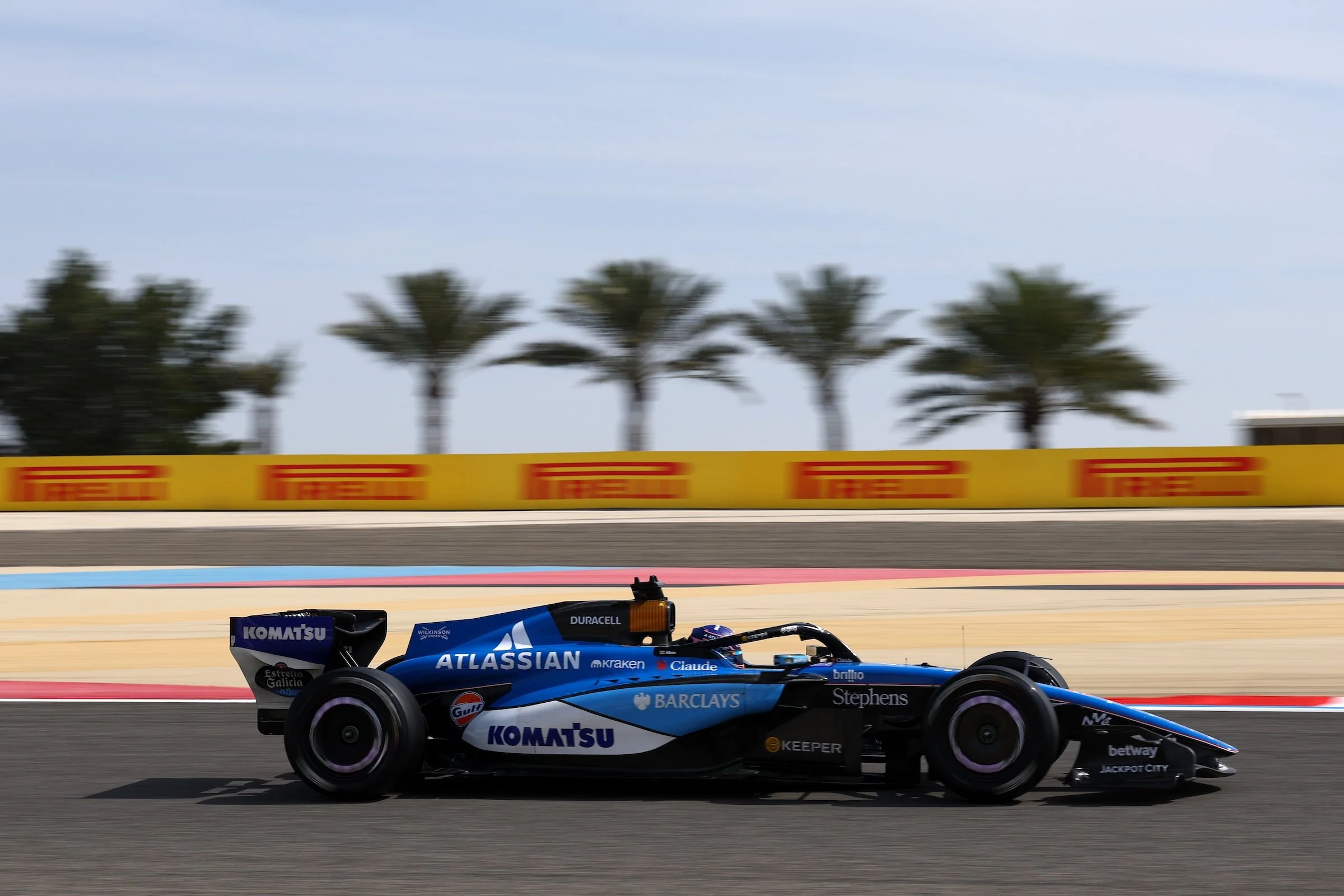
But what Bahrain did offer was a first glimpse of balance: McLaren’s consistency, Ferrari’s steady progress, and Mercedes finishing the week with a statement.



Disclaimer
Excerpts and media courtesy of Pirelli S.p.A. and the official Formula 1 team press offices. All images are provided via Getty Images through the respective team media platforms and are credited to their rightful copyright holders. Used for editorial purposes only. Not for sale.