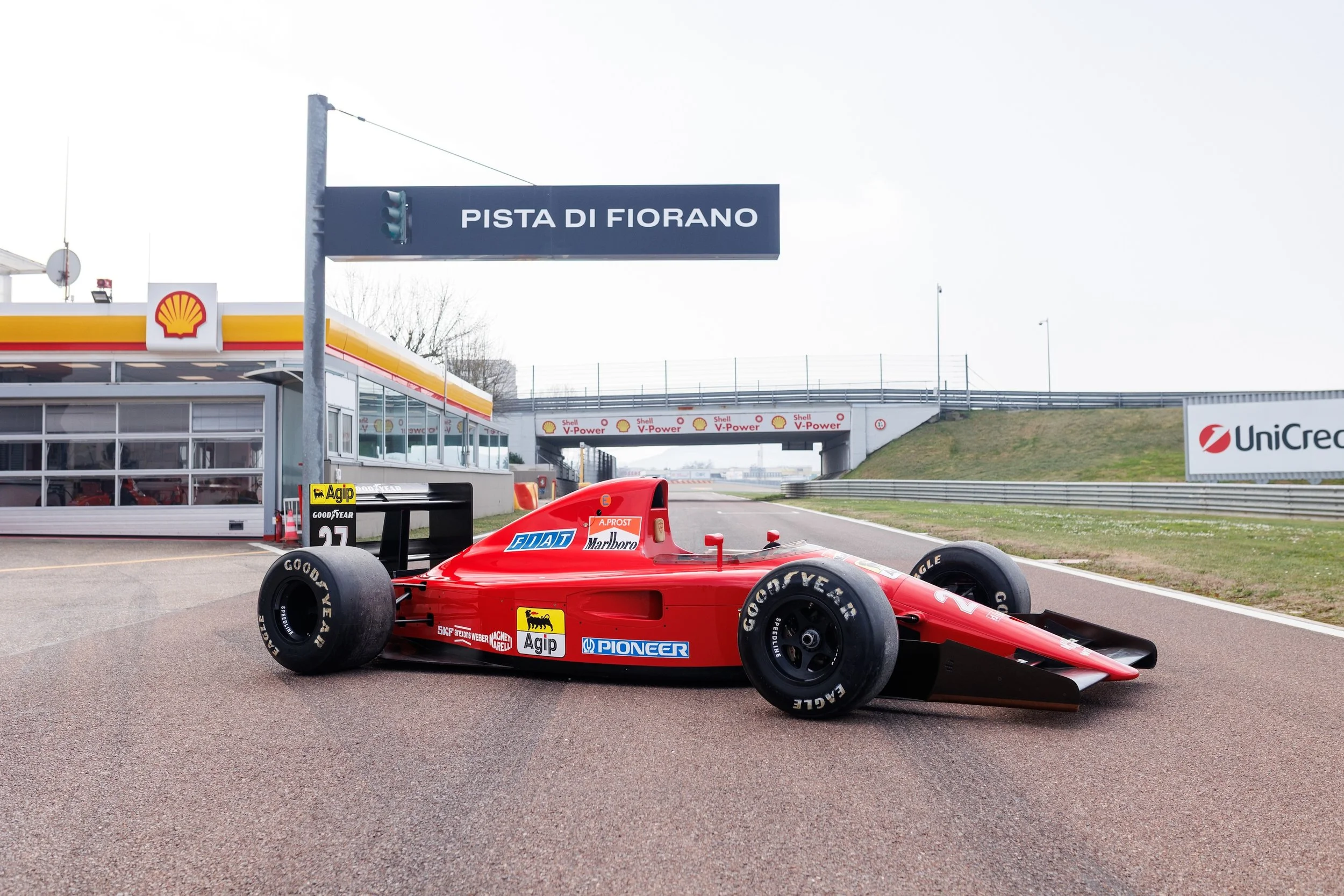
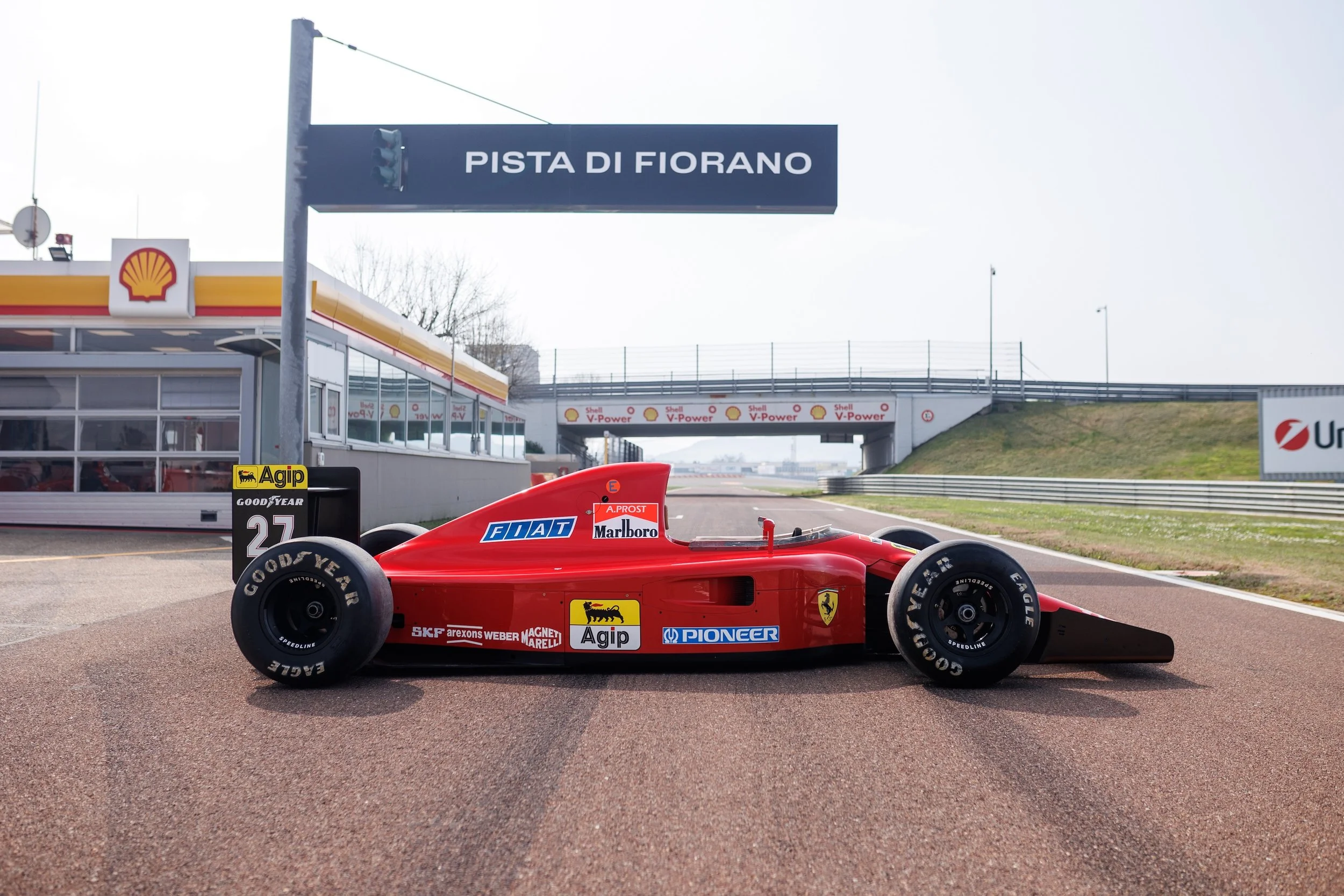
1991 Ferrari 642
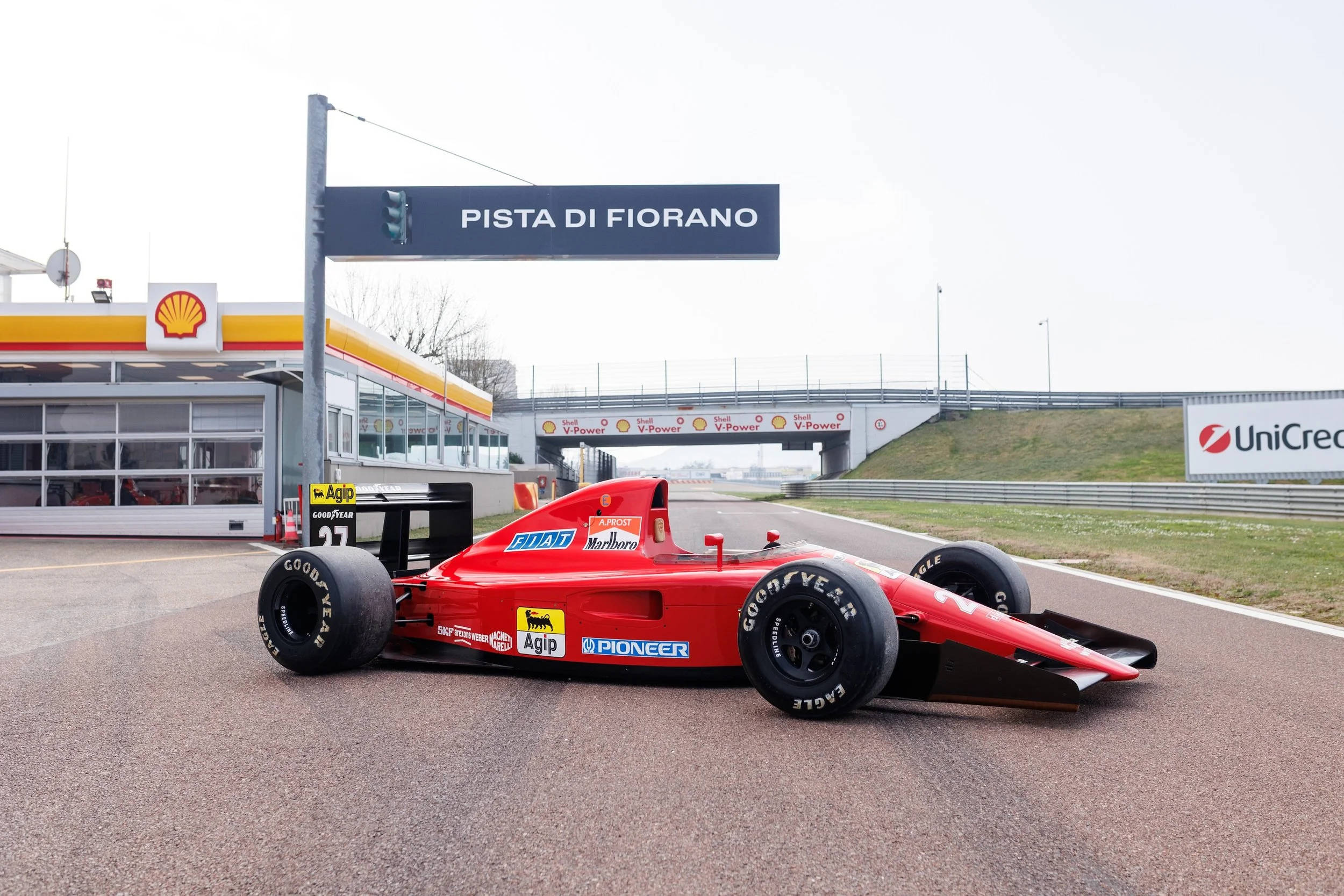
The legendary rivalry between Ayrton Senna and Alain Prost was soon to reach its infamous climax.
Their deteriorating relationship as McLaren team-mates had prompted defending Formula 1 World Champion Prost to join Ferrari for 1990, and that year’s title battle raged into the final two rounds. To remain as competitive as possible, the Scuderia opted to continue developing its 641 challenger much later into the season.
But it was all in vain. At the first corner of the Japanese Grand Prix, the pair collided, assuring Senna of the crown.
Having come so close to glory, and with the delayed timeline caused by introducing late updates to the outgoing car, Ferrari’s top brass felt that an evolutionary, rather than clean-sheet design, would be sufficient to keep the team in contention for both the Drivers’ and Constructors’ World Championships in 1991. Chief Designer Enrique Scalabroni disagreed with that conservative approach and departed the Scuderia.
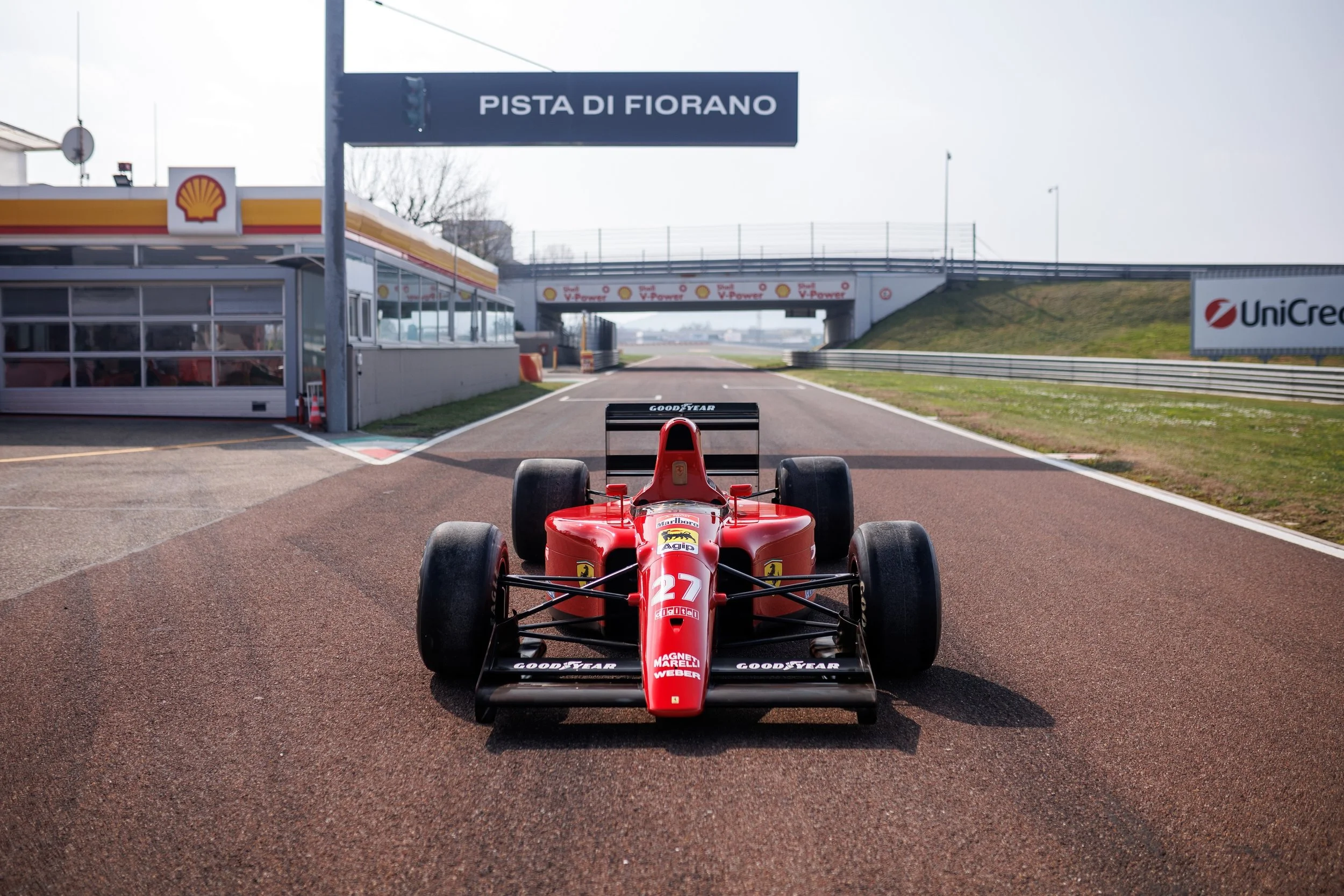
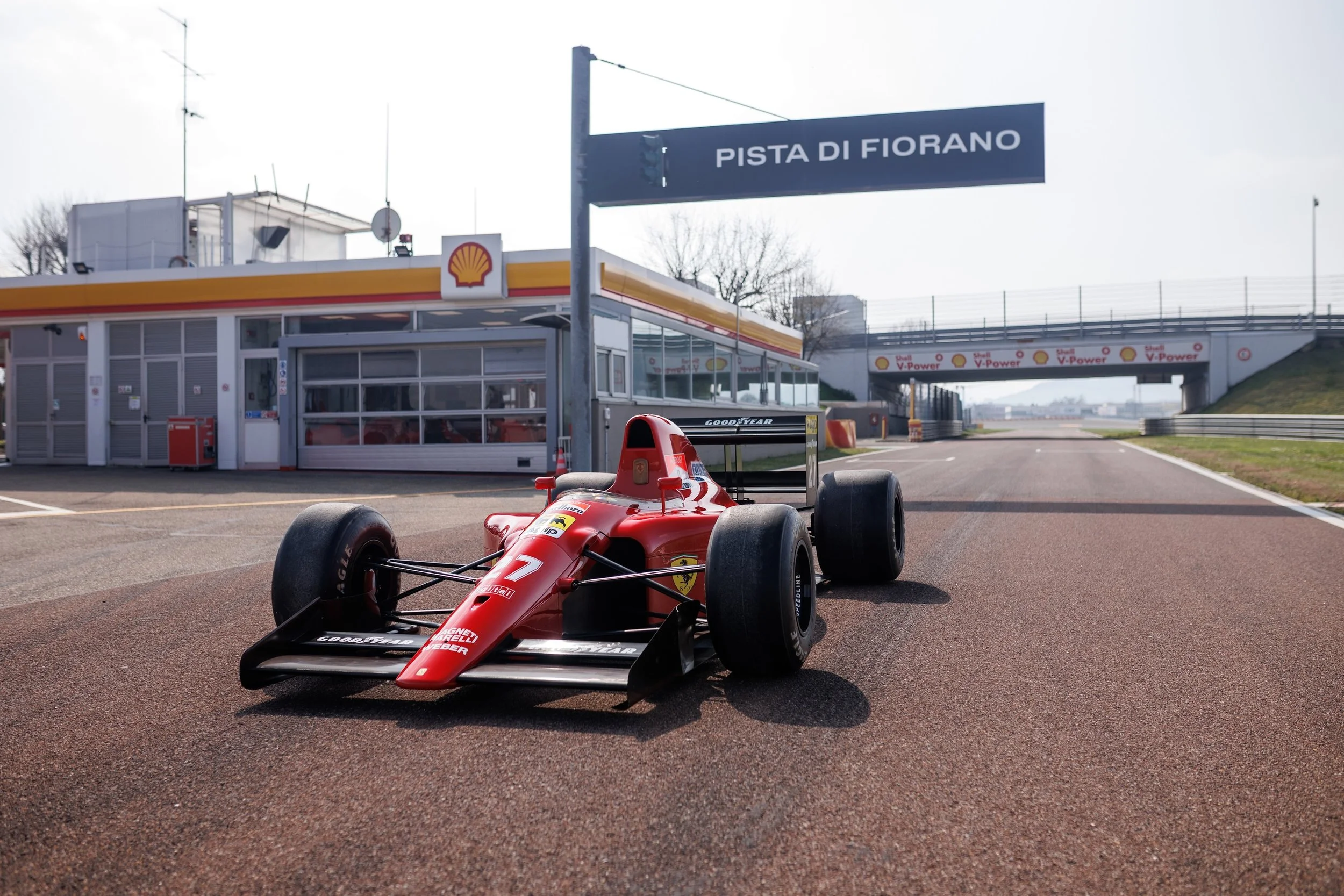
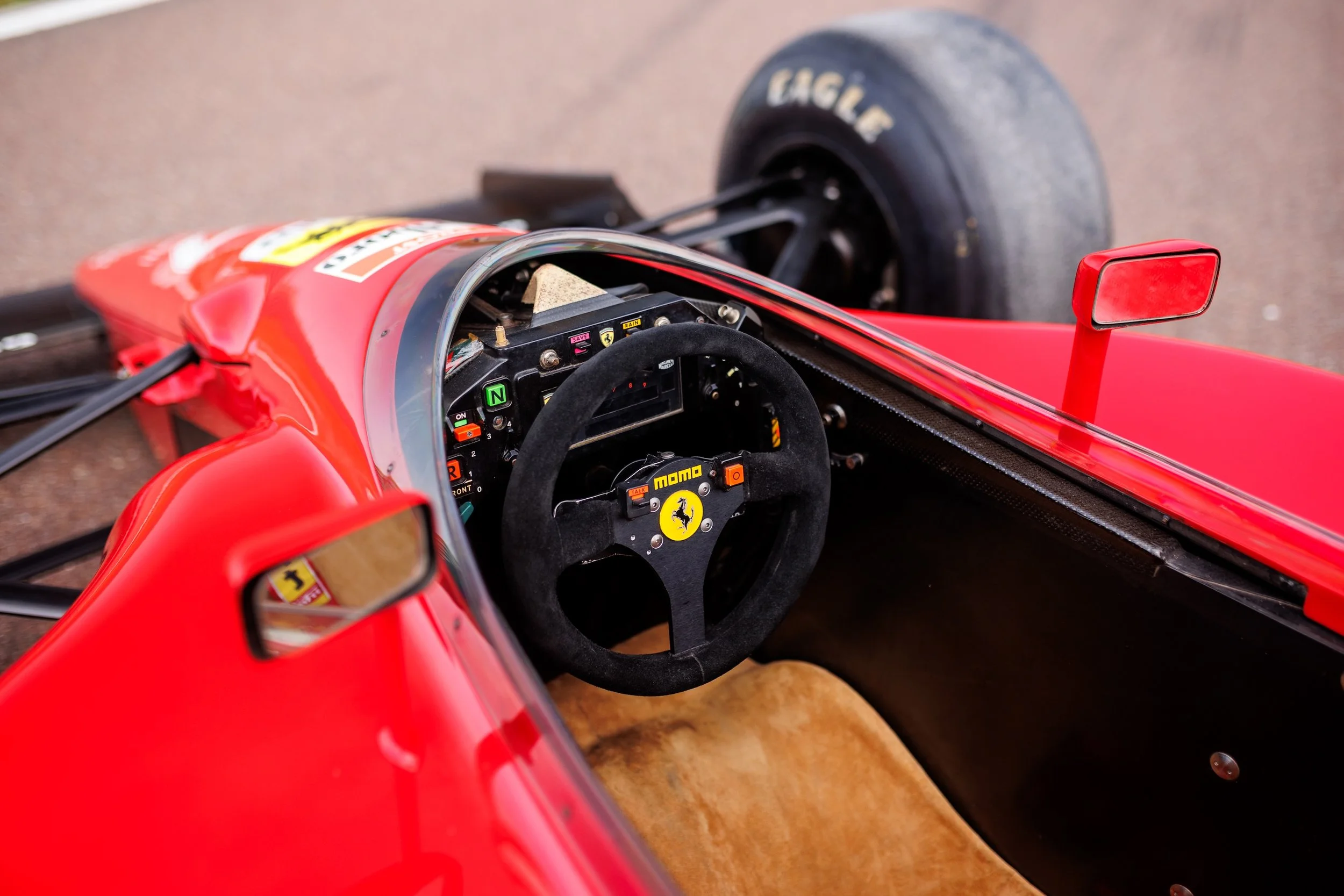
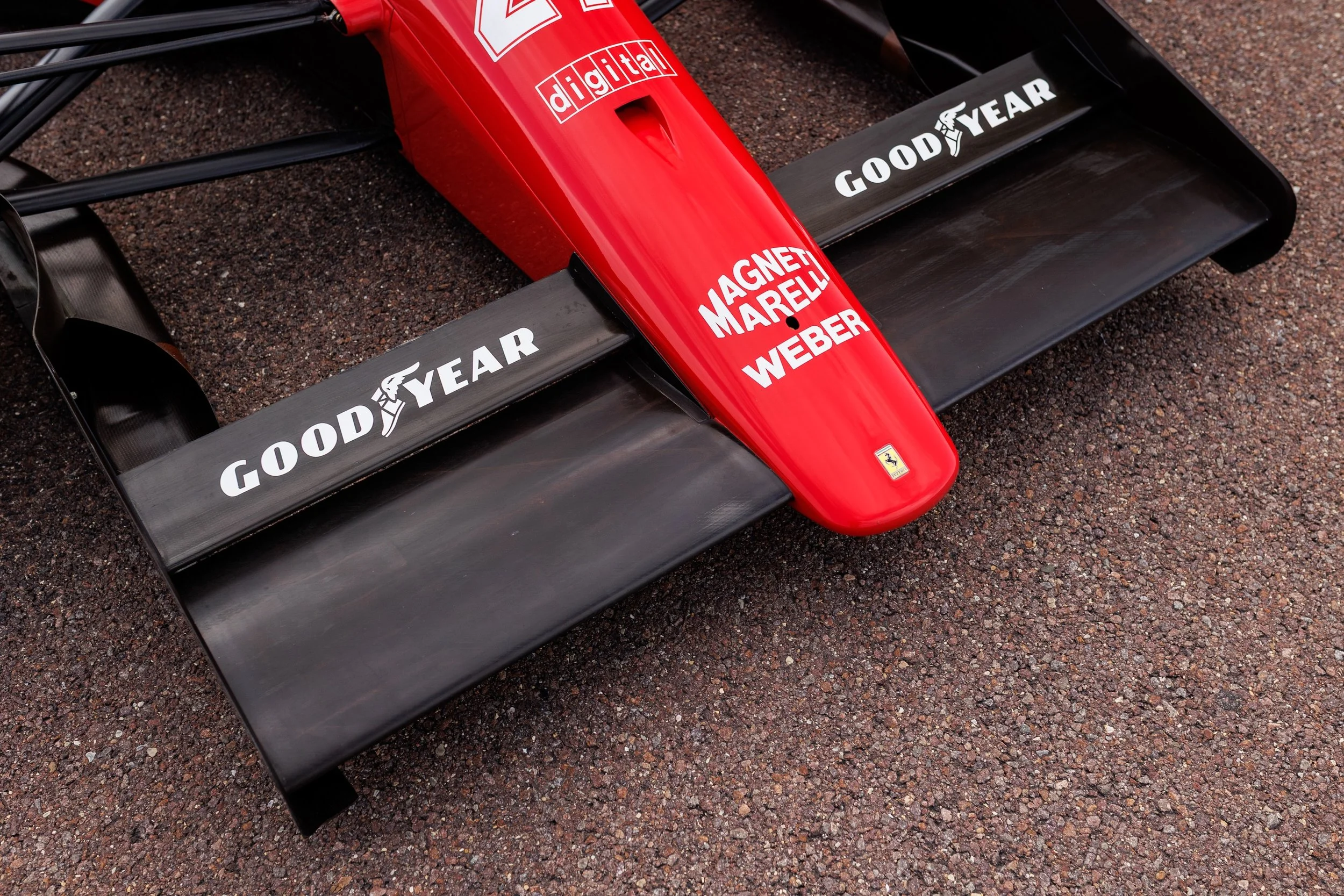
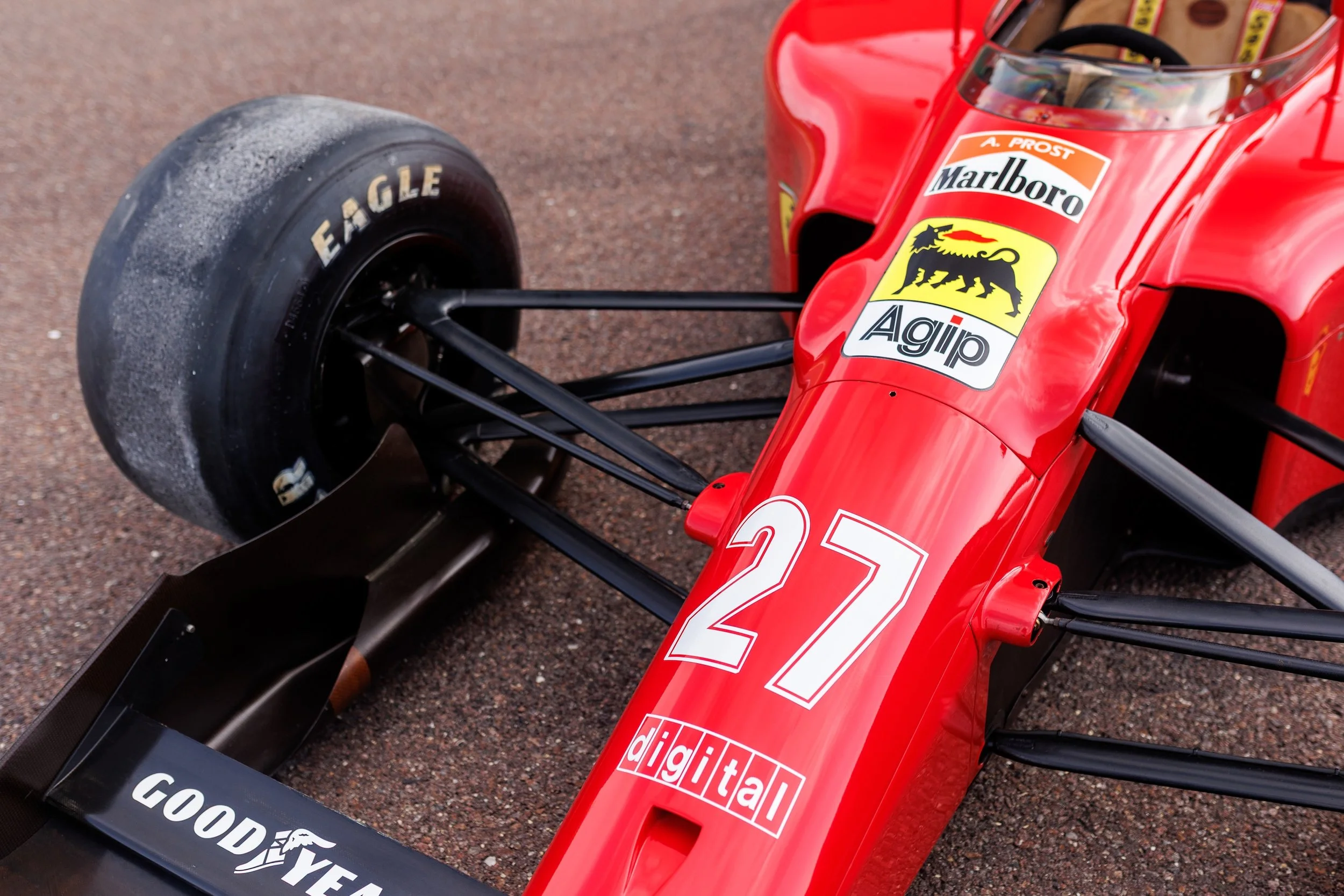
That left Steve Nichols, who had joined Ferrari alongside Prost from McLaren, to steer the creation of the 642. Much of the concept from Ferrari’s rapid 1989 and 1990 cars carried over, but the 642 notably gained revised bodywork and a larger front wing with bigger endplates. It showed promising pace during winter testing albeit before the new Williams and McLaren challengers had been unveiled. Hopes were high heading into the curtain-raising United States Grand Prix.
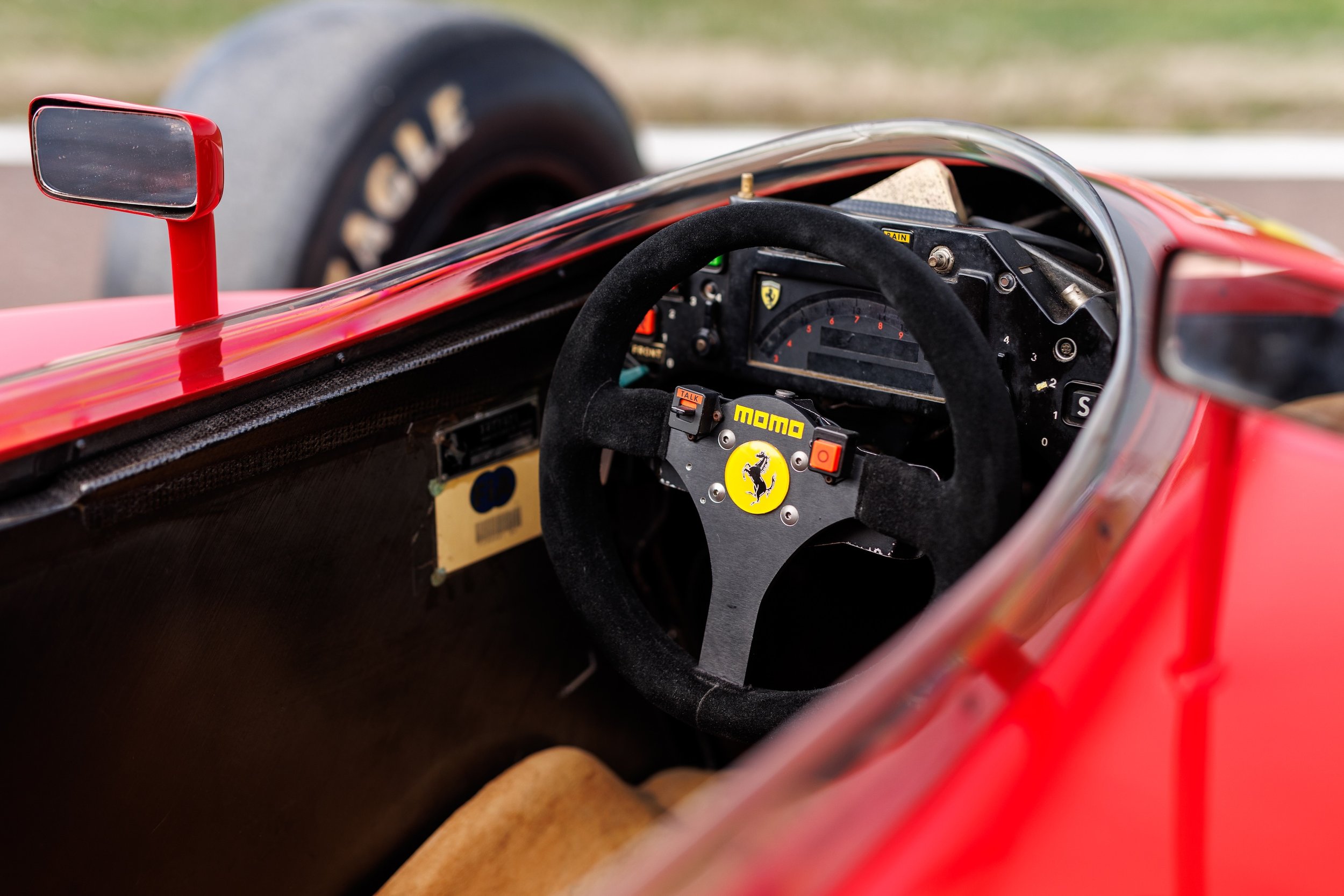
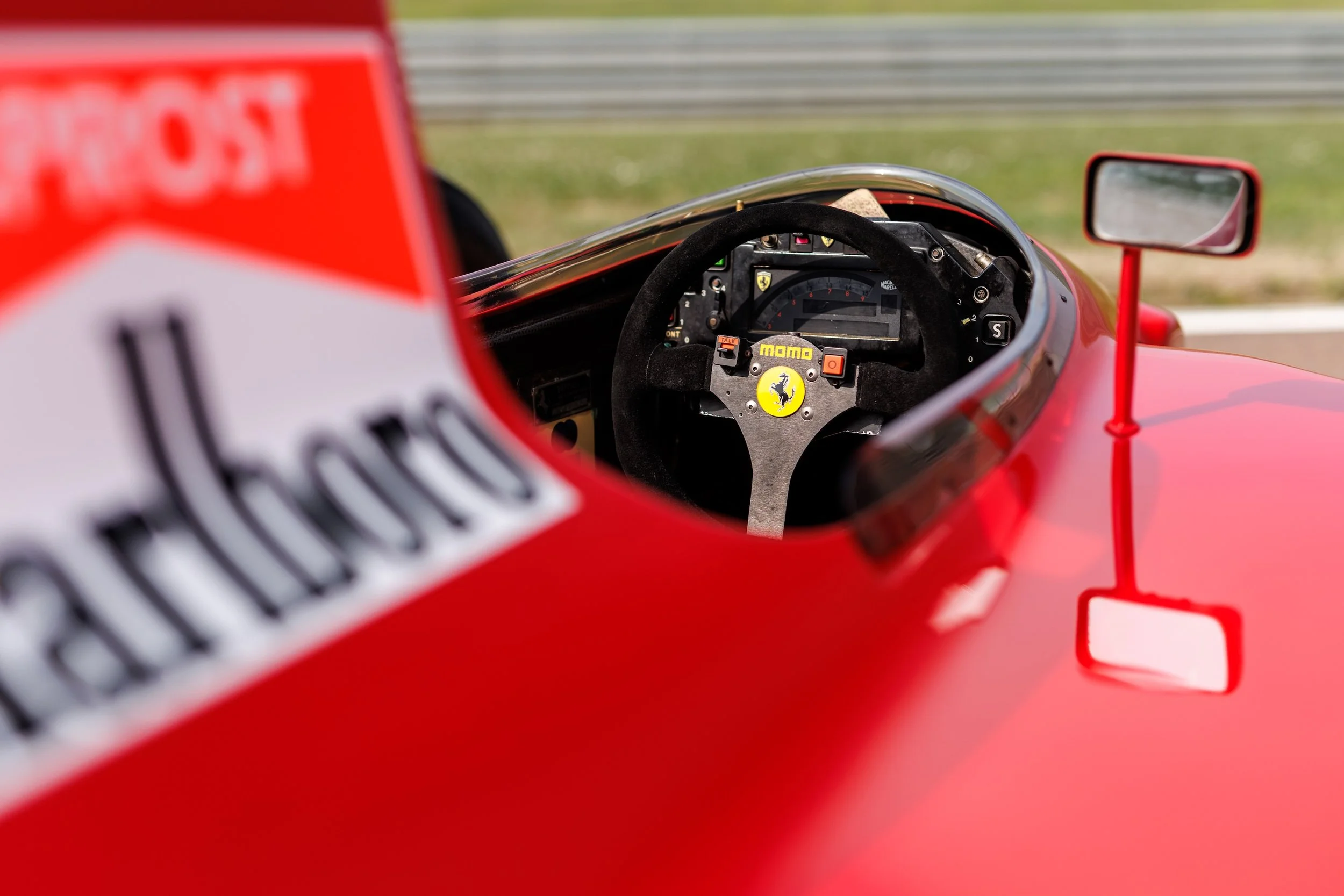
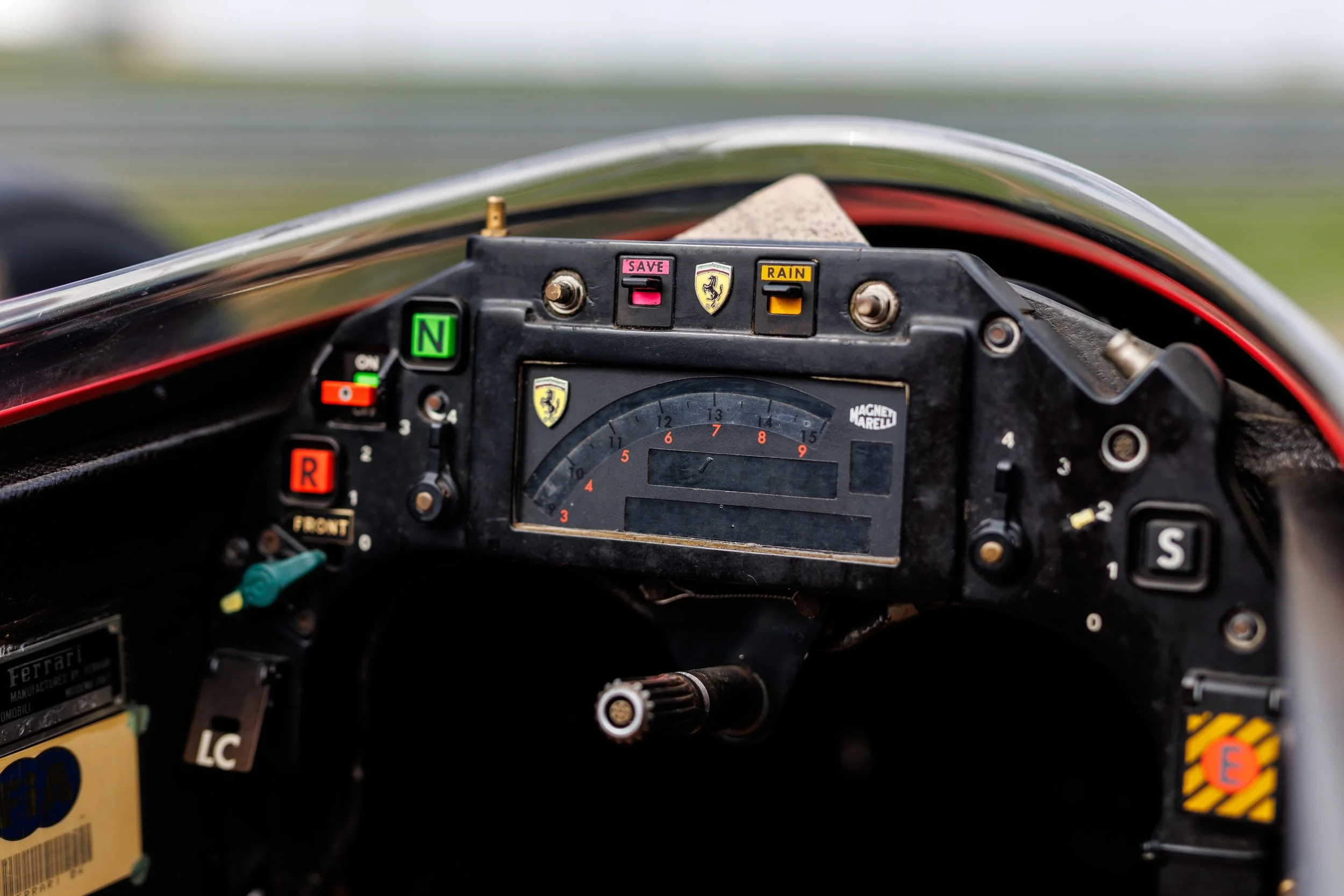
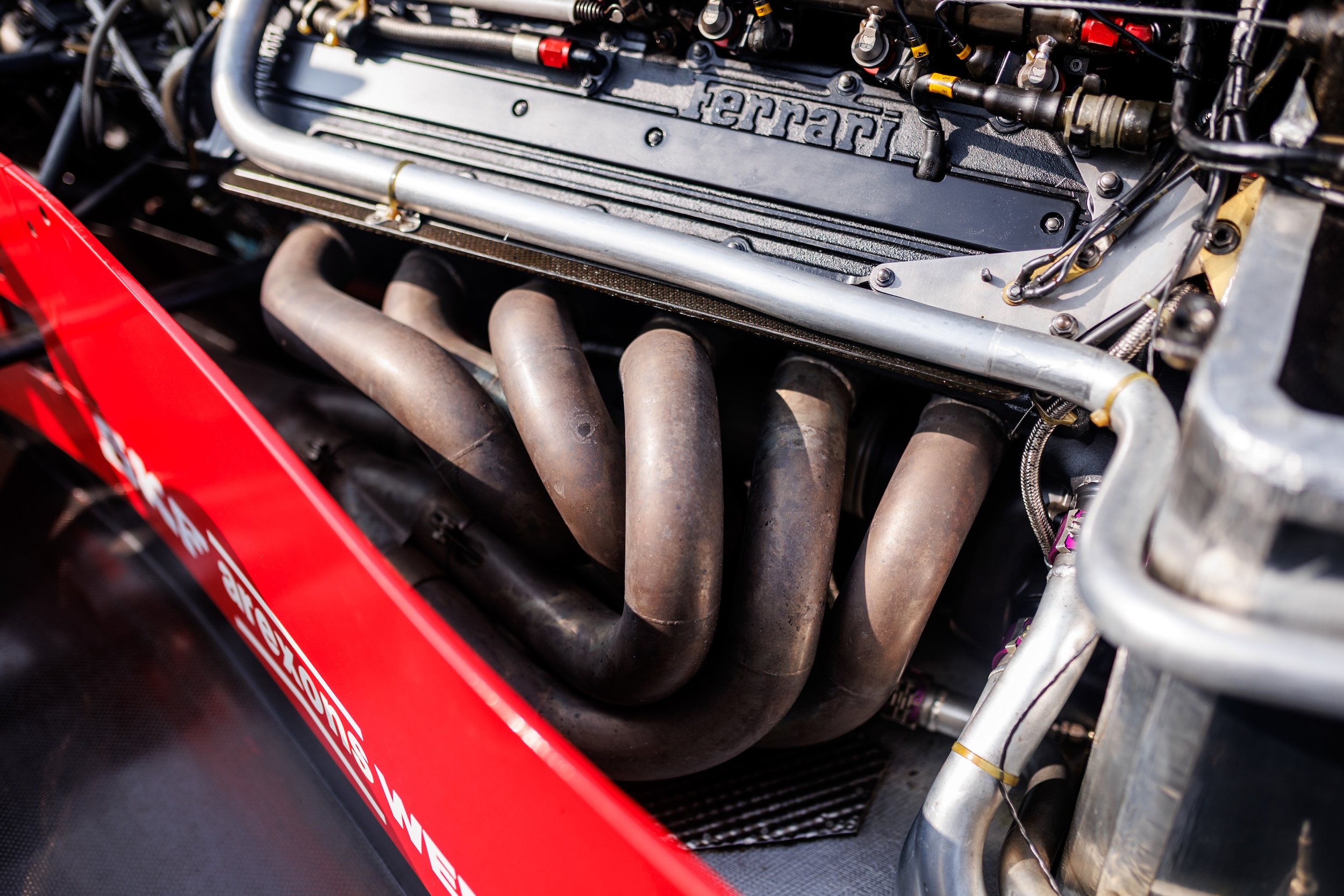
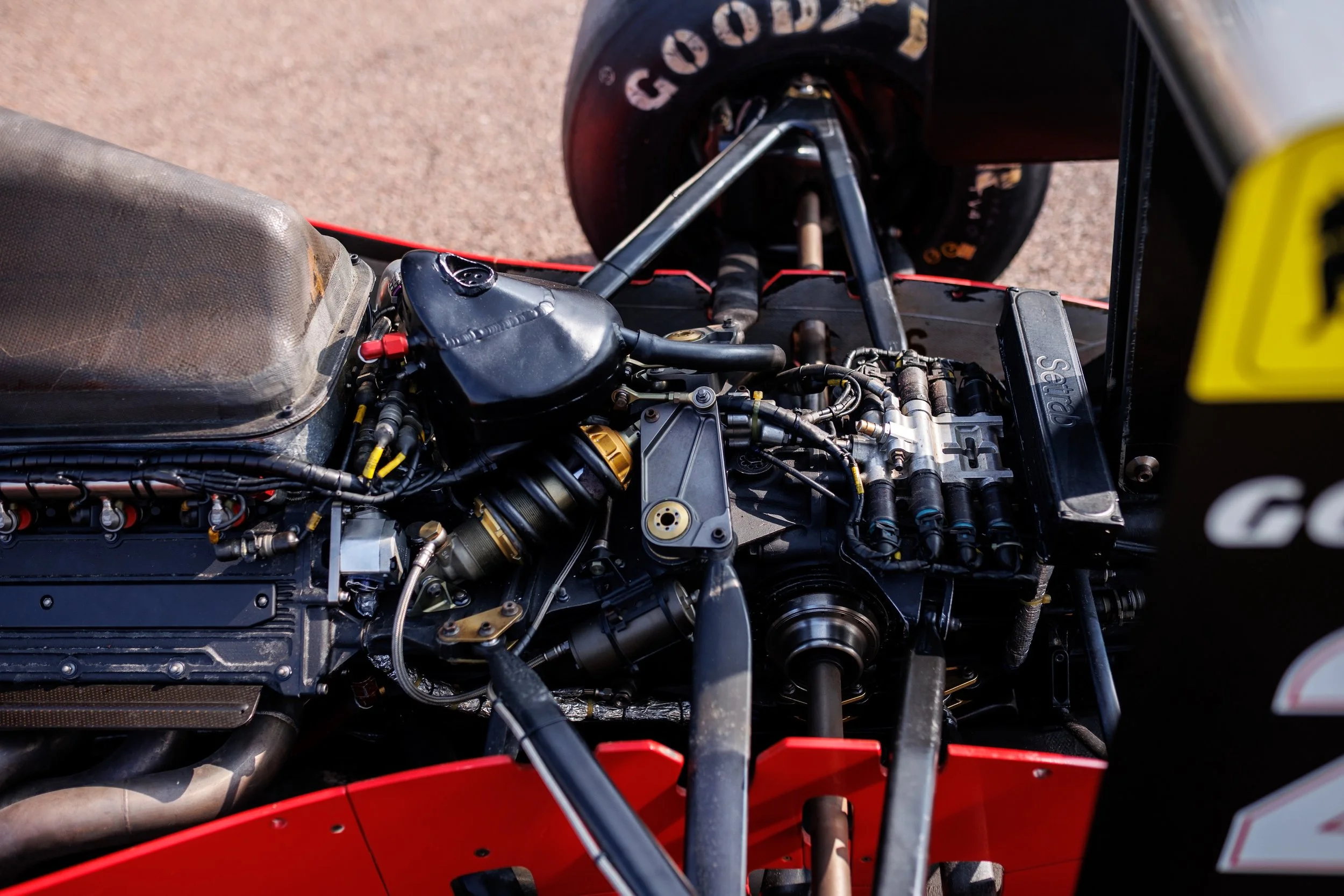
The downtown street circuit in Phoenix was dominated by tight 90-degree turns that did not suit the Ferrari’s handling balance or the performance profile of its Tipo 035 naturally aspirated 3.5-litre V12 engine. Nevertheless, Prost qualified second behind Senna, while new signing Jean Alesi, who had starred at Tyrrell over the previous two years, lined up sixth. The eventual four-time World Champion converted his grid position into a runner-up finish, while an issue with the seven-speed semi-automatic transverse gearbox dropped Alesi to 12th.
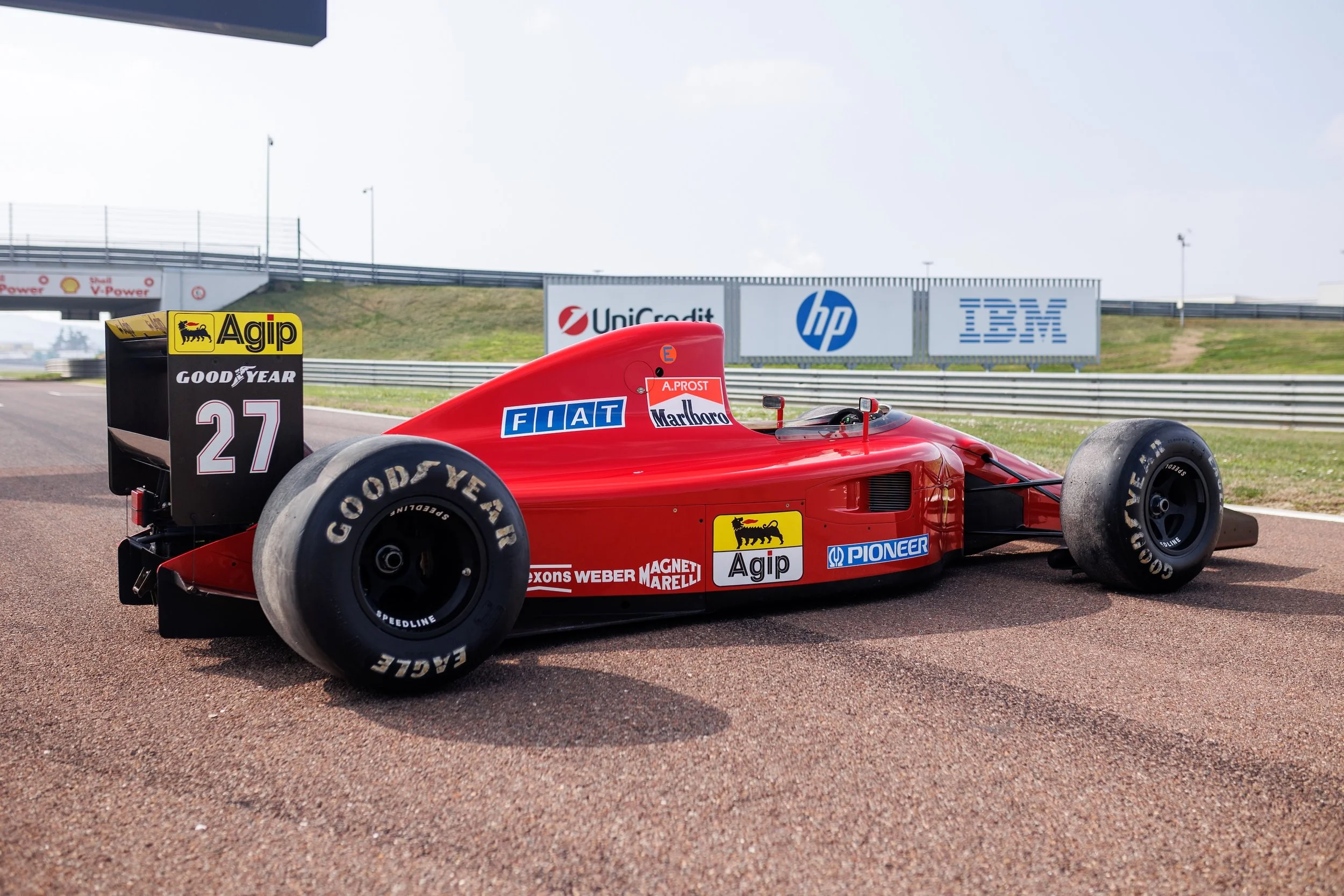
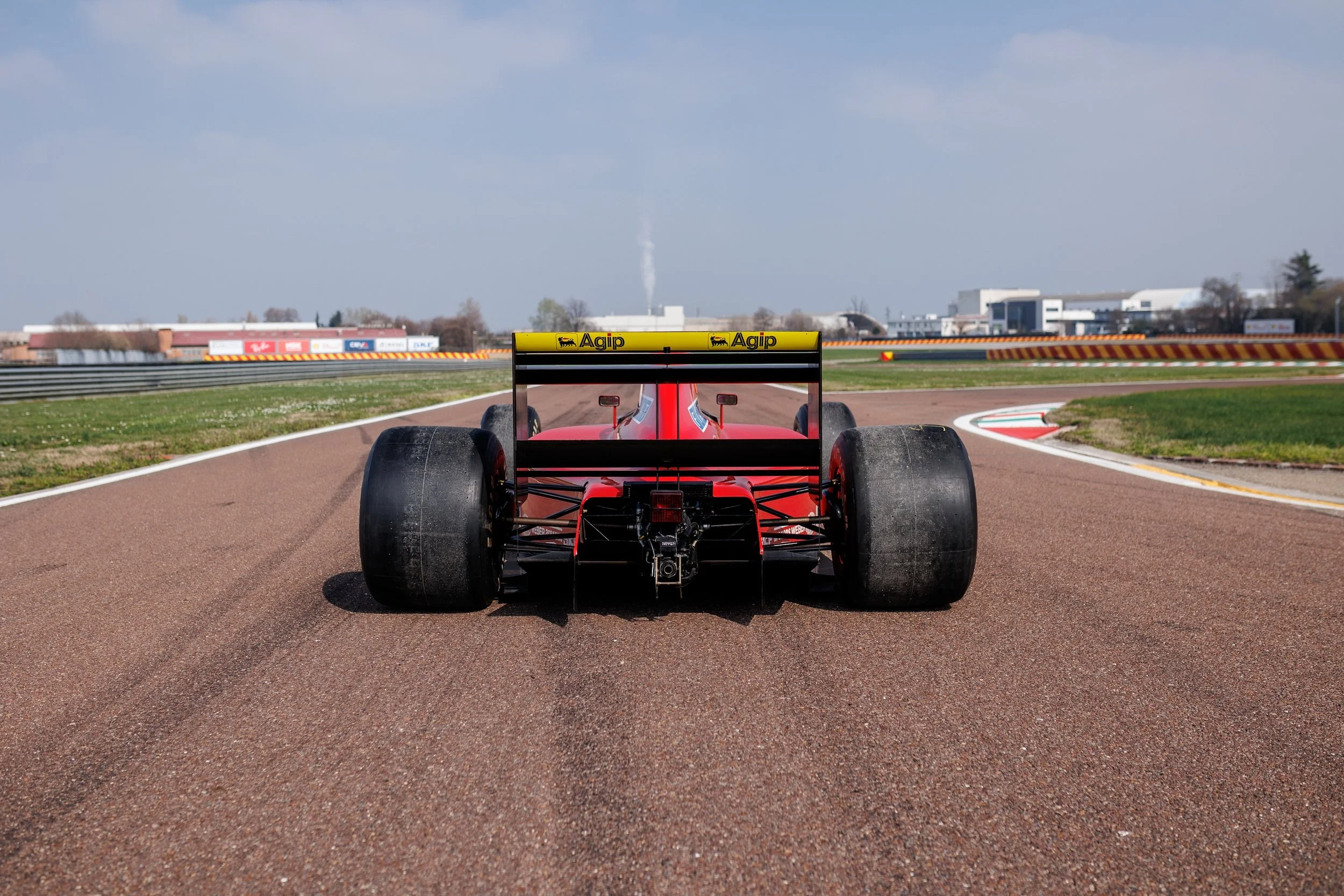
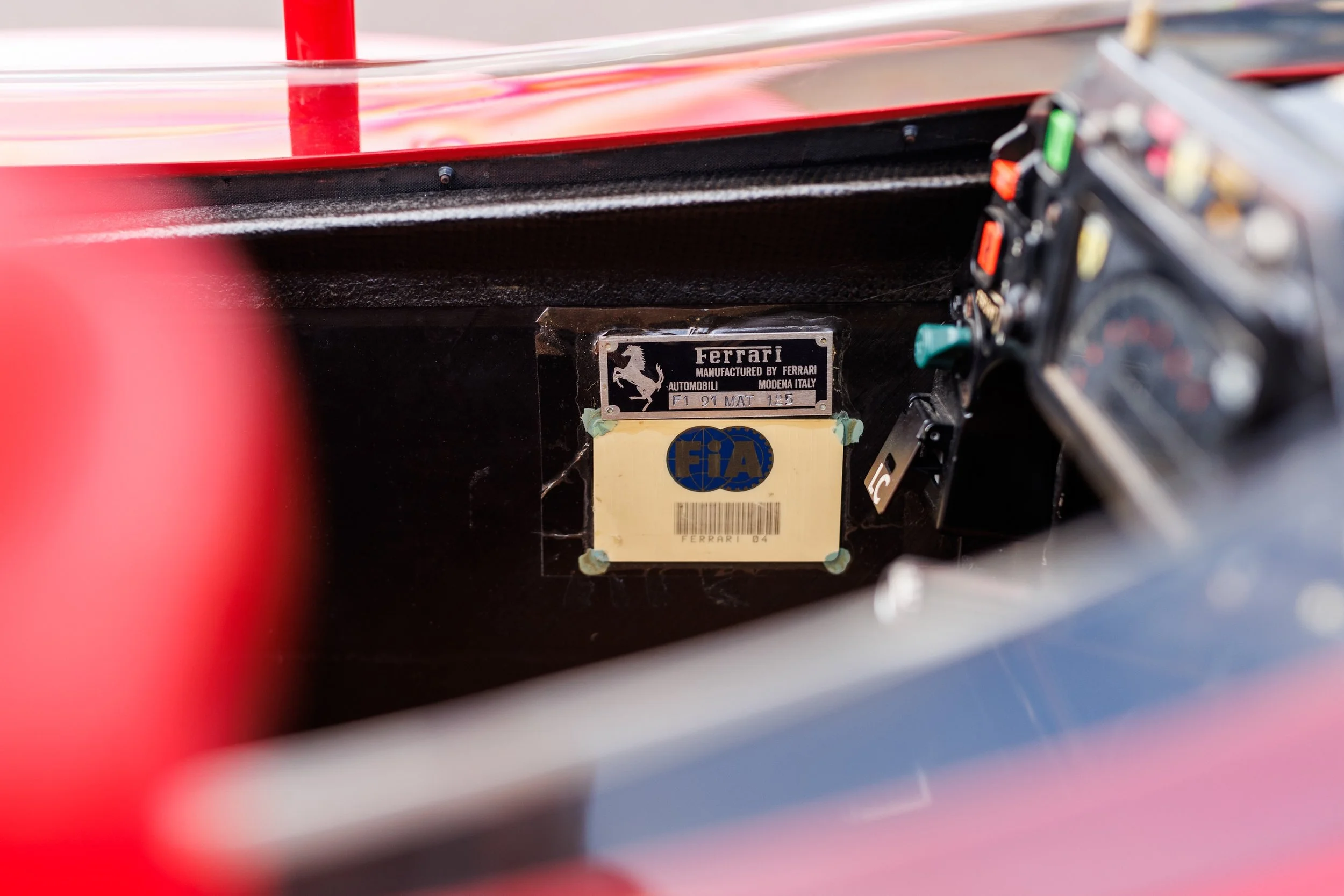
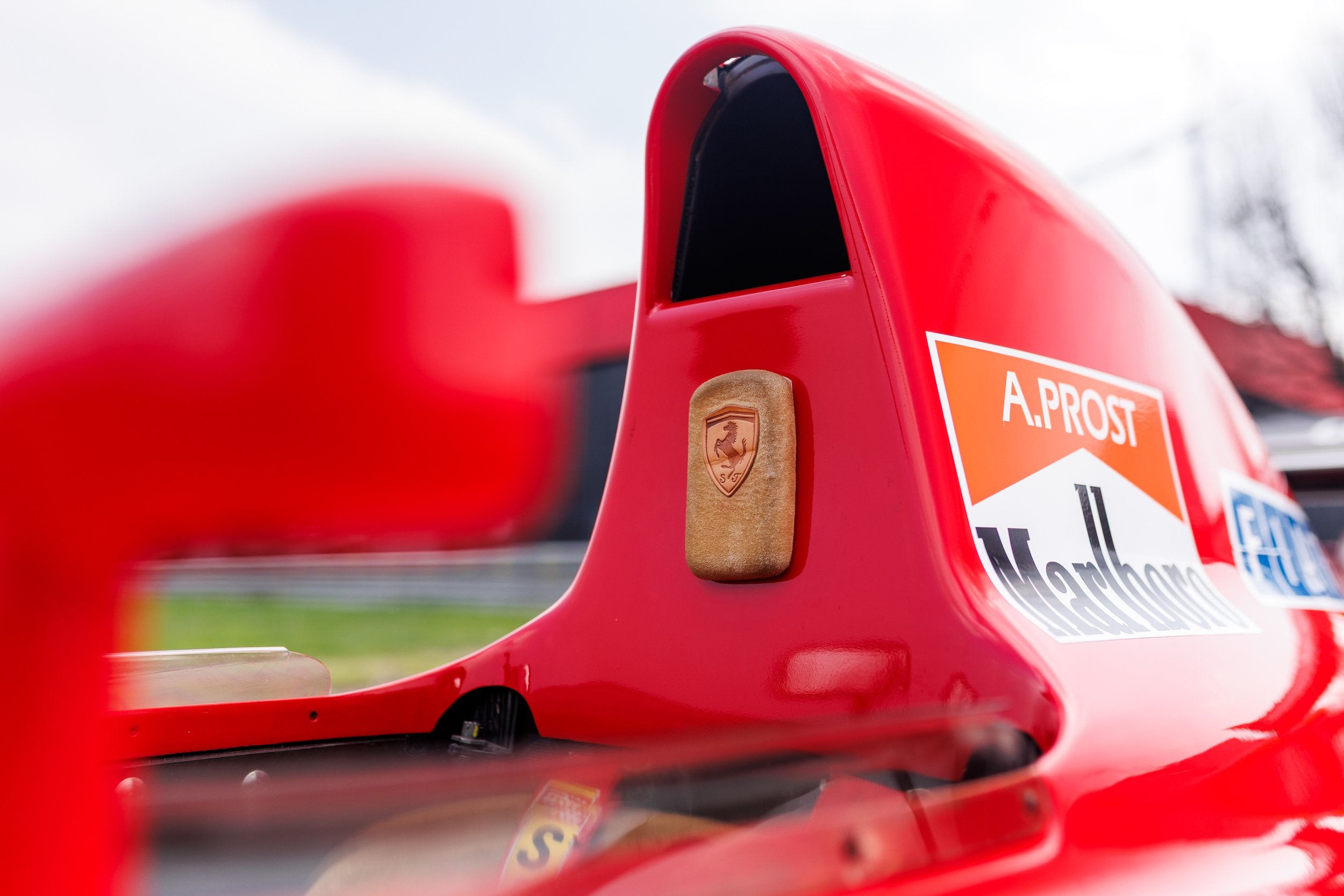
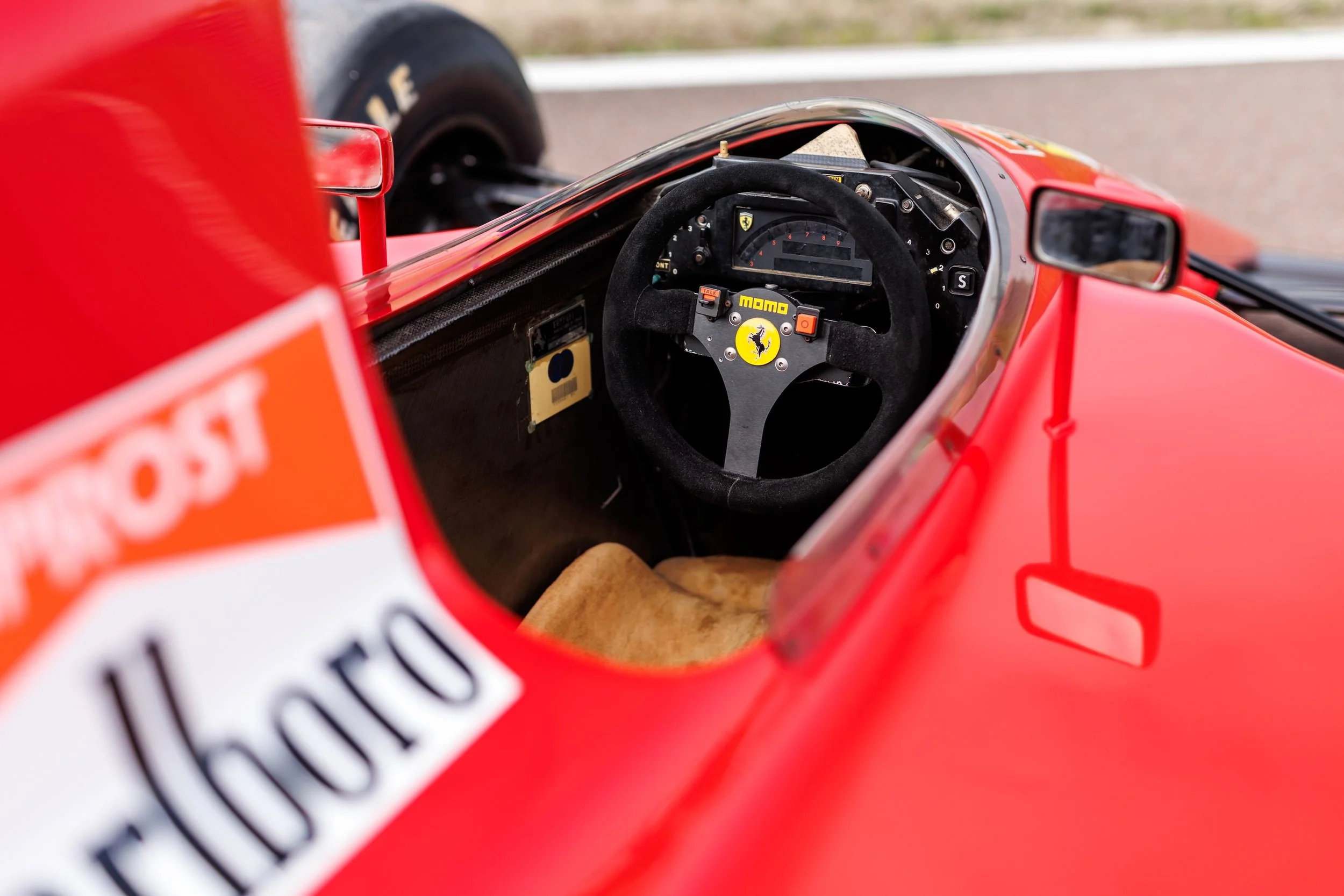
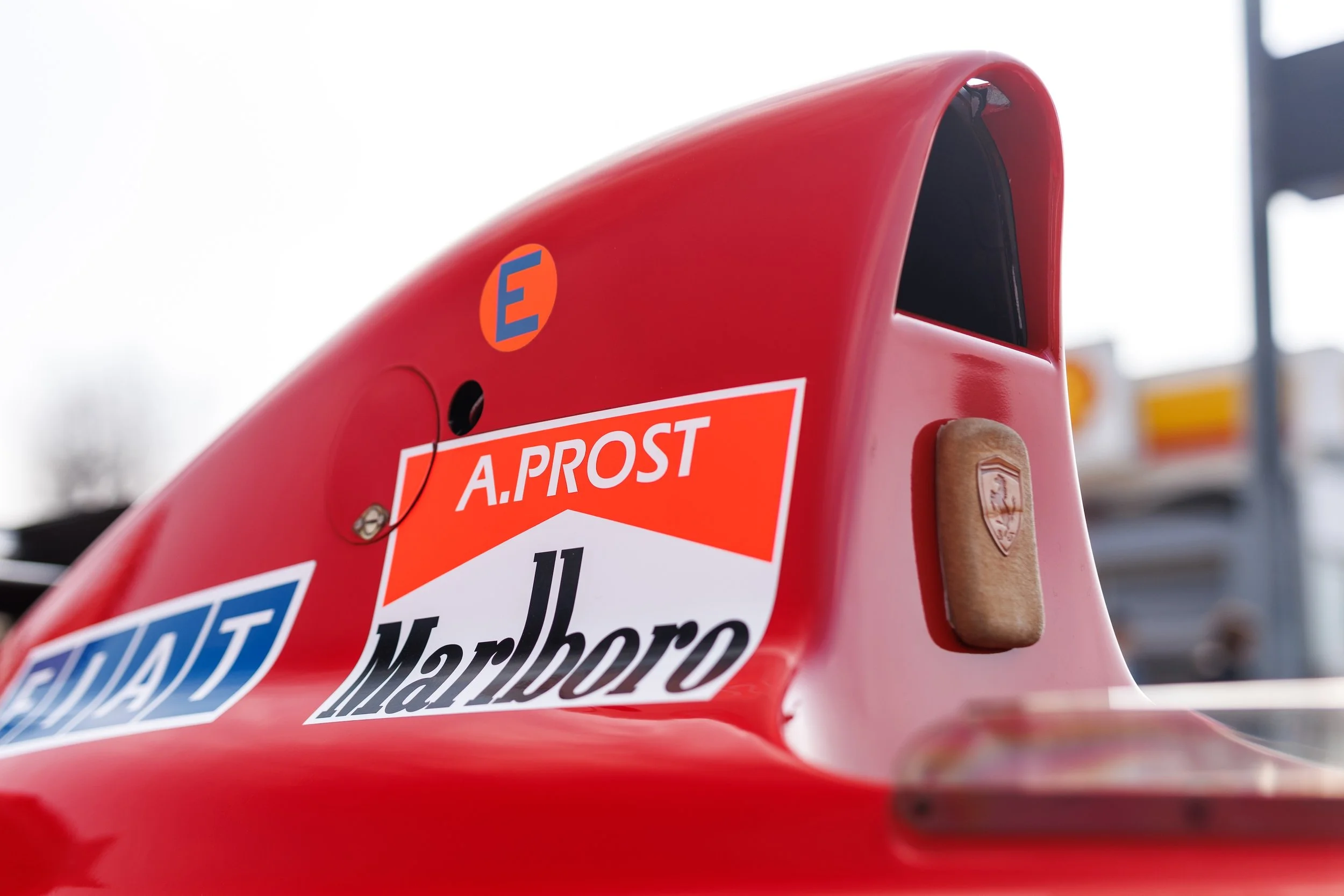
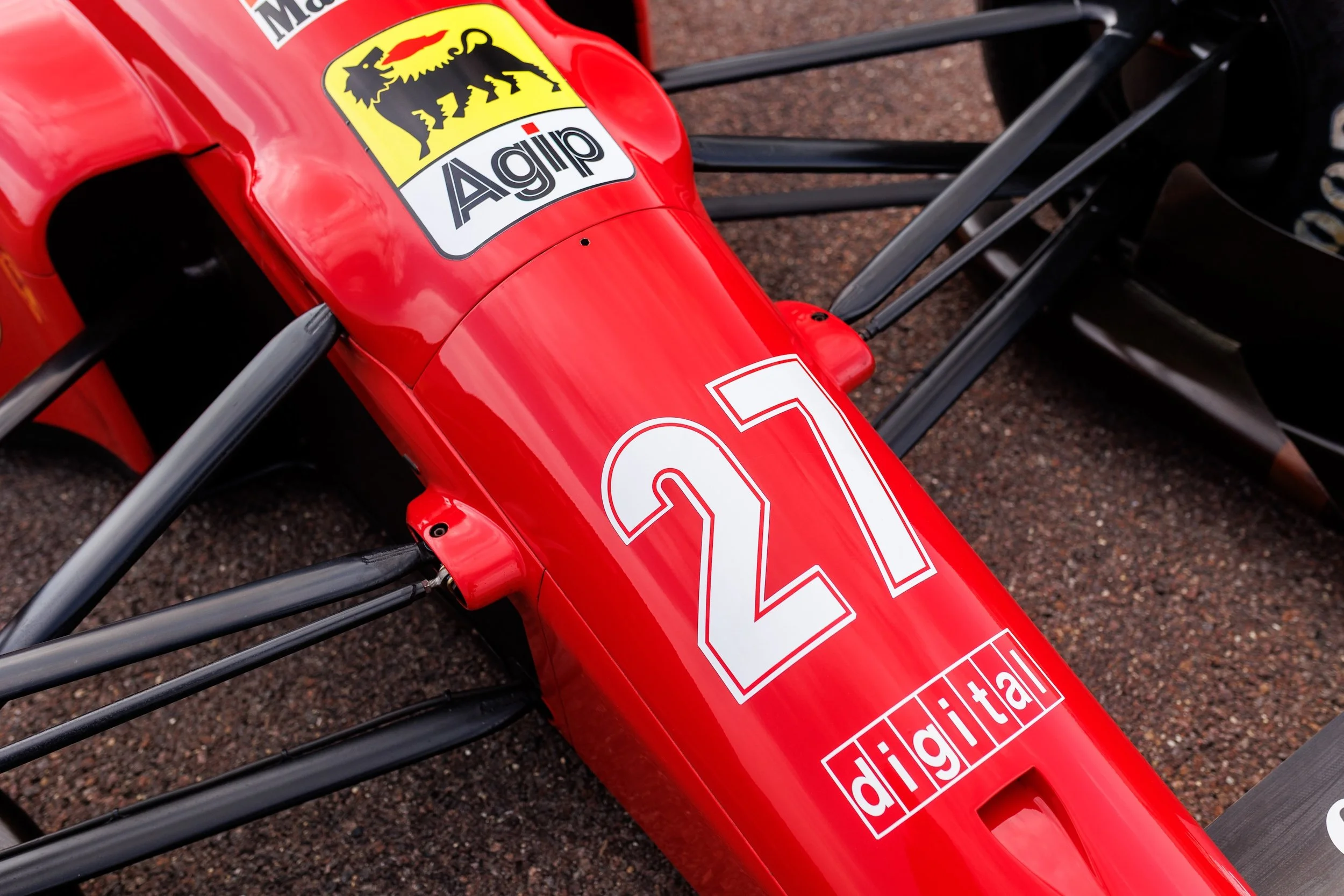
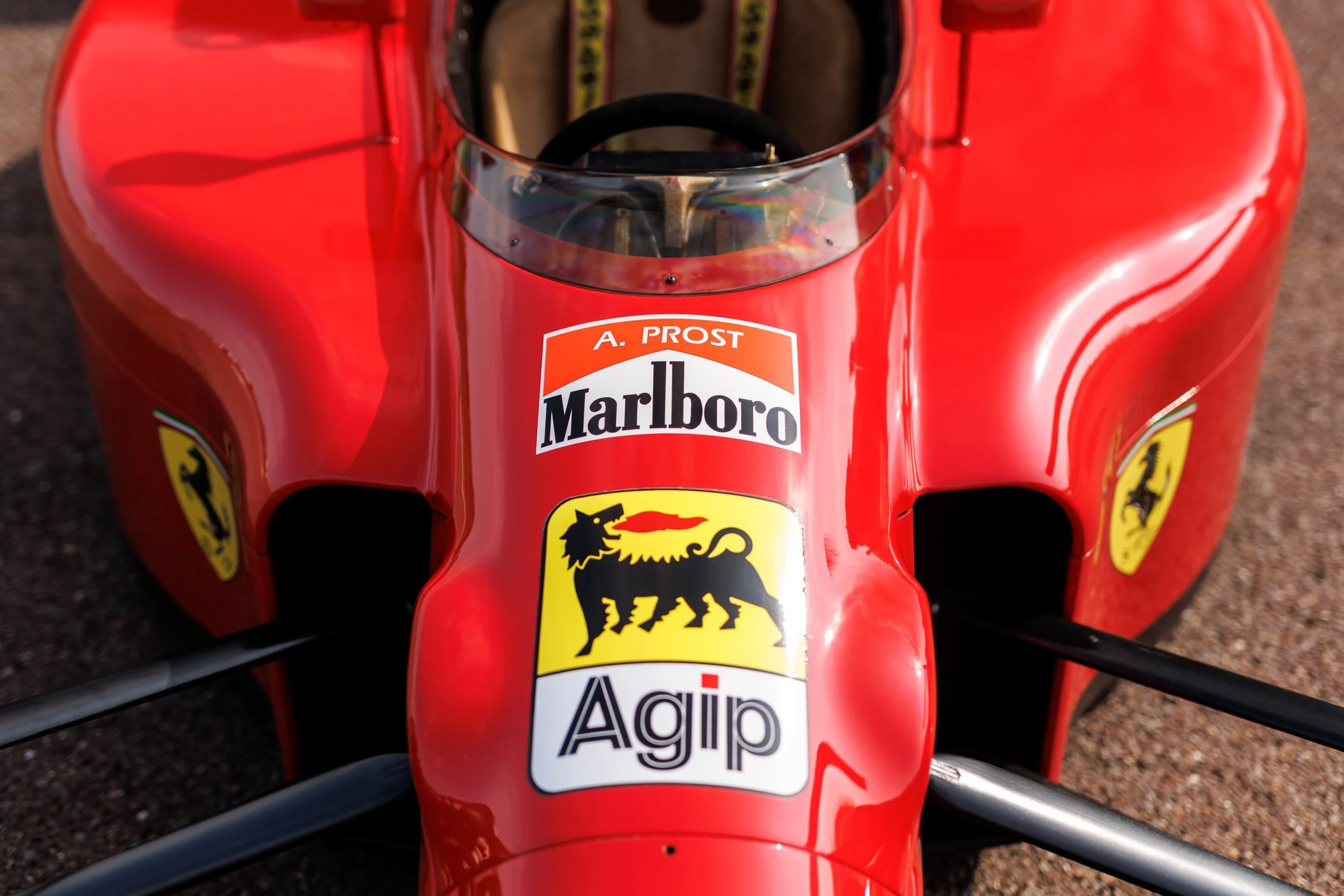
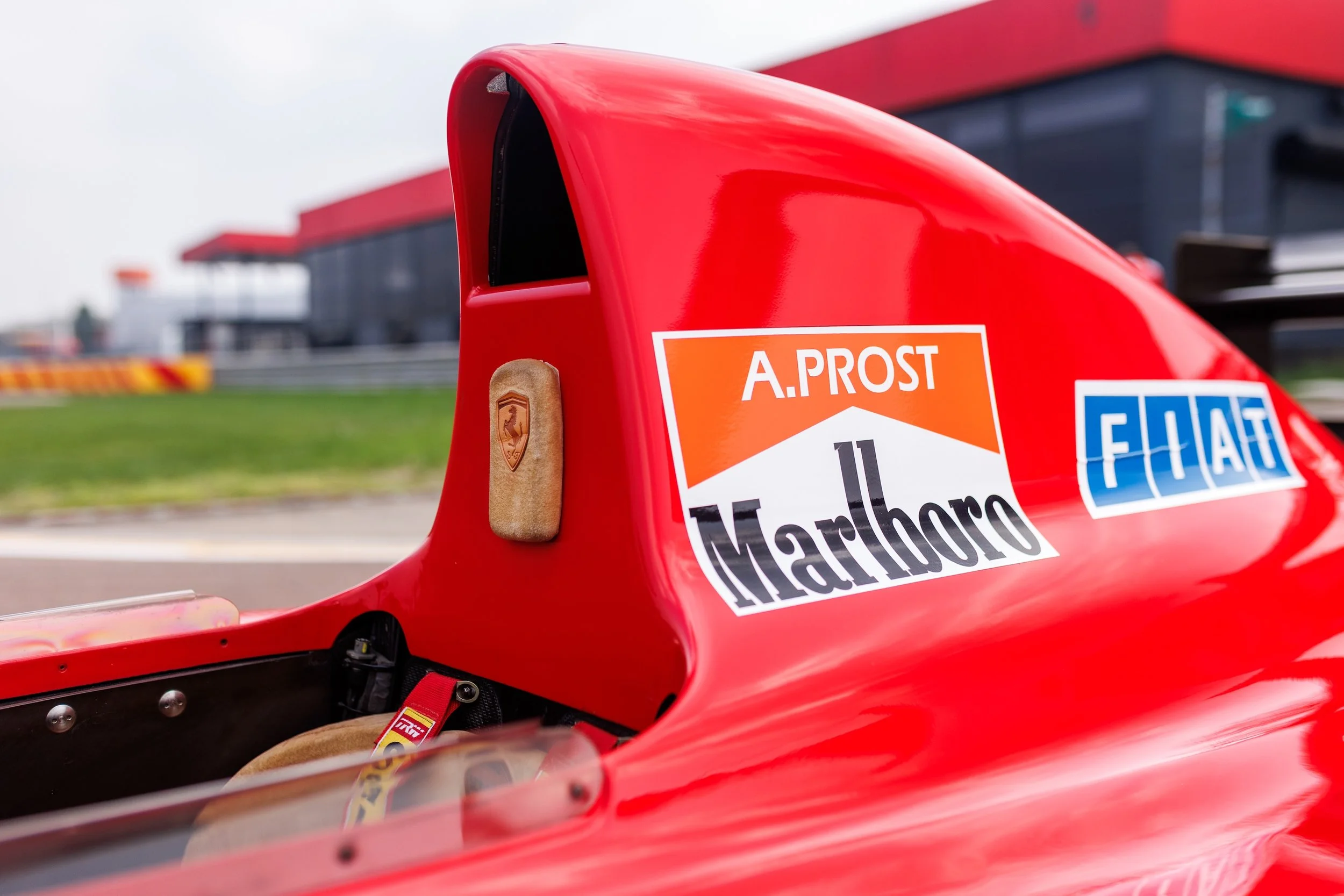
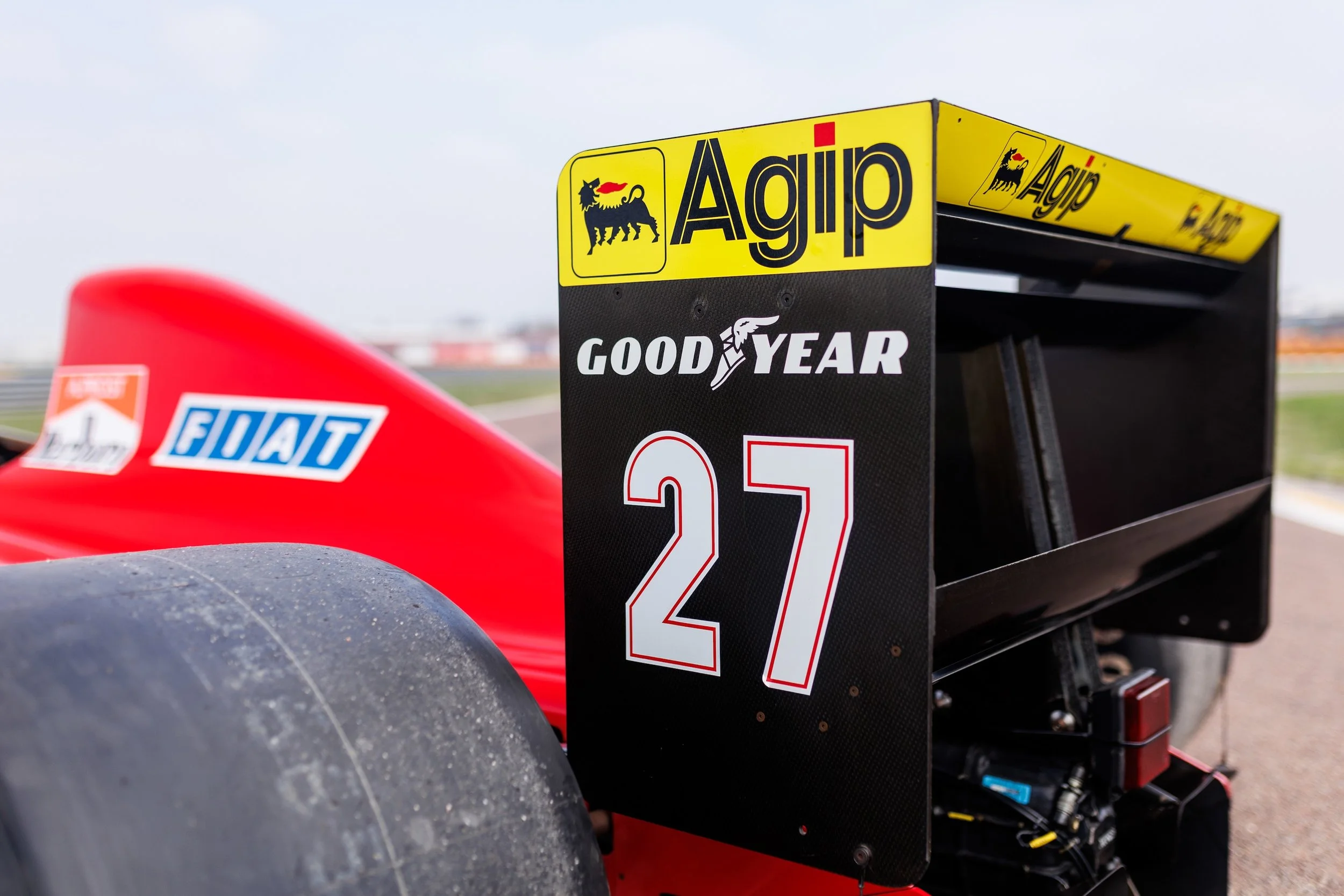
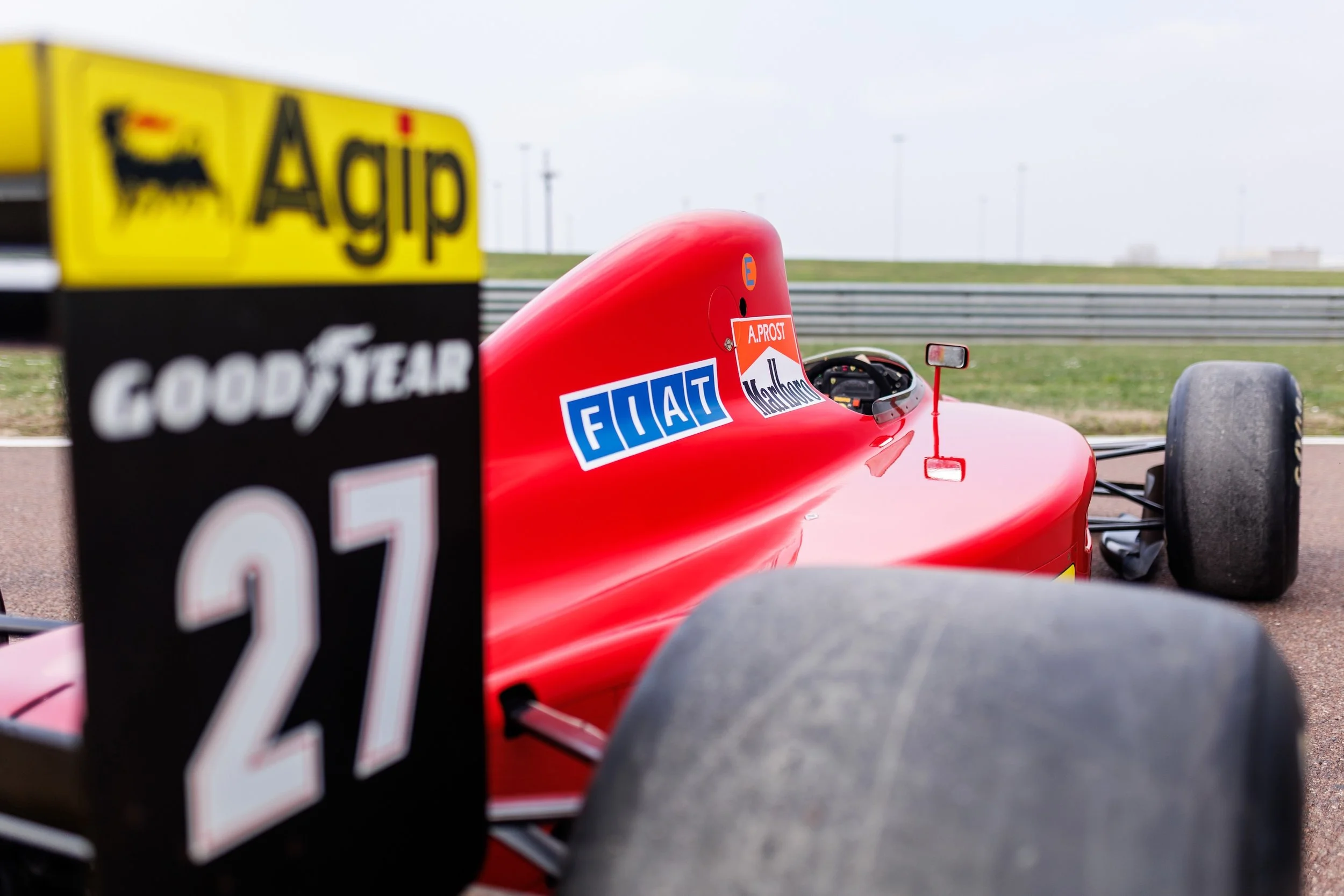
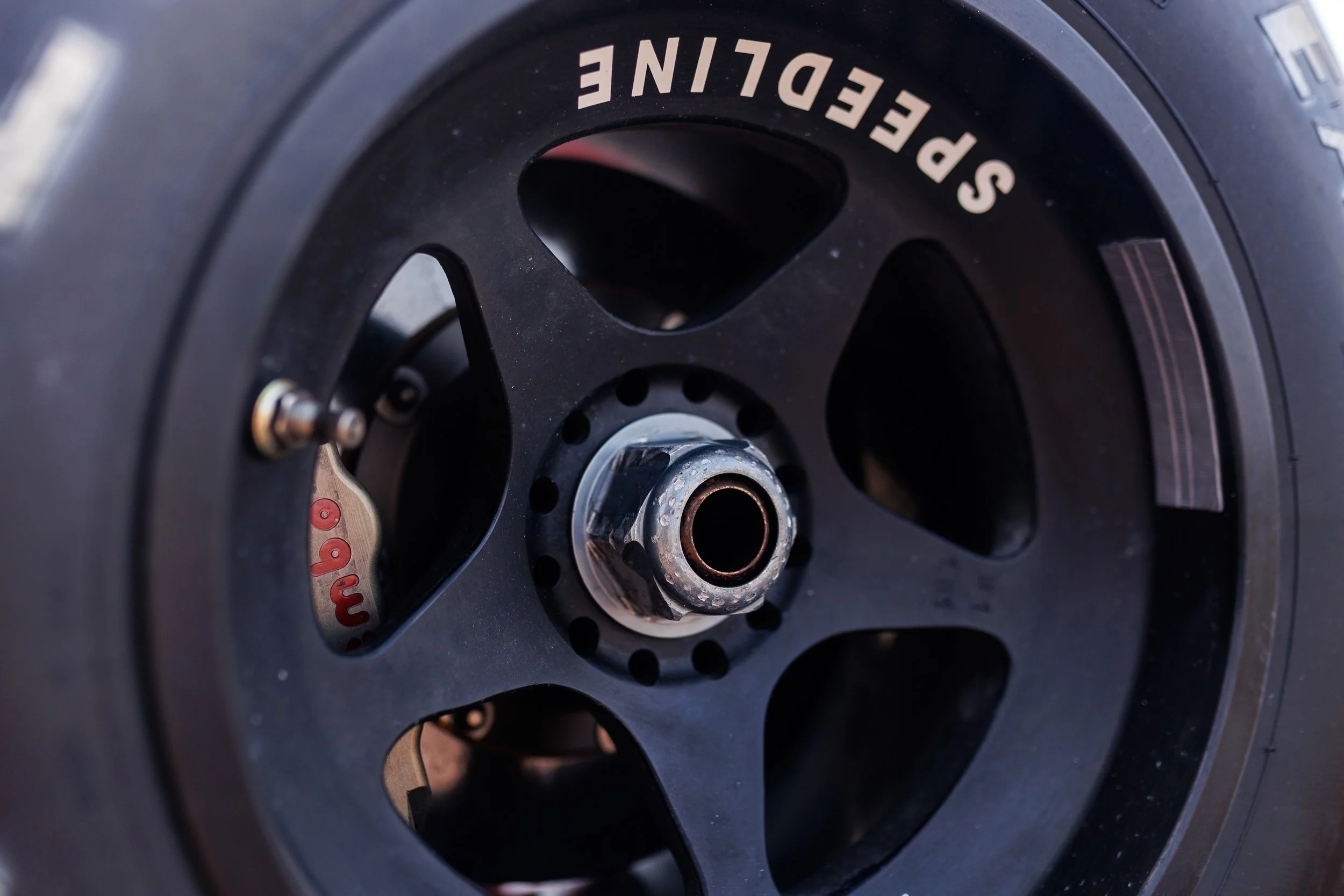
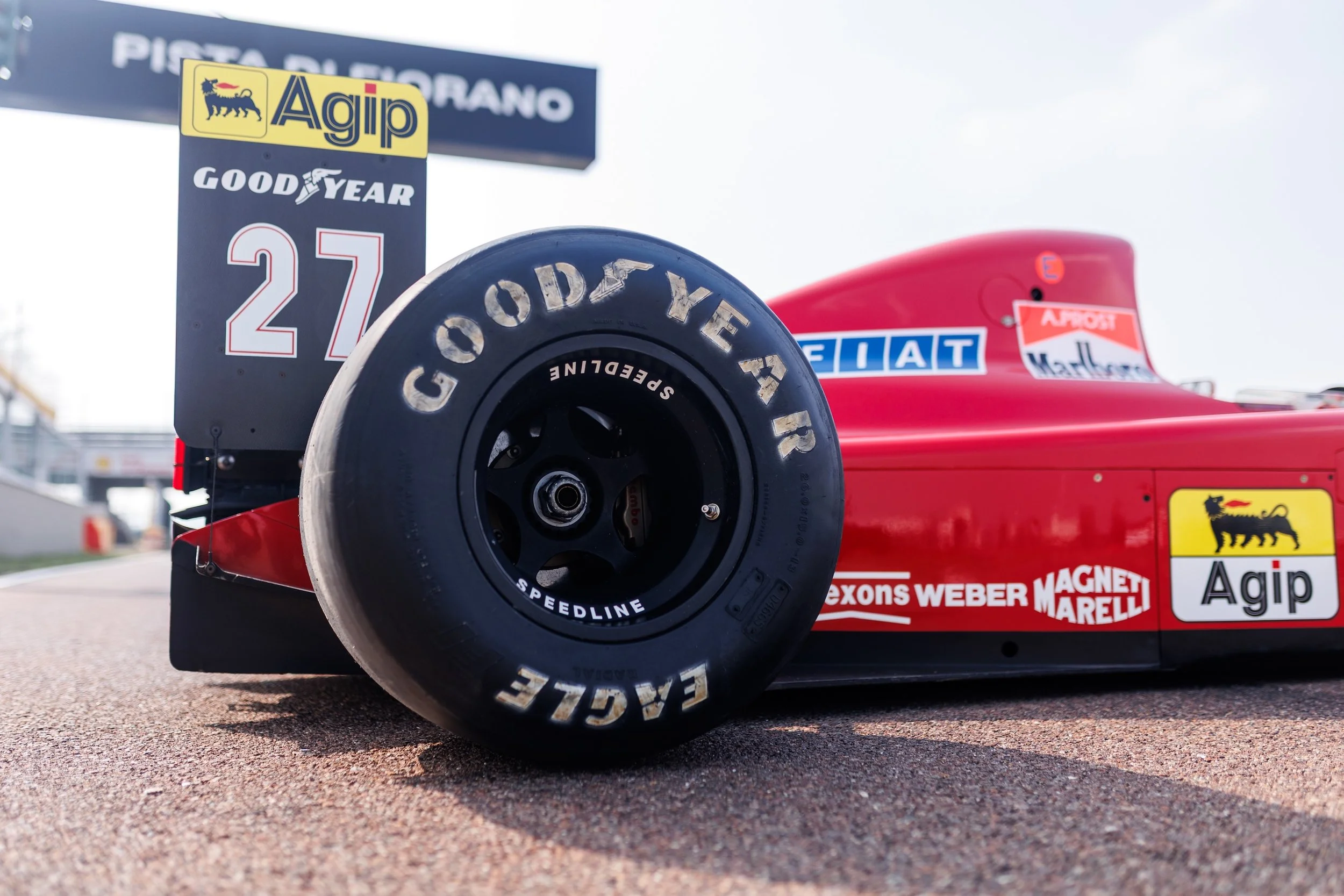
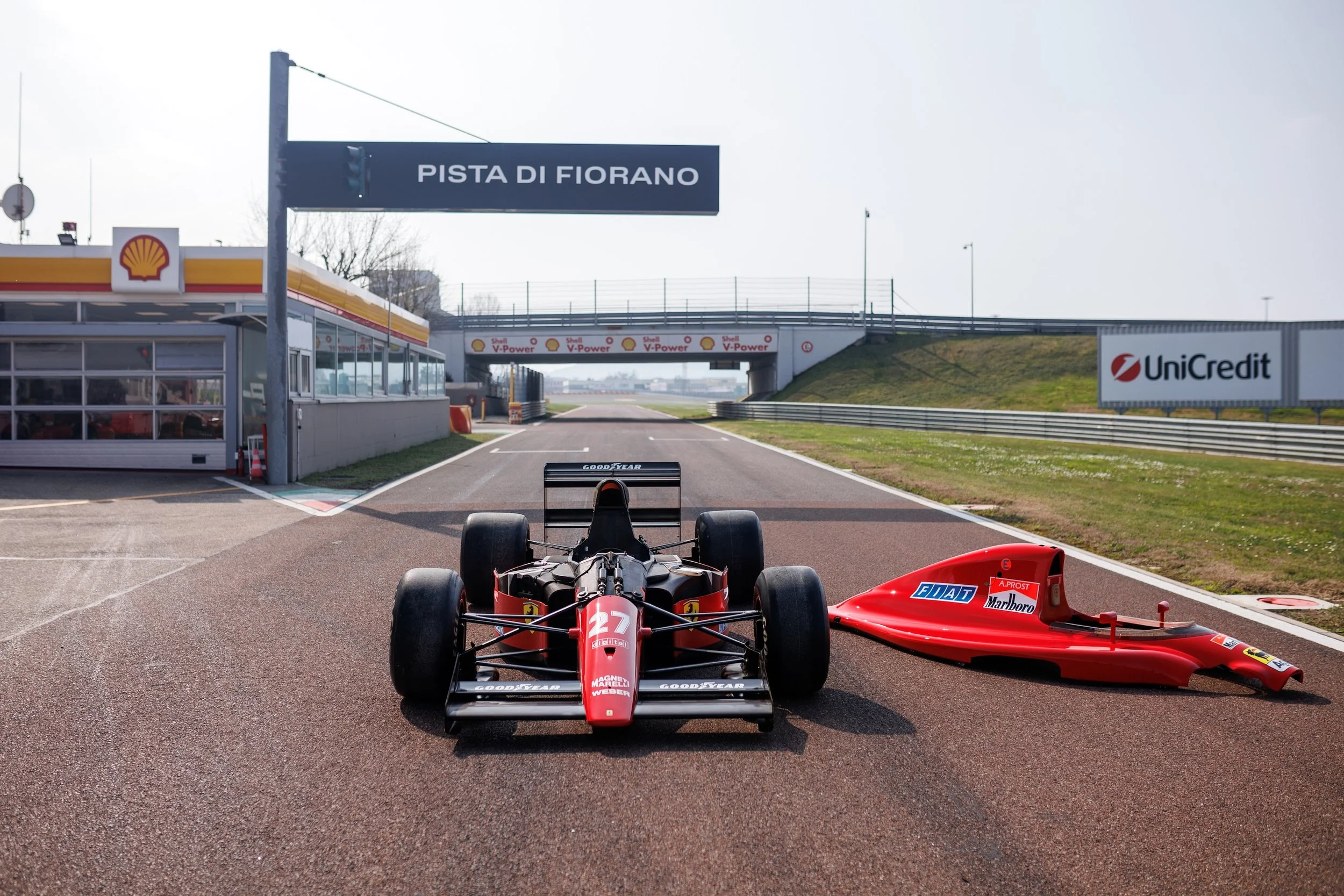
In total, five 642s were built. Chassis number 125, seen here, first appeared at the Brazilian Grand Prix in late March, where it was taken to Interlagos as a spare car. In a race famous for Senna scoring his first home victory after persevering through a failing gearbox and extreme physical pain, Prost finished fourth ahead of Alesi in sixth.
Round three at Imola marked the arrival of a major upgrade package for the 642, which gained a tweaked front wing, more squared-off sidepods, a revised airbox and diffuser, plus new front dampers. Prost was due to line up third on the grid, but on the sodden circuit he spun off during the parade lap. Having stalled the engine on the wet grass, he was unable to take the start. Alesi’s afternoon also ended early when he misjudged a pass on his Tyrrell replacement, Stefano Modena, and became stranded in a gravel trap.
The 642 design would remain in service for only three more rounds before the Scuderia ushered in the untested 643 for the rest of the year. Internal politics, combined with the new car’s failure to deliver a sufficient step forward, ultimately led to Prost leaving the team ahead of the final race in Australia.
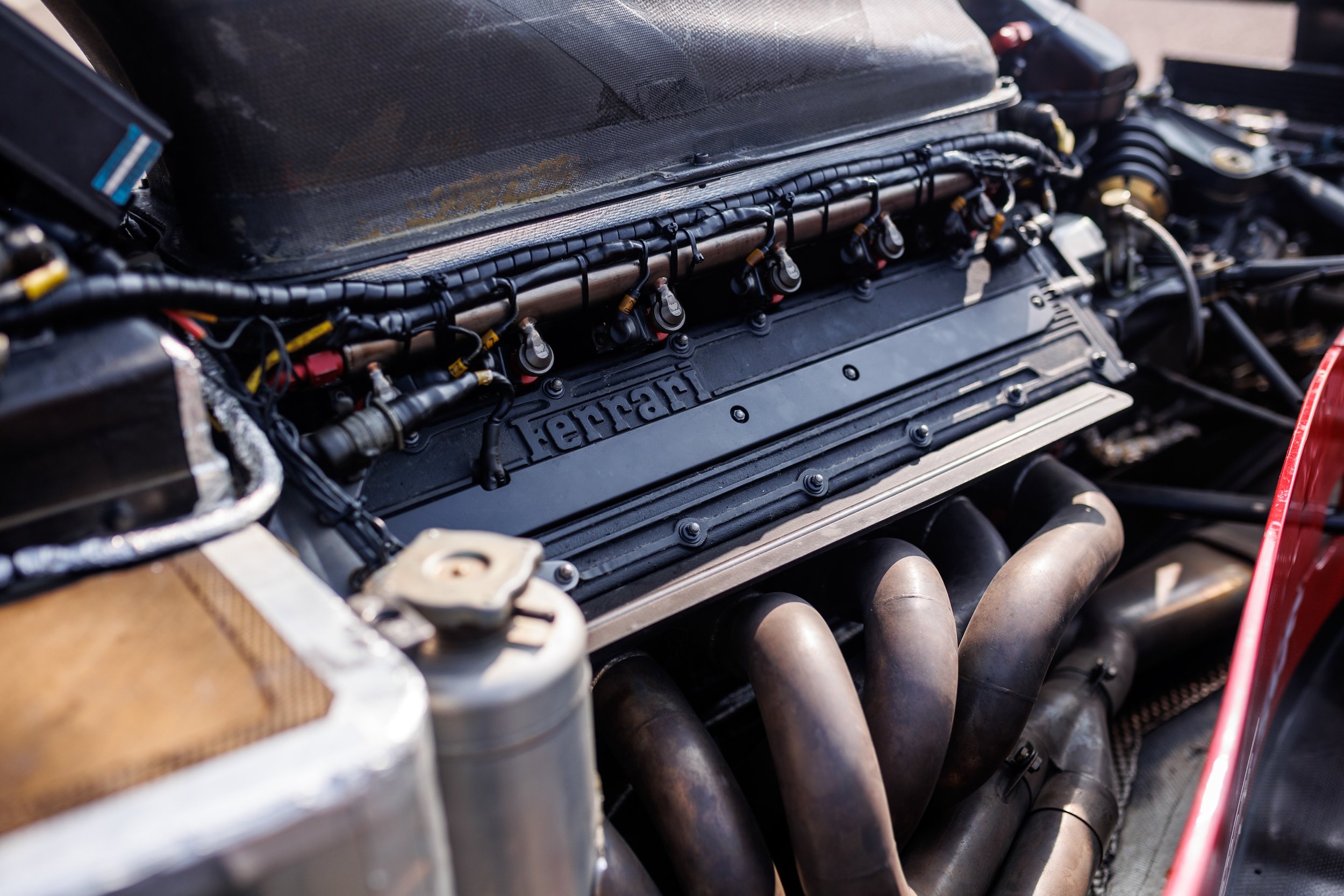
Although the 642 did not last the full season, its heart lived on. The atmospheric 3.5-litre V12 formed the basis of the engine later used in the Ferrari F50. Introduced in 1995, the flagship supercar’s F1-derived powerplant was enlarged to 4.7 litres, produced 520 horsepower, and served as a fully stressed member of the chassis.
Disclaimer:
Article and photography courtesy of RM Sotheby’s. All rights reserved. Materials are used for editorial purposes only and remain the property of their respective copyright holders.
Photos by©️2026 Courtesy of RM Sotheby’s