
In Pictures: Bahrain at Malaysia 2026
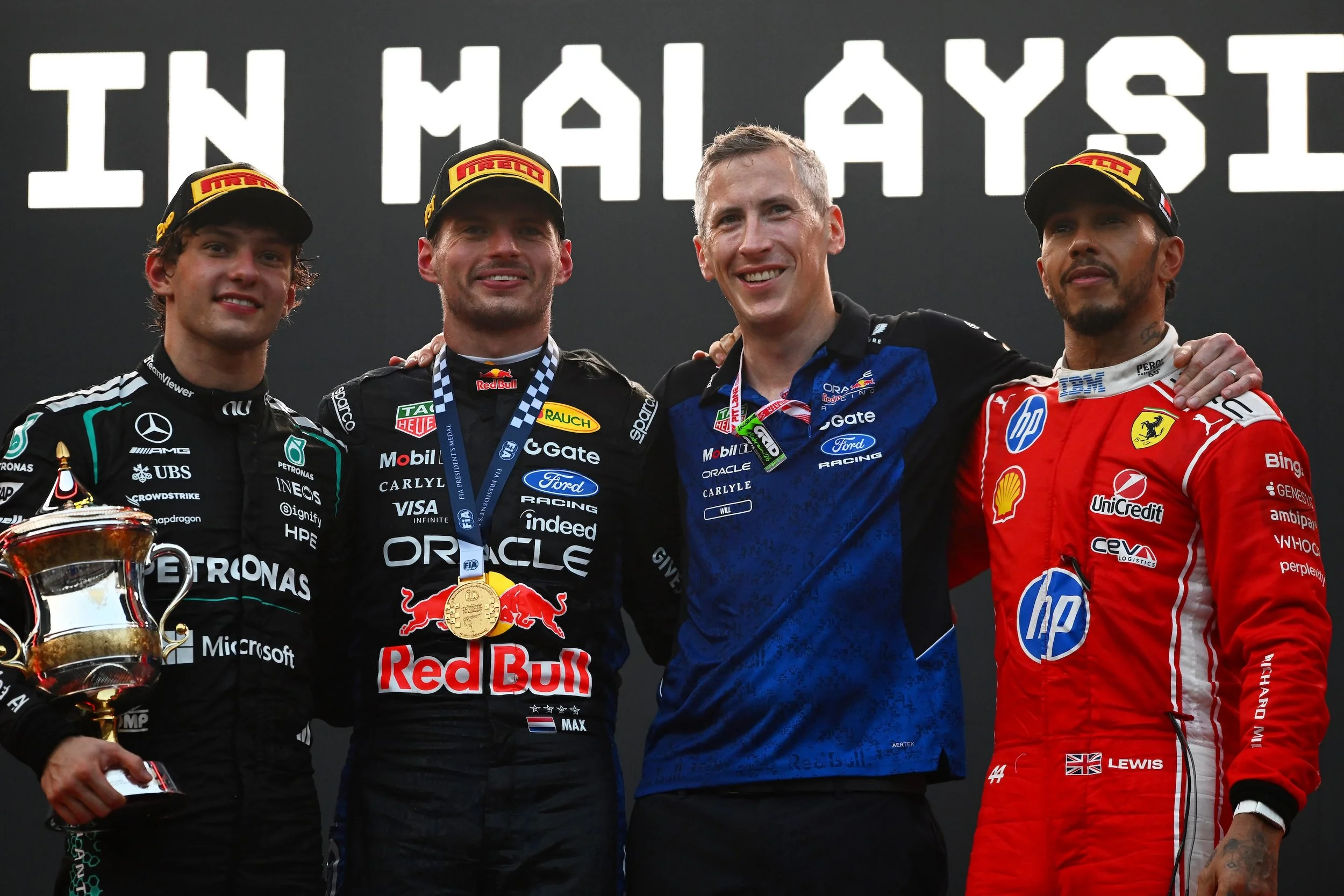
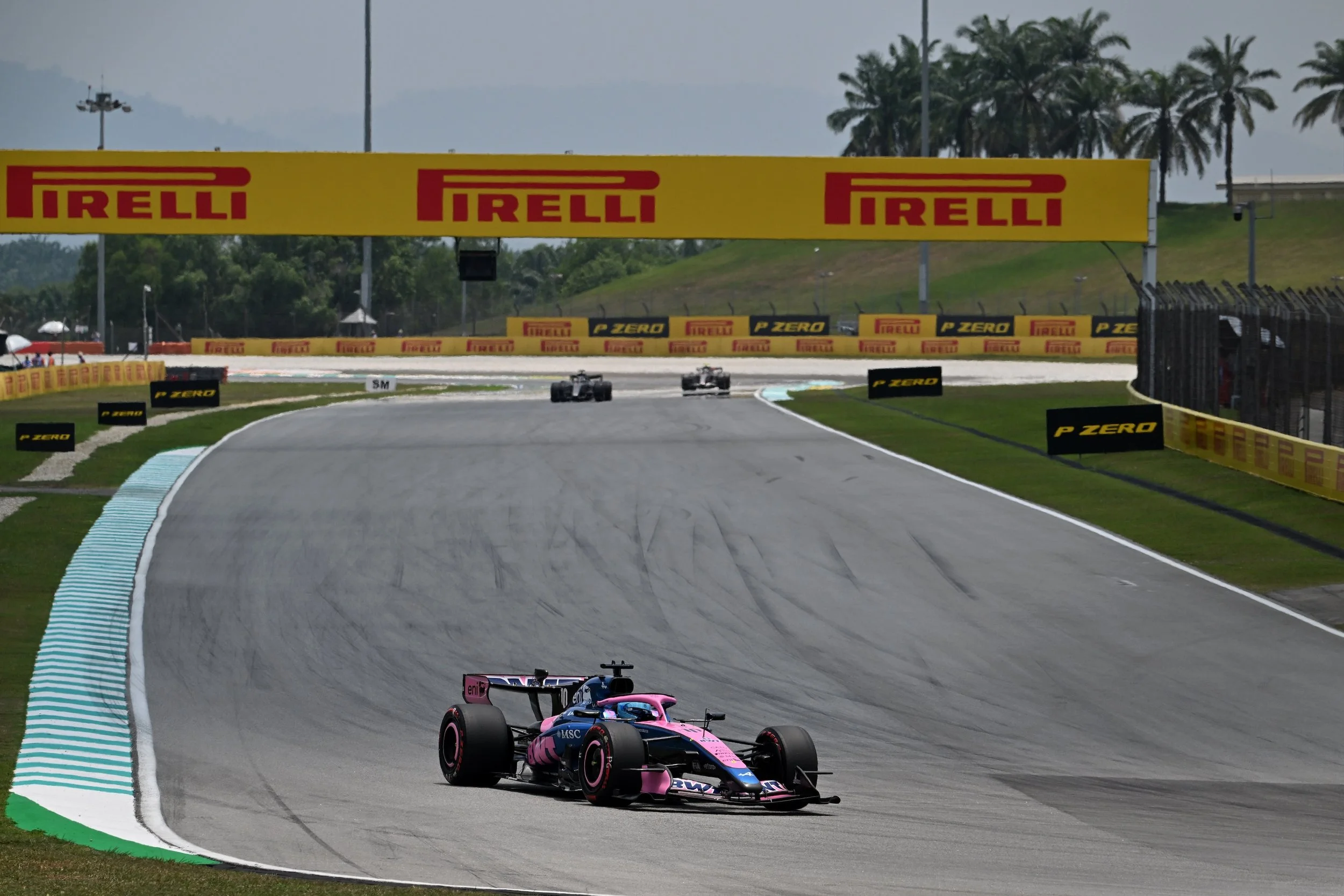
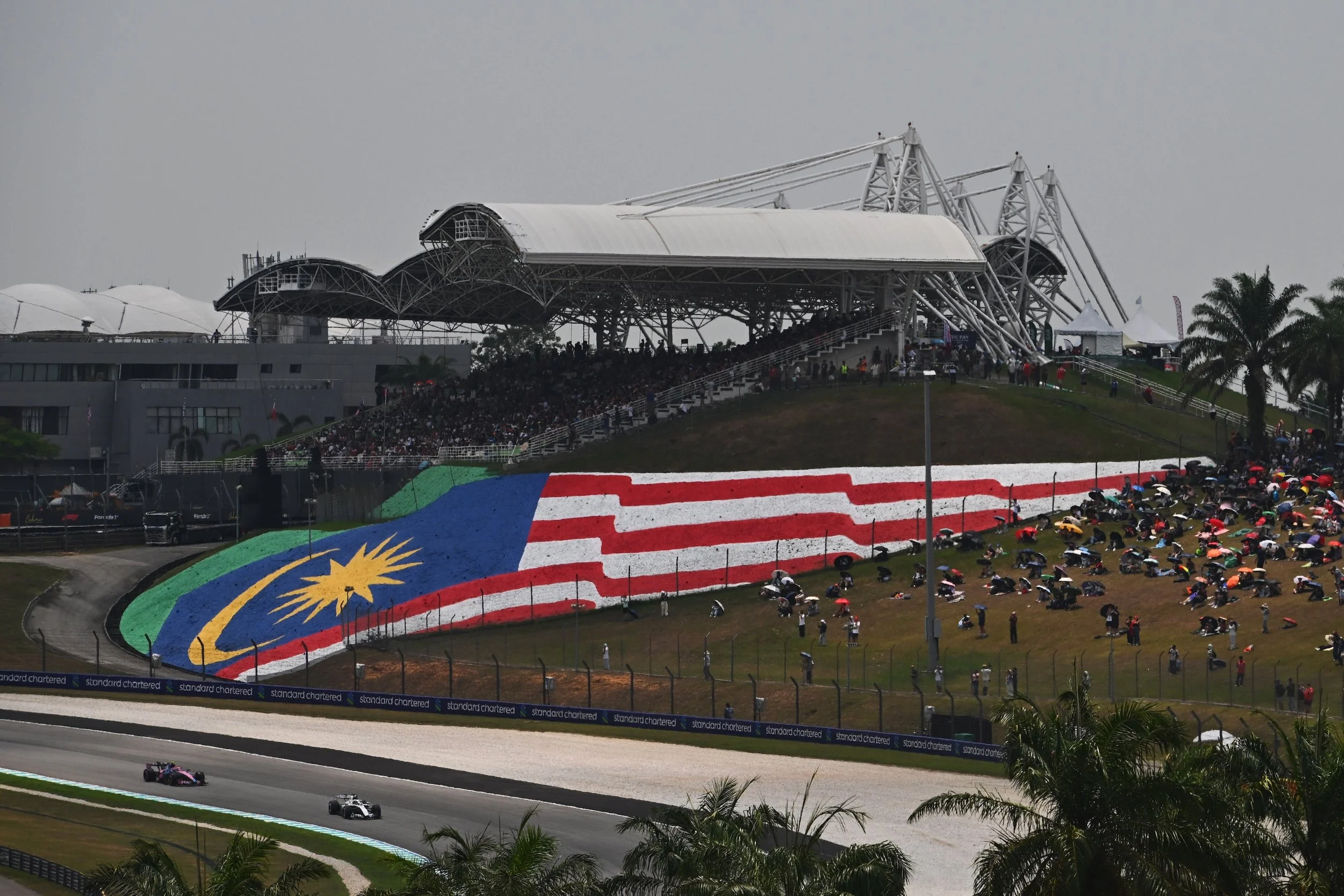
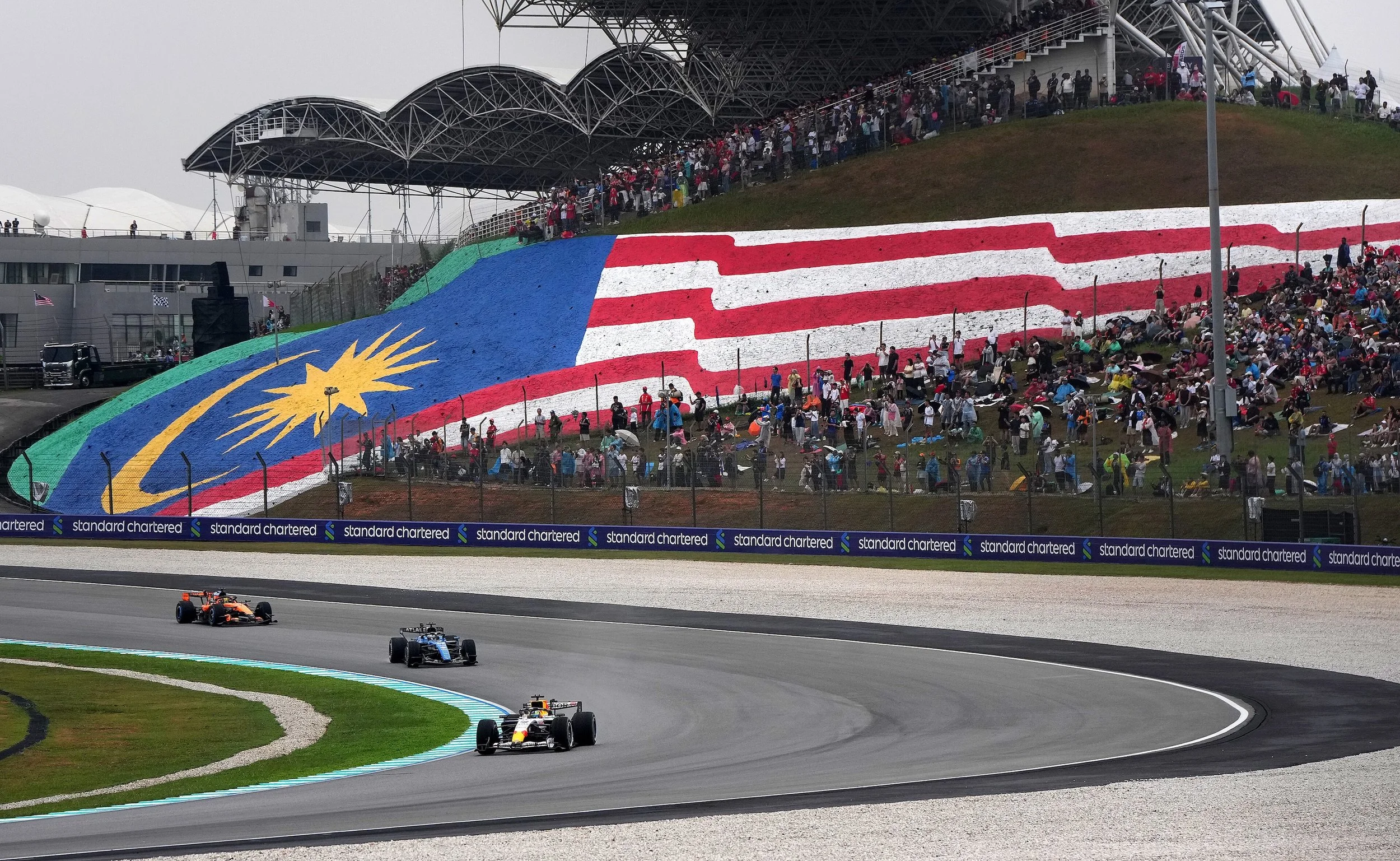
After a nine-year absence, the Sepang International Circuit hosted a Formula 1 World Championship Grand Prix once again. The Bahrain Grand Prix was held at the Malaysian venue, presenting teams and drivers with a significant challenge. The last Formula 1 race at Sepang took place in 2017, when both the cars and the tires were markedly different from those used today.
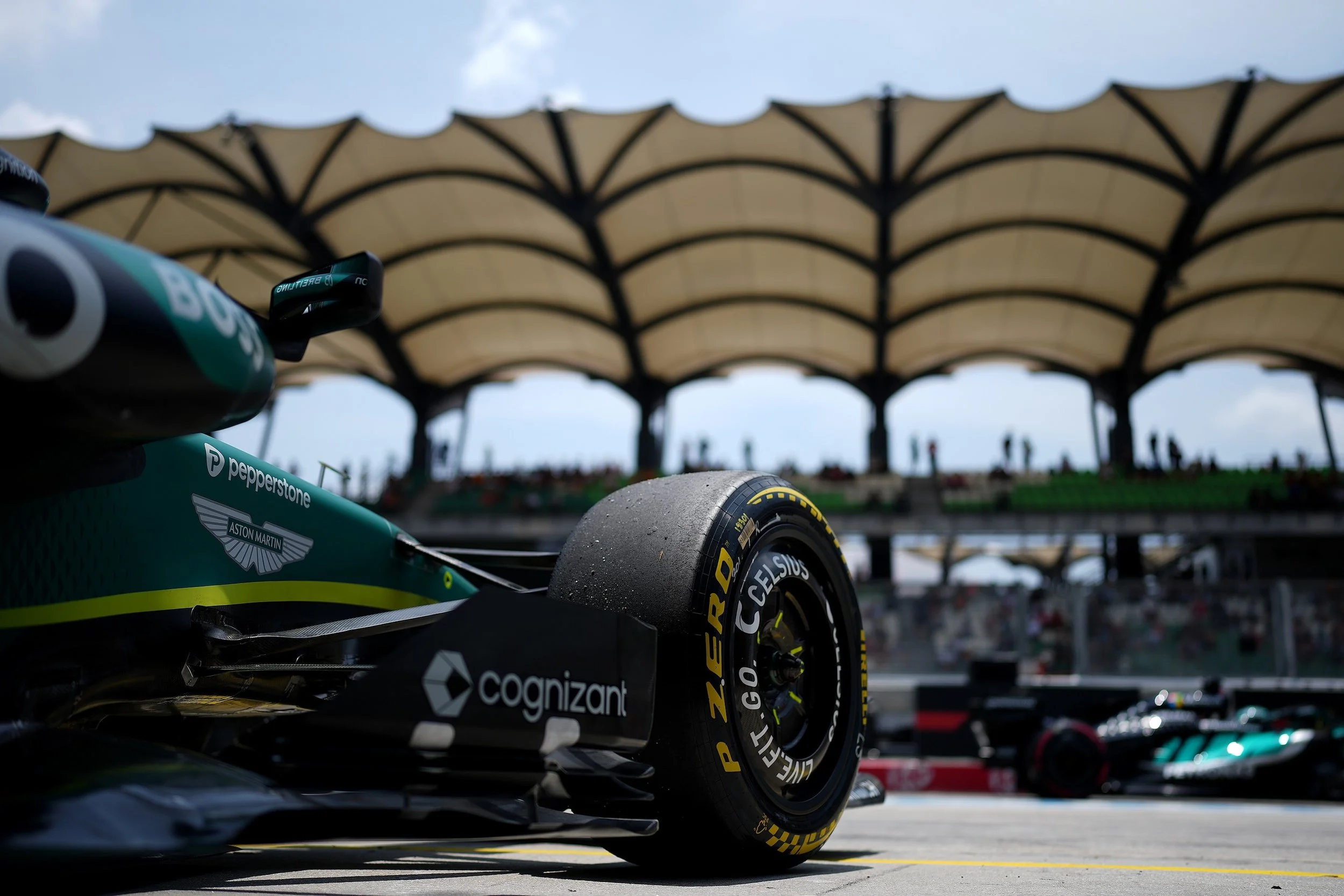
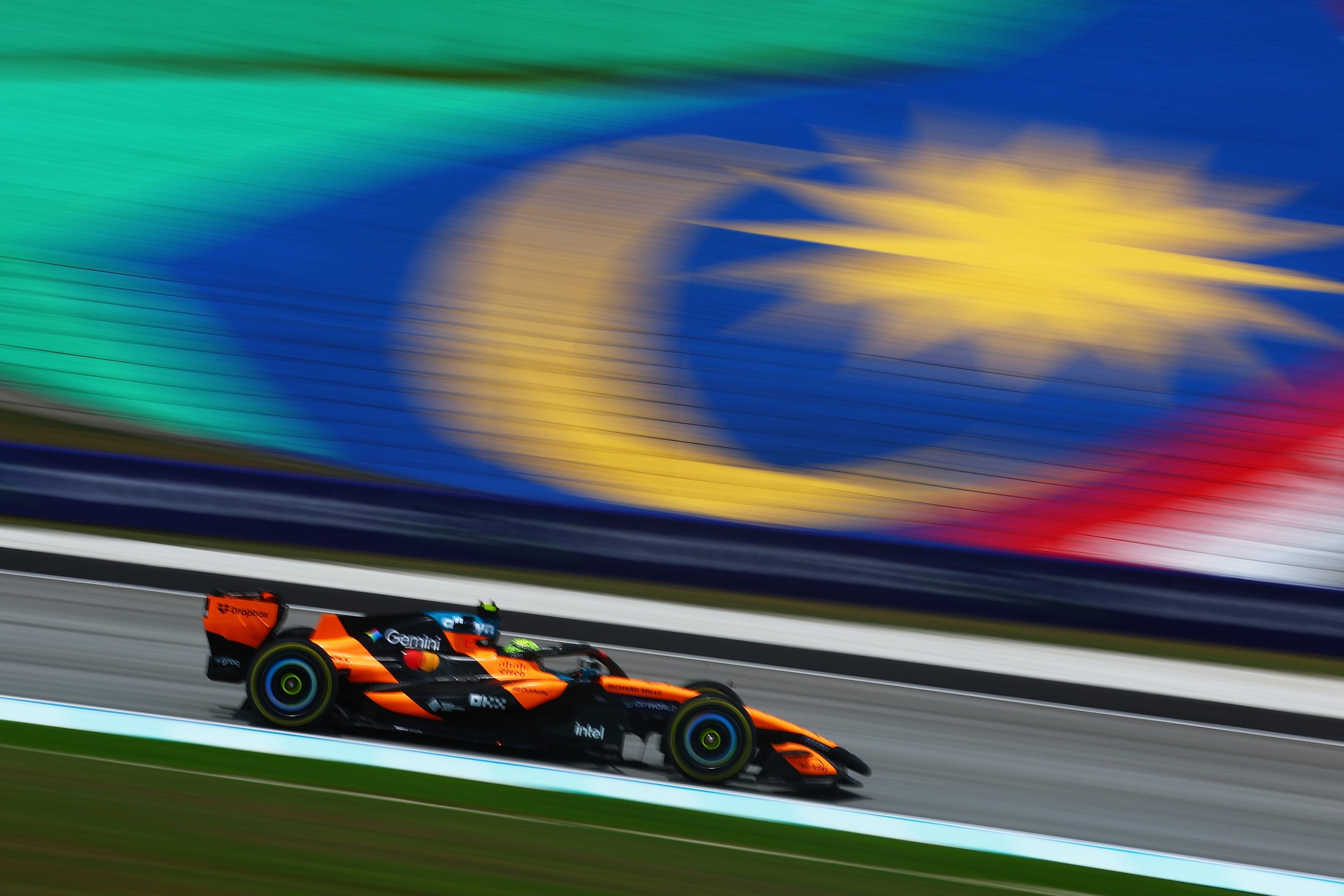
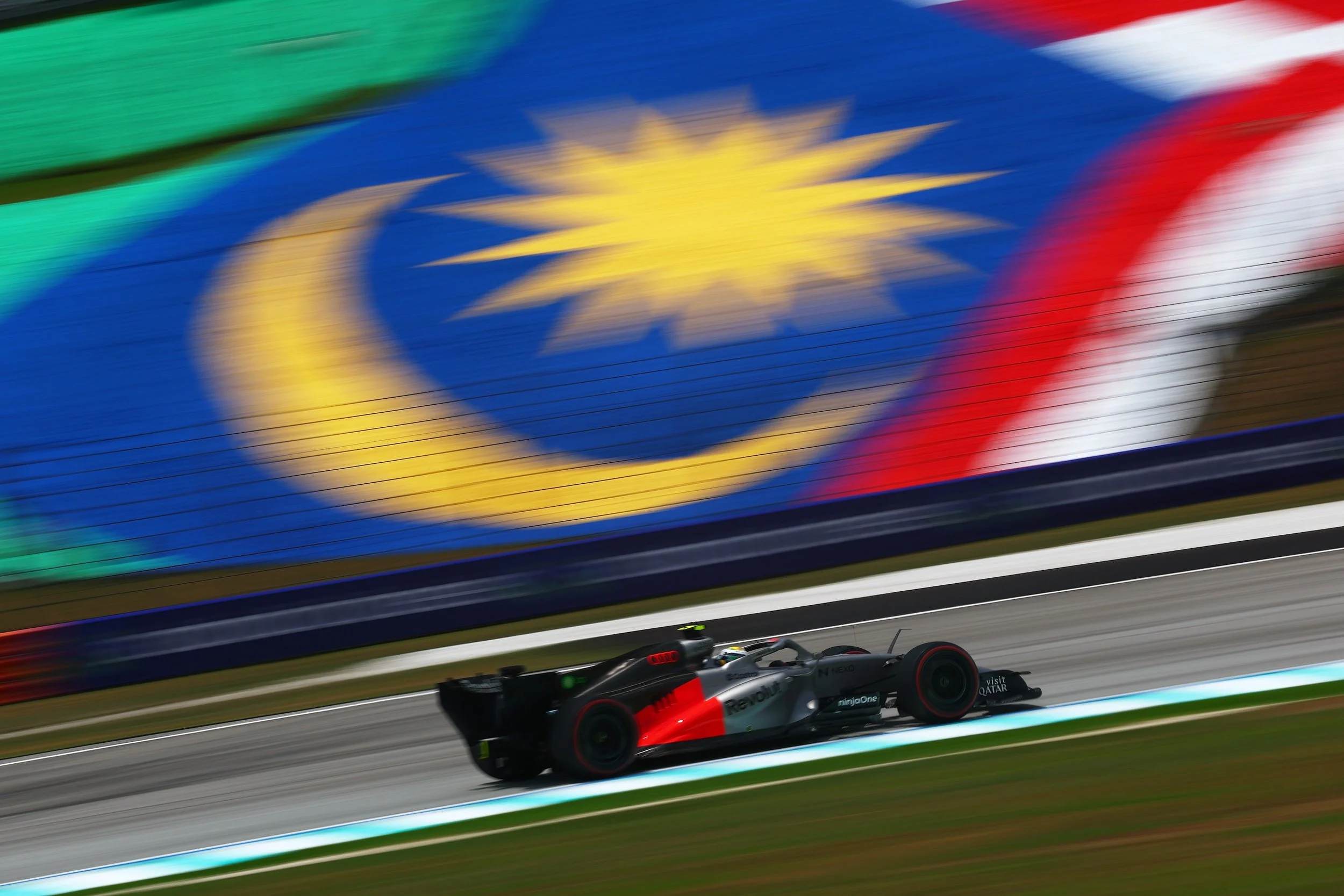
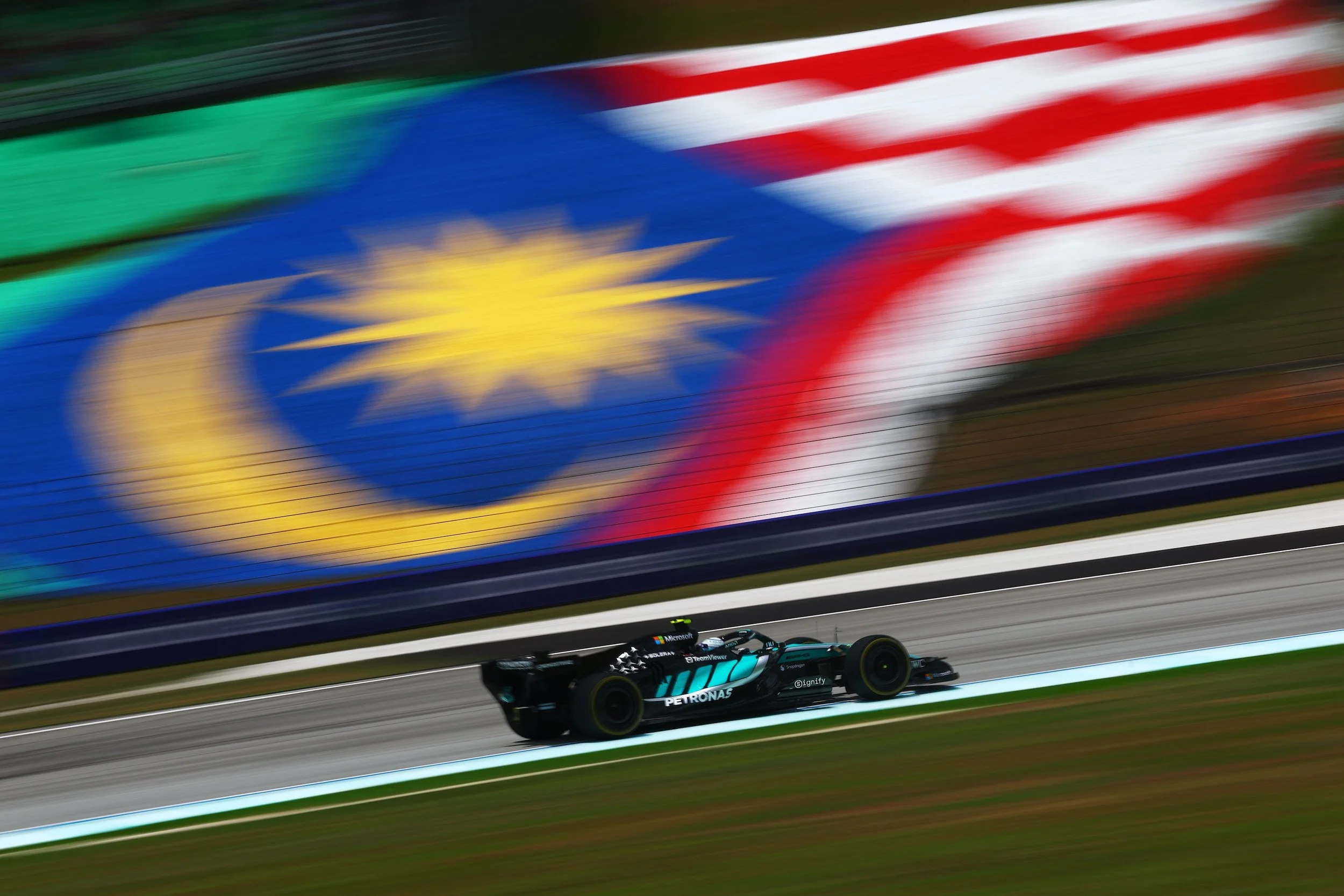
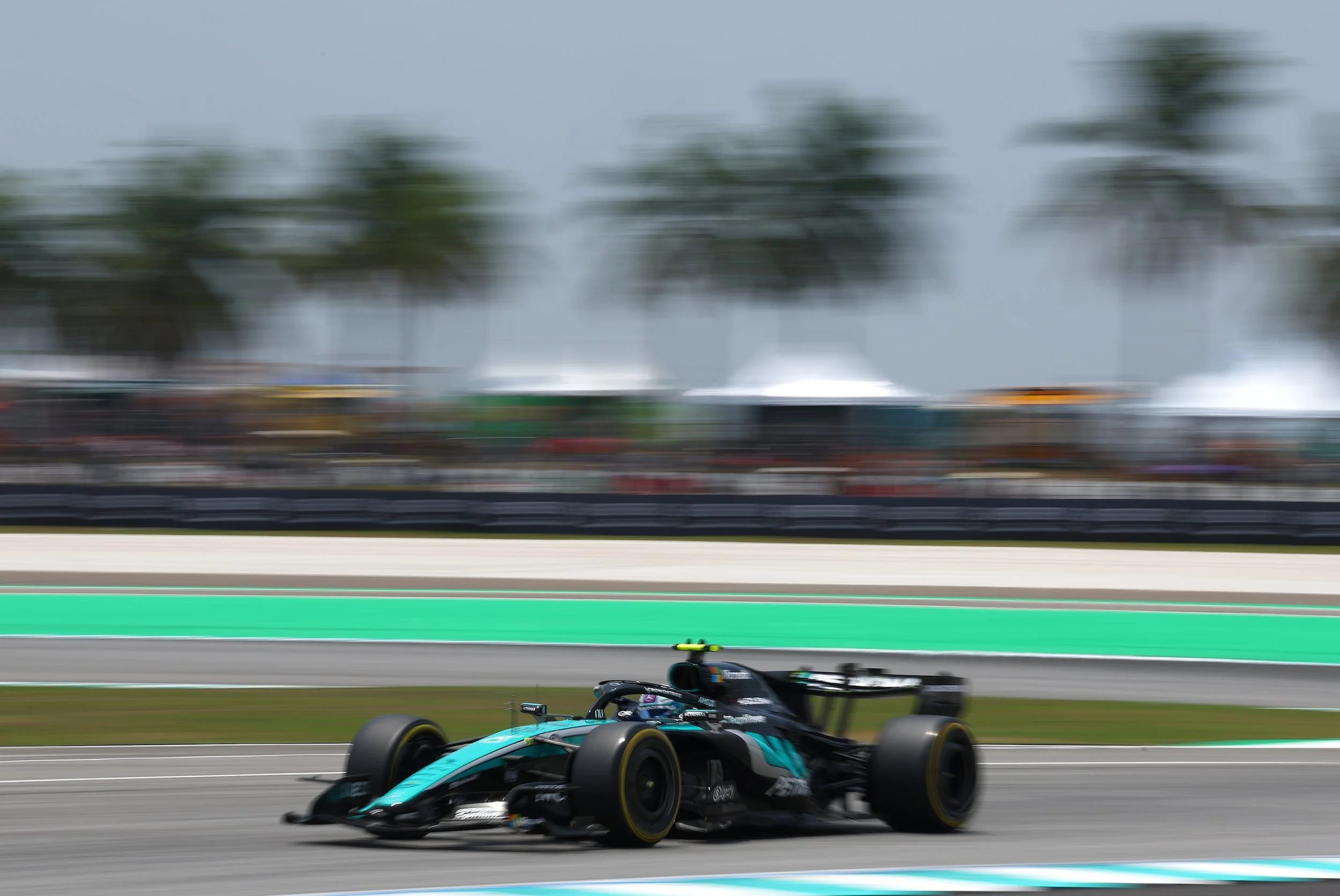
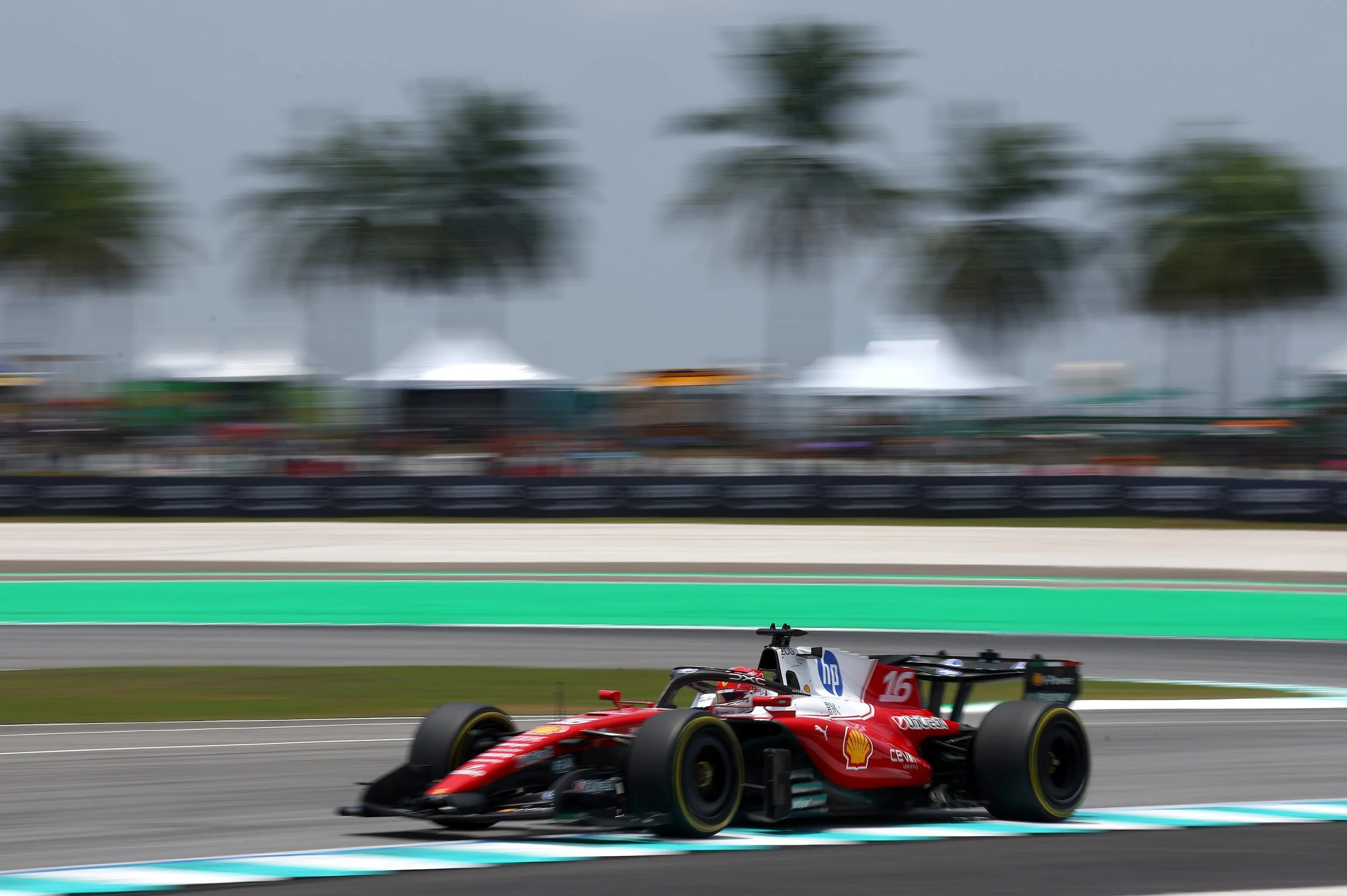
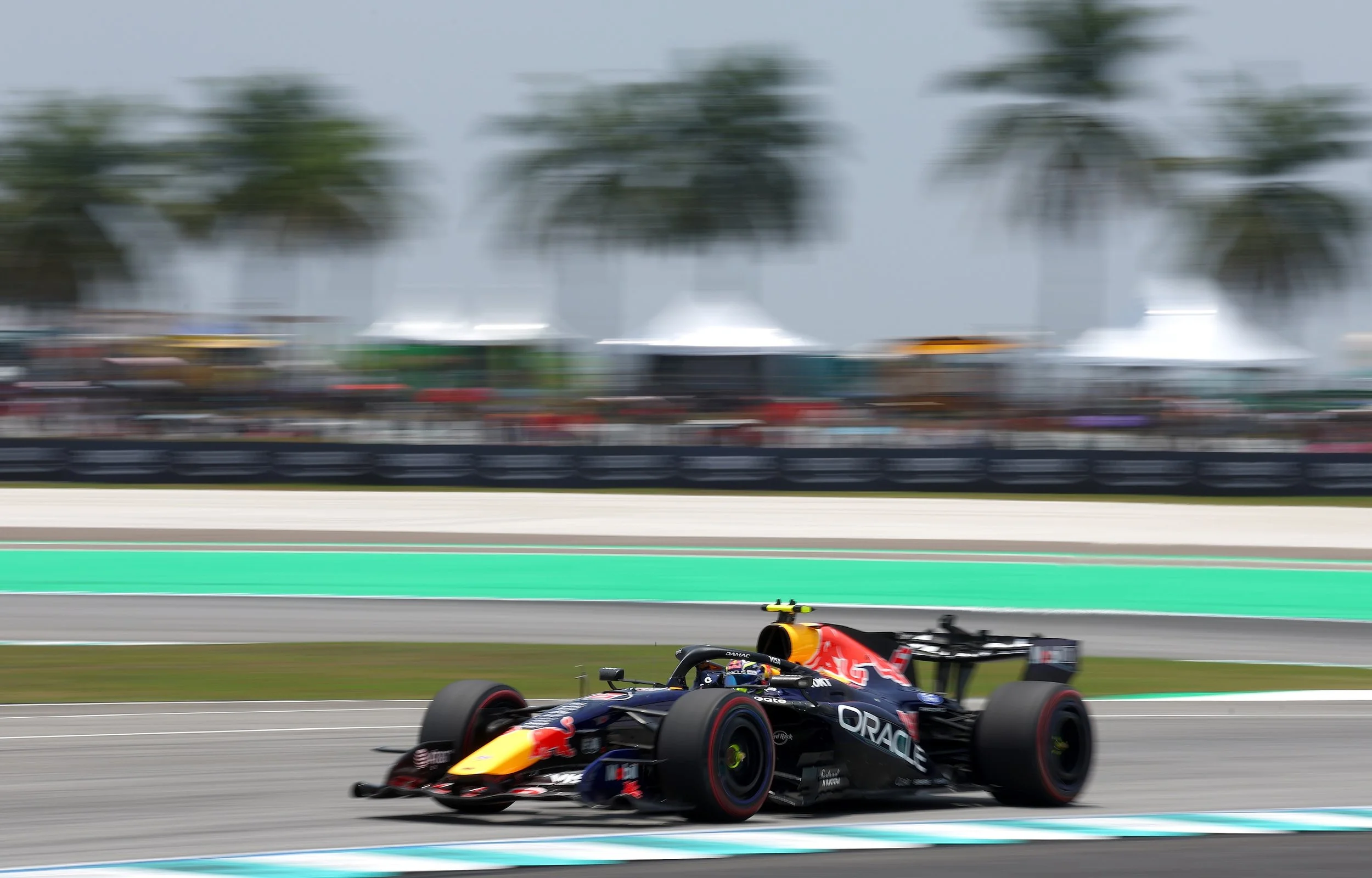
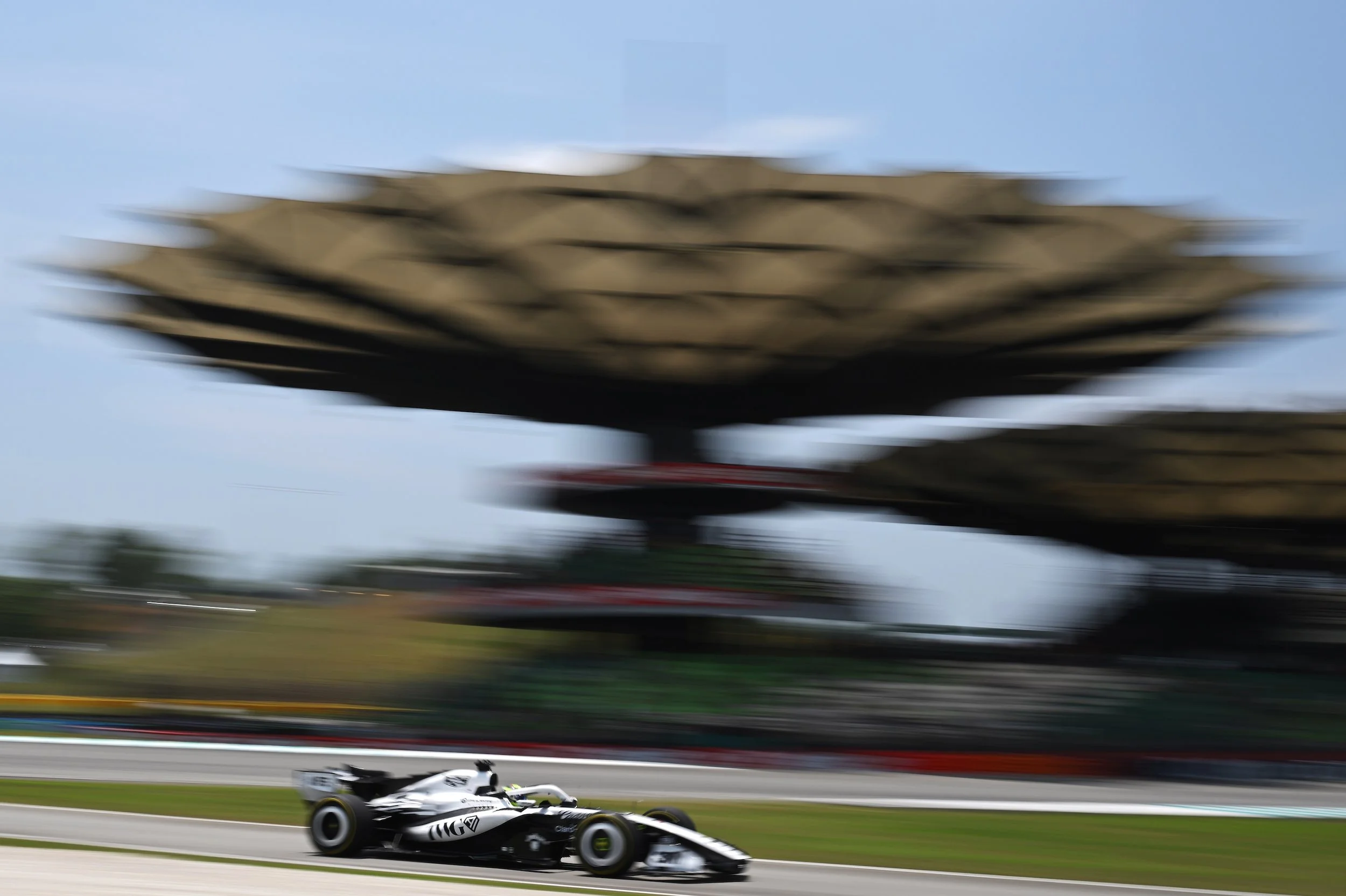
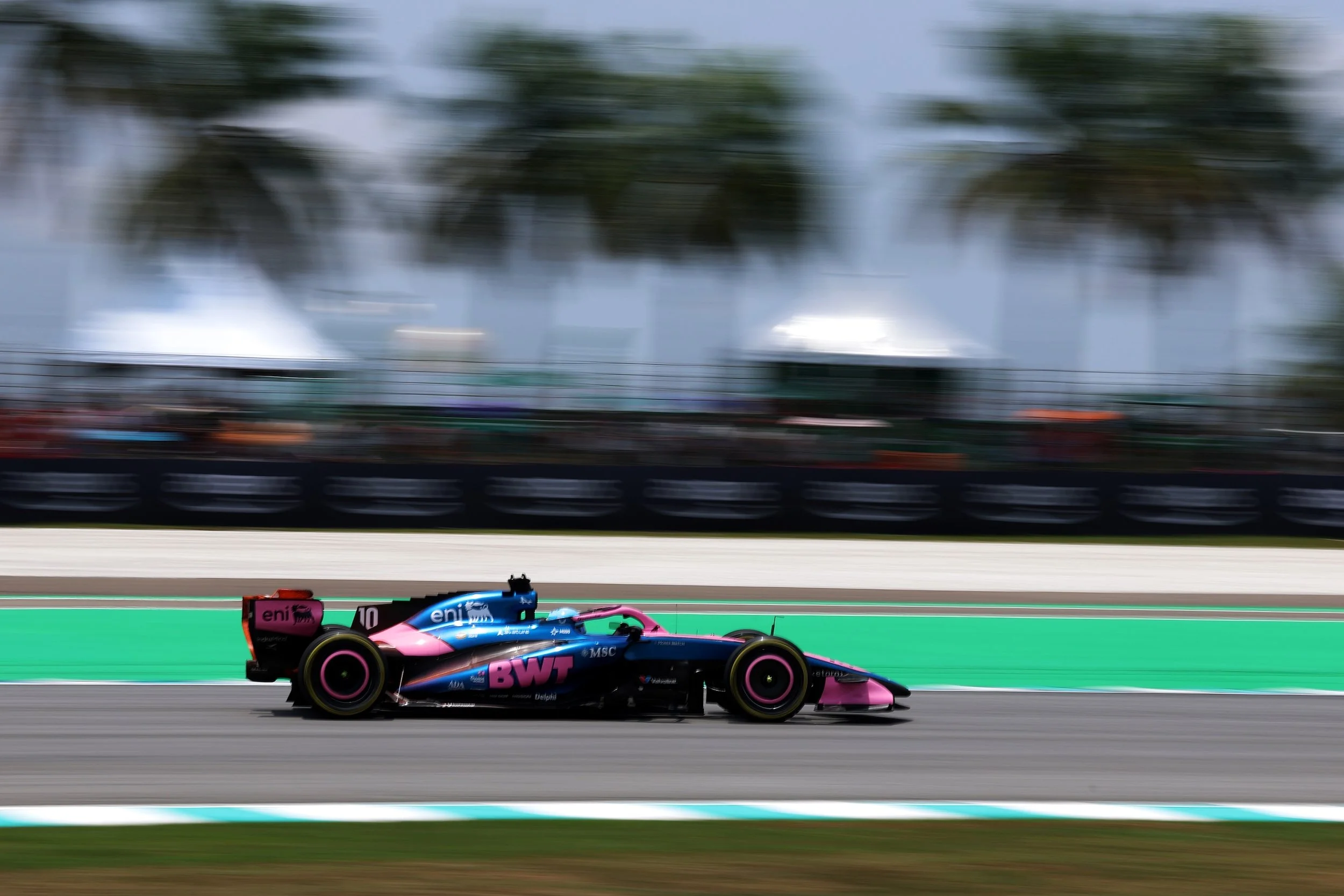
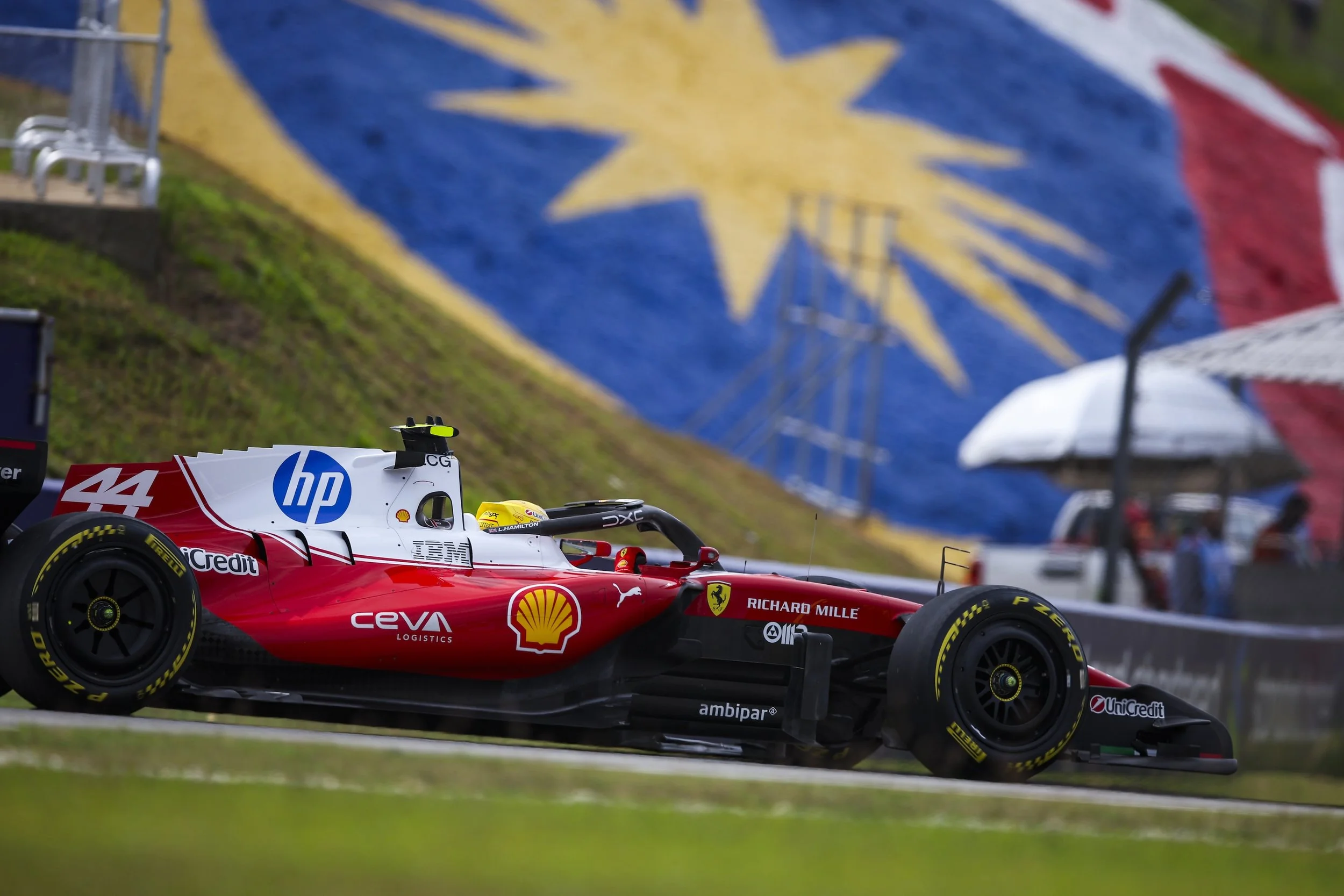
Located just a few kilometres from Kuala Lumpur, the circuit is 5.543 km (3.445 miles) long and combines lengthy straights with a series of high-speed corners, particularly concentrated in the middle sector. It is a track that generates medium energy levels through the tires, placing it in a severity range comparable to Spa-Francorchamps and Shanghai. Ambient and track temperatures were also an important factor in tire management, making thermal degradation one of the key variables throughout the weekend.
STATISTICS
The 2026 event was the twentieth Grand Prix held at Sepang, which was part of the Formula 1 calendar from 1999 to 2017. The driver with the most victories in Kuala Lumpur is Sebastian Vettel, with four wins, one more than Michael Schumacher and Fernando Alonso. Among the teams, Scuderia Ferrari holds the record with seven victories.
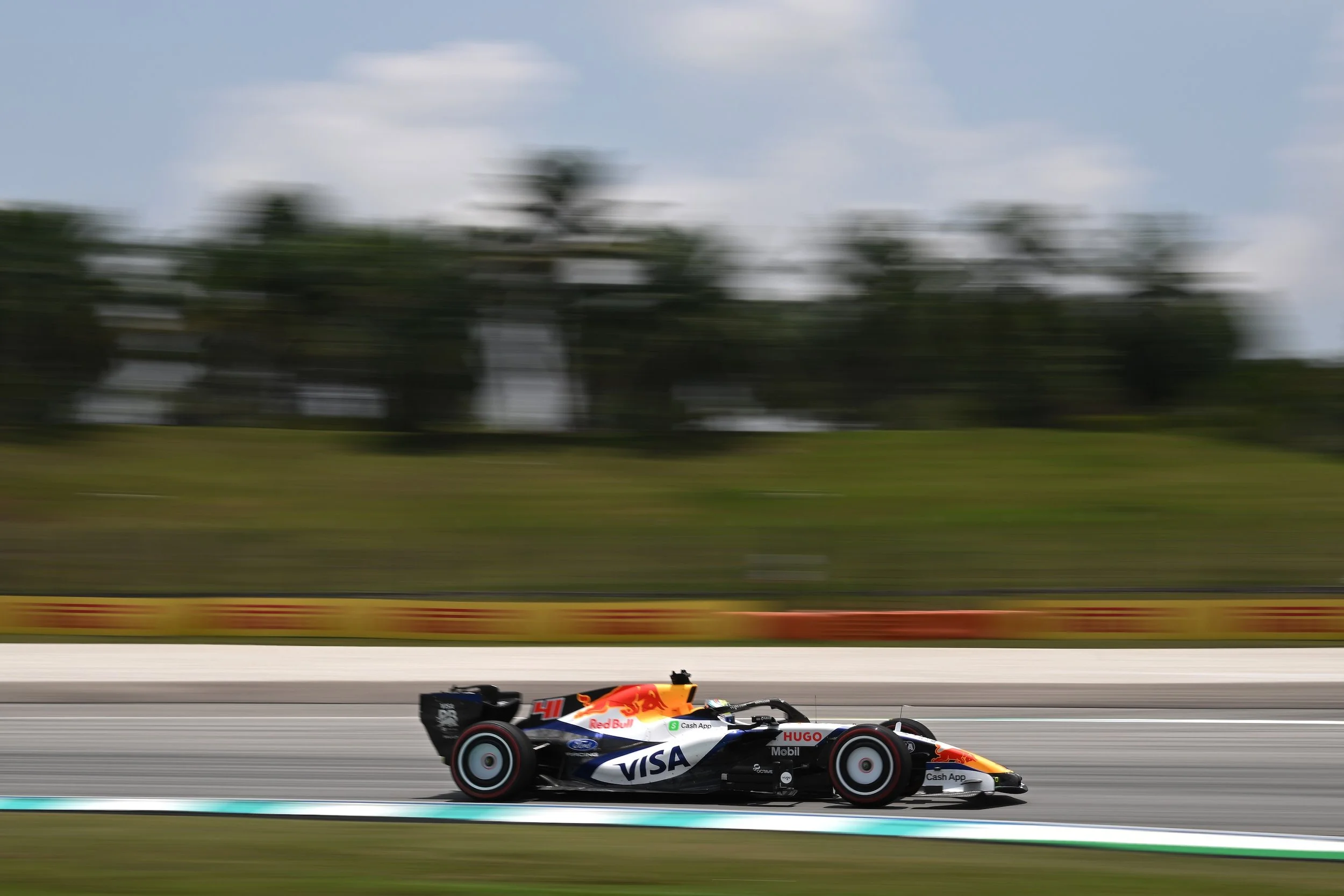
FRIDAY
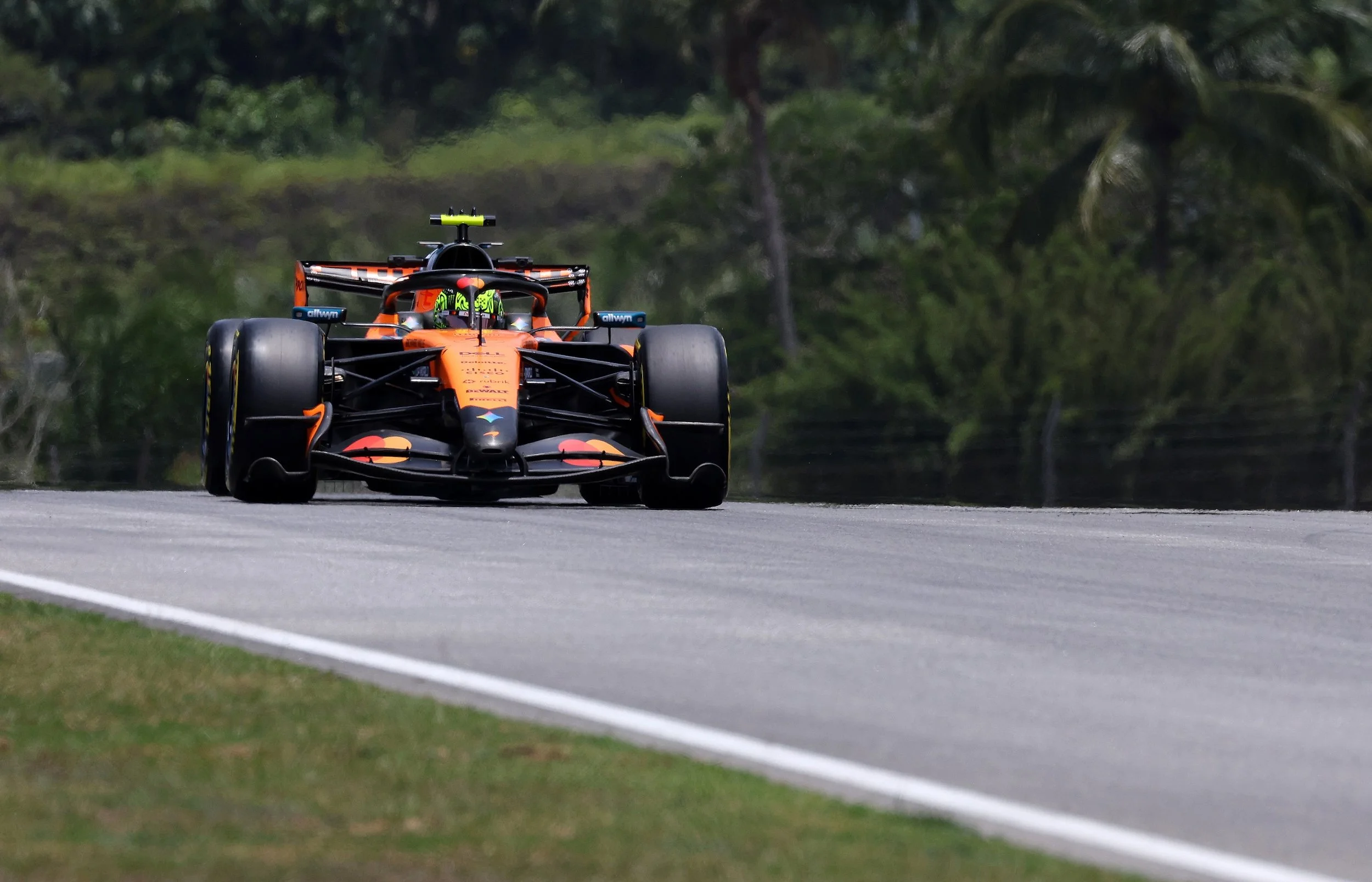
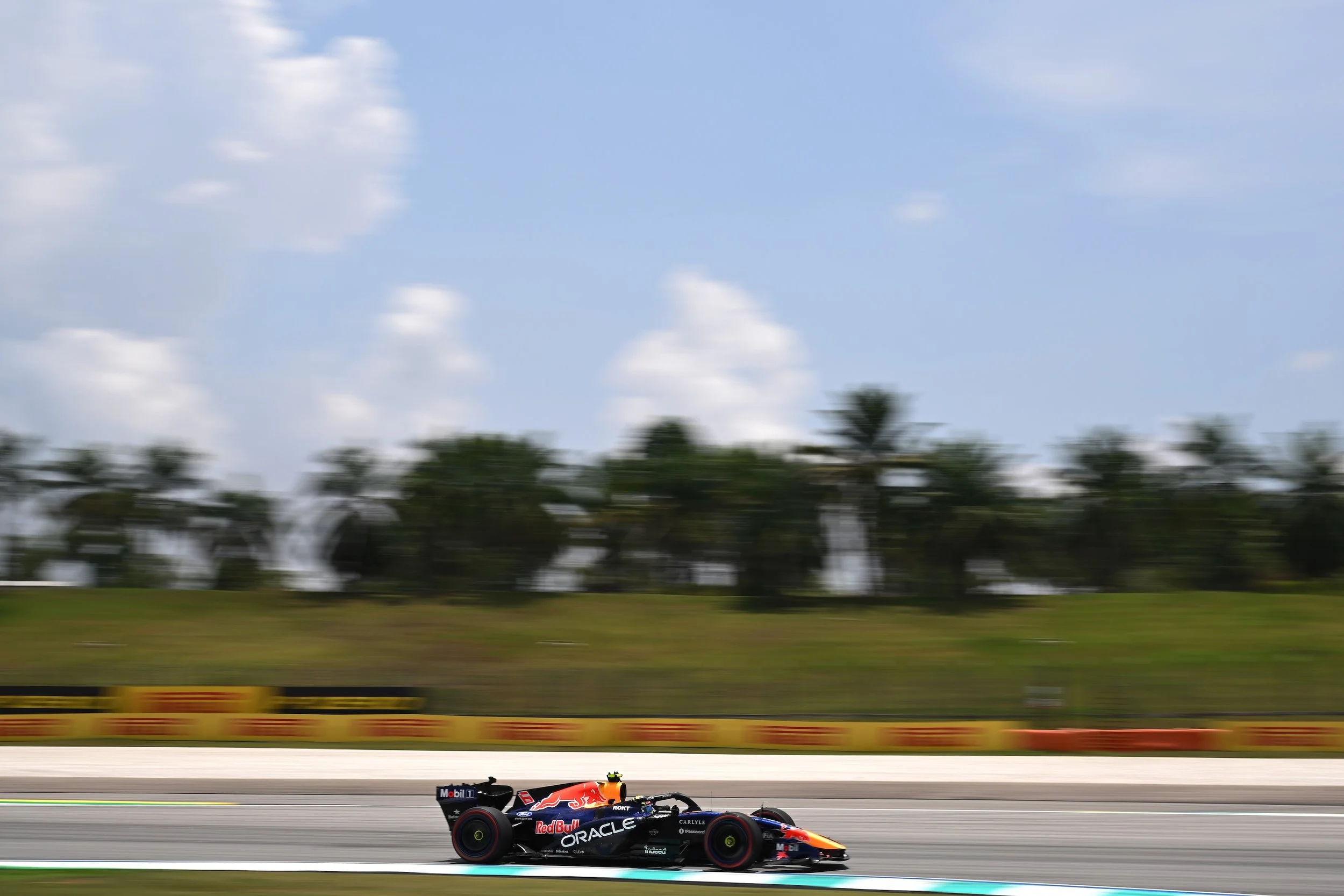
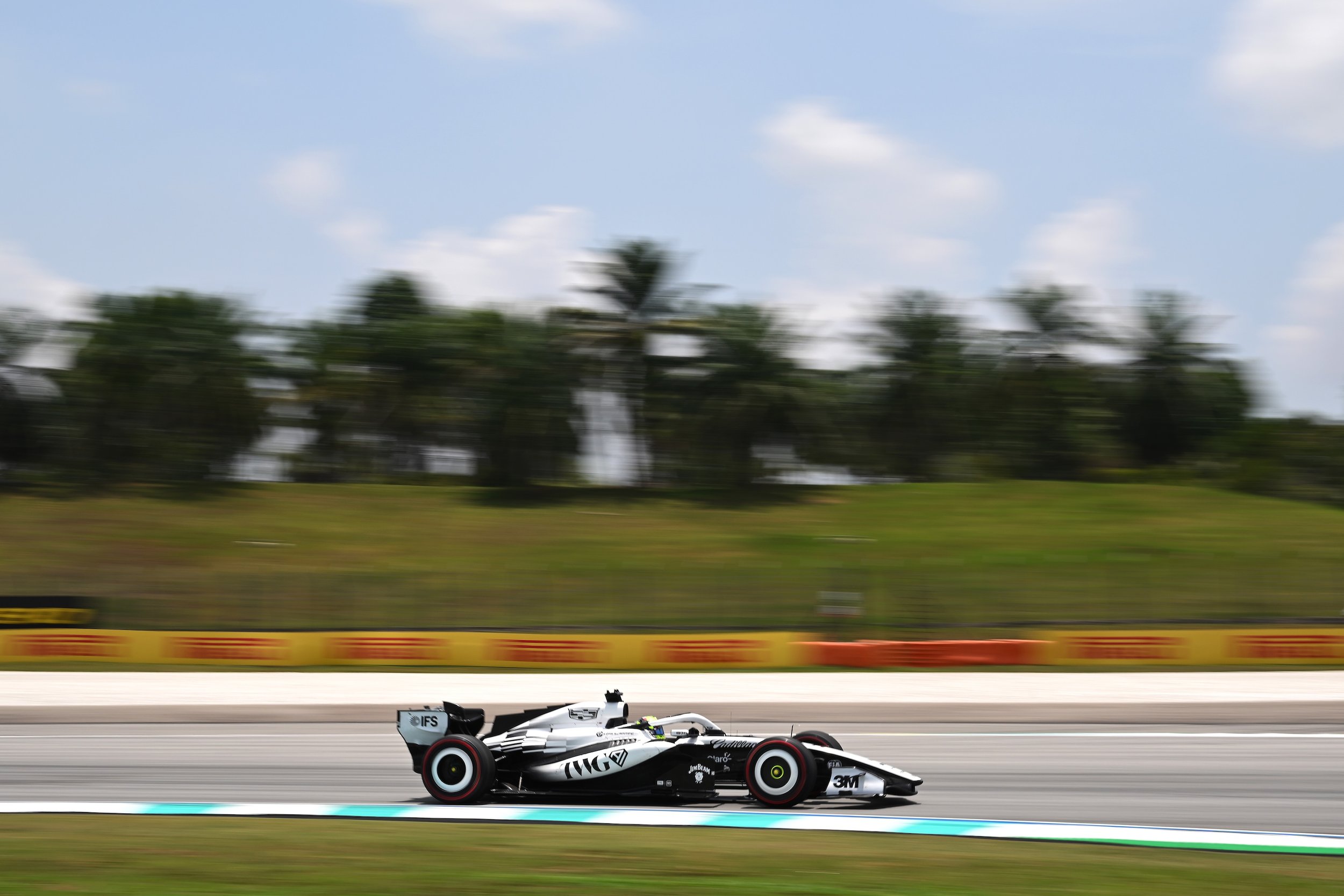
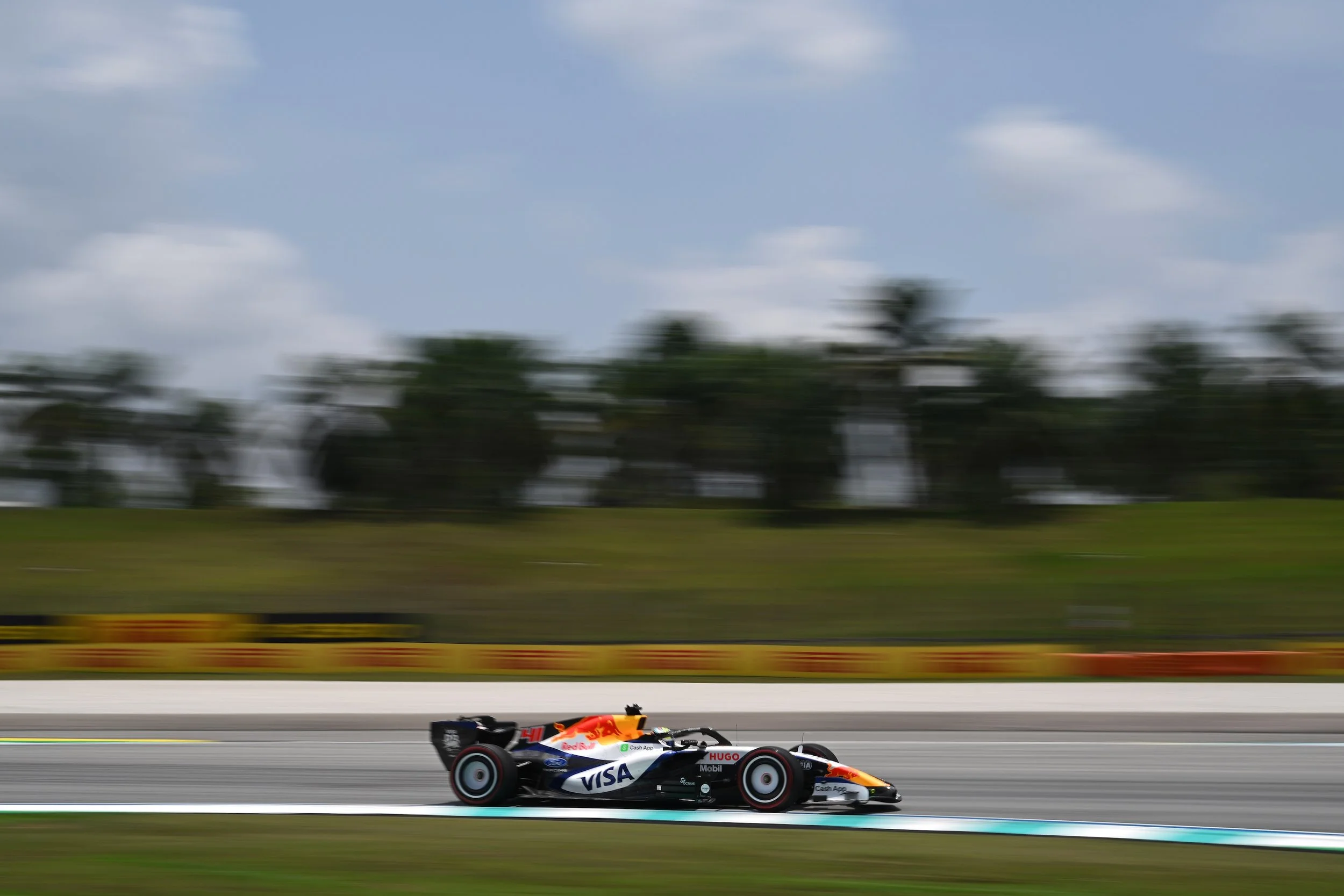
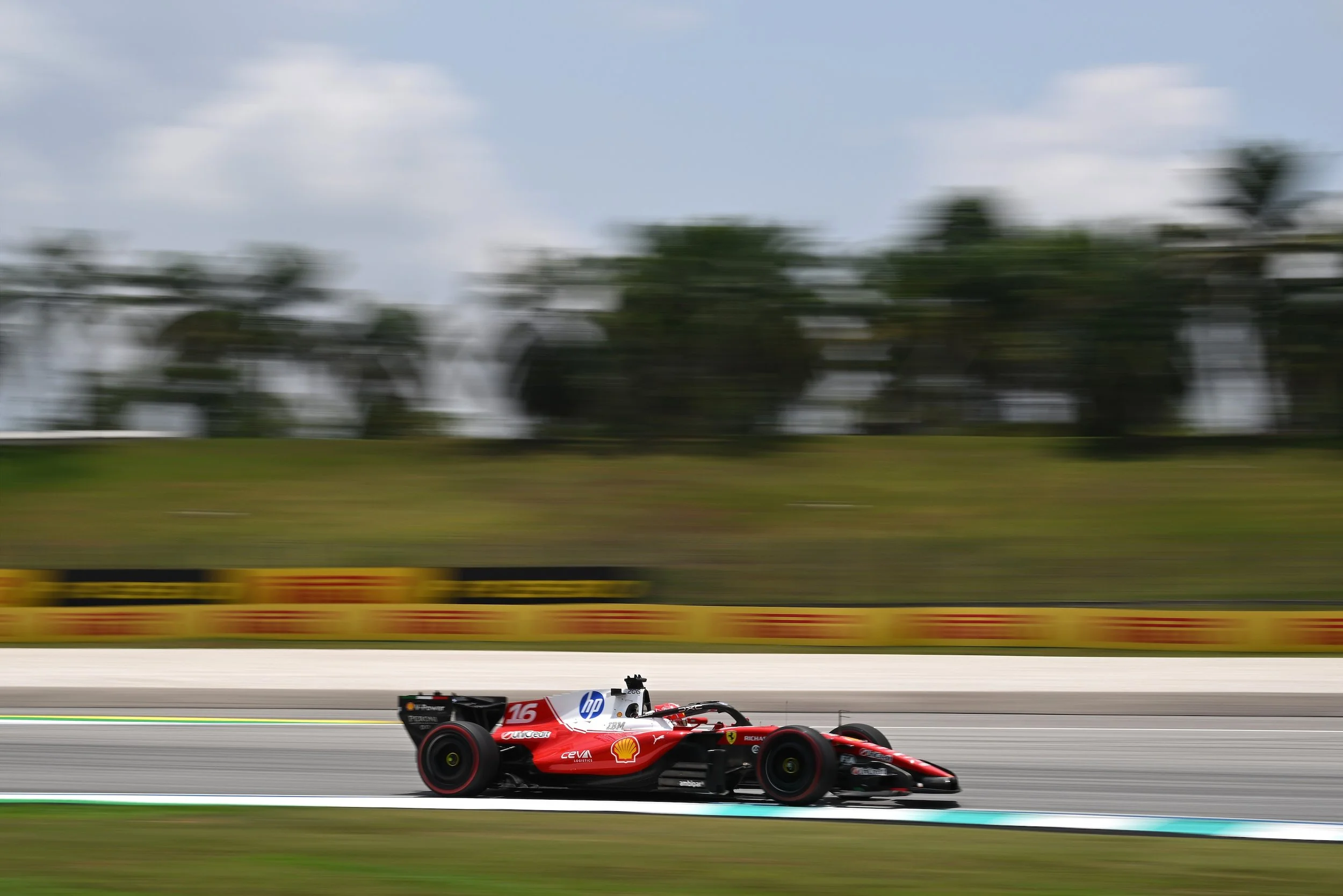
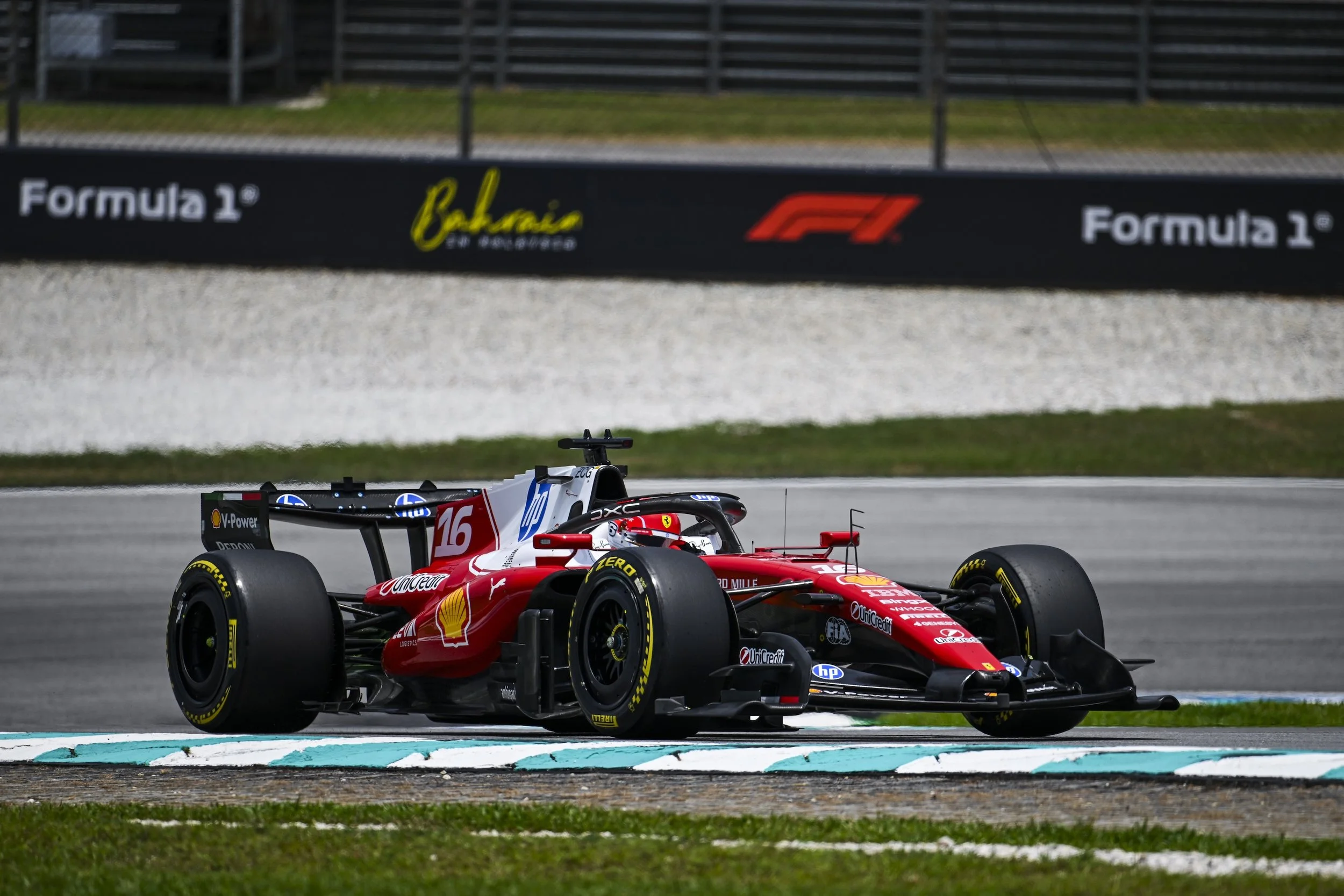
Charles Leclerc set the fastest time of the second free practice session at the Sepang International Circuit, venue of the Bahrain Grand Prix, with a lap of 1:37.528. Drivers were greeted by scorching conditions, with air temperatures reaching 38°C (100°F) and track temperatures climbing to 54°C (129°F), figures that were likely to remain similar throughout the rest of the weekend.
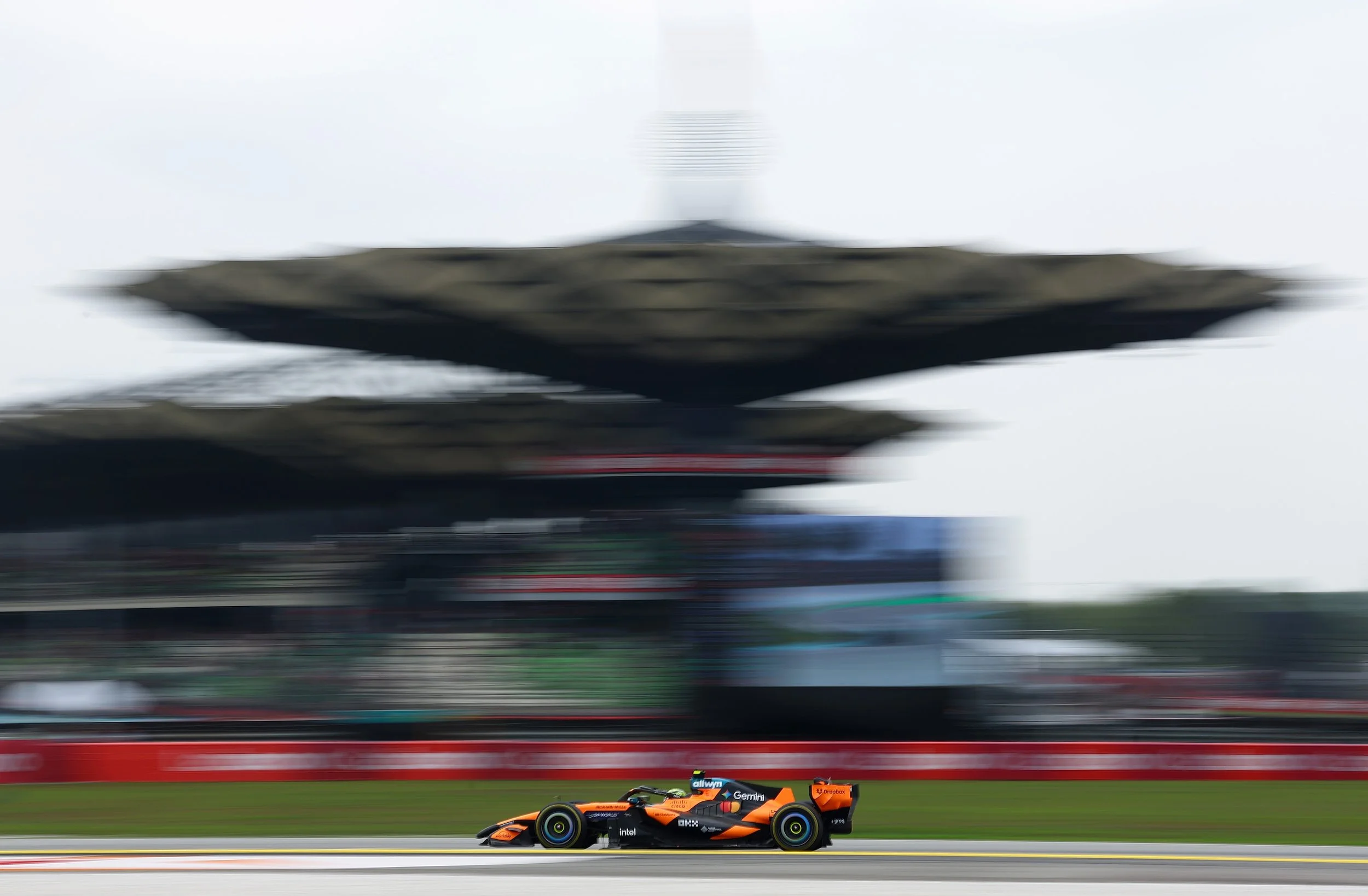
Isack Hadjar finished FP2 in second place with a time of 1:37.627, while Lando Norris recorded the third-fastest lap with a 1:37.665. The reigning World Champion ran exclusively on the C4, the Soft compound for this weekend, using two sets during the second hour of running. Hadjar and Leclerc also set their best laps on a set of Soft tires, although both drivers additionally used a set of Mediums during the session. No driver ran on the Hard compound on Friday.
During the second half of FP2, every team focused exclusively on race-pace work.
Verstappen ended the day at the top of the combined classification thanks to his 1:37.520 from FP1.
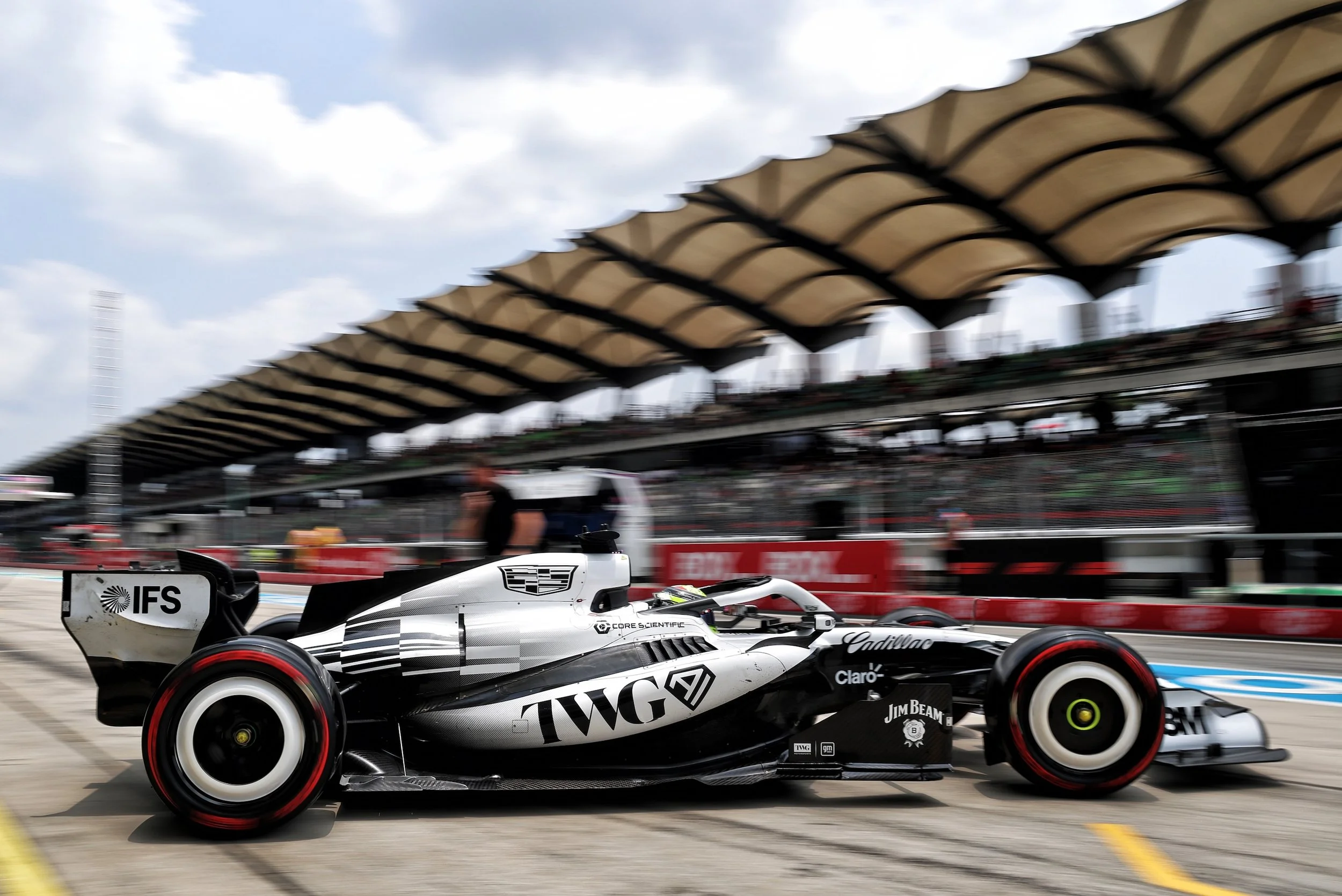
SATURDAY
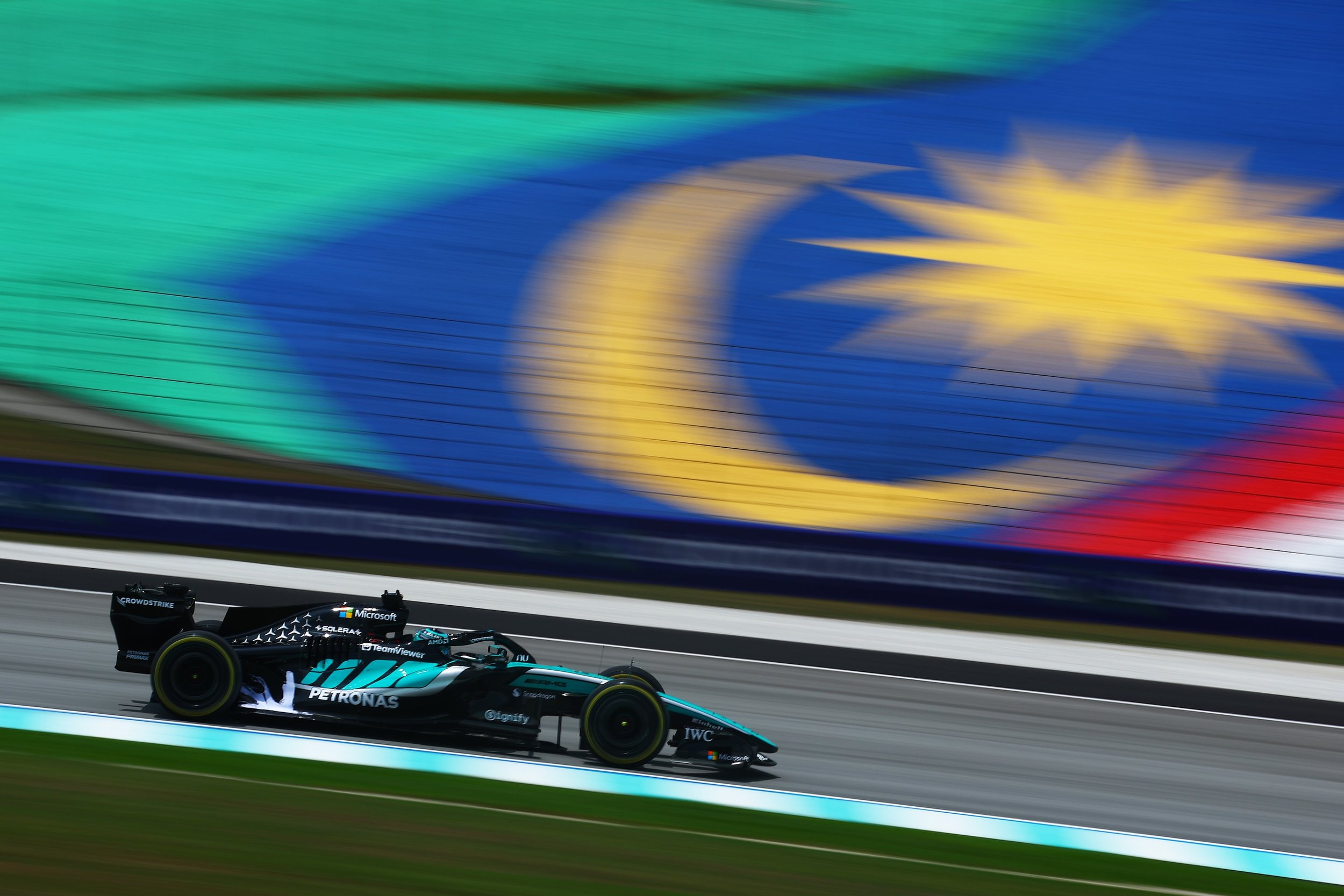
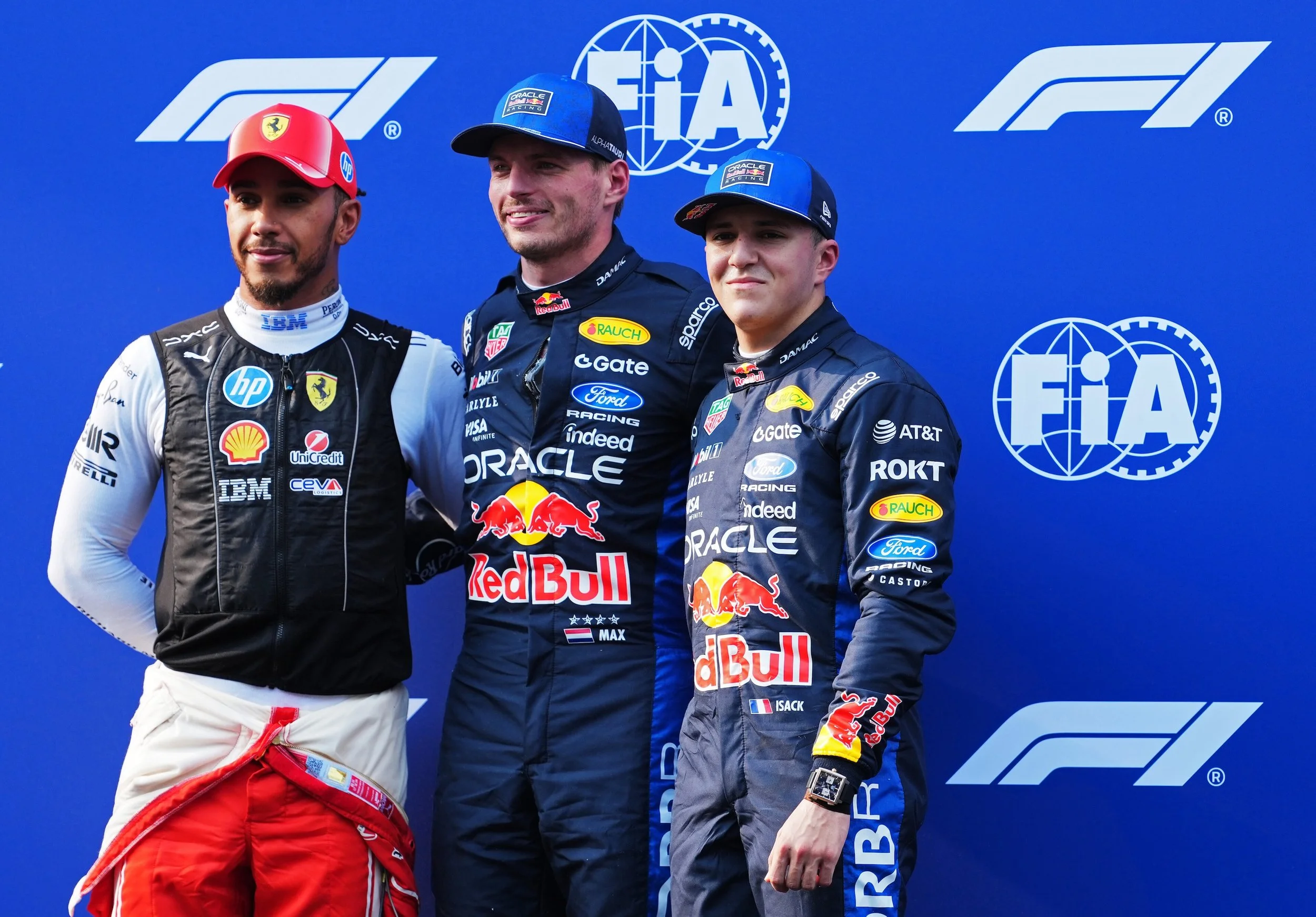
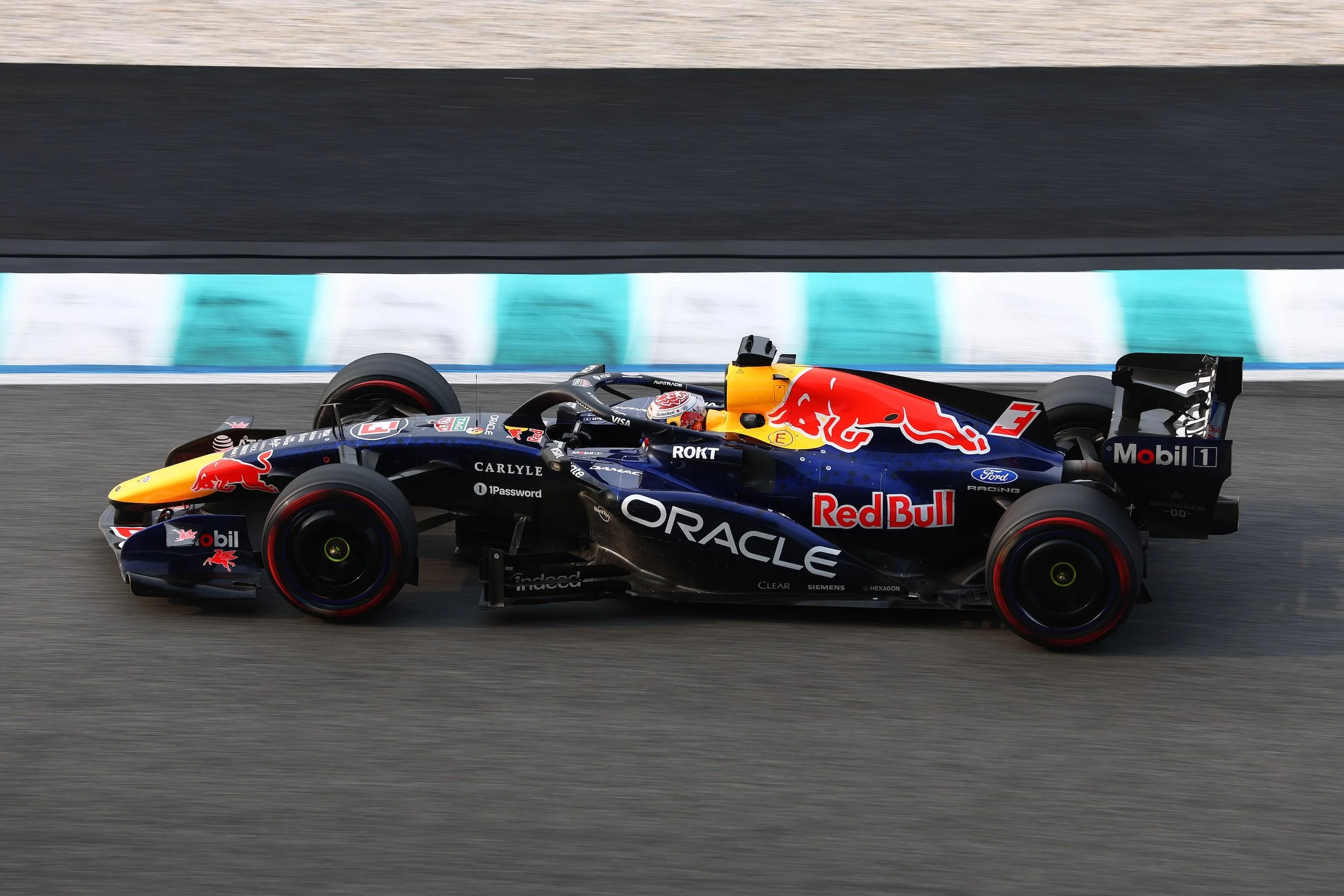
Max Verstappen claimed his first pole position of the season for the Bahrain Grand Prix in Malaysia. The Dutchman was the fastest driver in qualifying with a time of 1:35.130. Lewis Hamilton finished second in 1:35.428, ahead of Isack Hadjar, who did not start from third on the grid due to a penalty. His grid slot was taken by Kimi Antonelli, who had set the fourth-fastest time in qualifying.
The highest temperatures of the day were recorded during the third free practice session, with track temperatures reaching 54°C (129°F) before dropping as cloud cover moved in.
Kimi Antonelli was quickest in final practice with a time of 1:36.302. Verstappen finished second in 1:36.580, while his teammate Hadjar ended the session third in 1:36.860.
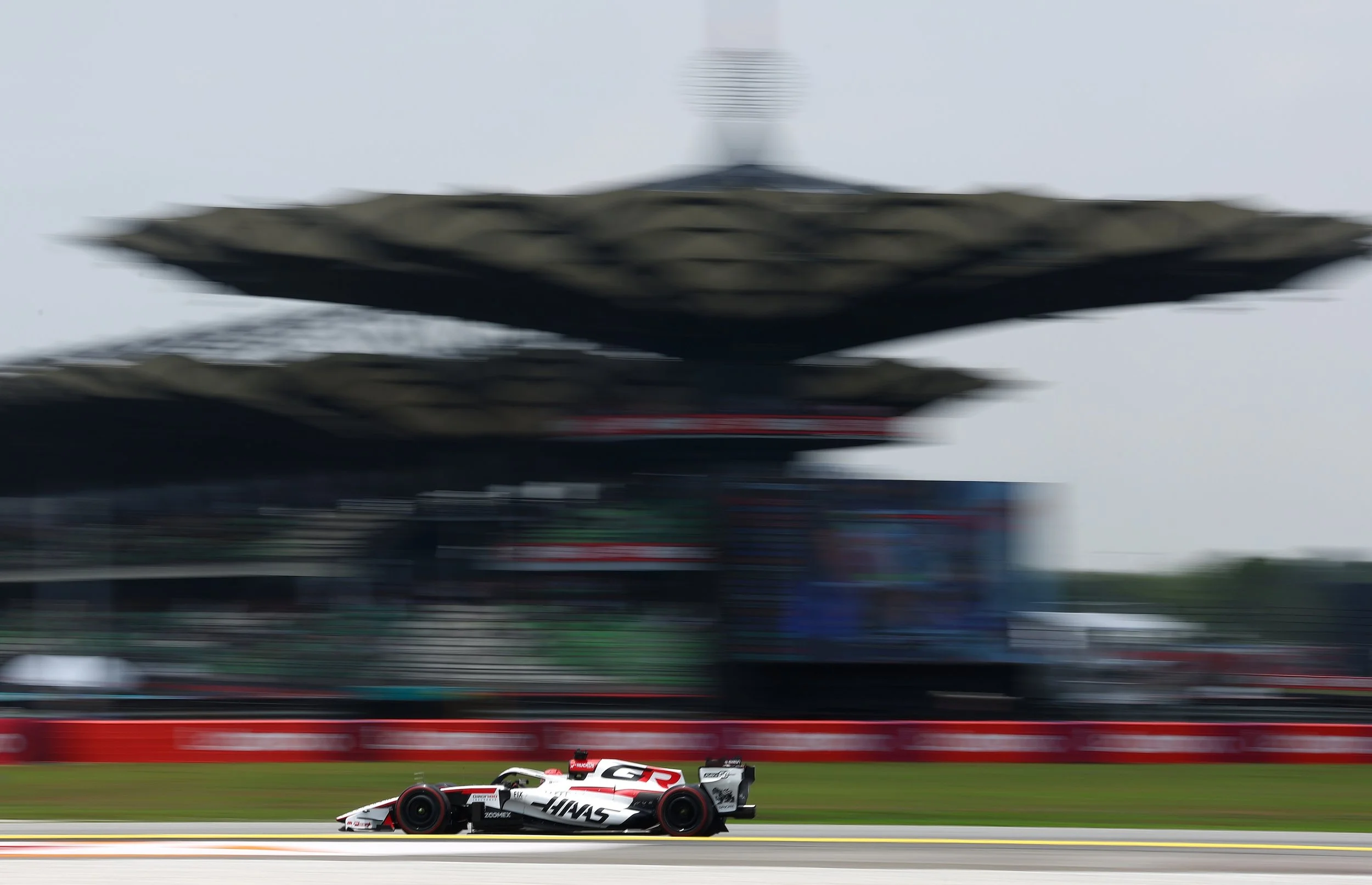
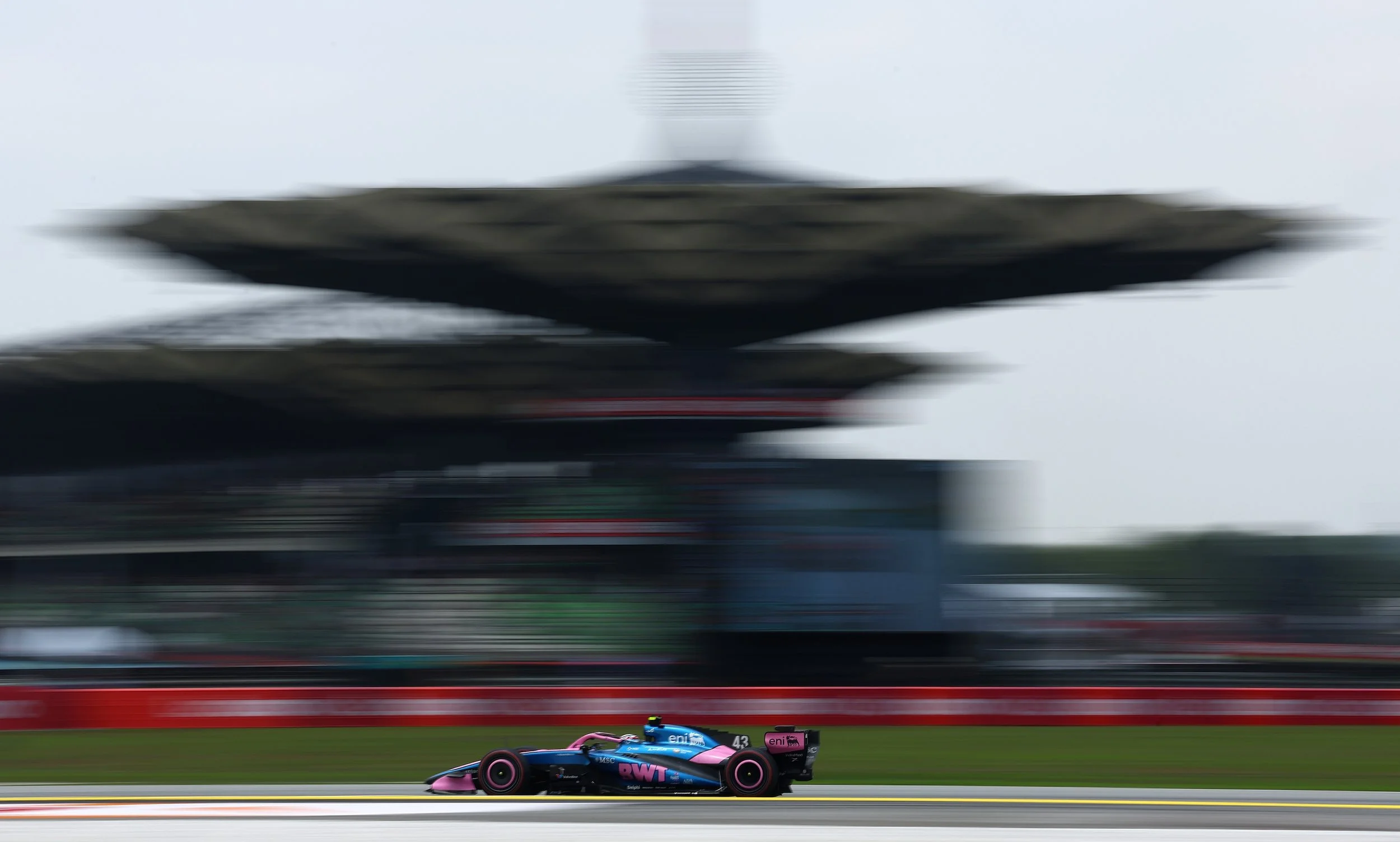
SUNDAY
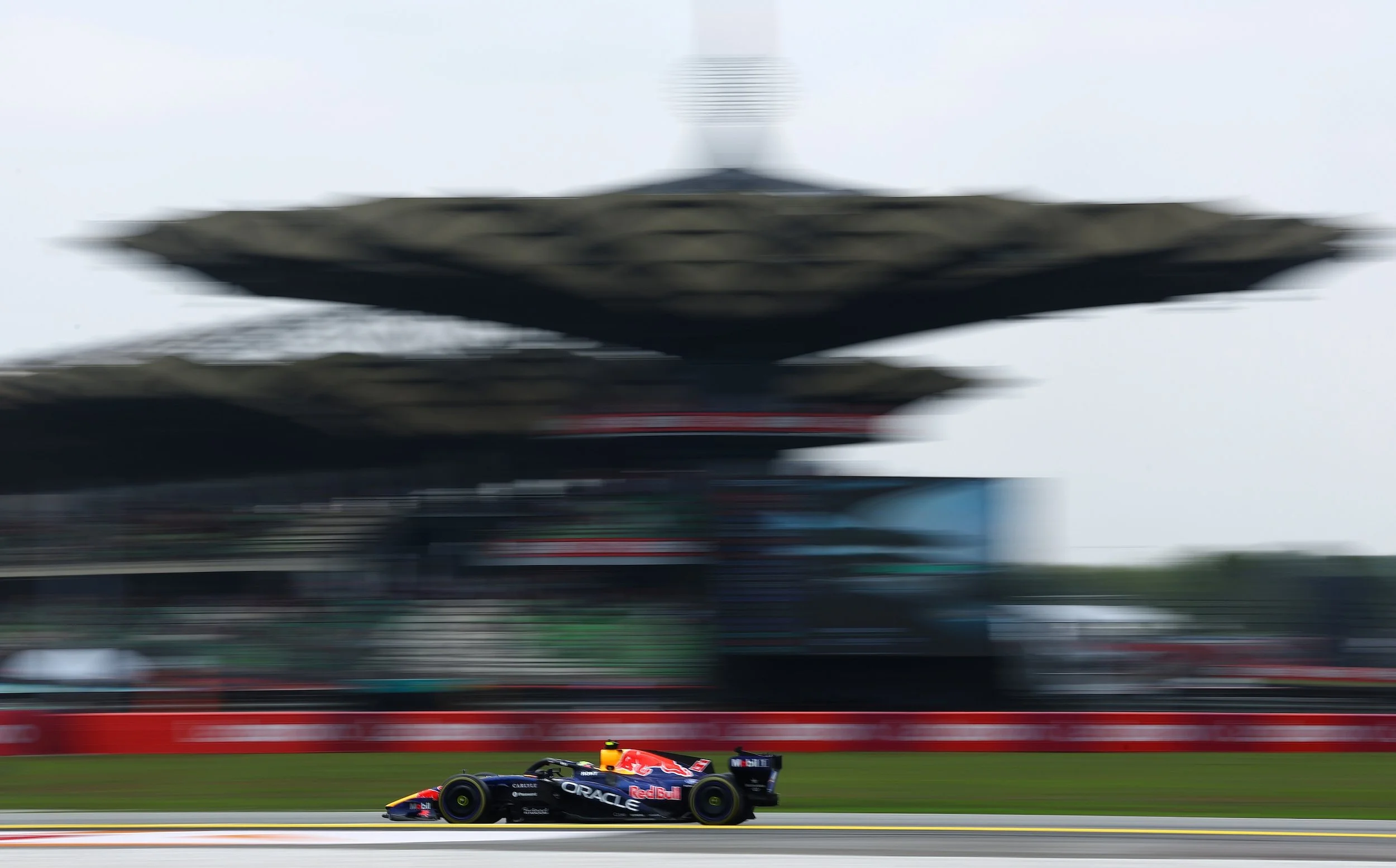
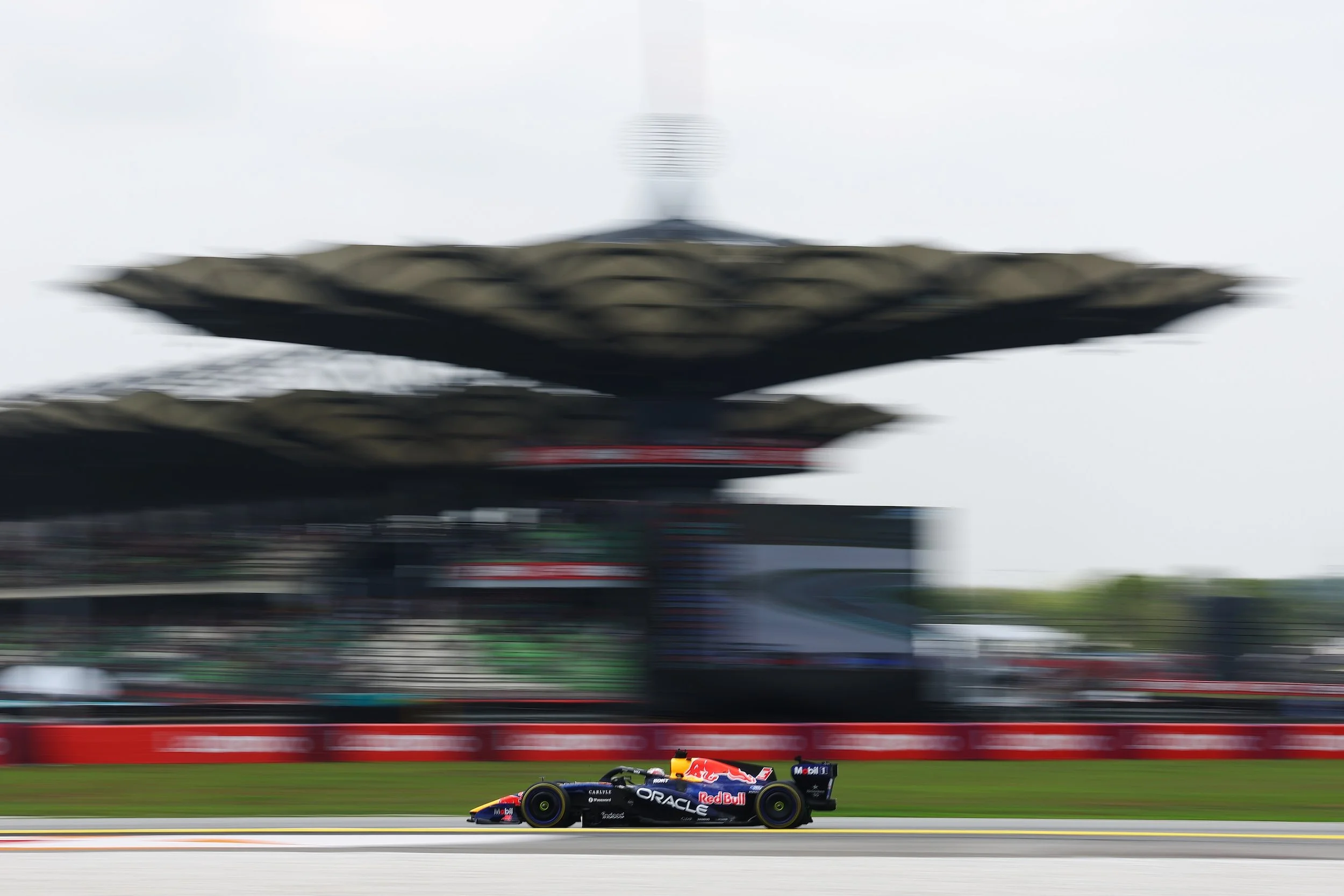
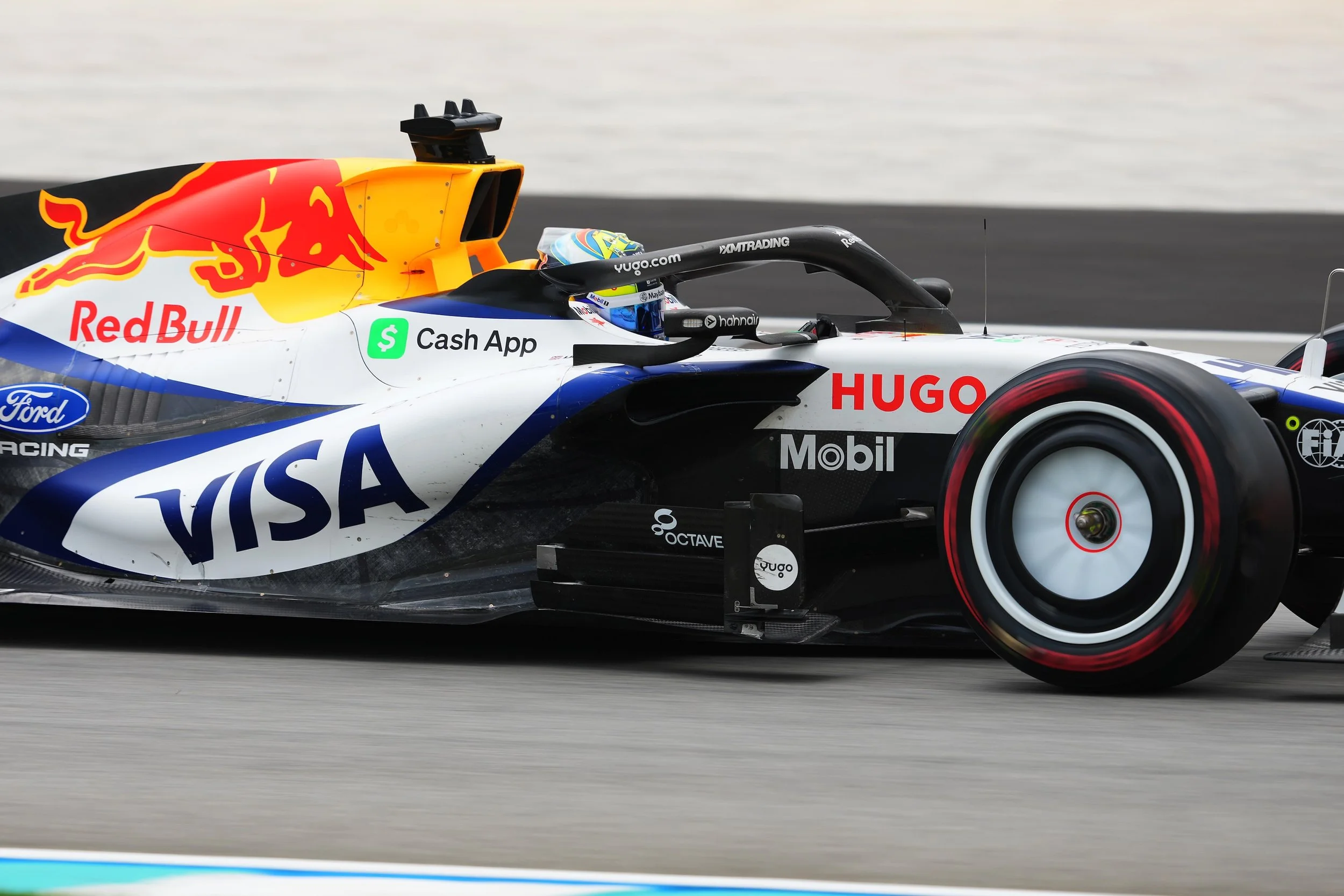
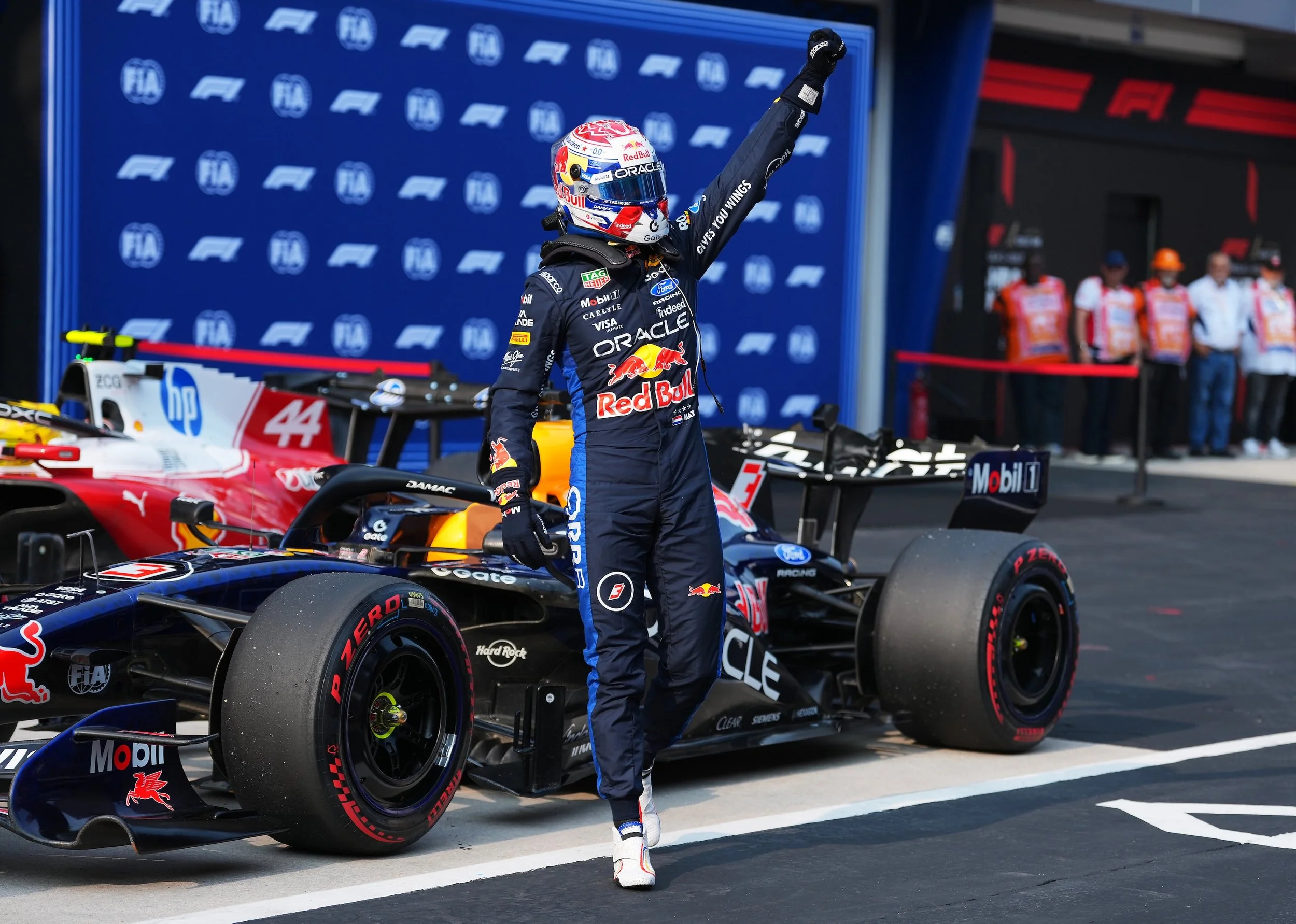
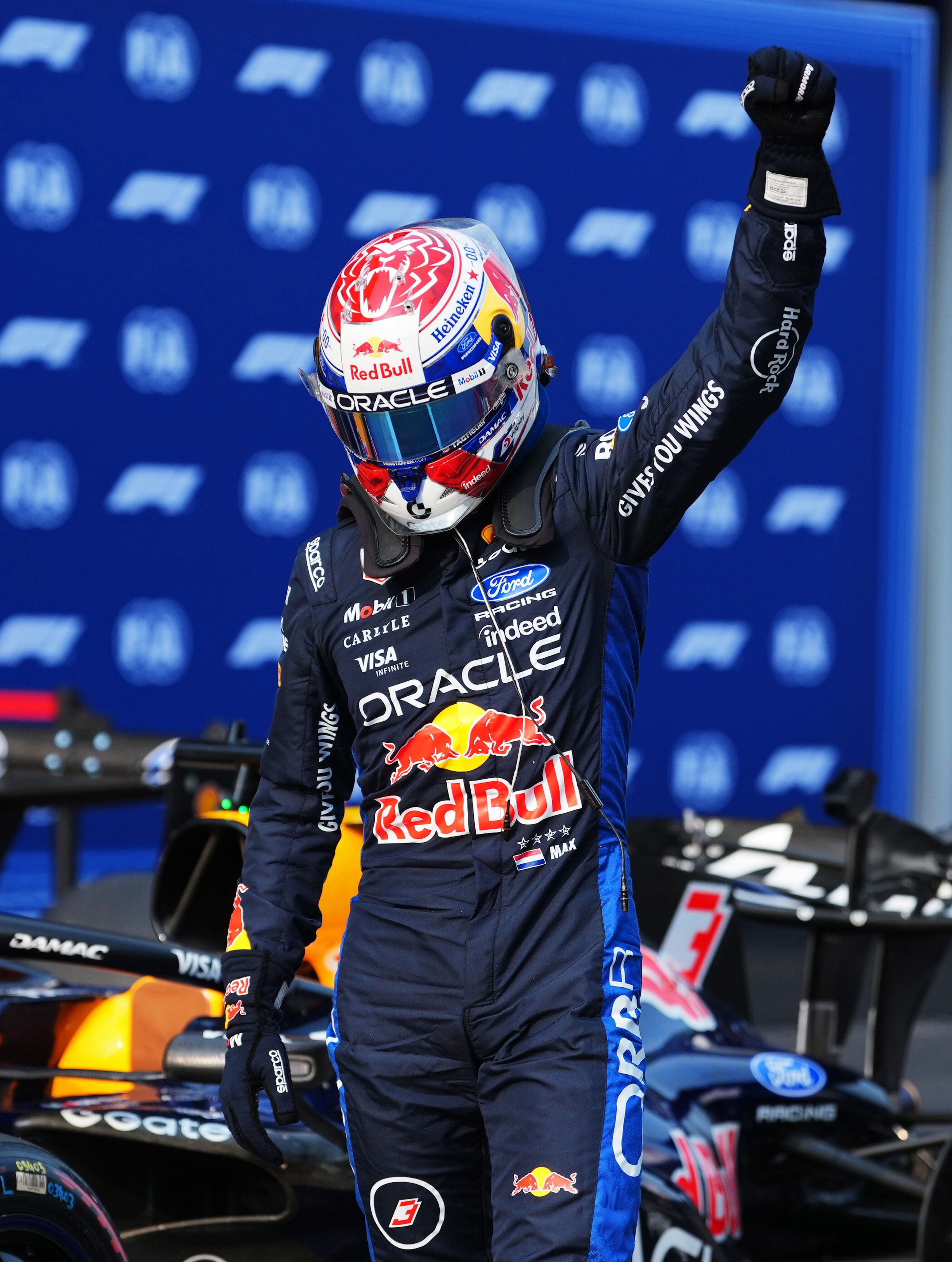
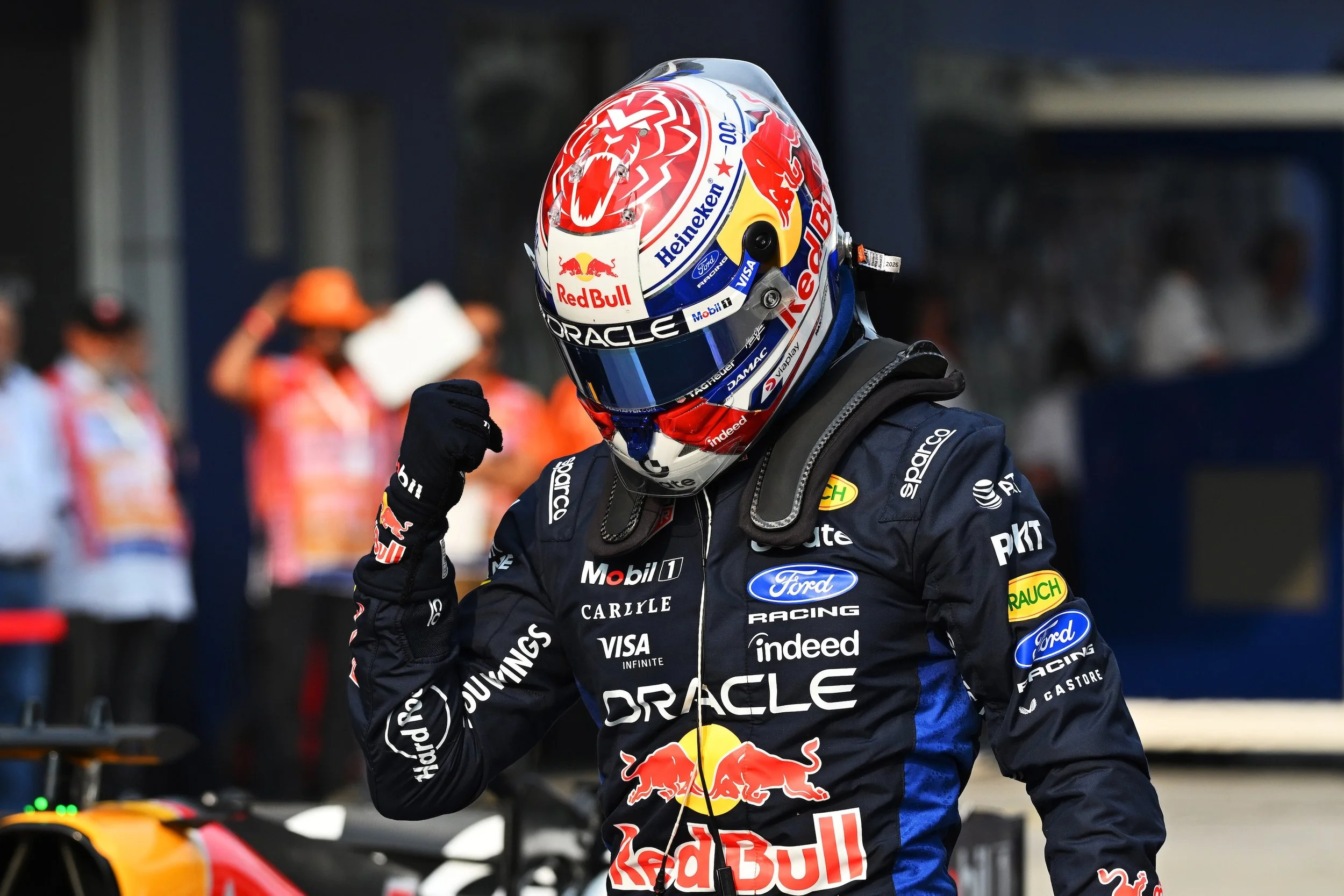
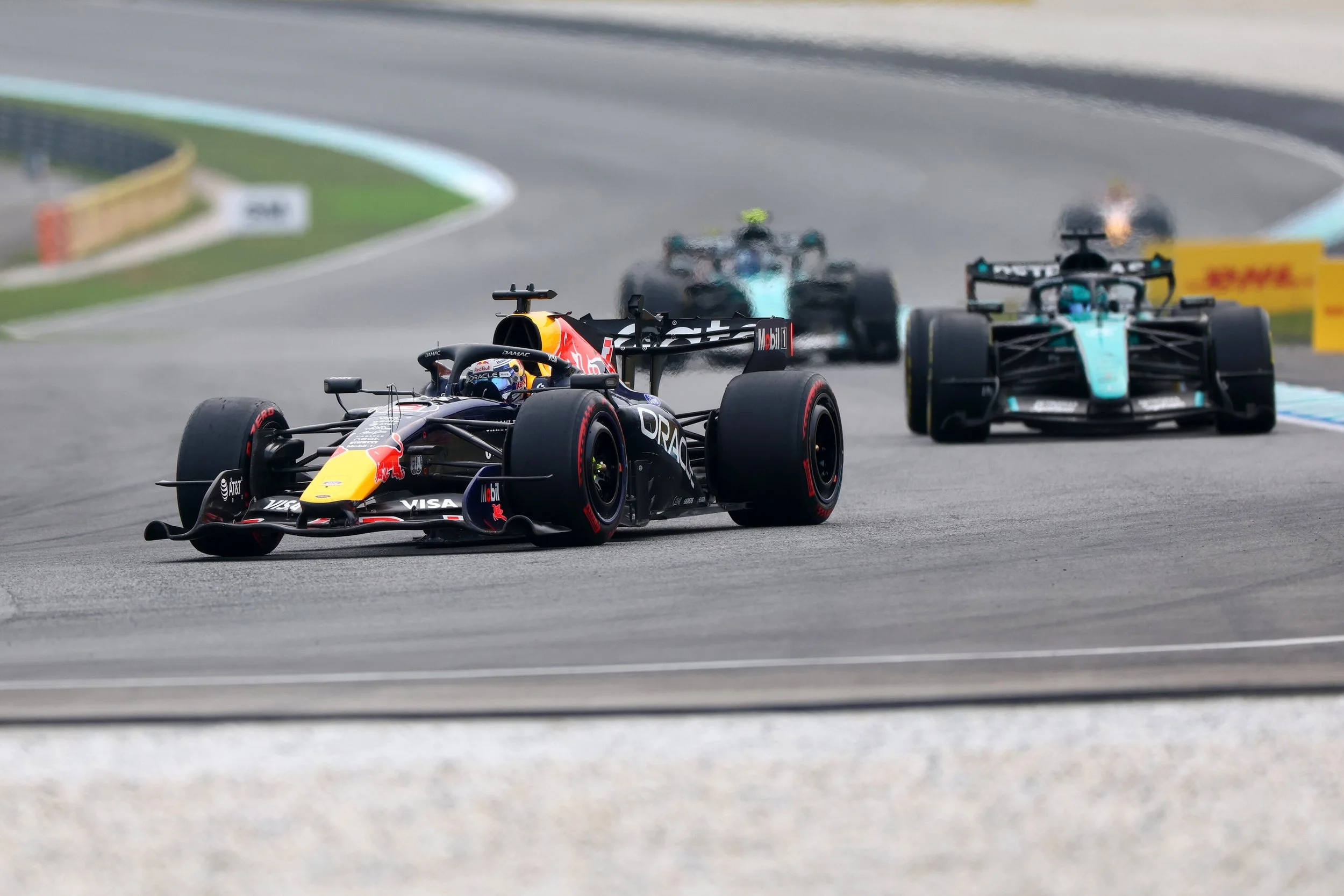
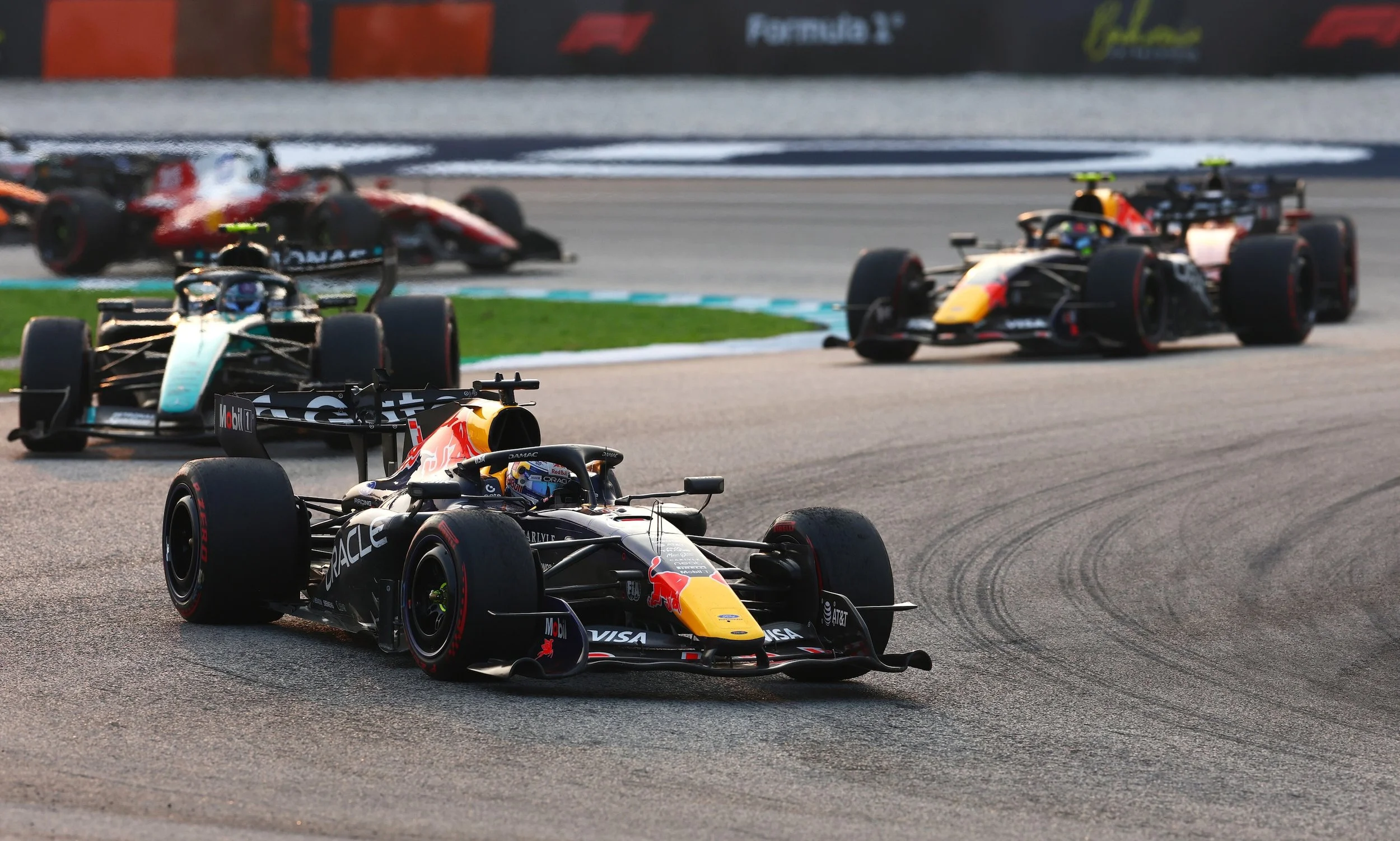
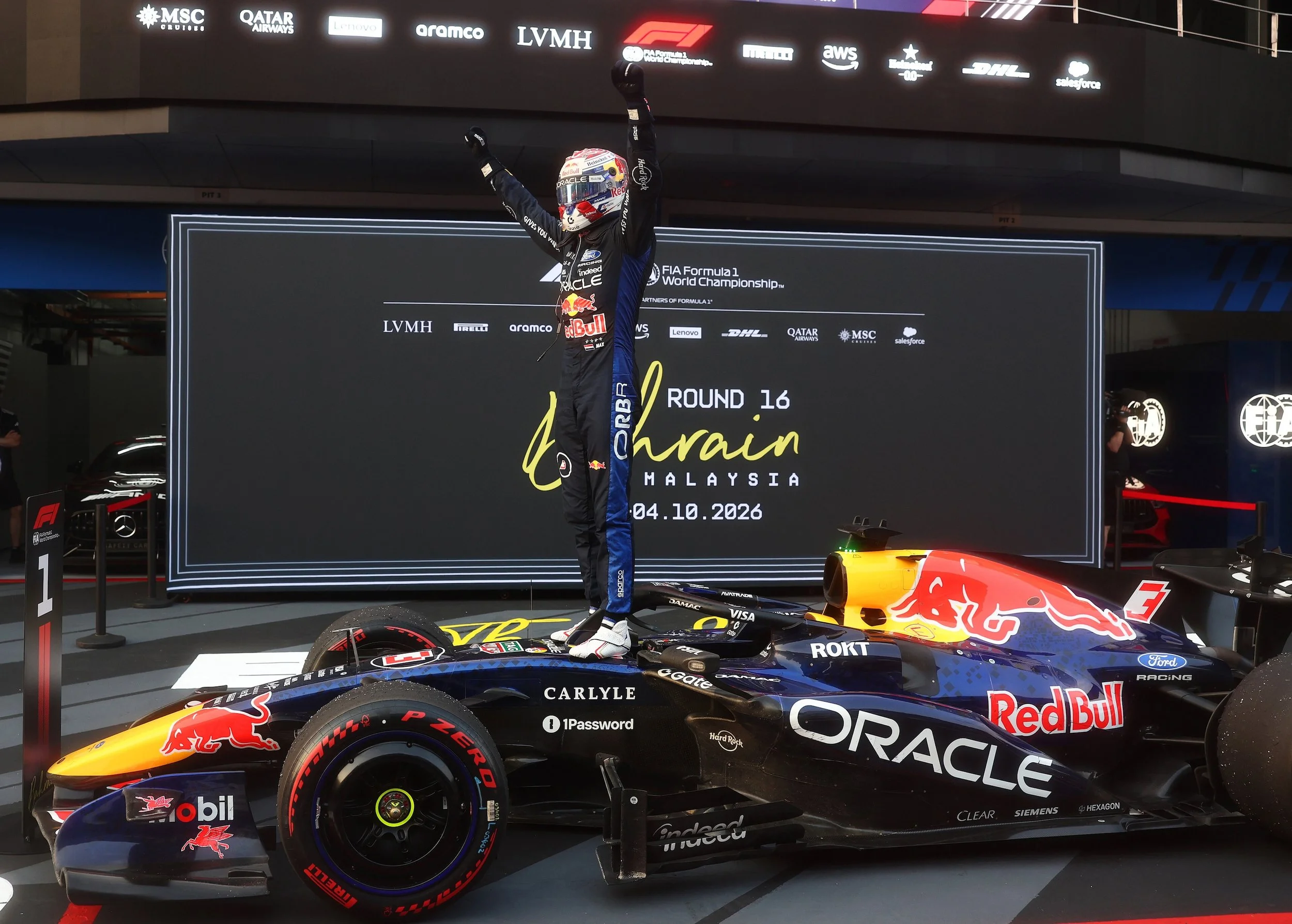
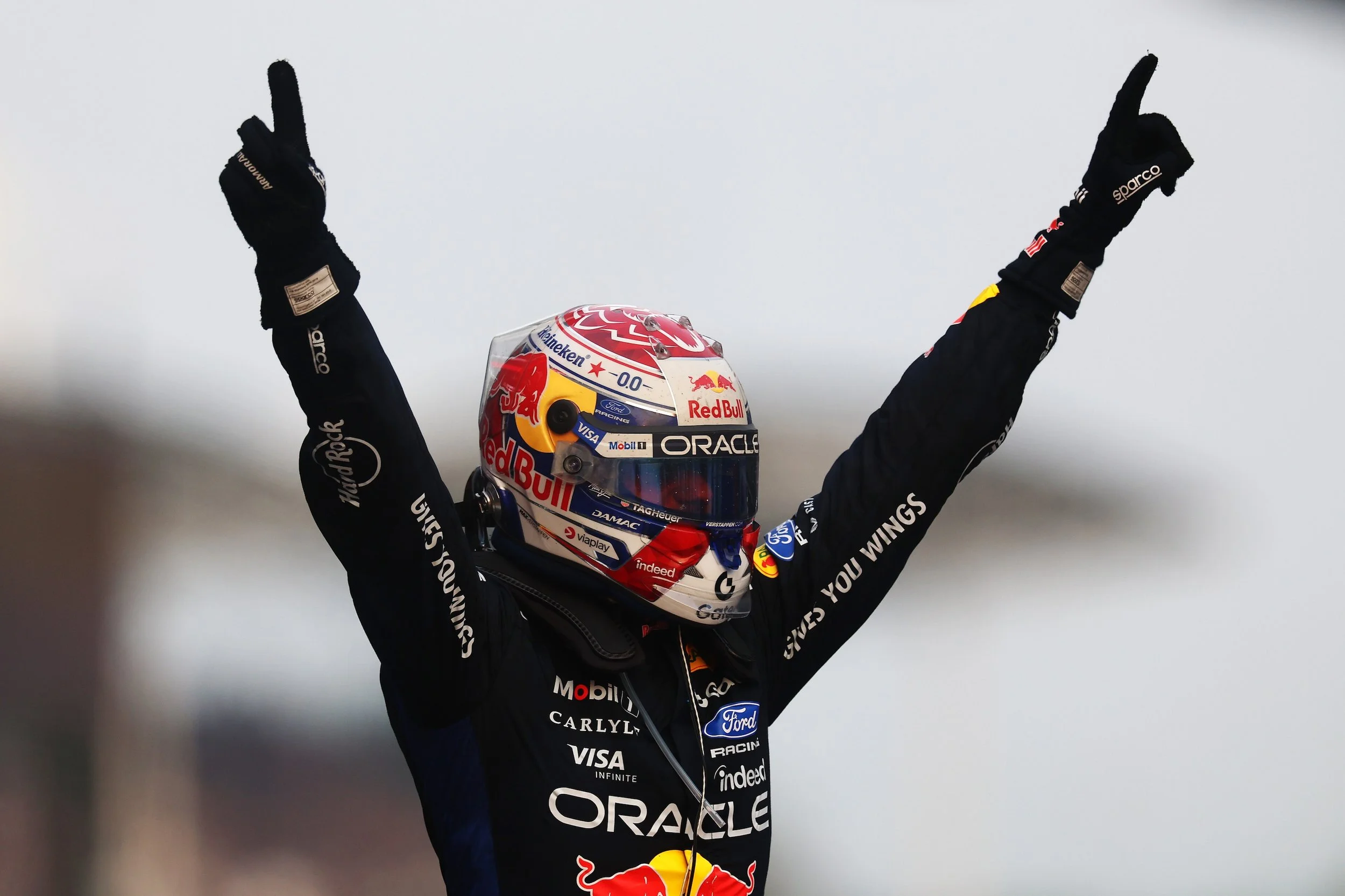
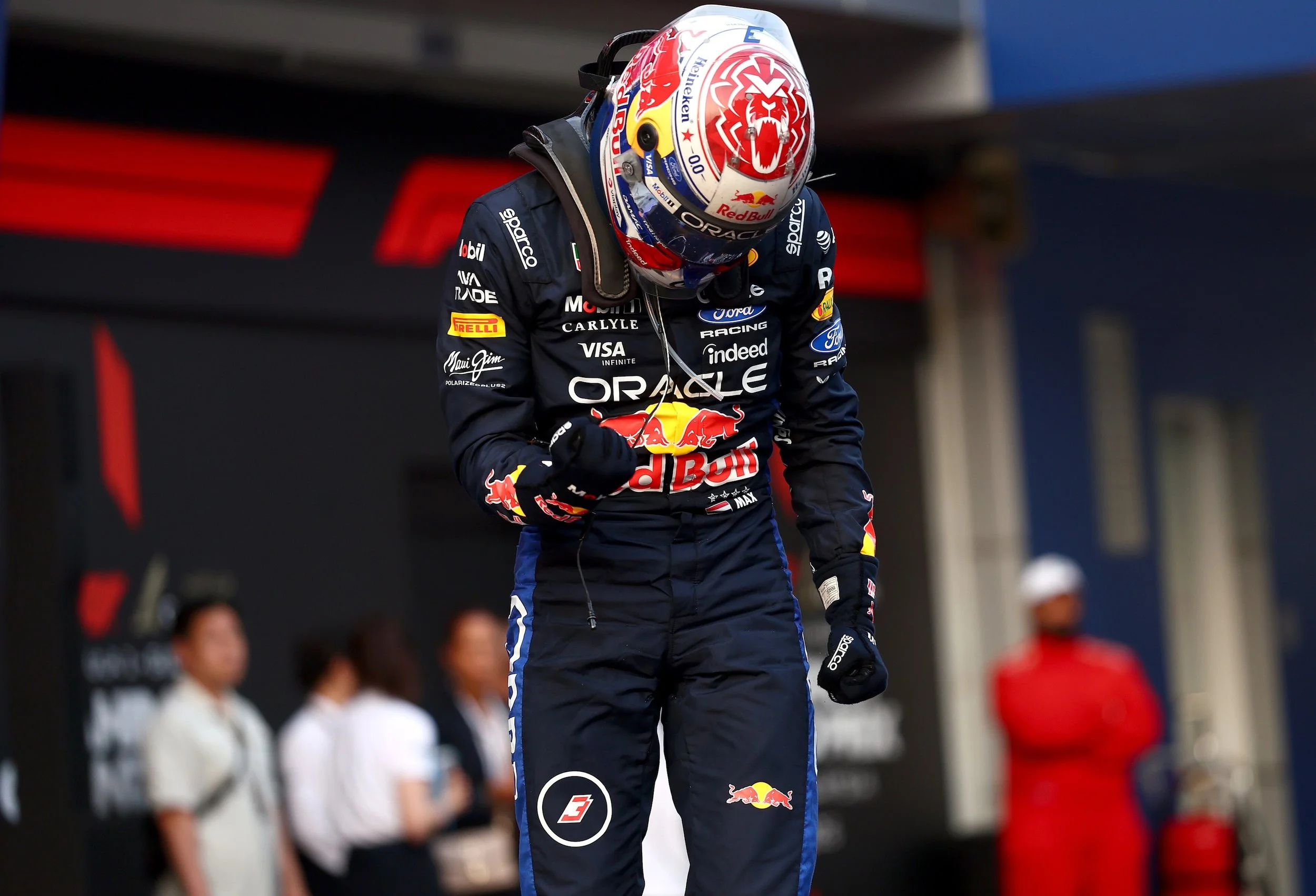
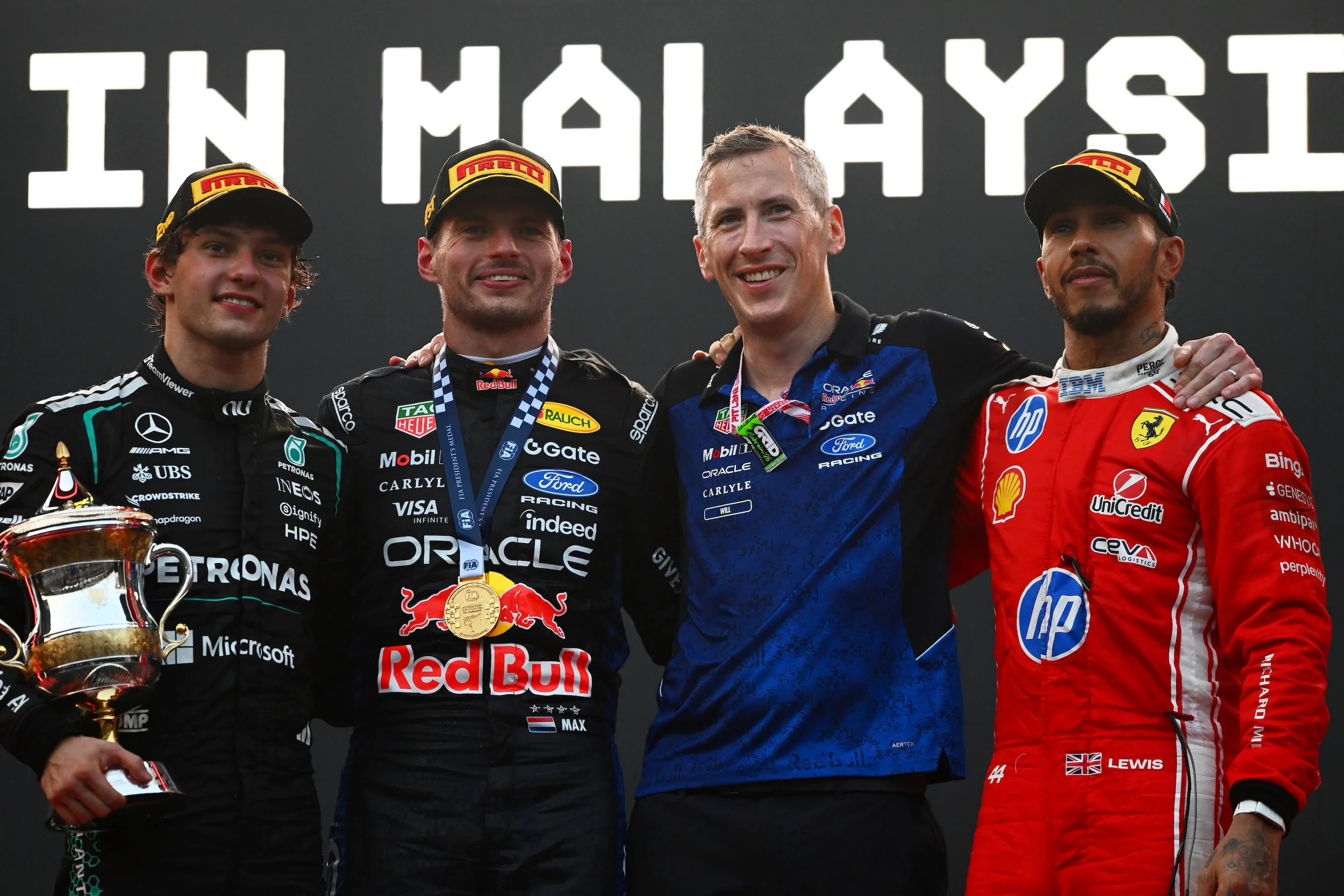
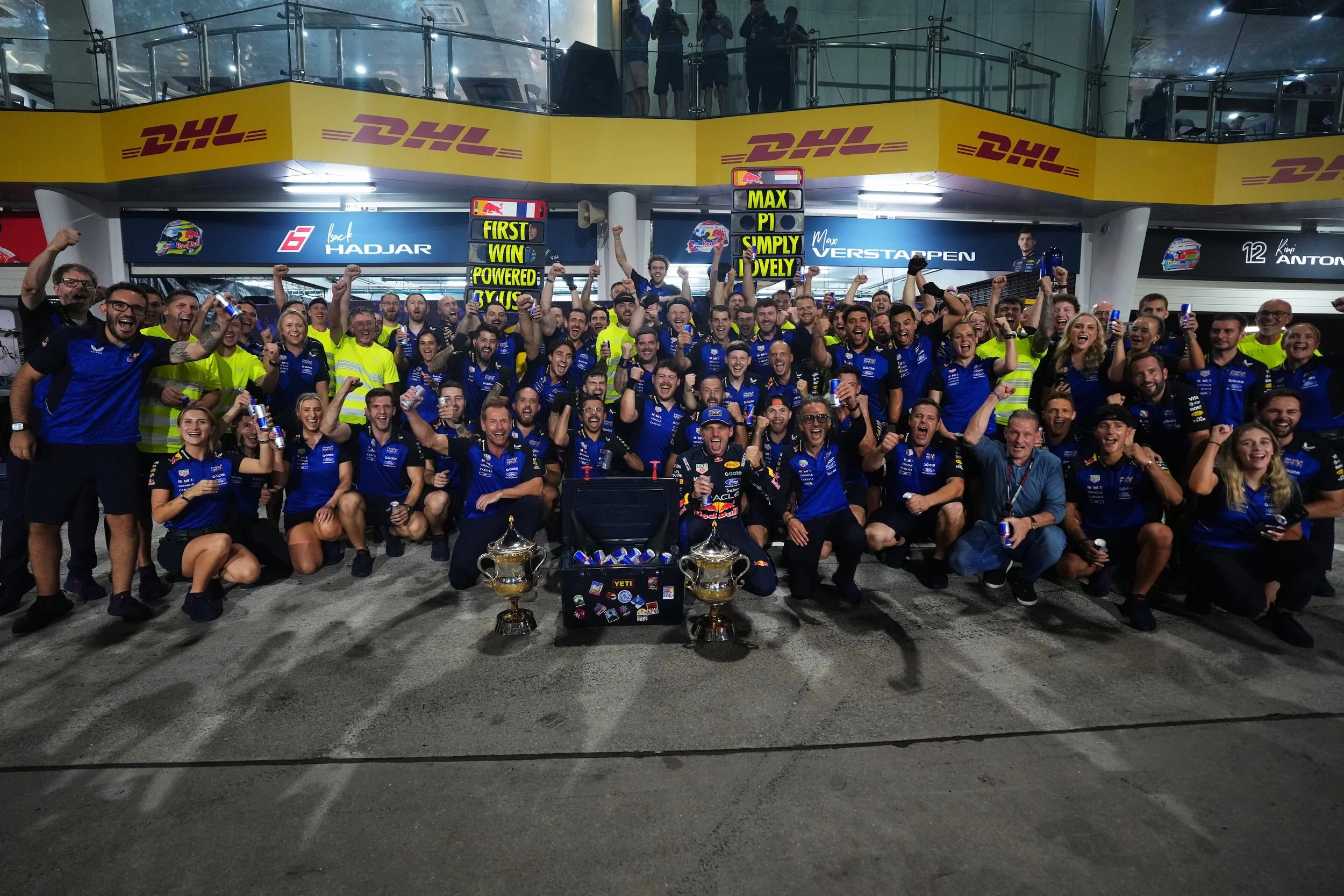
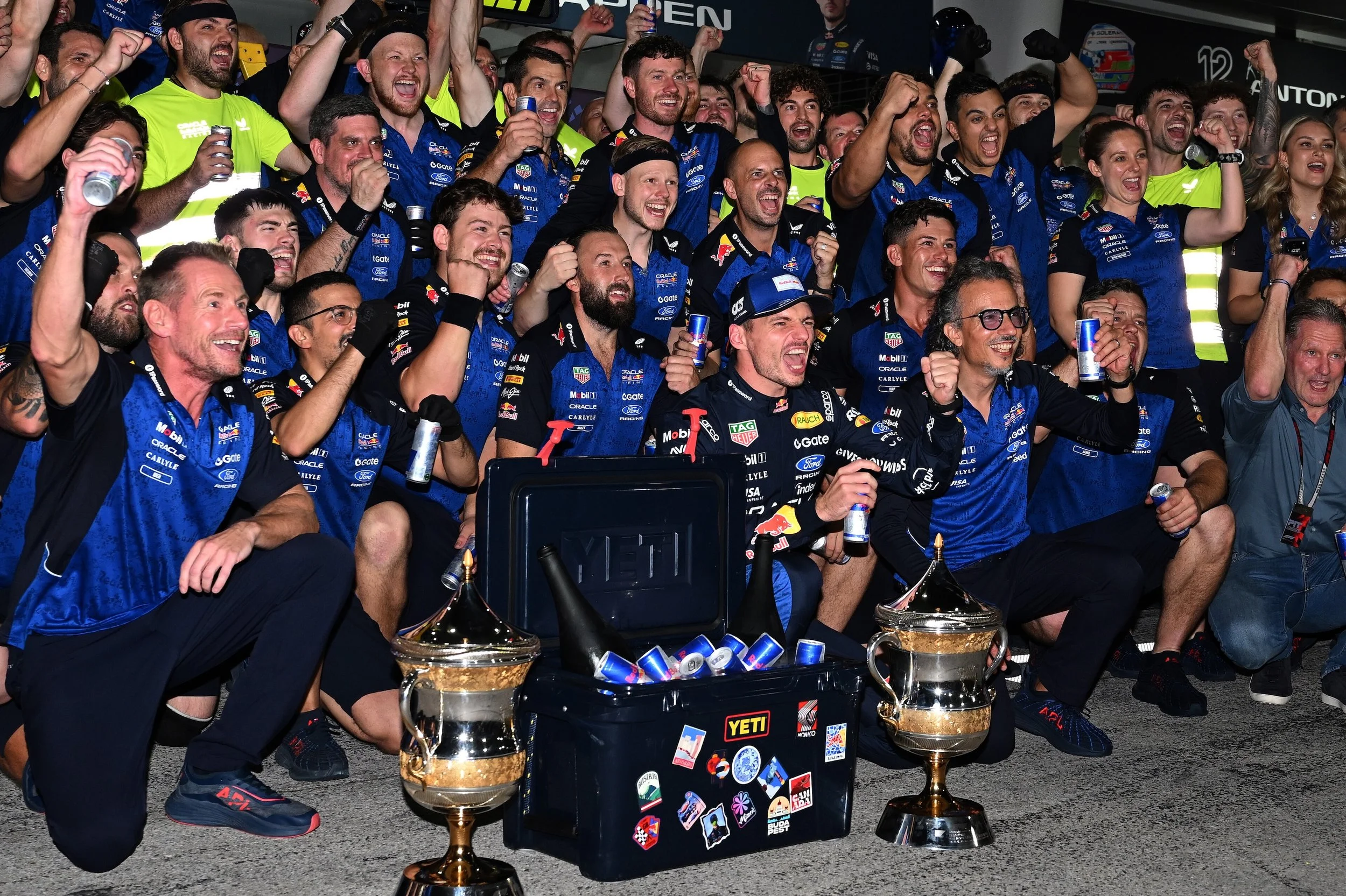
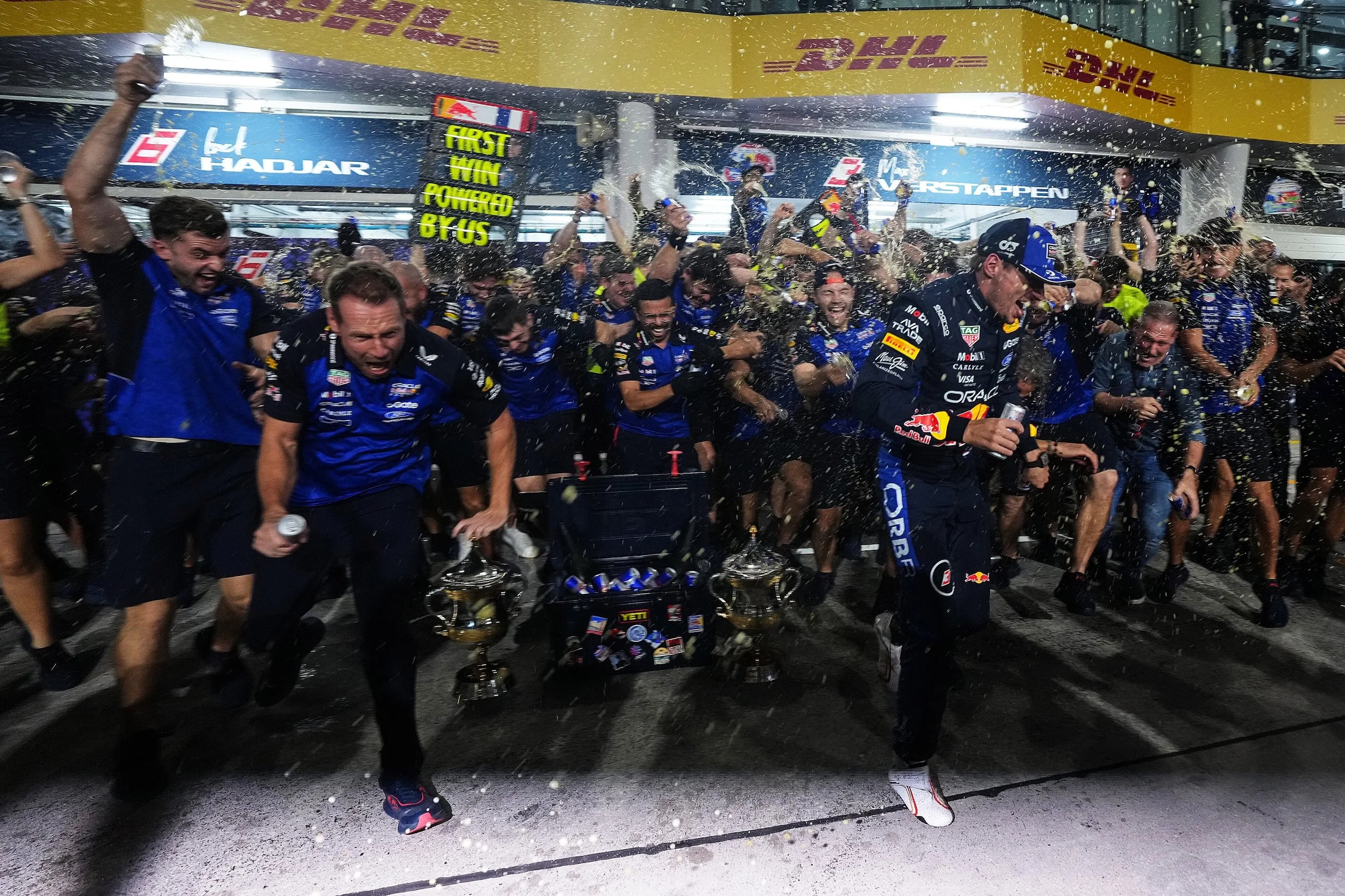
Max Verstappen claimed his first victory of 2026. The Dutchman won the Bahrain Grand Prix, held at the Sepang circuit in Malaysia. It was also an important success for his team, marking Red Bull's first win with an engine entirely designed and built in-house. Verstappen had to fight until the closing laps to secure the victory after a Safety Car bunched up the field in the final stages of the race.
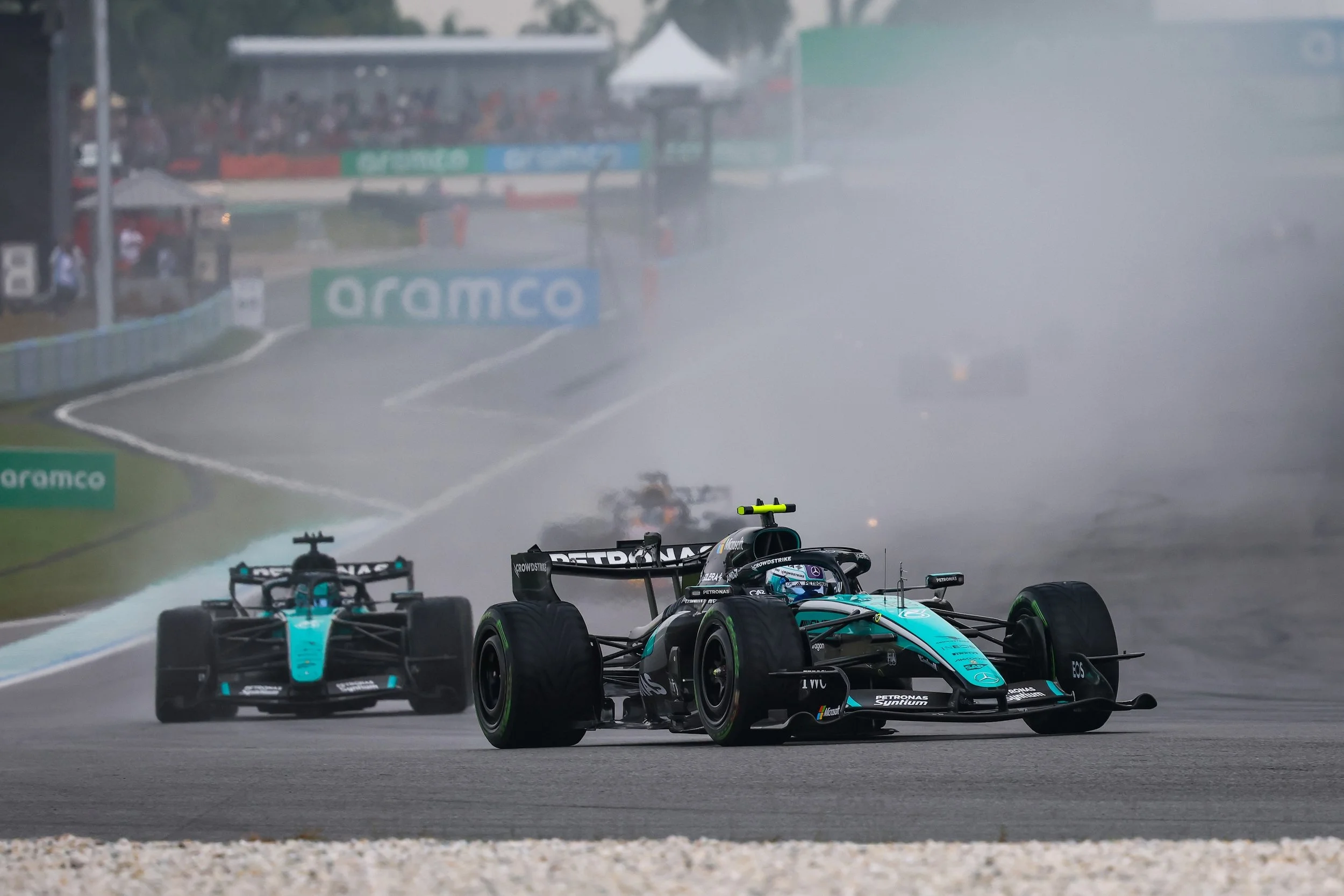
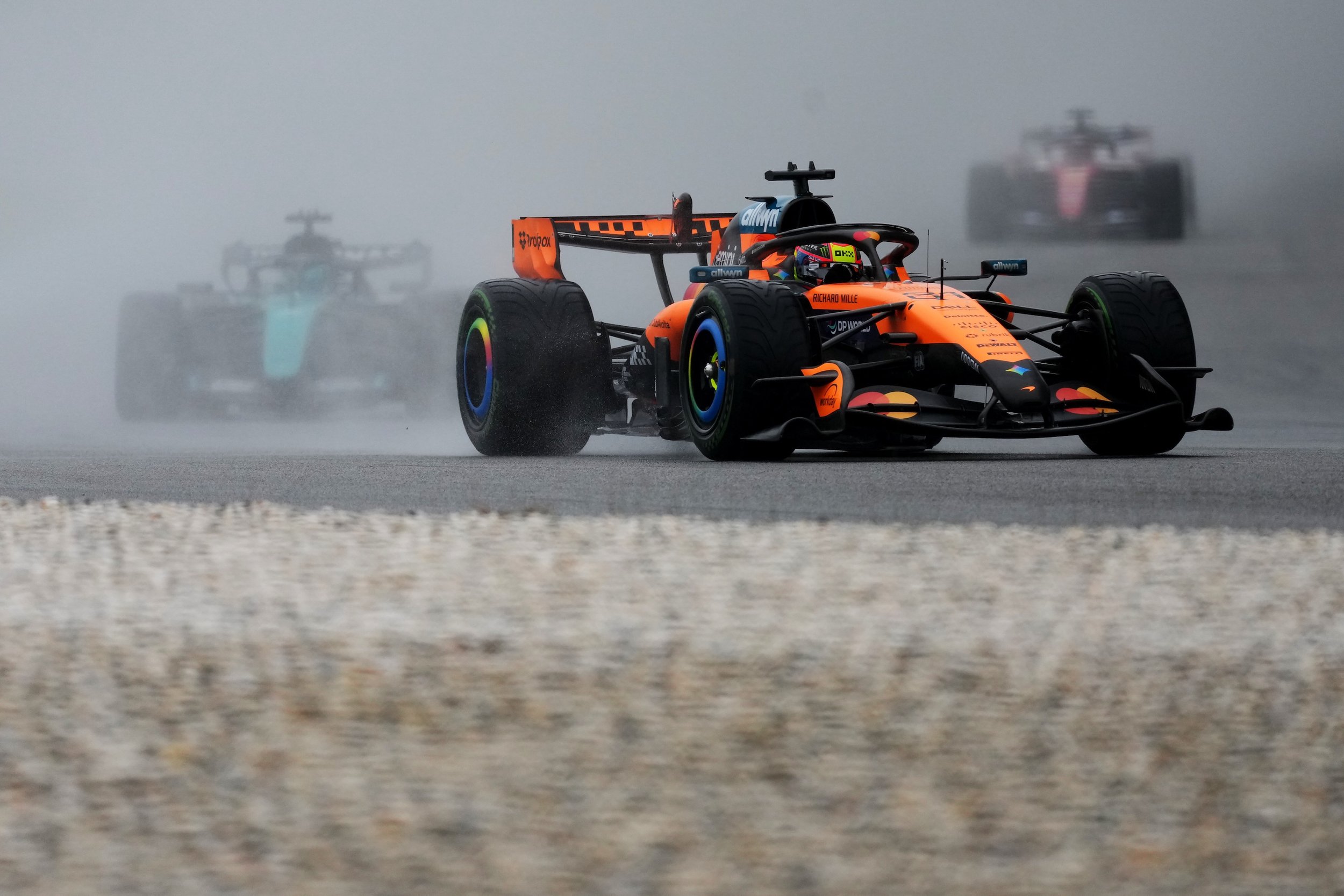
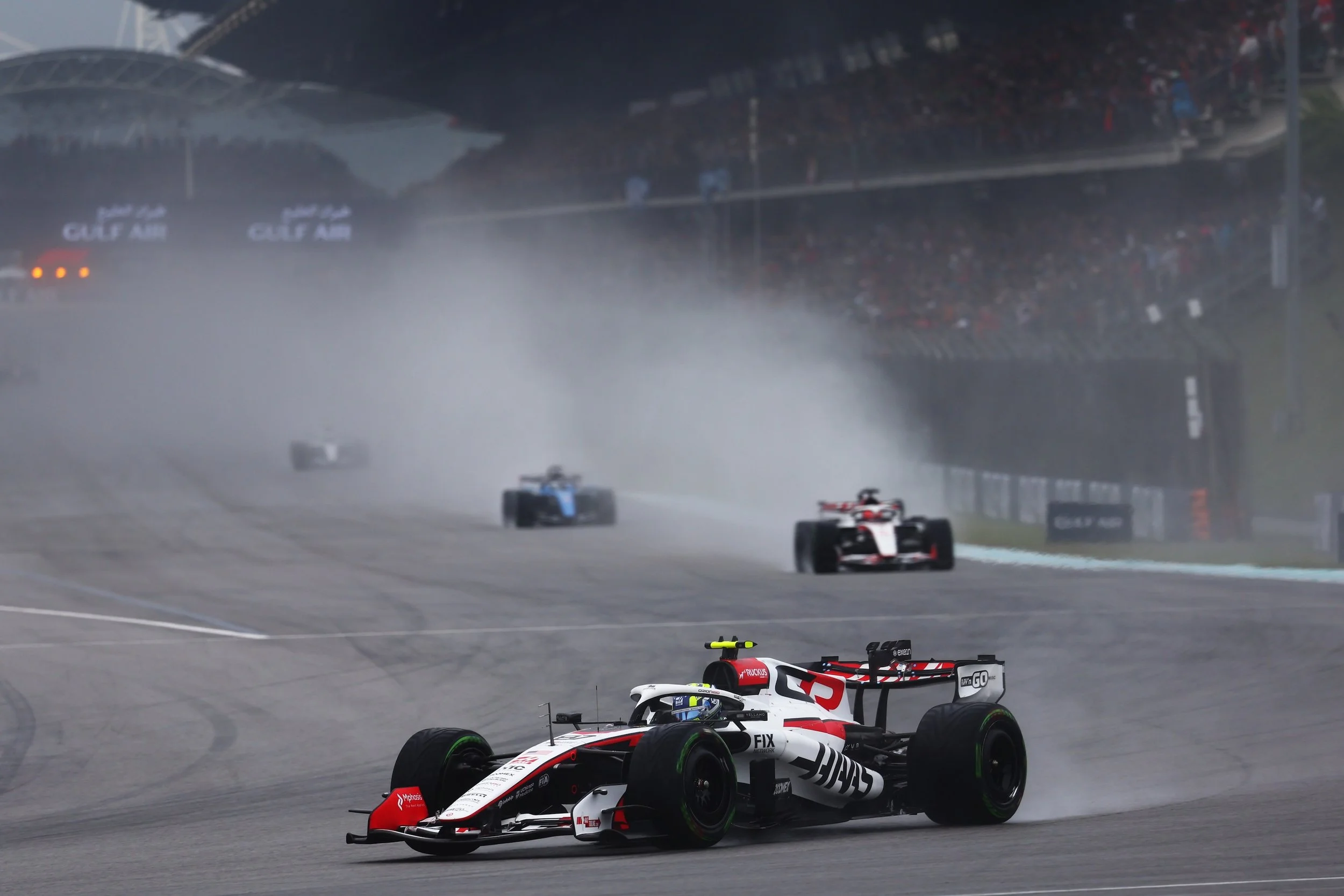
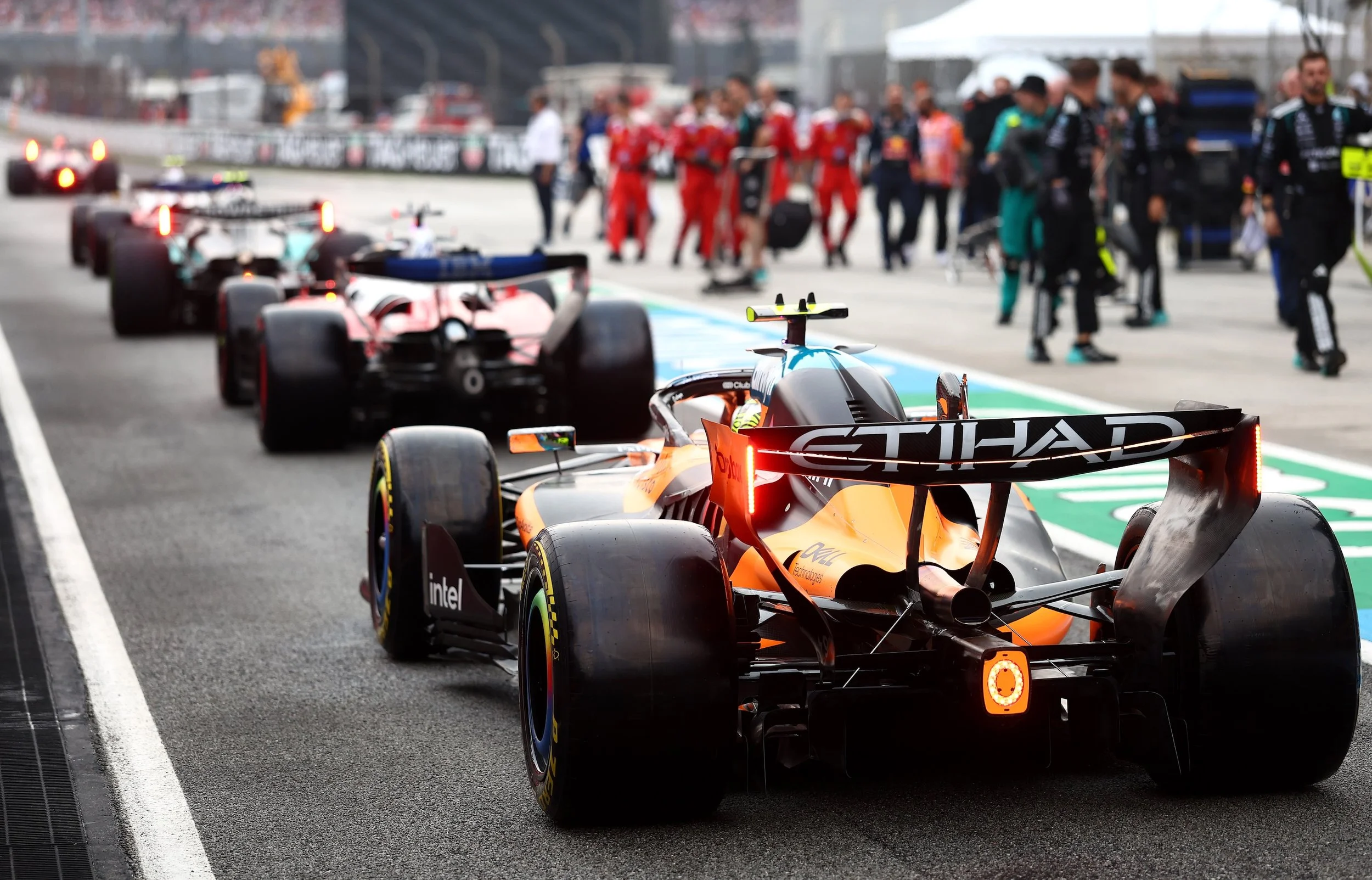
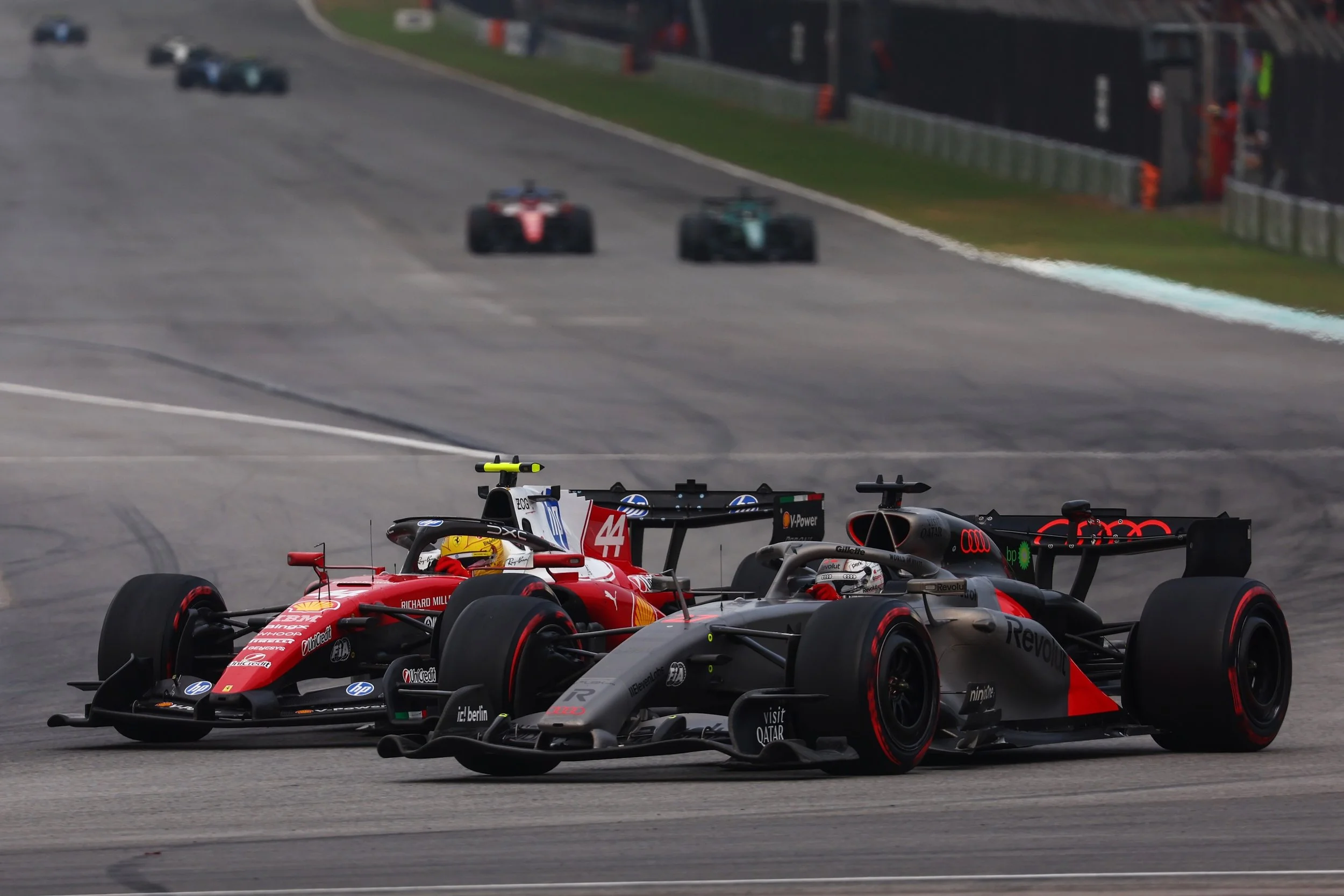
The Bahrain Grand Prix was full of incidents, starting with a delayed start. Race Control postponed the start due to standing water in several corners of the circuit, but technical problems during the subsequent starting procedure caused a further delay, as several cars experienced difficulty accelerating and stalled on track. Max Verstappen reported a loss of throttle response, while Lewis Hamilton briefly stopped on the circuit. Ferrari attributed Hamilton's problem to software and restored power with a reset. When all cars were on the pit lane under a red flag, the FIA supplied teams with revised software parameters. This was the first rain-affected race under the new power unit regulations.
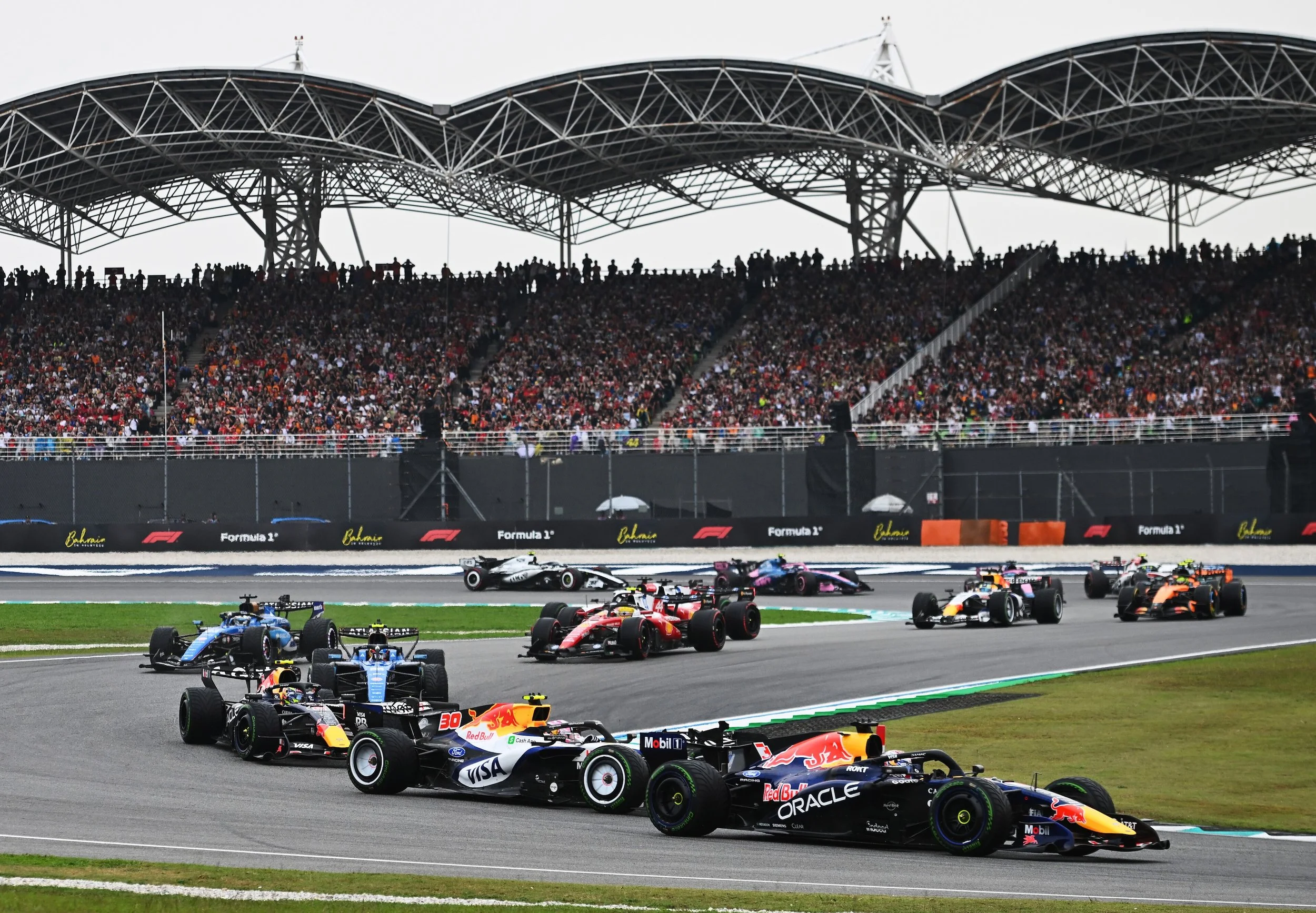
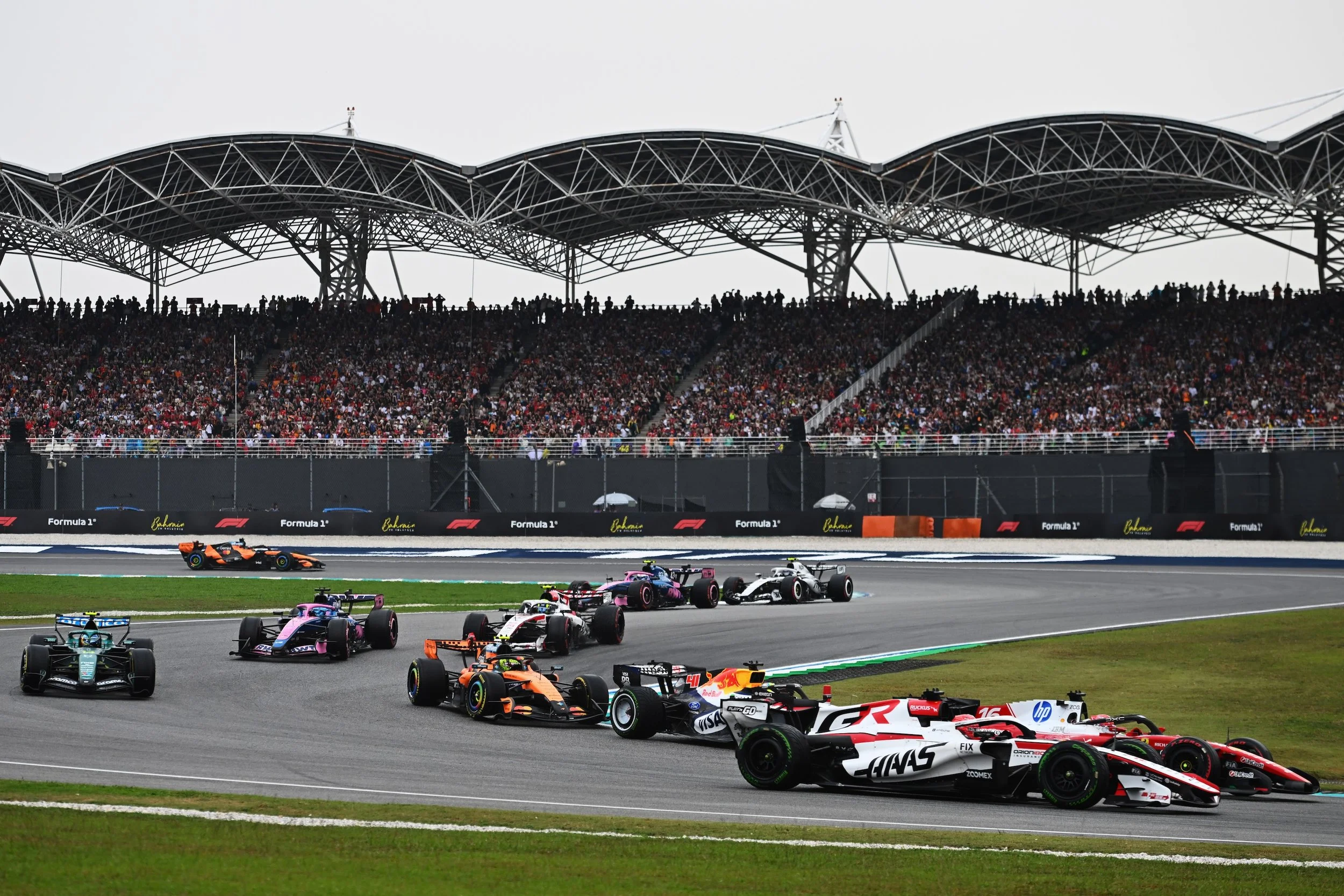
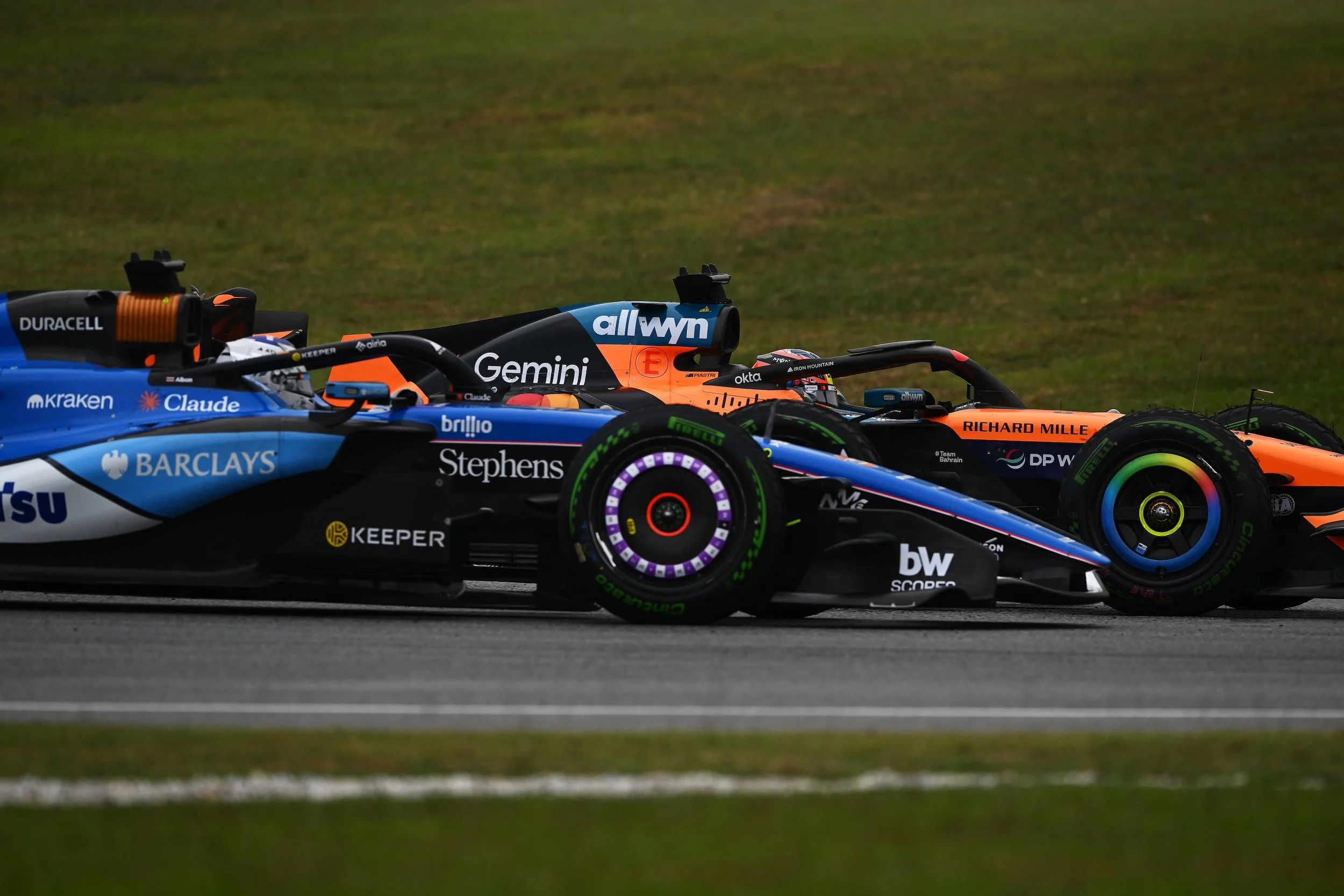
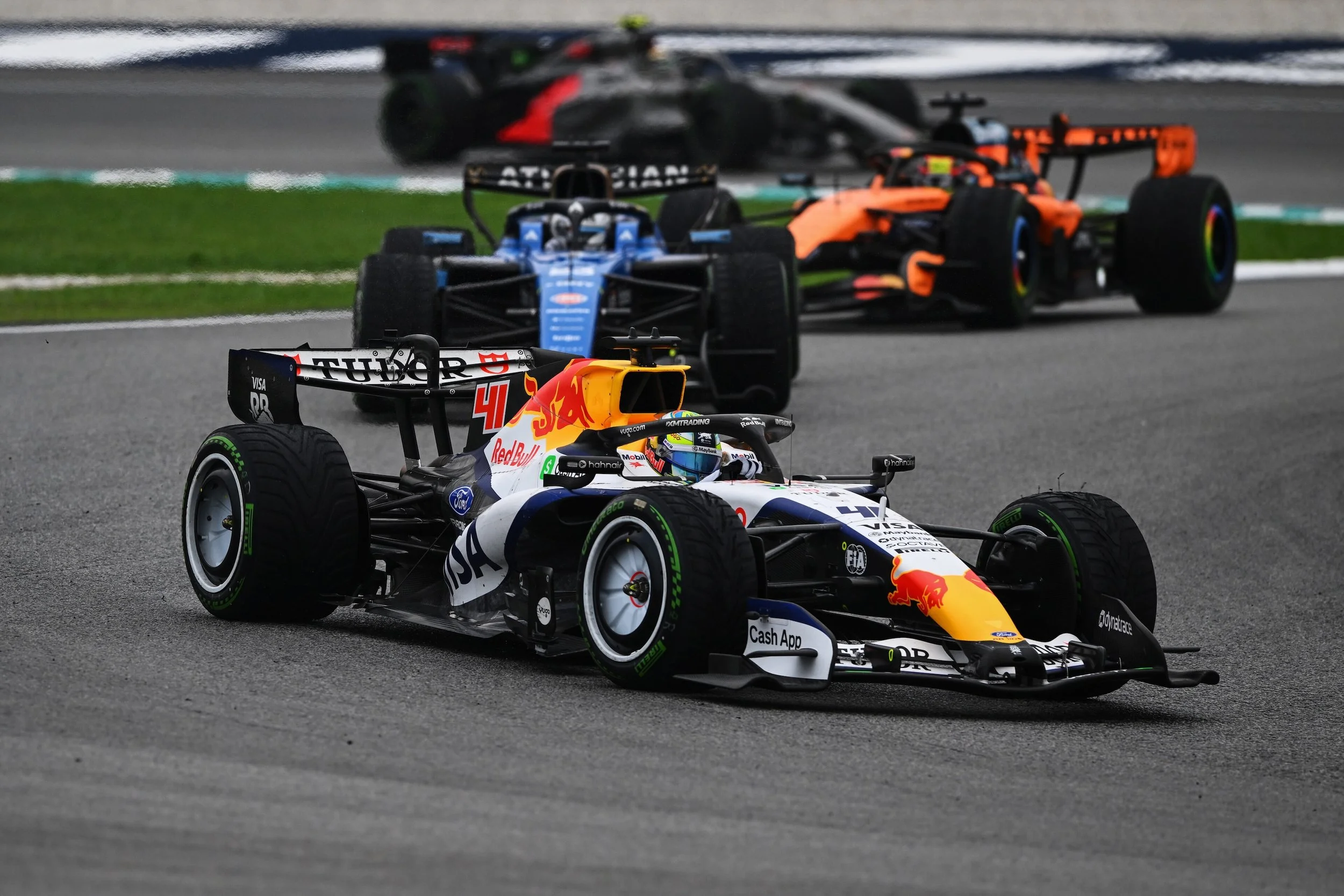
When the race finally got under way, still in difficult conditions, there was significant variation in tire choices: nine drivers opted for Intermediates, while the remainder of the field selected either Softs or Mediums.
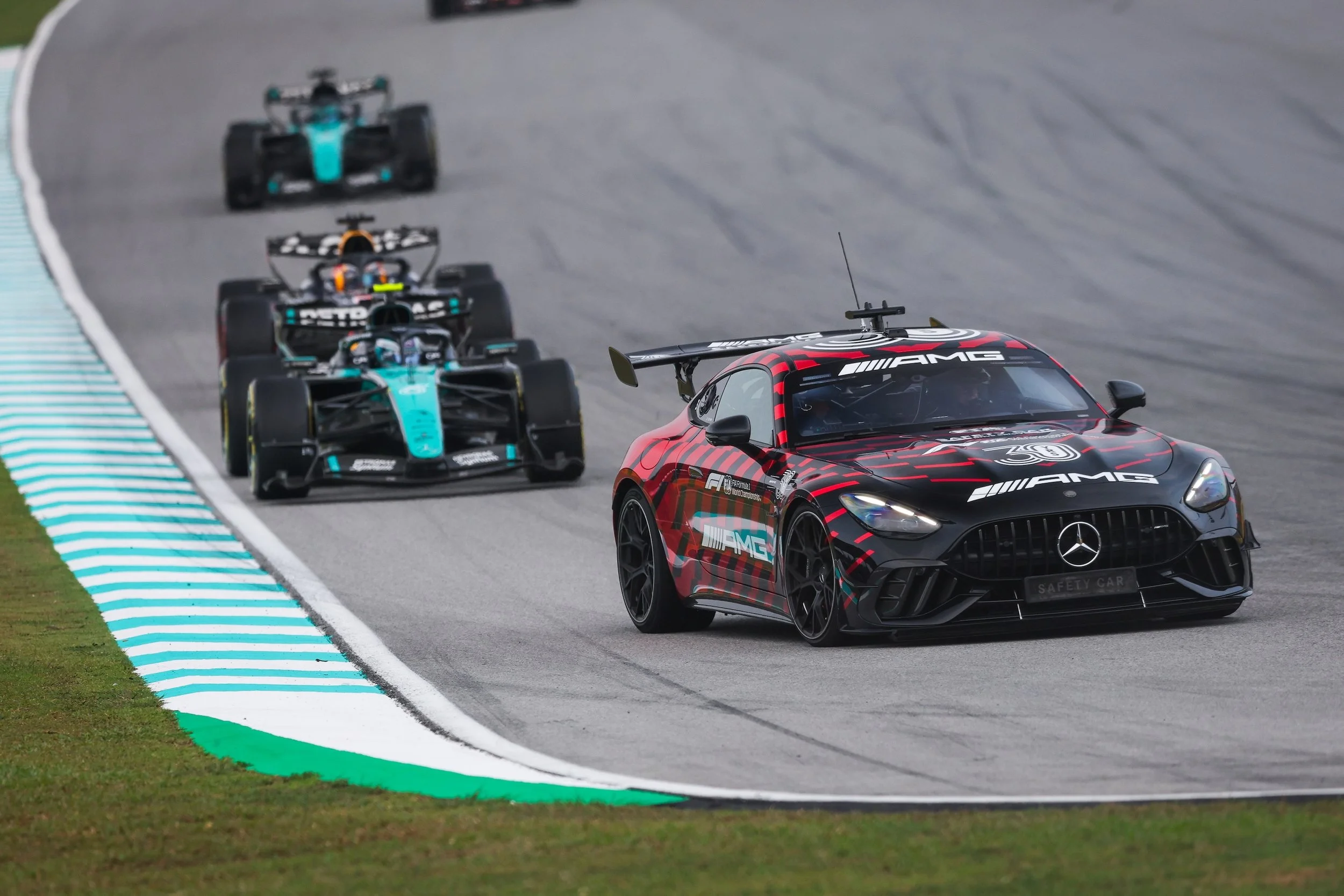
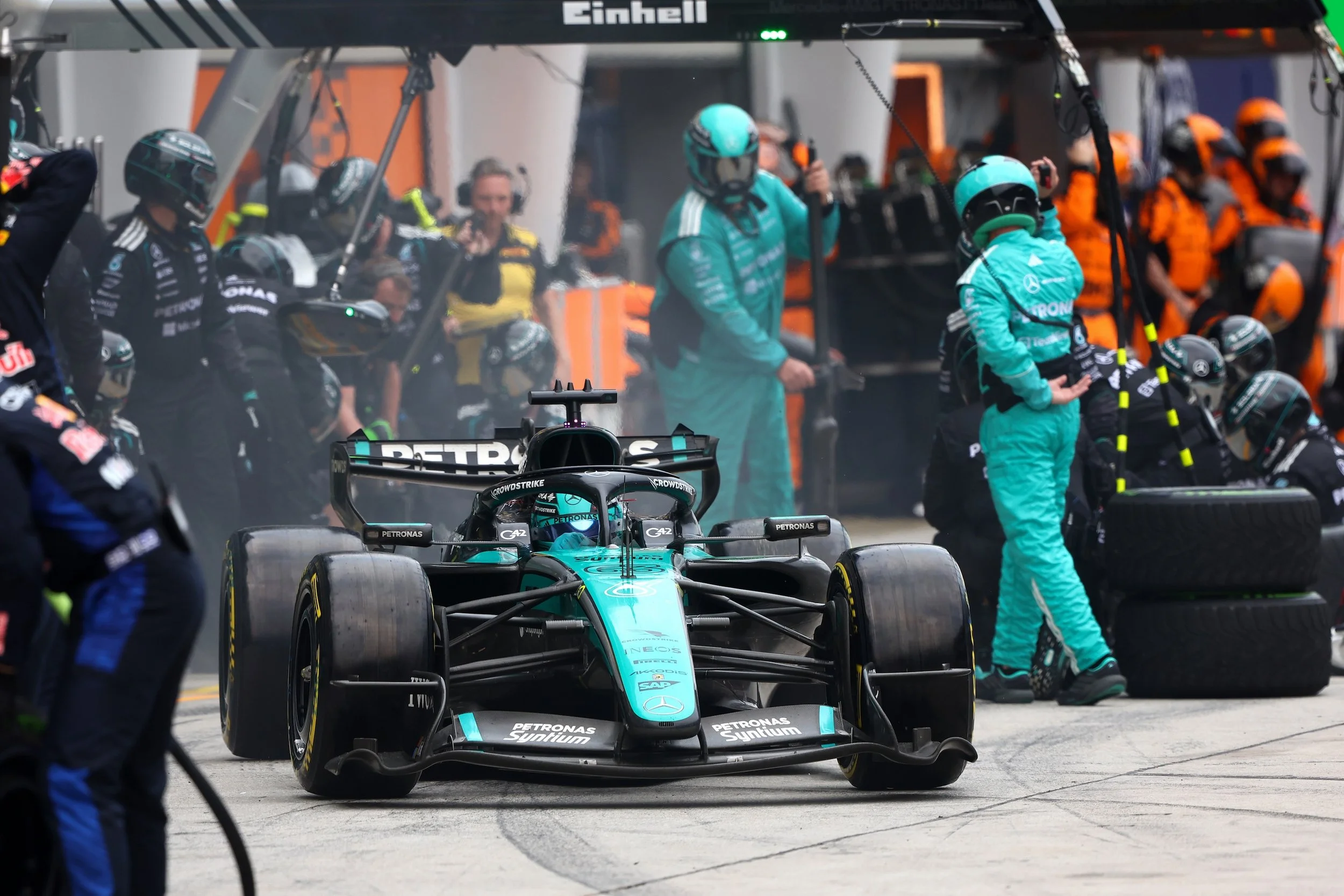
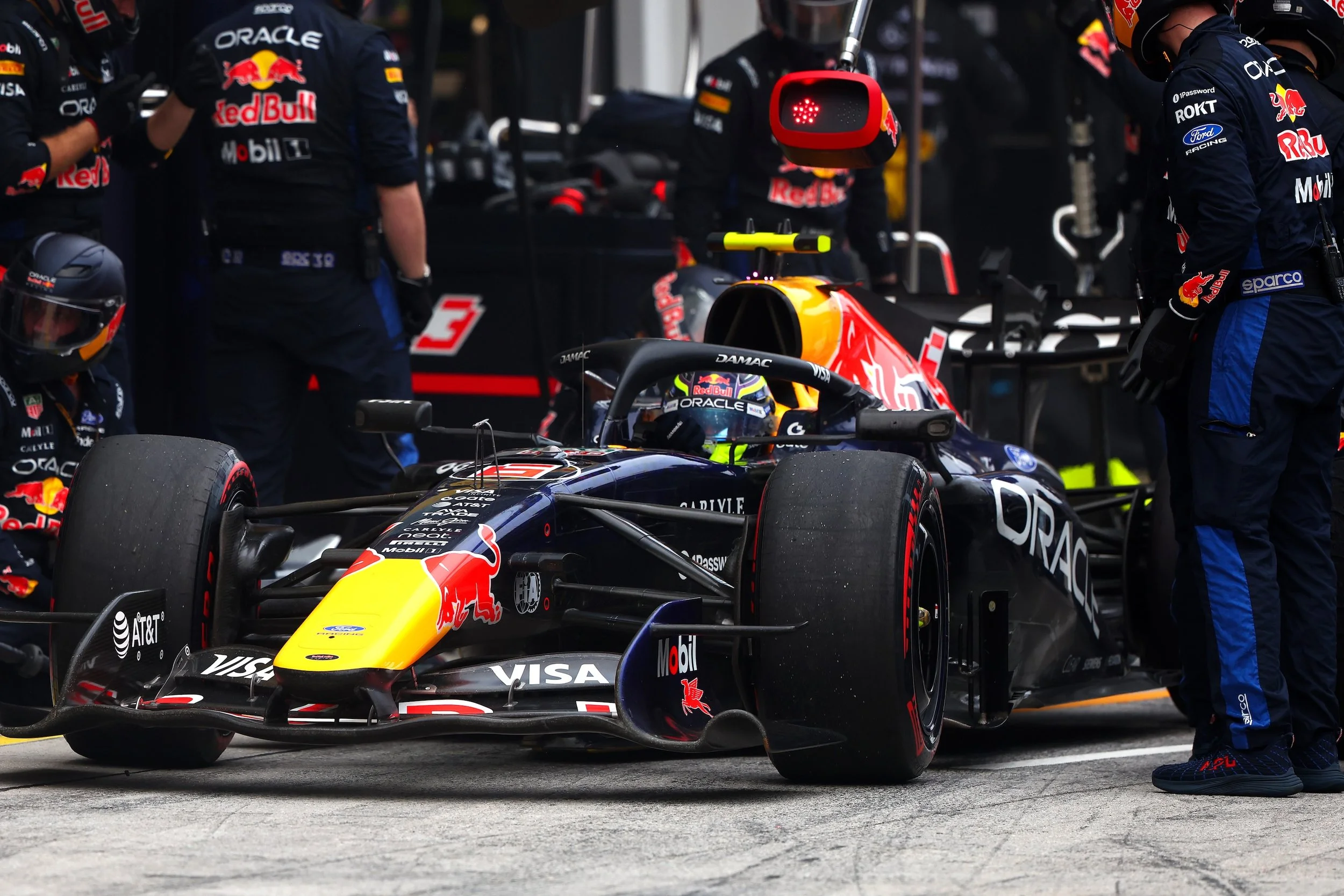
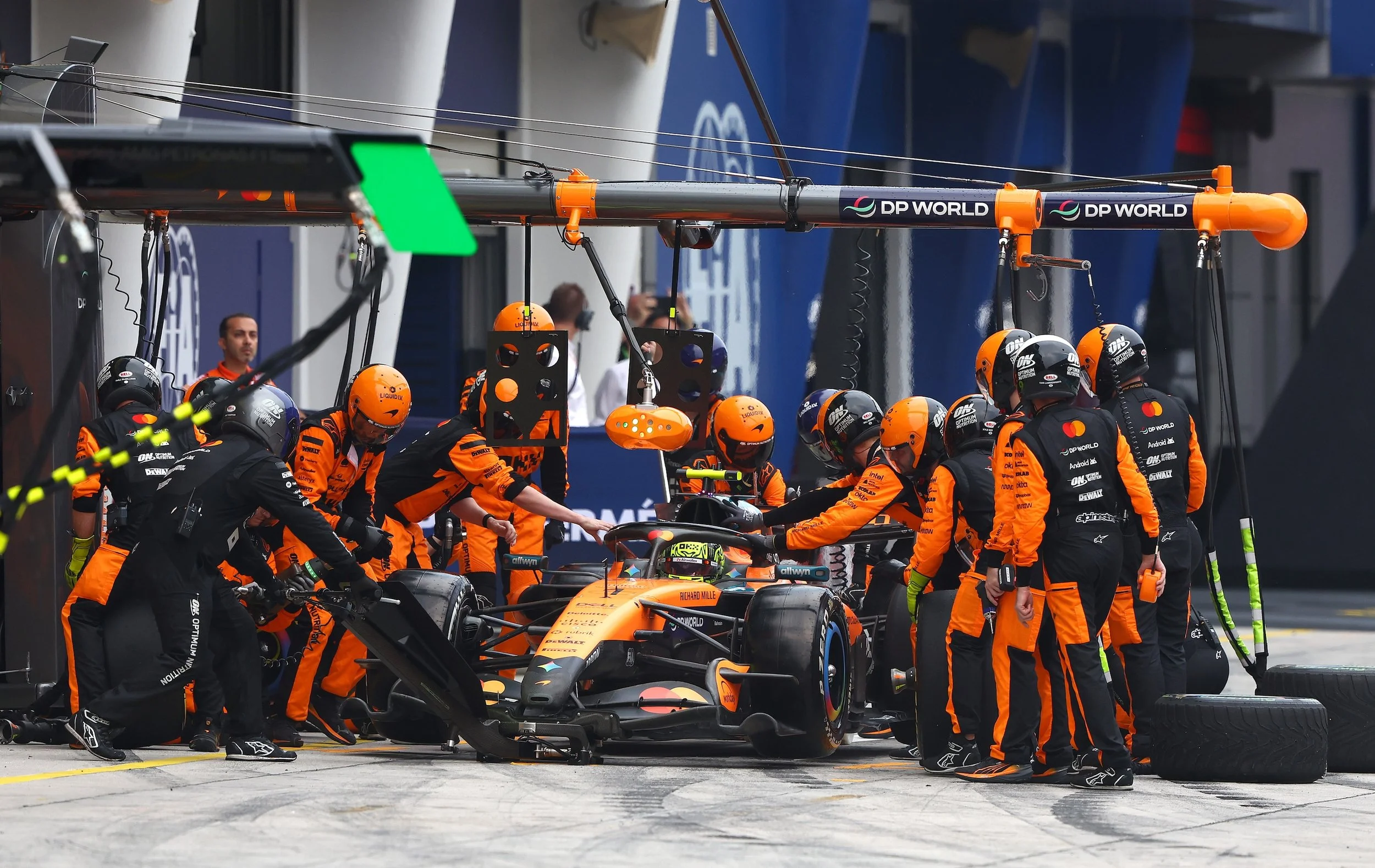
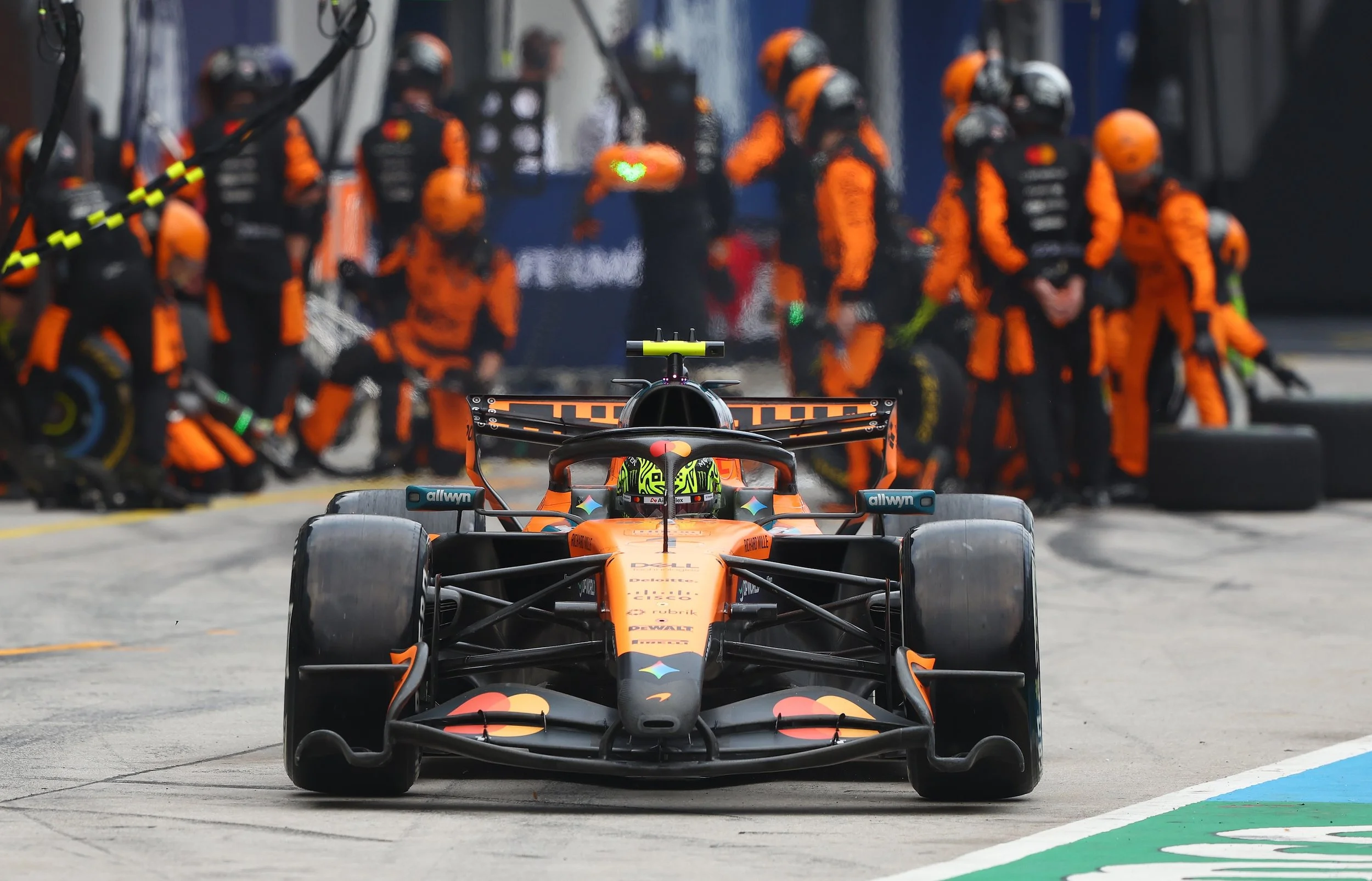
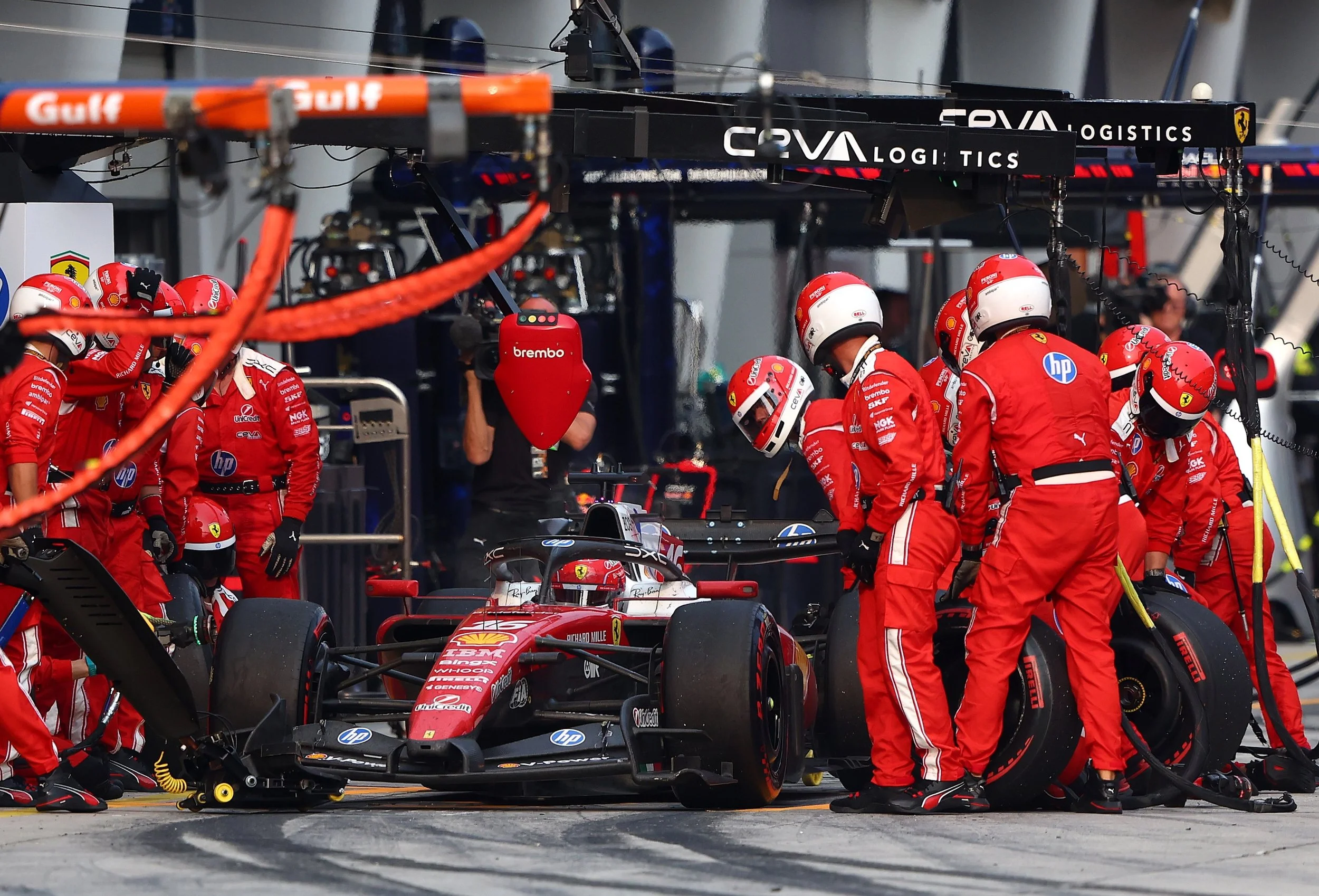
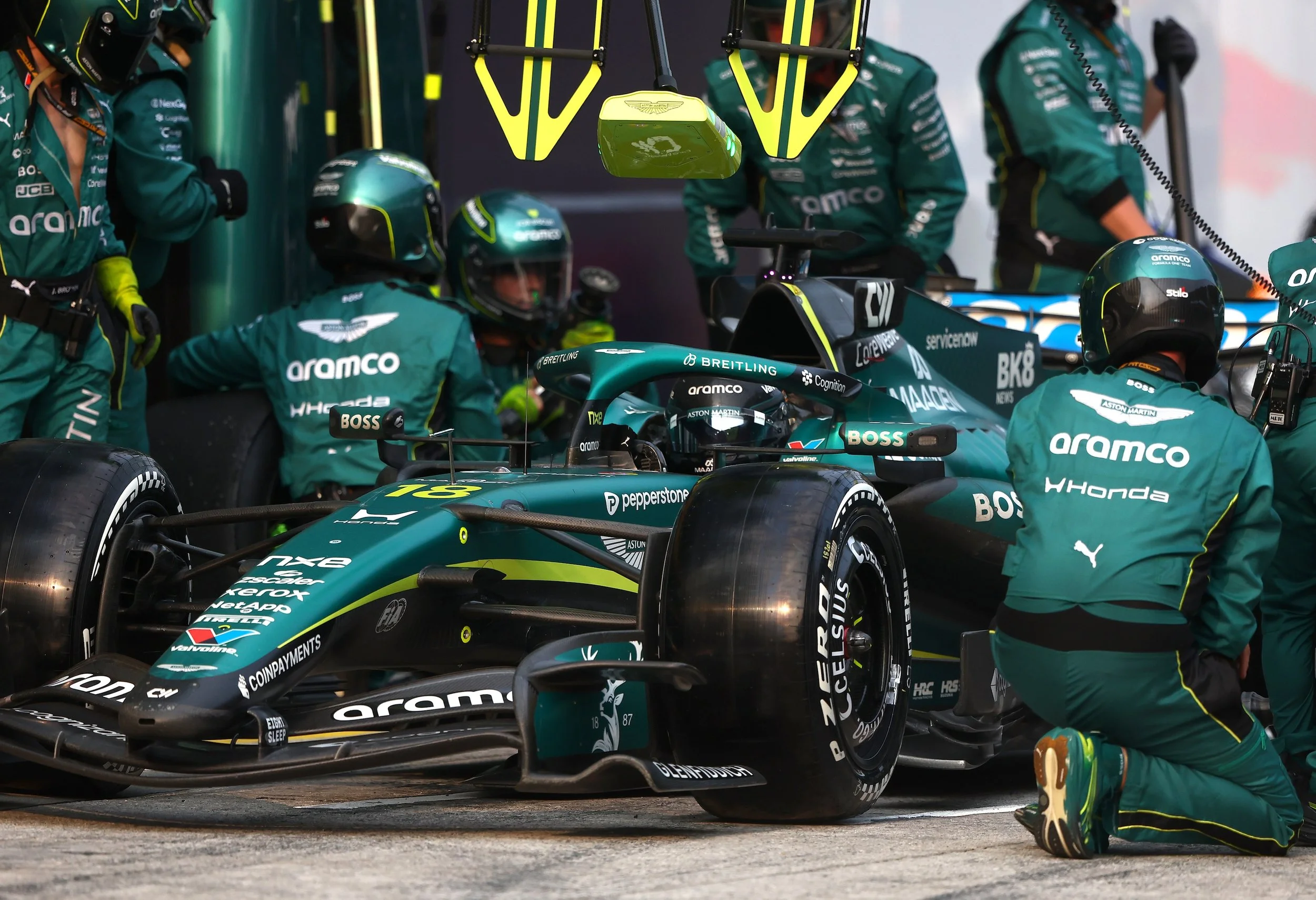
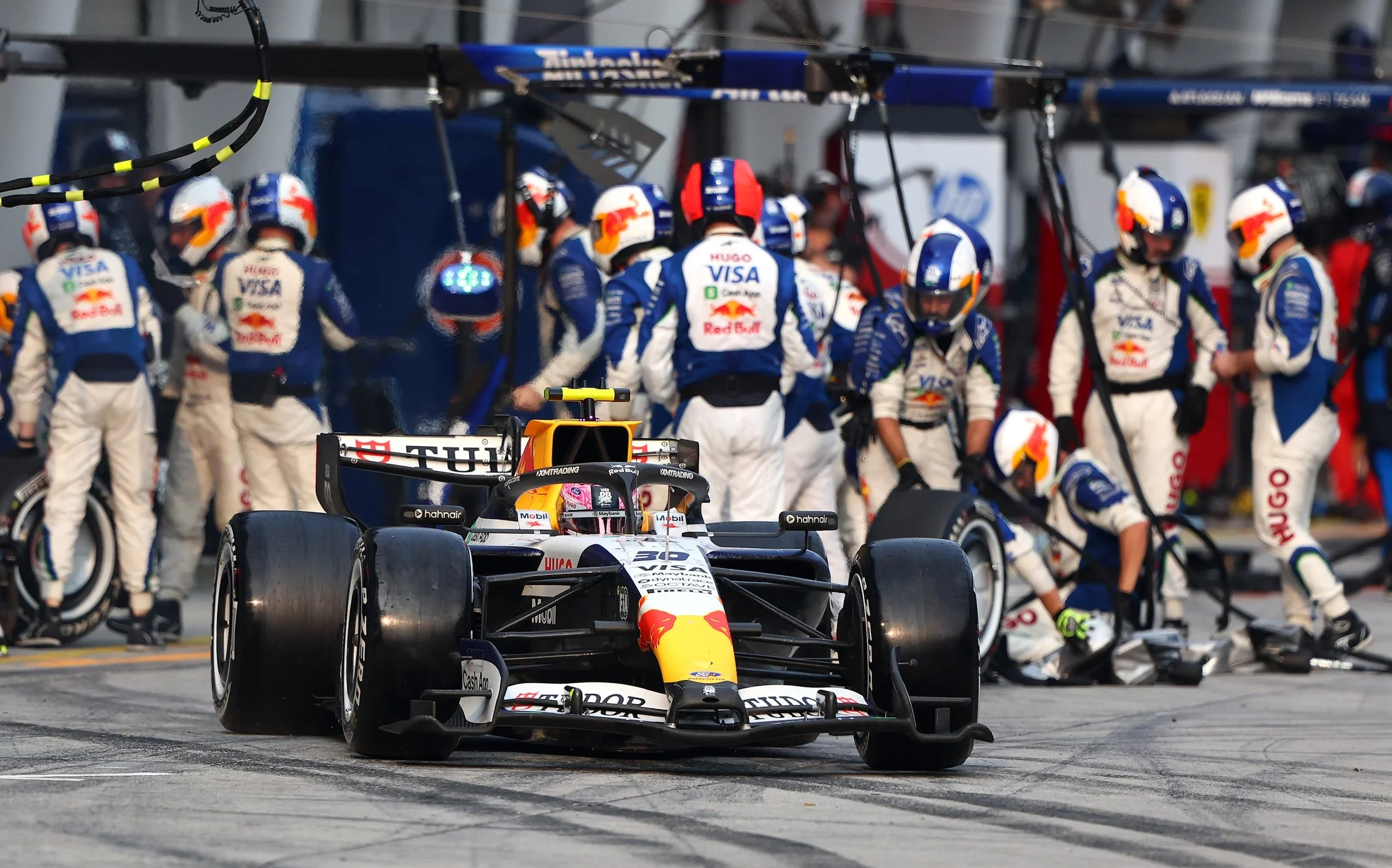
From the opening laps, it was clear that the track was still too wet for slick tires. A further six drivers therefore quickly pitted to switch to Intermediates. After nine laps, the Safety Car was deployed following Valtteri Bottas' off-track excursion. At the restart, with the asphalt almost dry, all drivers returned to action on slick tires. Over the course of the race, every compound in the range was used except the Full Wet.
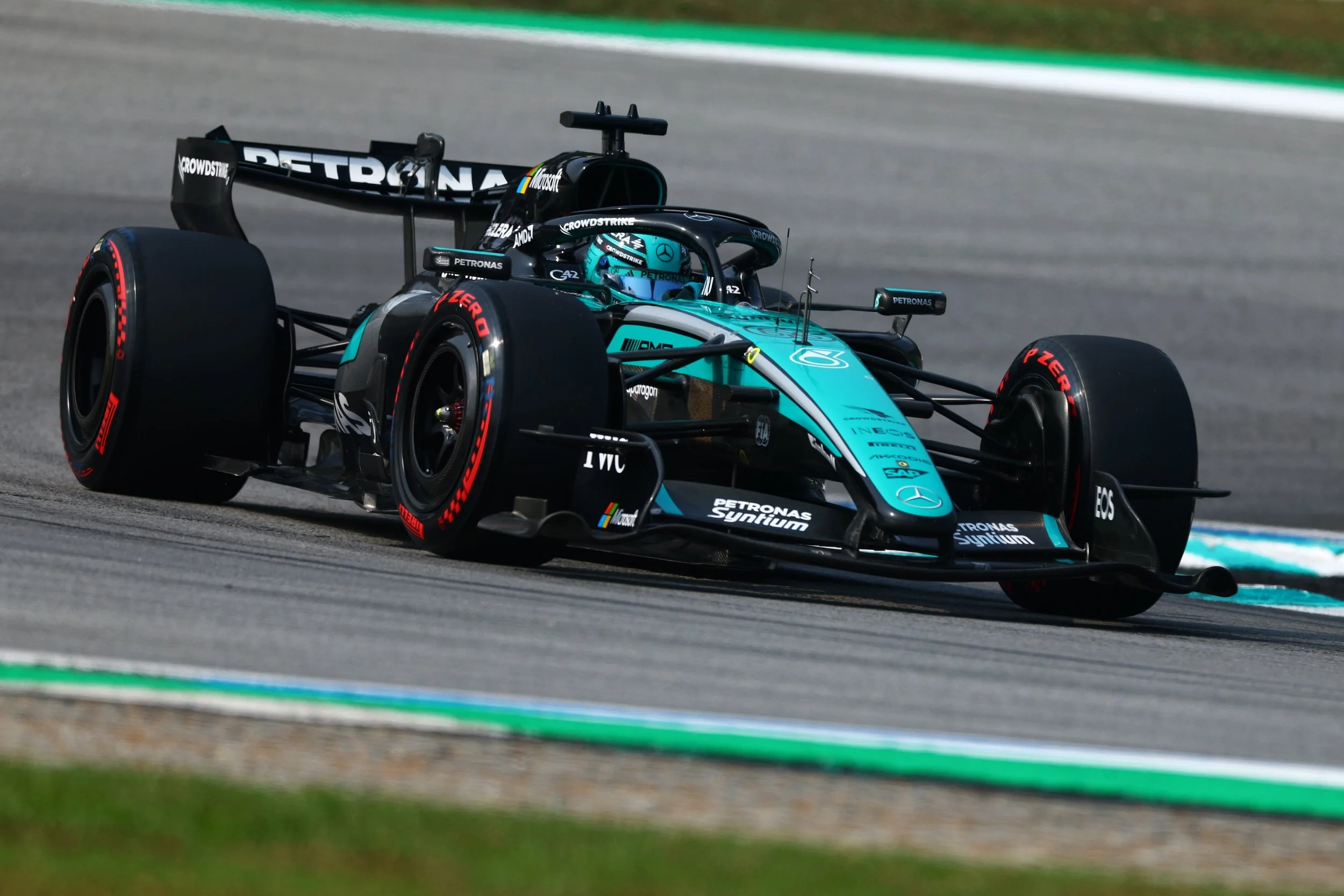
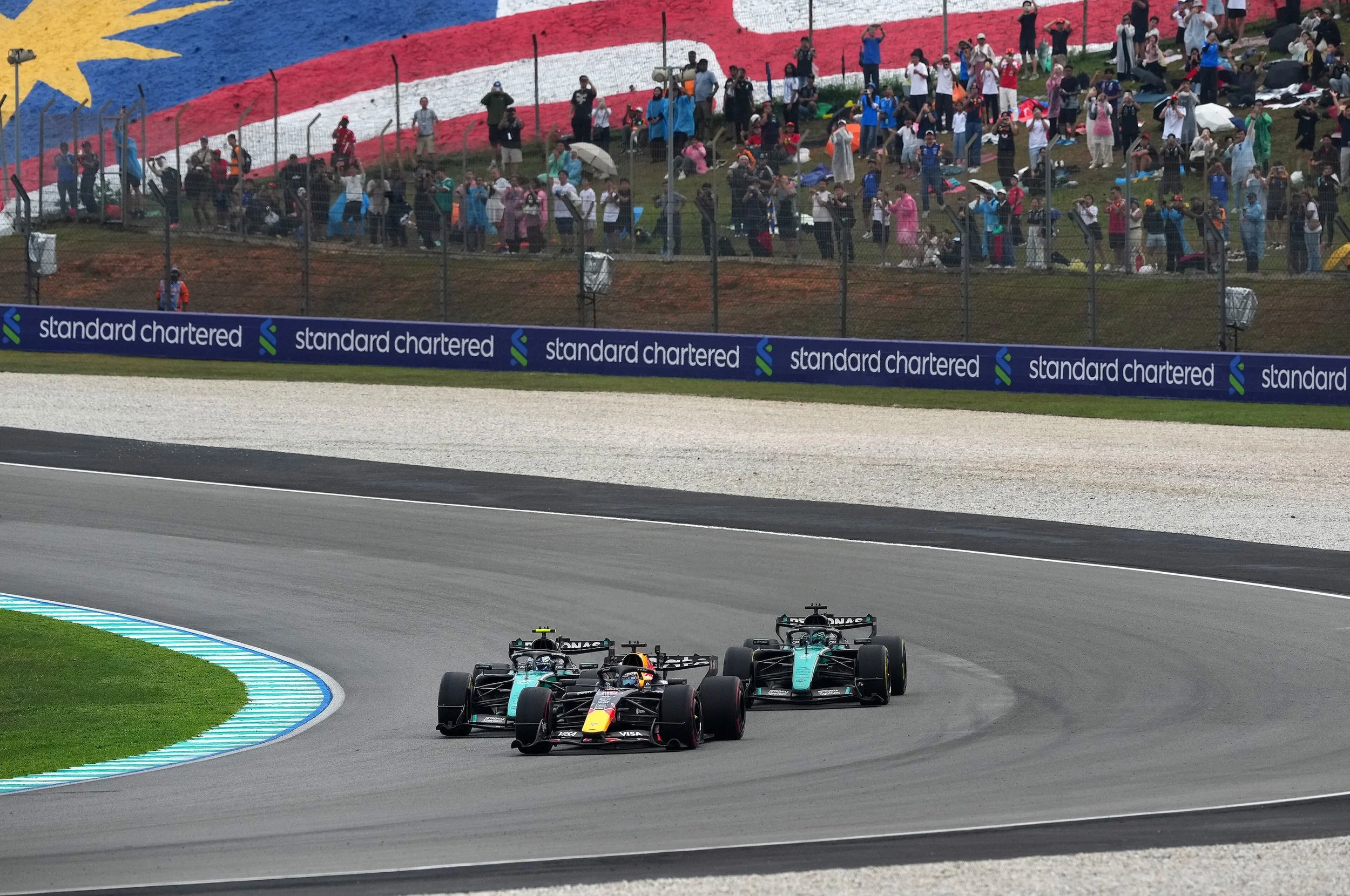
Verstappen quickly built a margin over the two Mercedes drivers but saw his advantage wiped out by a Virtual Safety Car that was later upgraded to a full Safety Car. The Red Bull driver had in fact stopped ten laps before the neutralization to fit a set of Softs. Both he and Kimi Antonelli, who eventually finished second, took advantage of the VSC to make an additional stop and fit another set of used Softs.
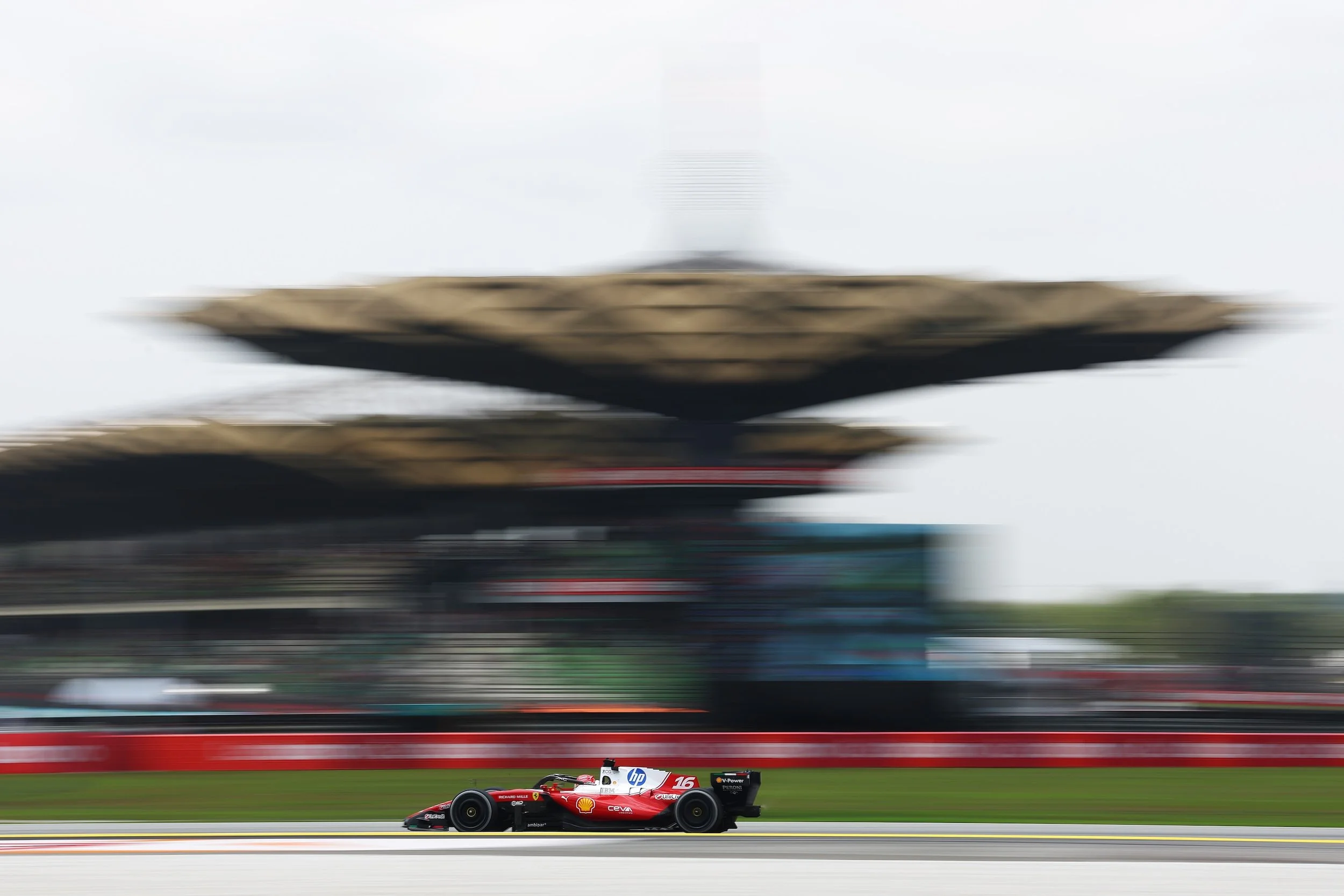
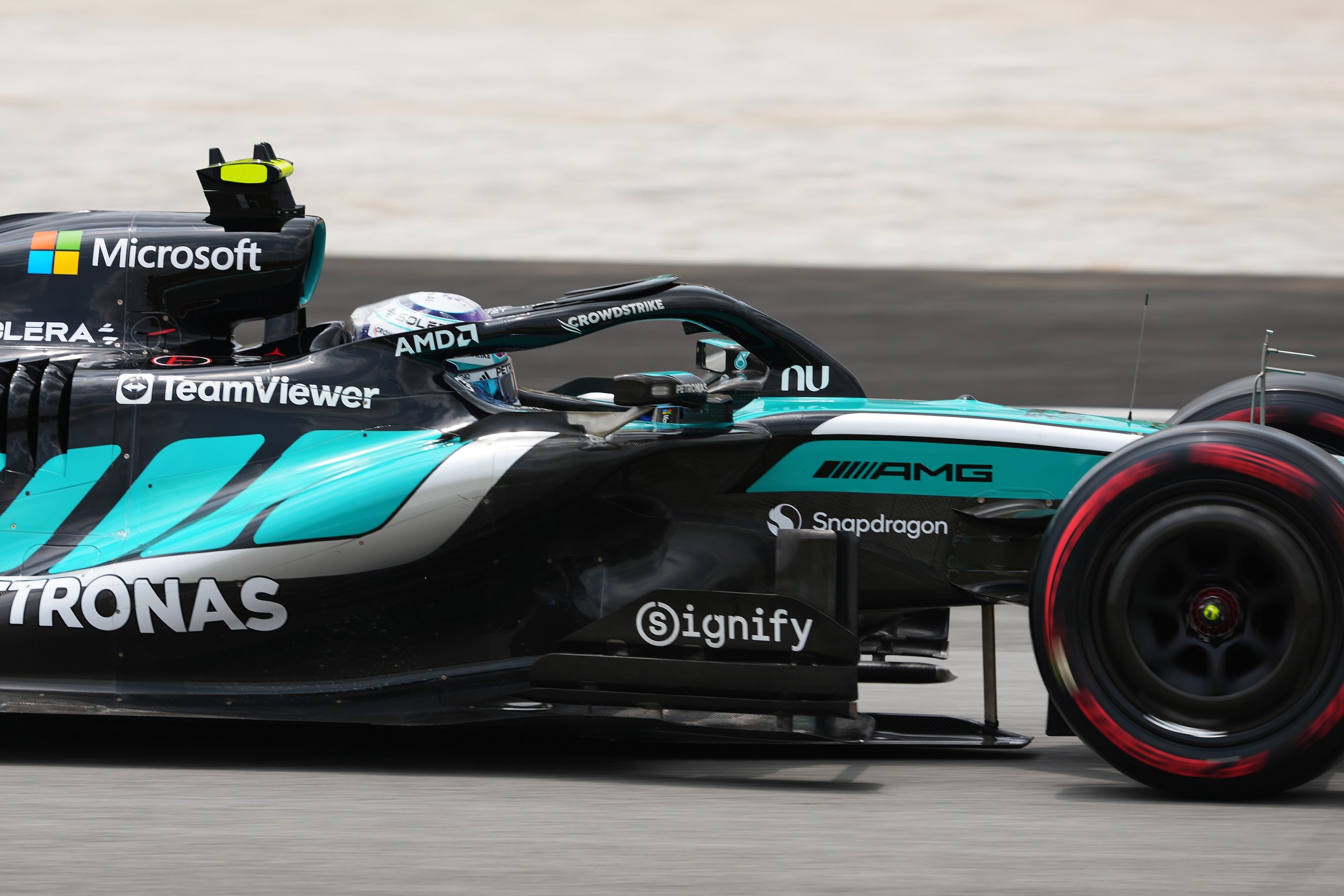
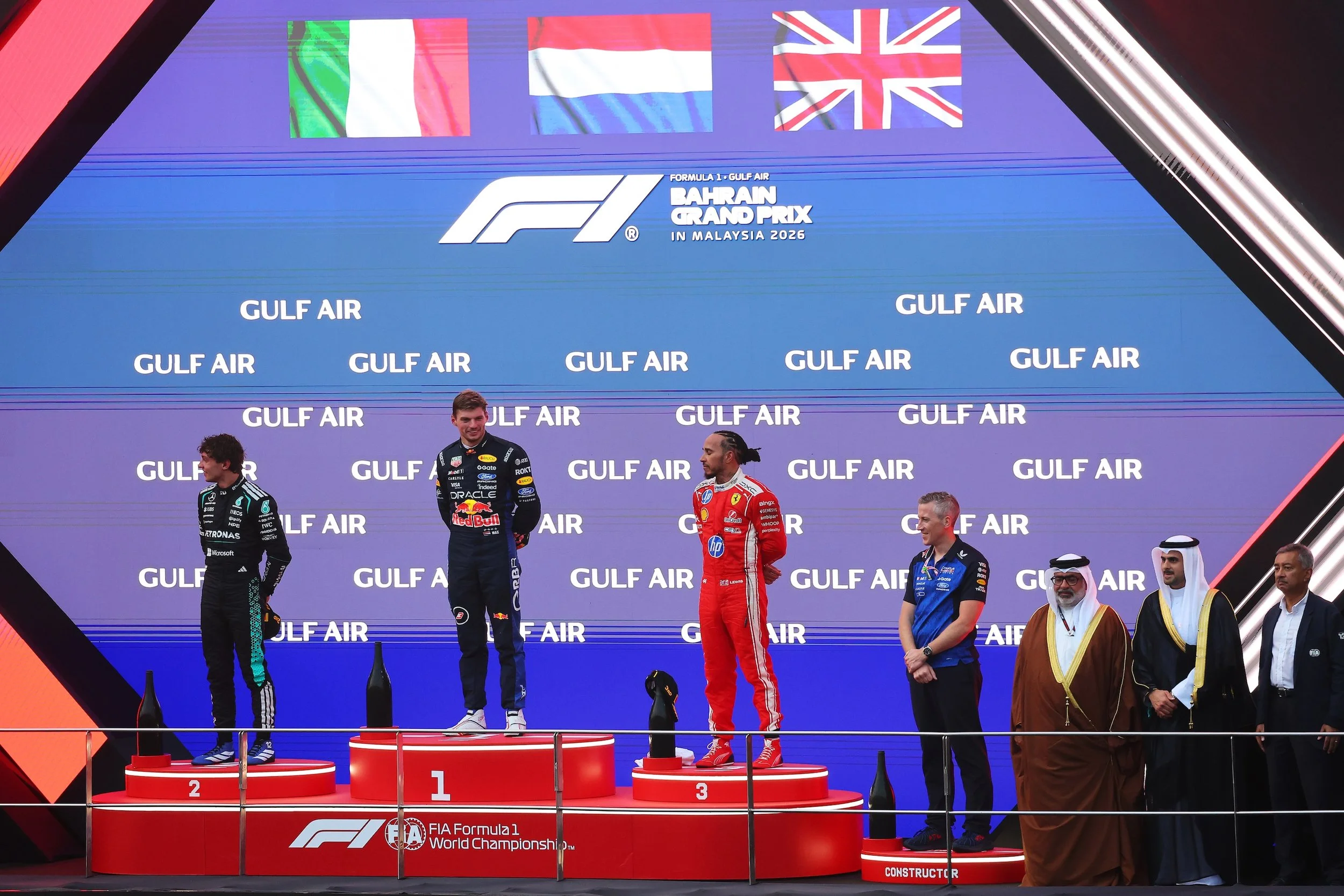
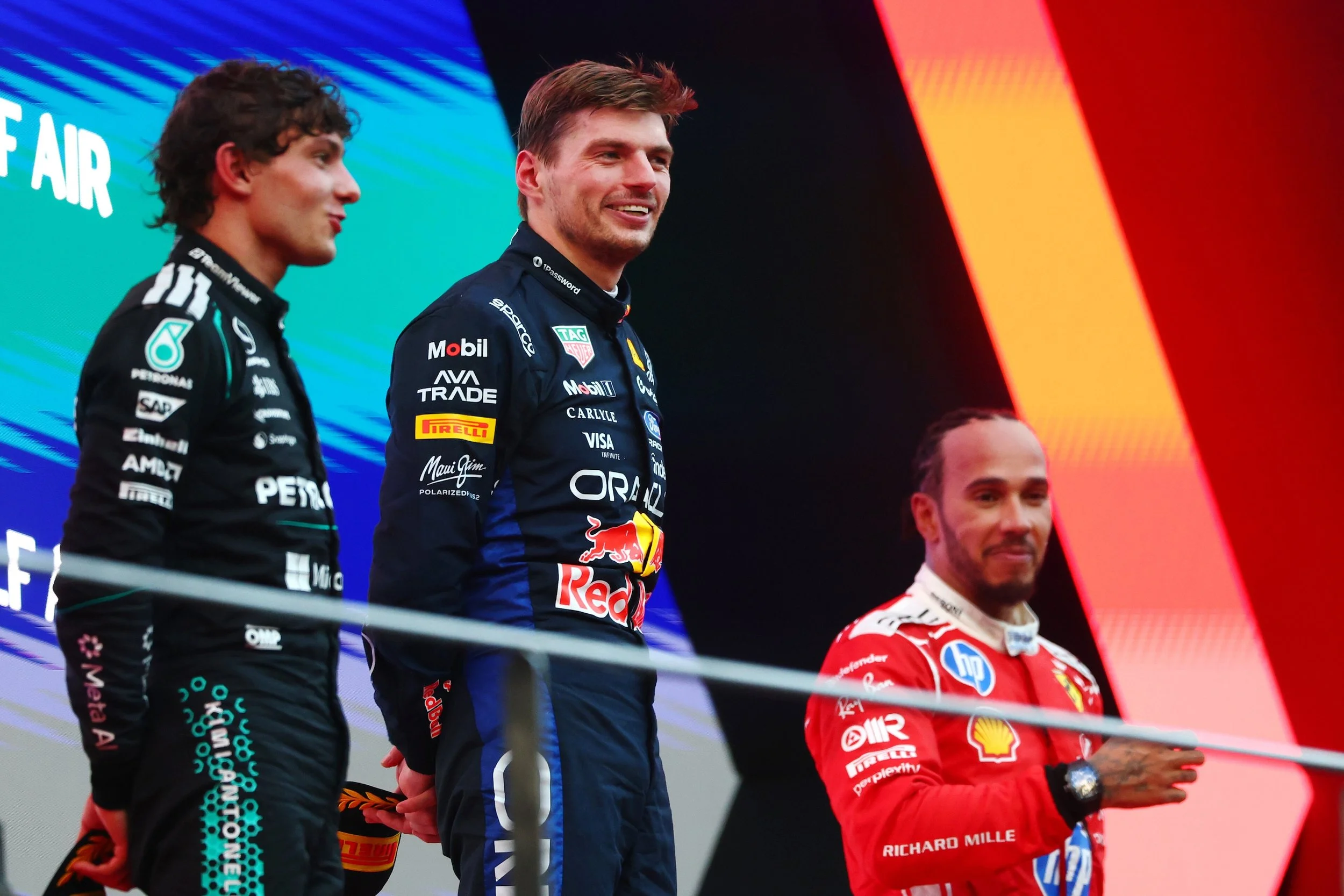
In the closing laps, Verstappen managed to hold off Antonelli and secure the victory. Lewis Hamilton finished third for Ferrari.
The return of Formula 1 to Sepang provided a memorable setting for the Bahrain Grand Prix, combining the circuit's demanding layout with extreme heat and unpredictable weather. Max Verstappen emerged victorious after a race filled with changing conditions, incidents and strategic challenges, while Kimi Antonelli and Lewis Hamilton completed the podium. After nine years away, Sepang once again provided a spectacular backdrop for the Formula 1 World Championship.
Media courtesy of Pirelli S.p.A., Getty Images, DPPI, and the official Formula 1 team press offices. All images are provided via Getty Images through the respective team media platforms and are credited to their rightful copyright holders. Photos not for sale.
FRIDAY
SATURDAY
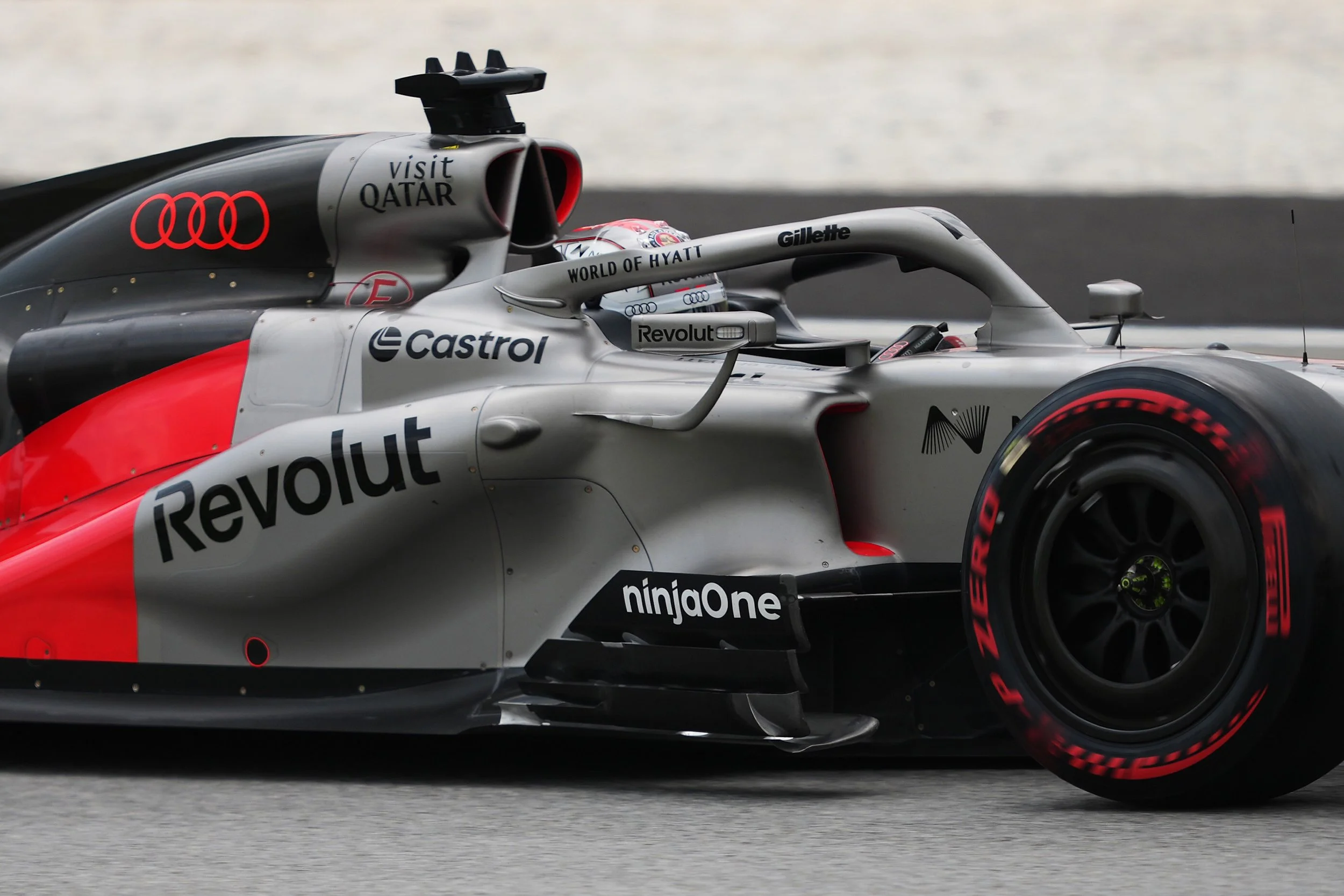
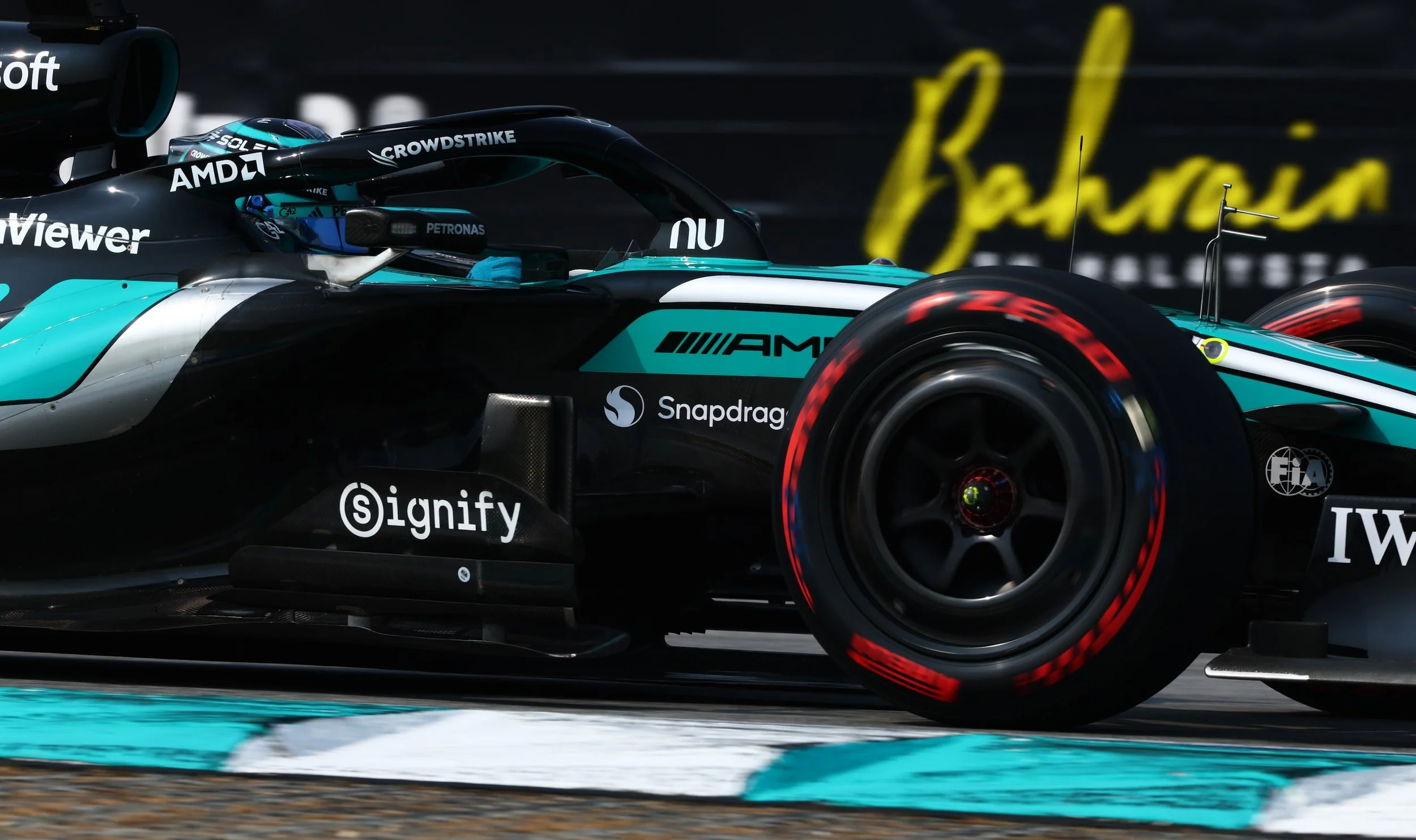
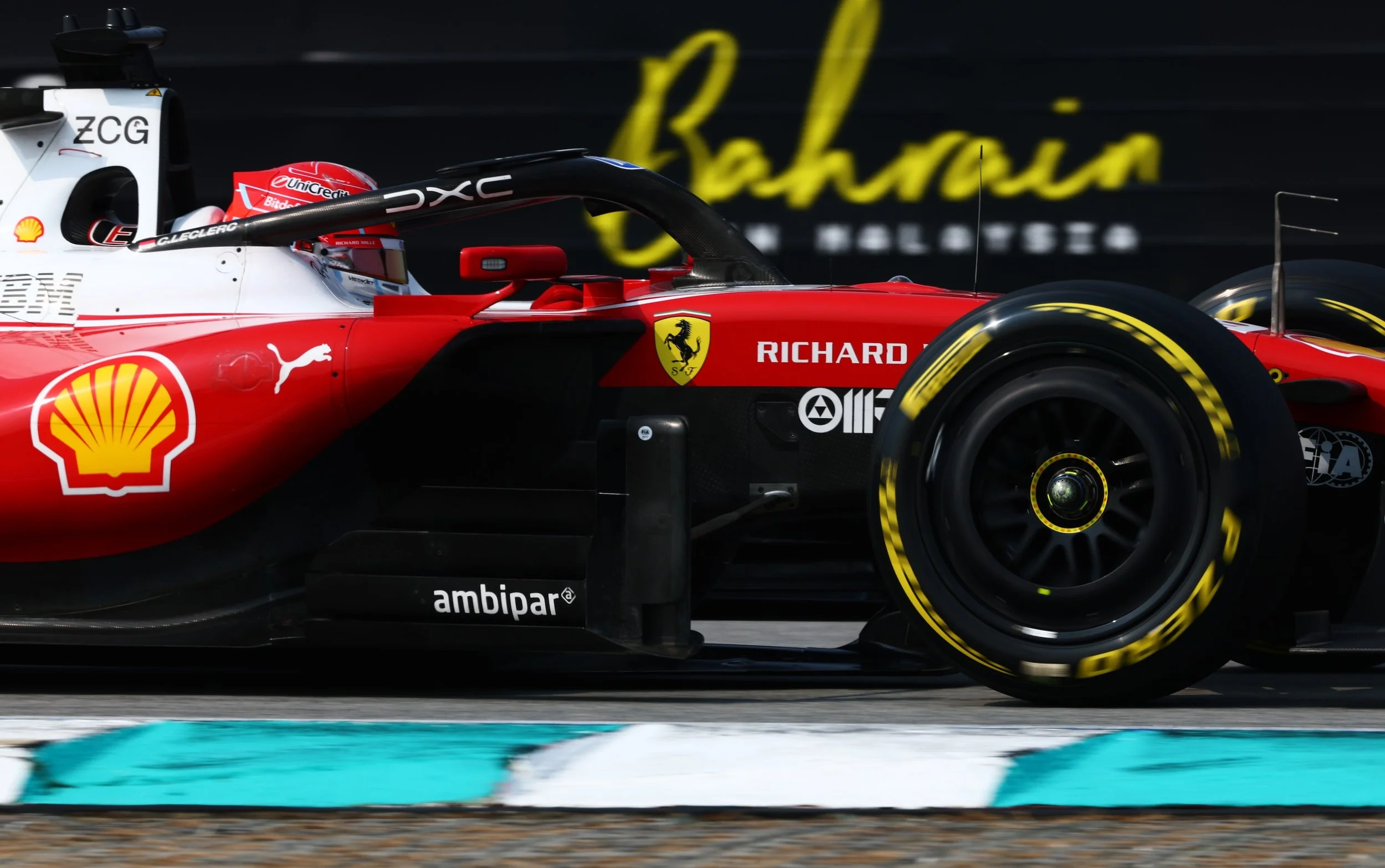
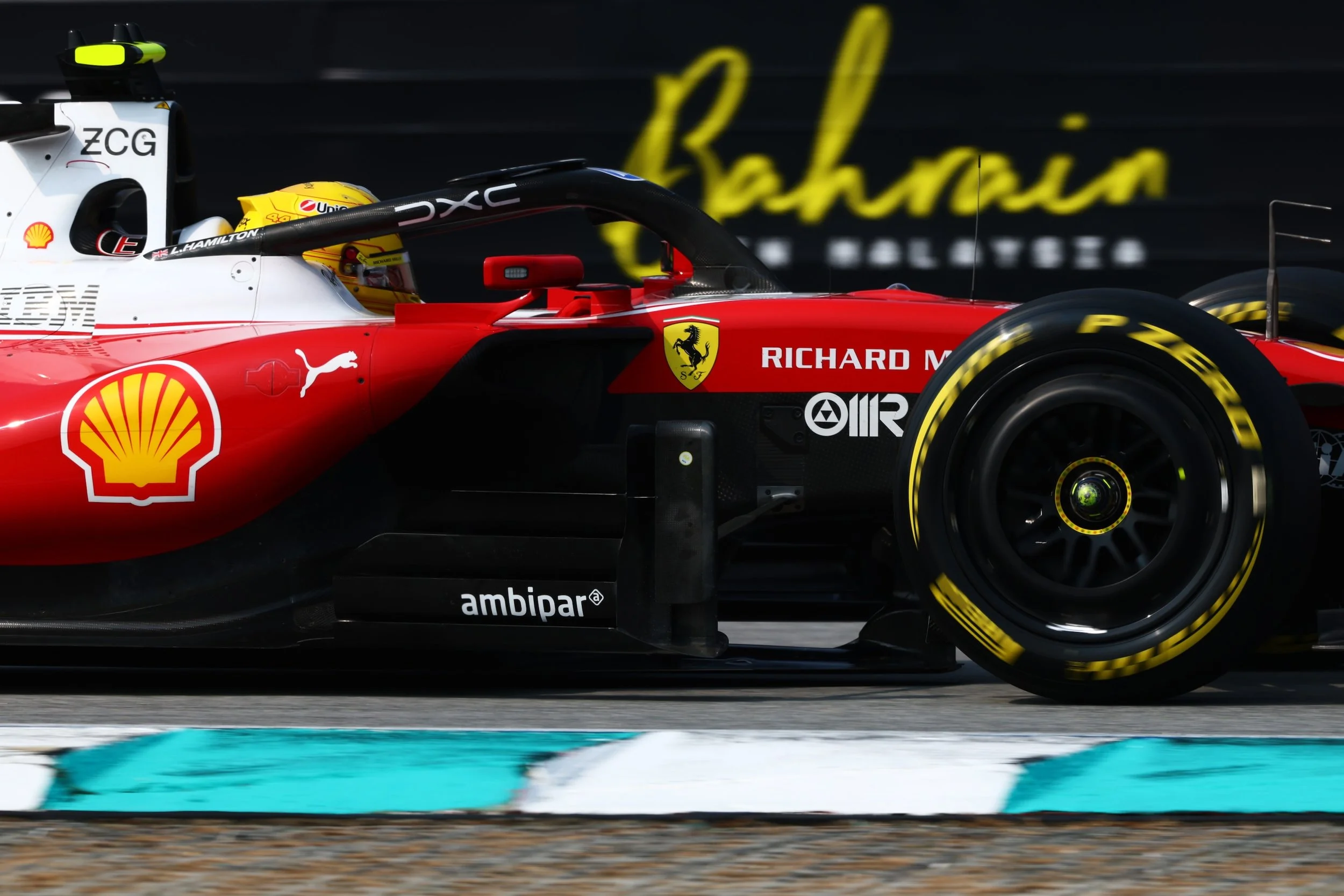
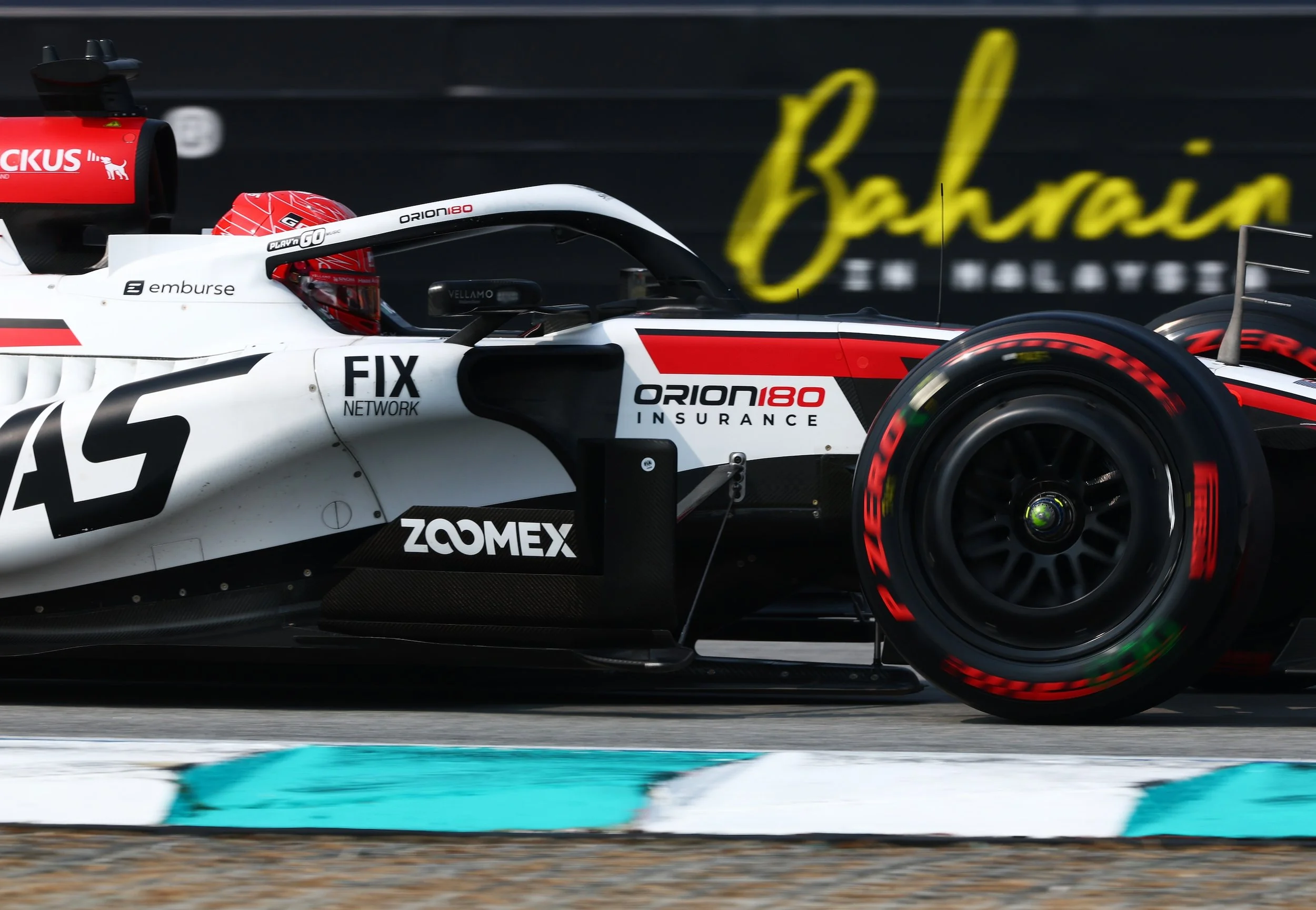
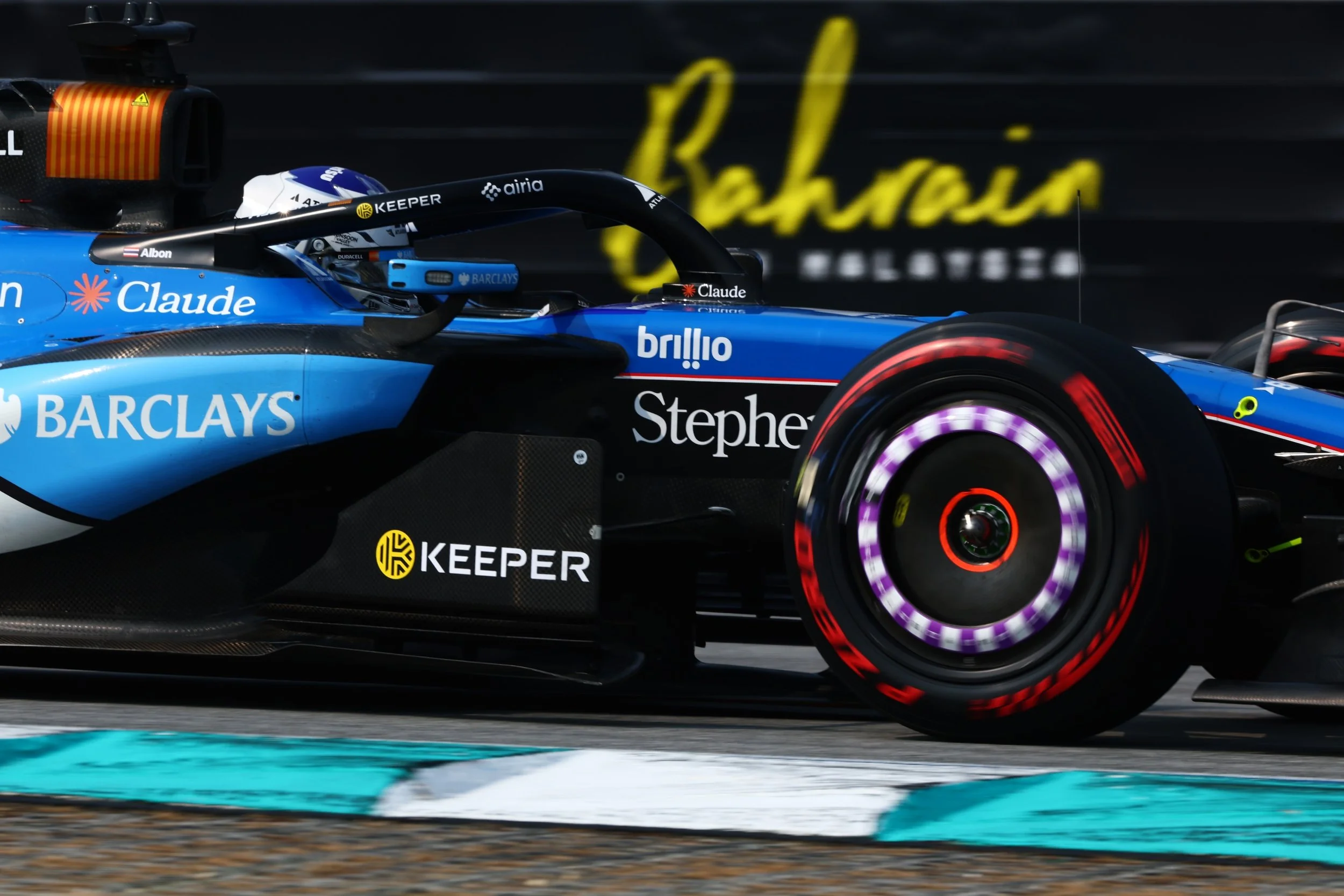
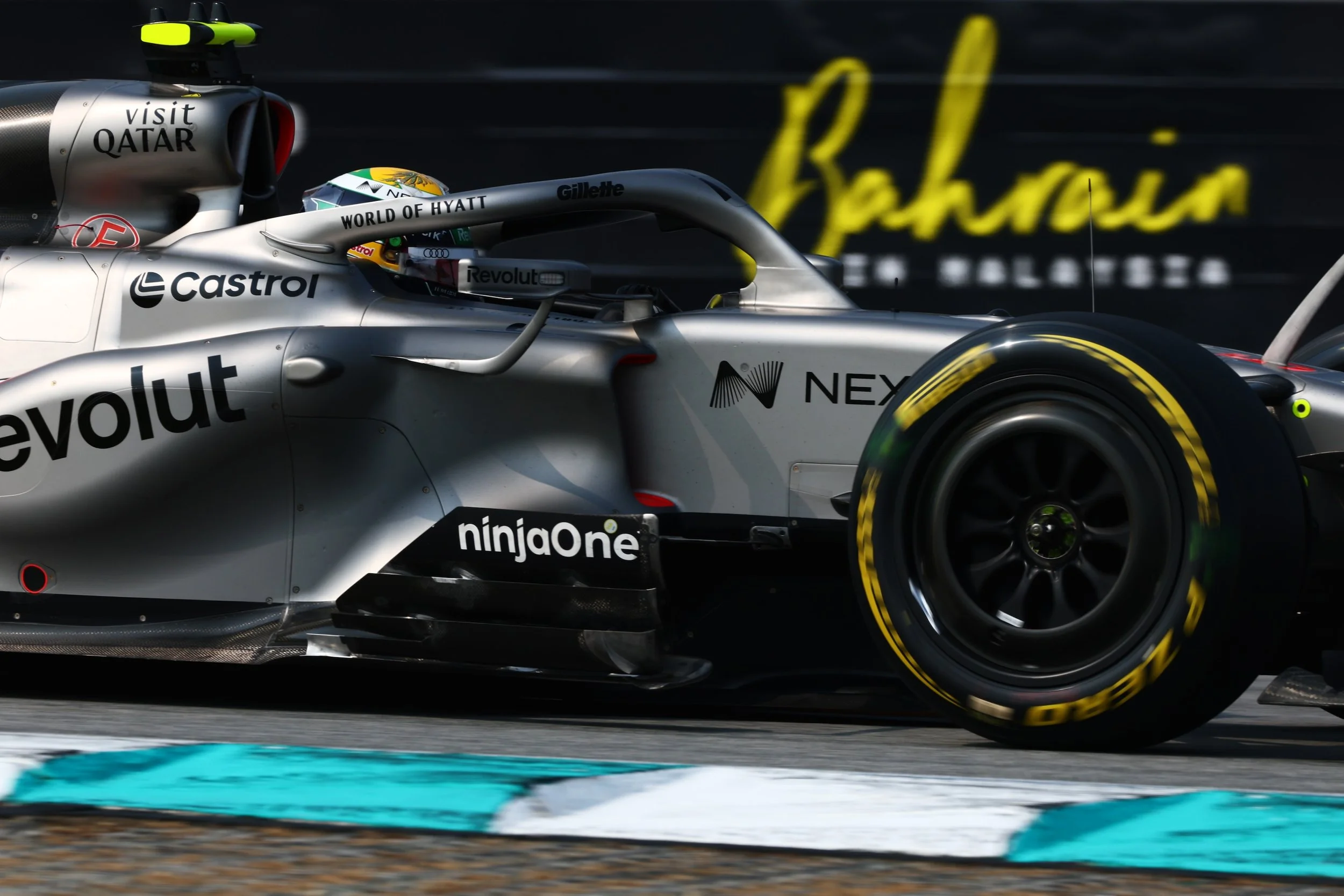
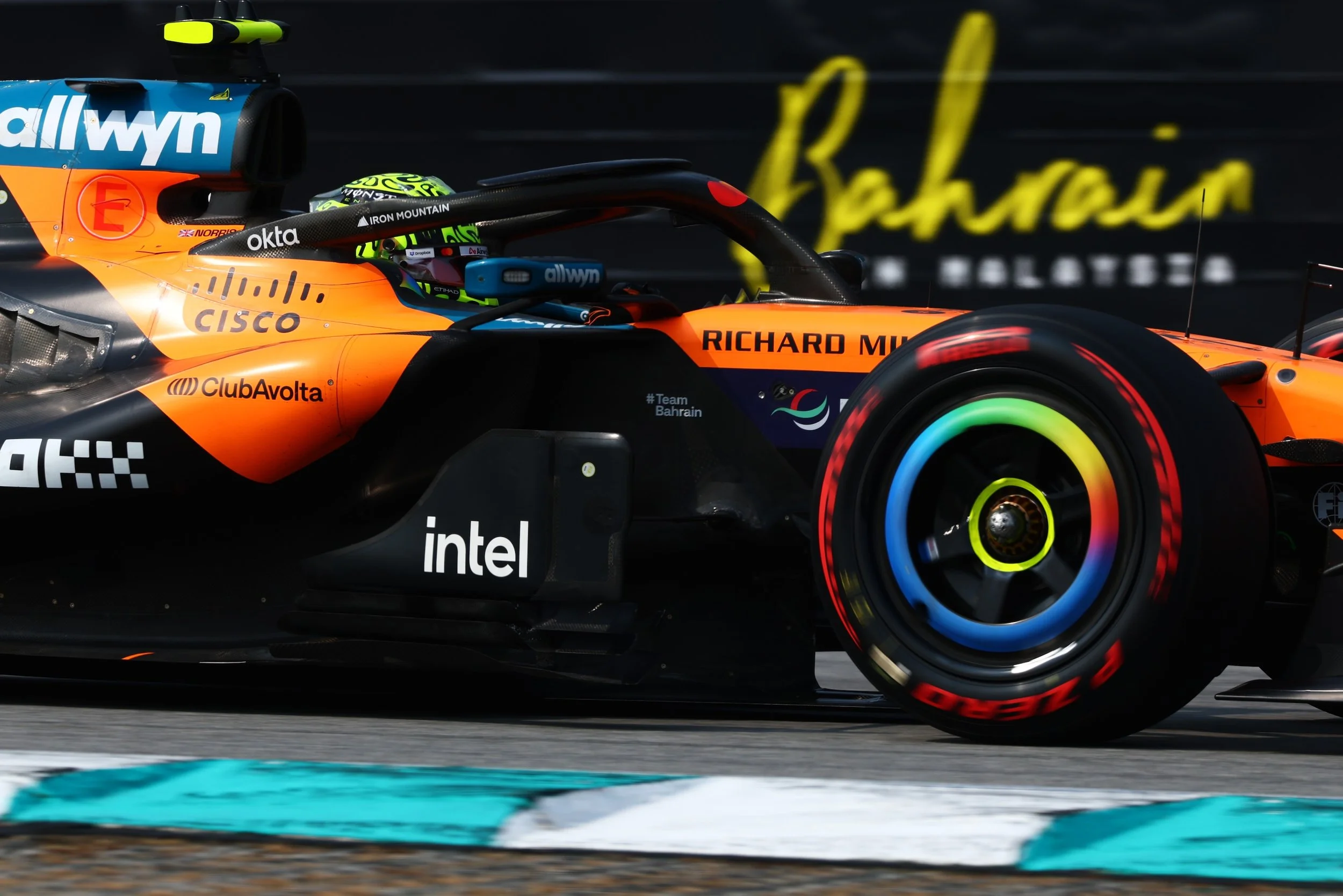
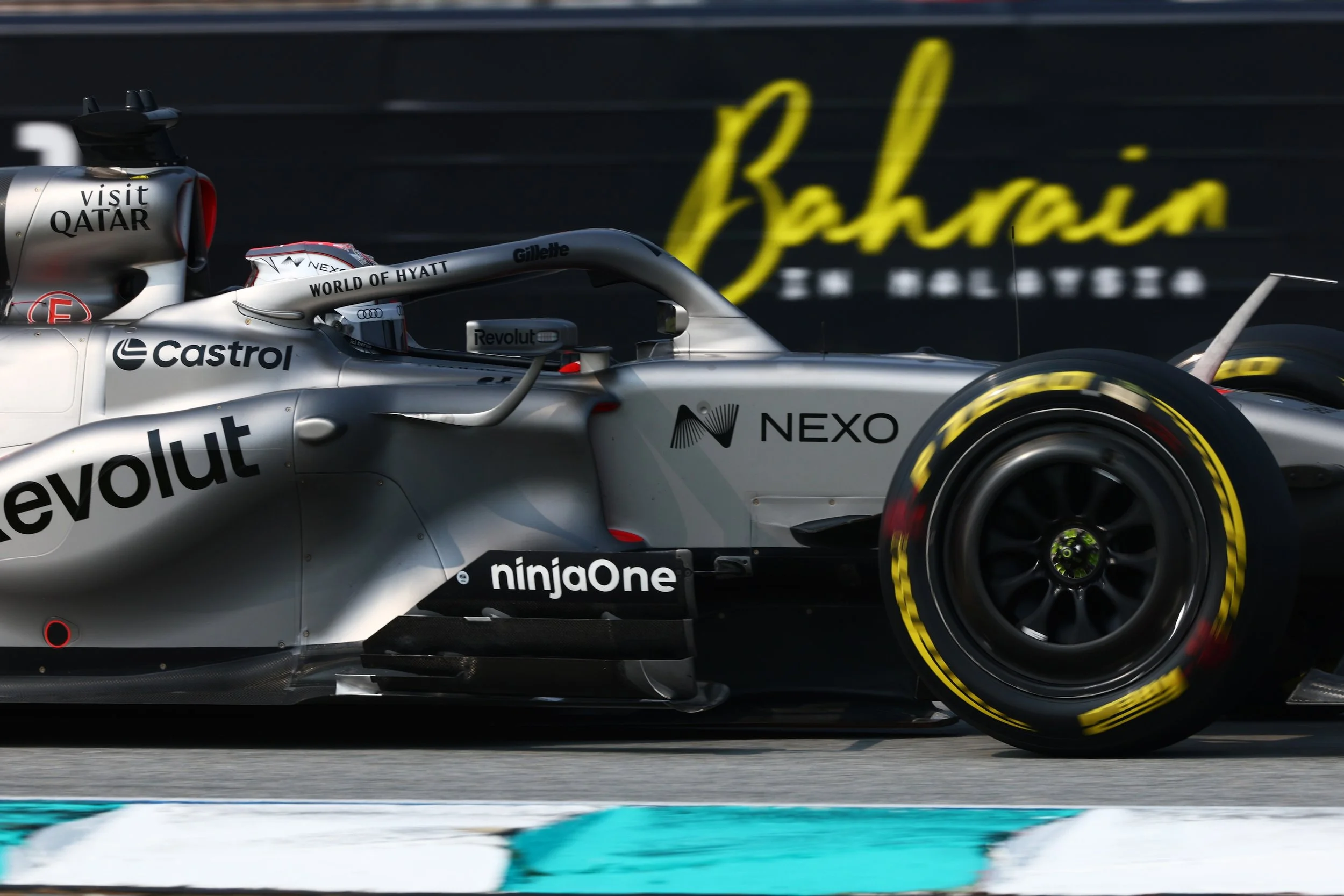
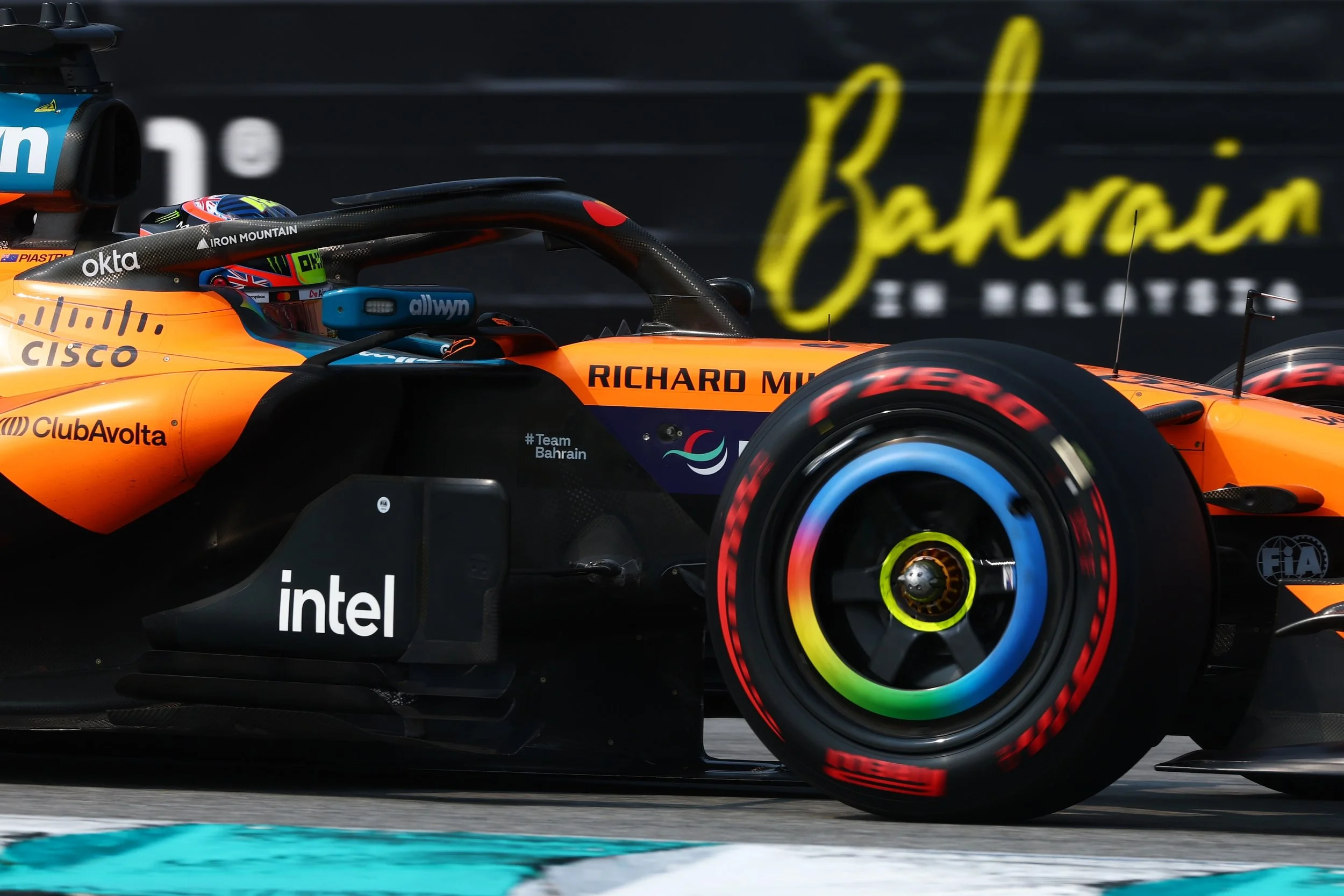
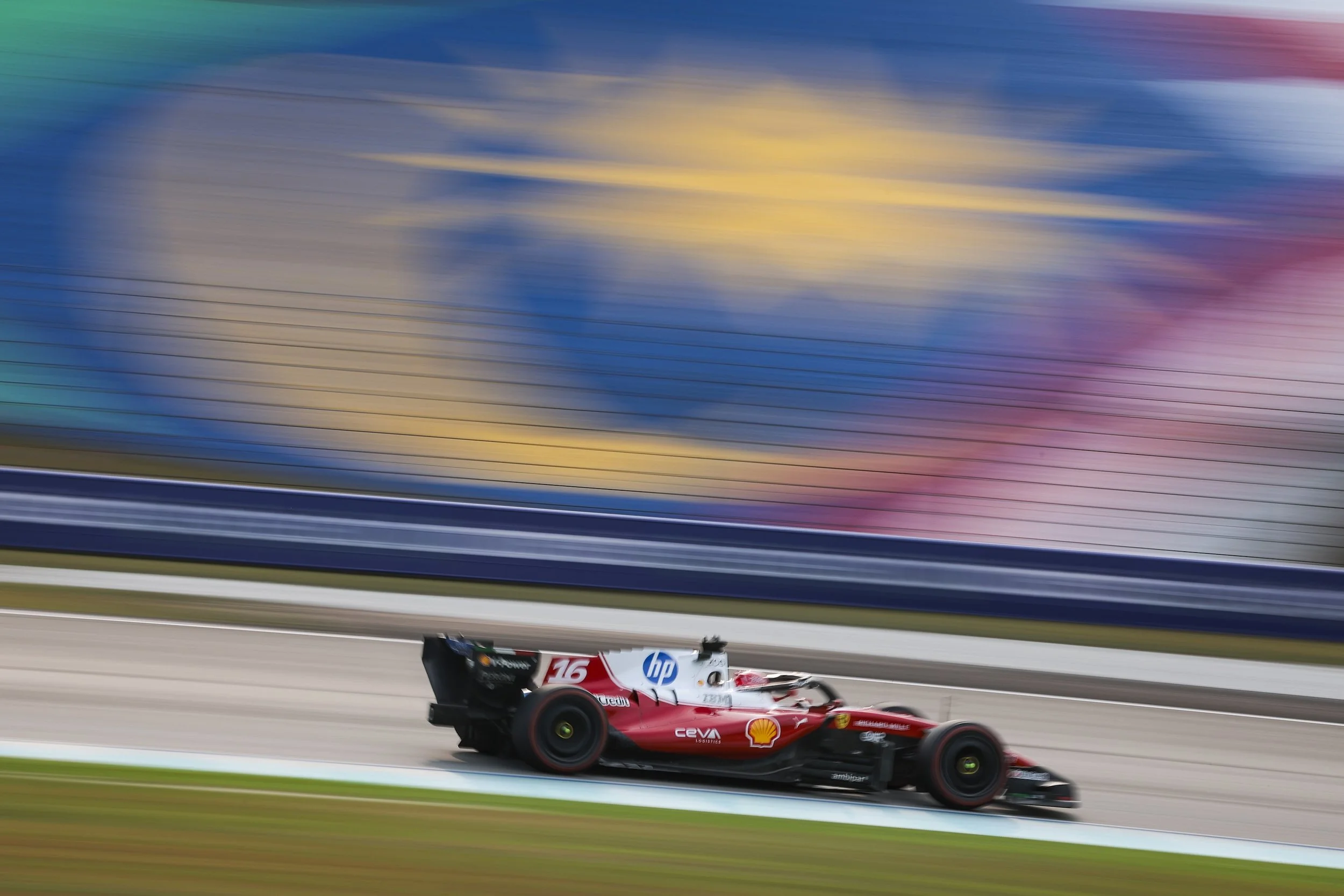
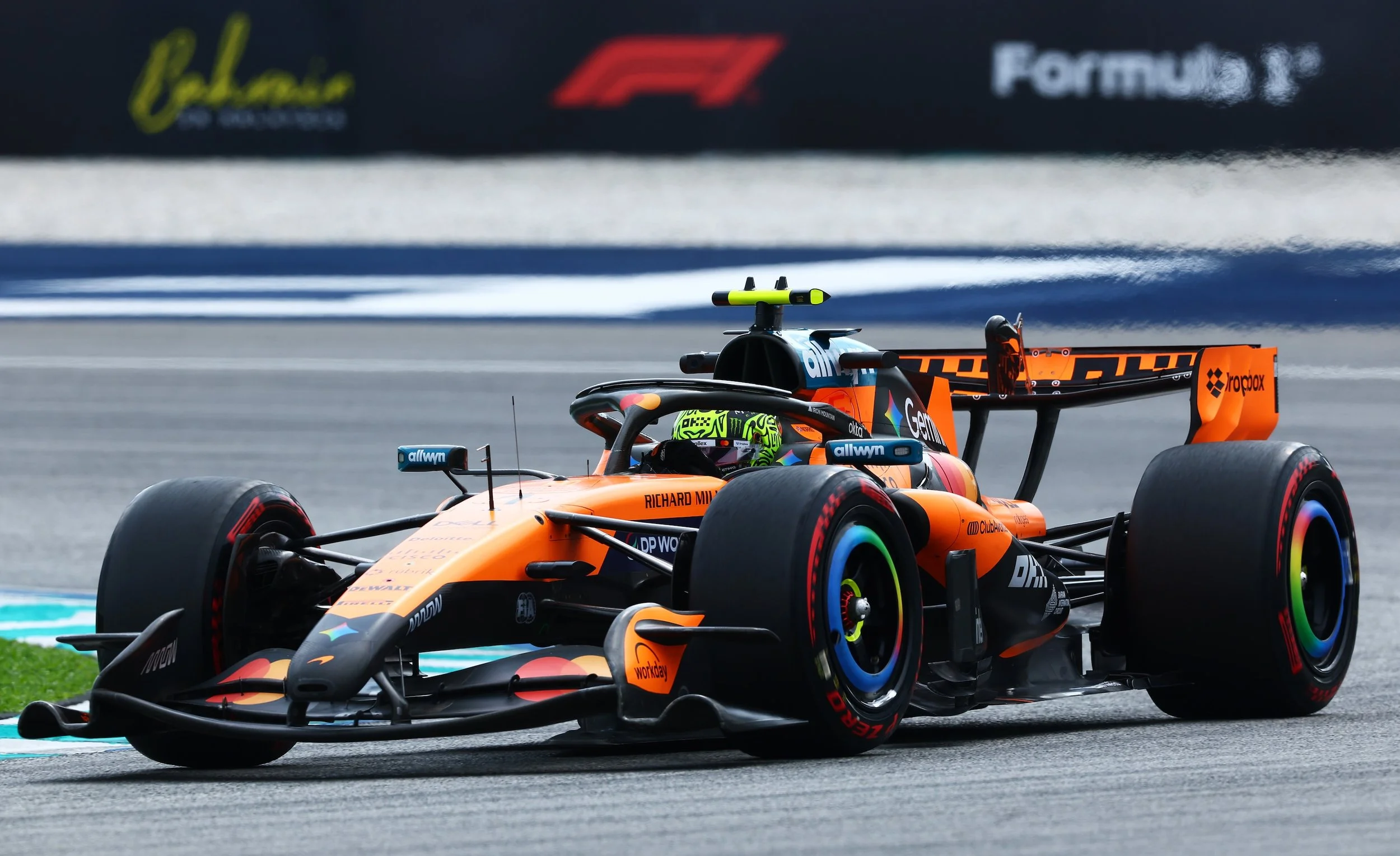
SUNDAY - 2026 BAHRAIN GRAND PRIX AT MALAYSIA
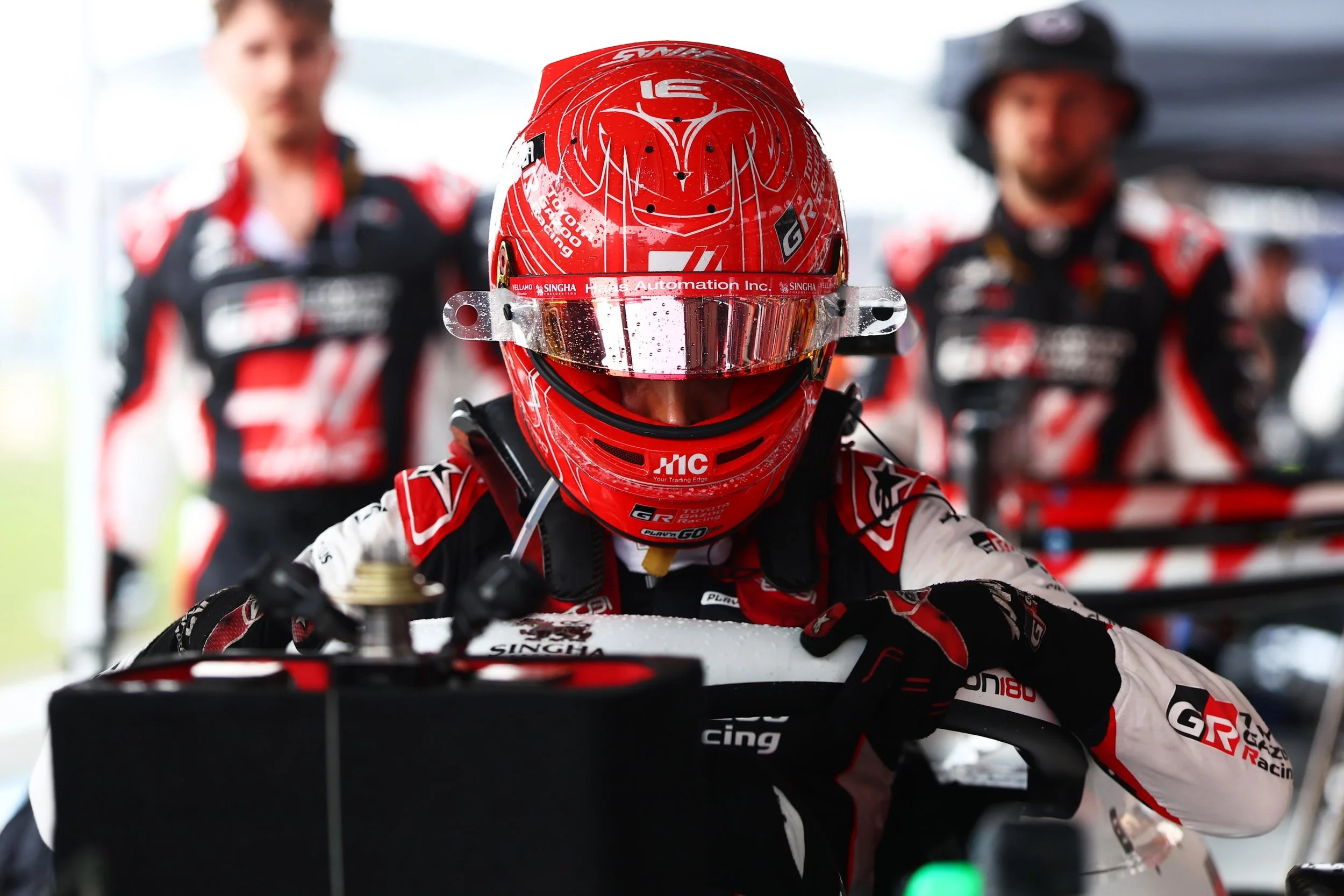
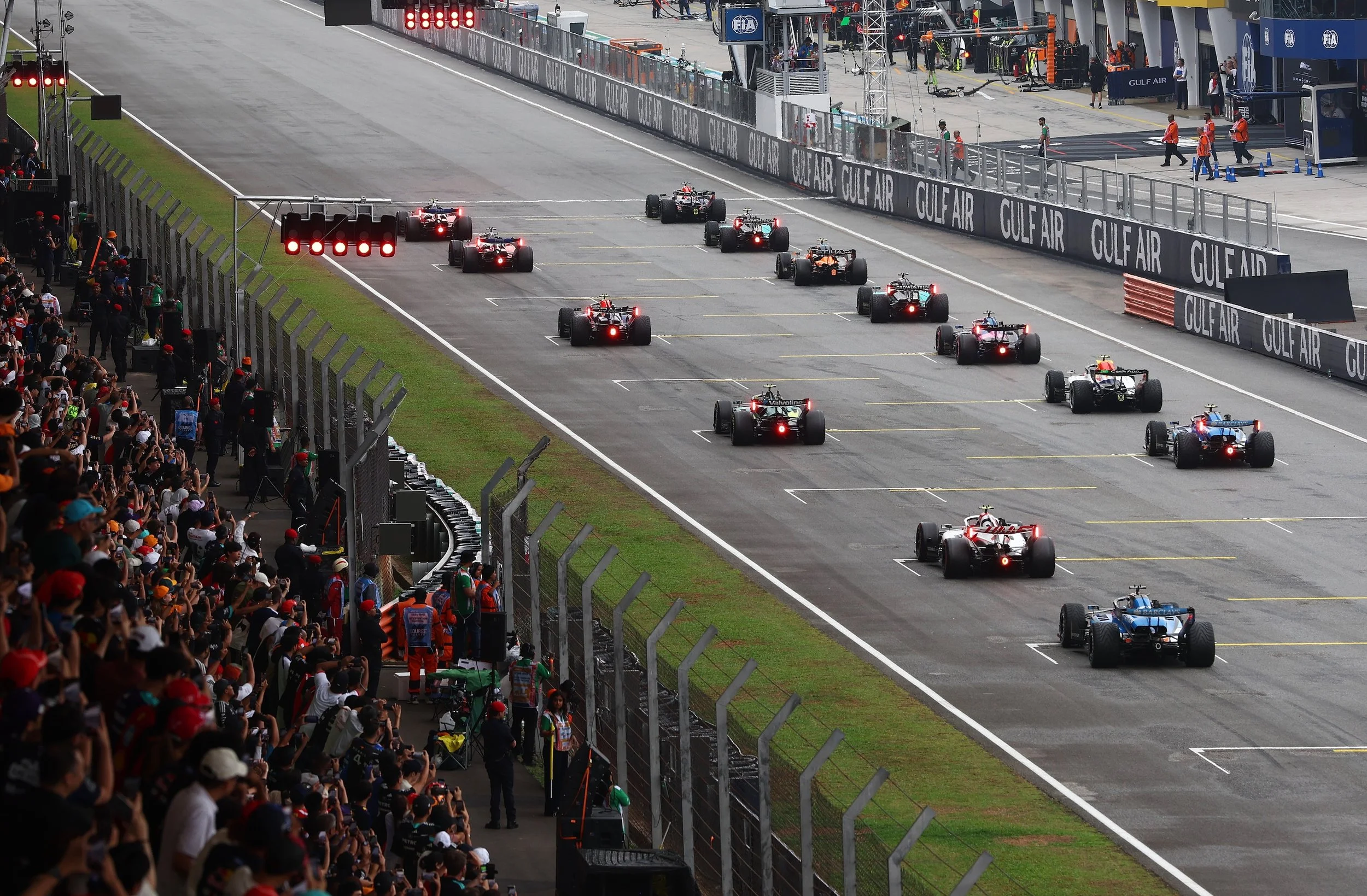
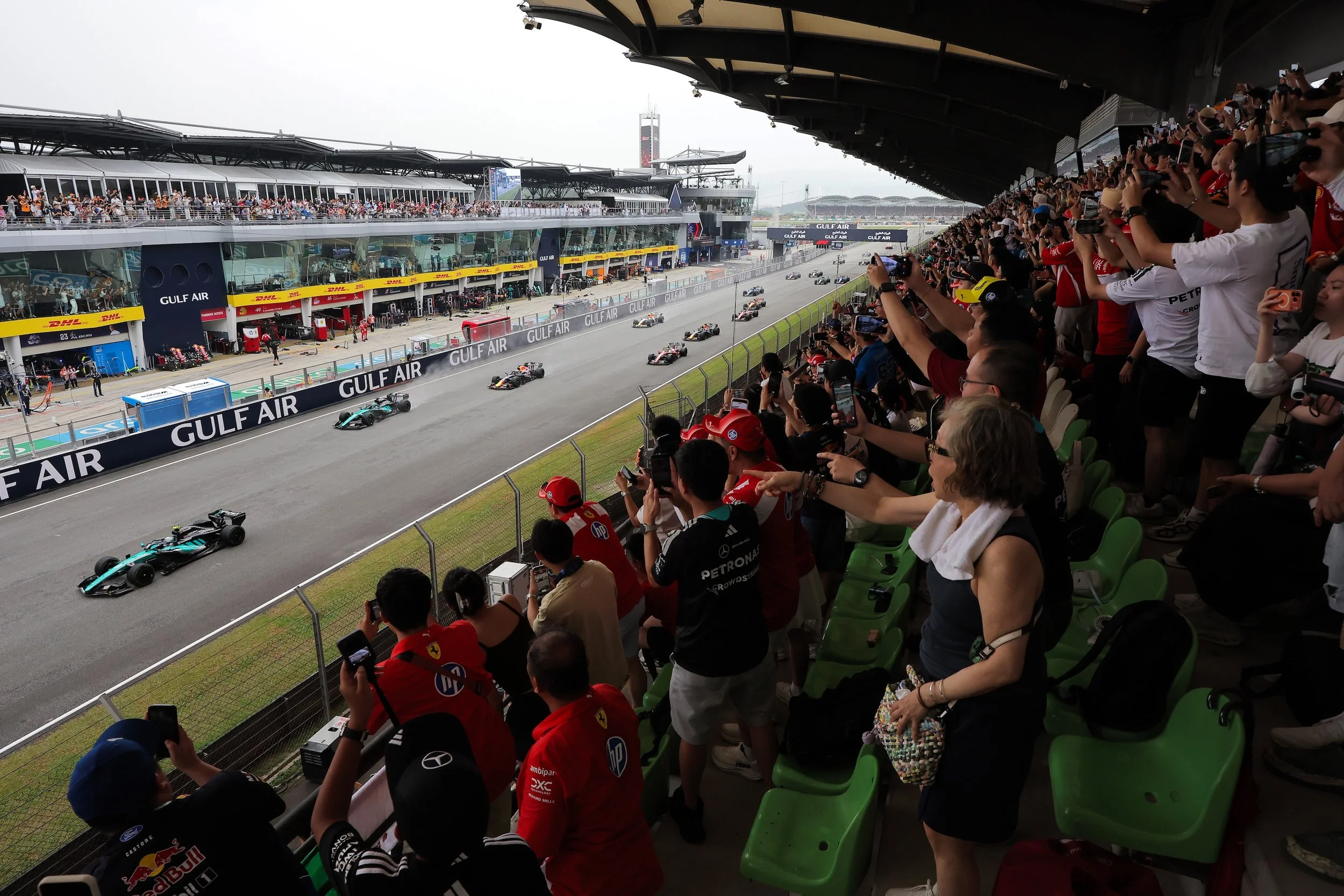
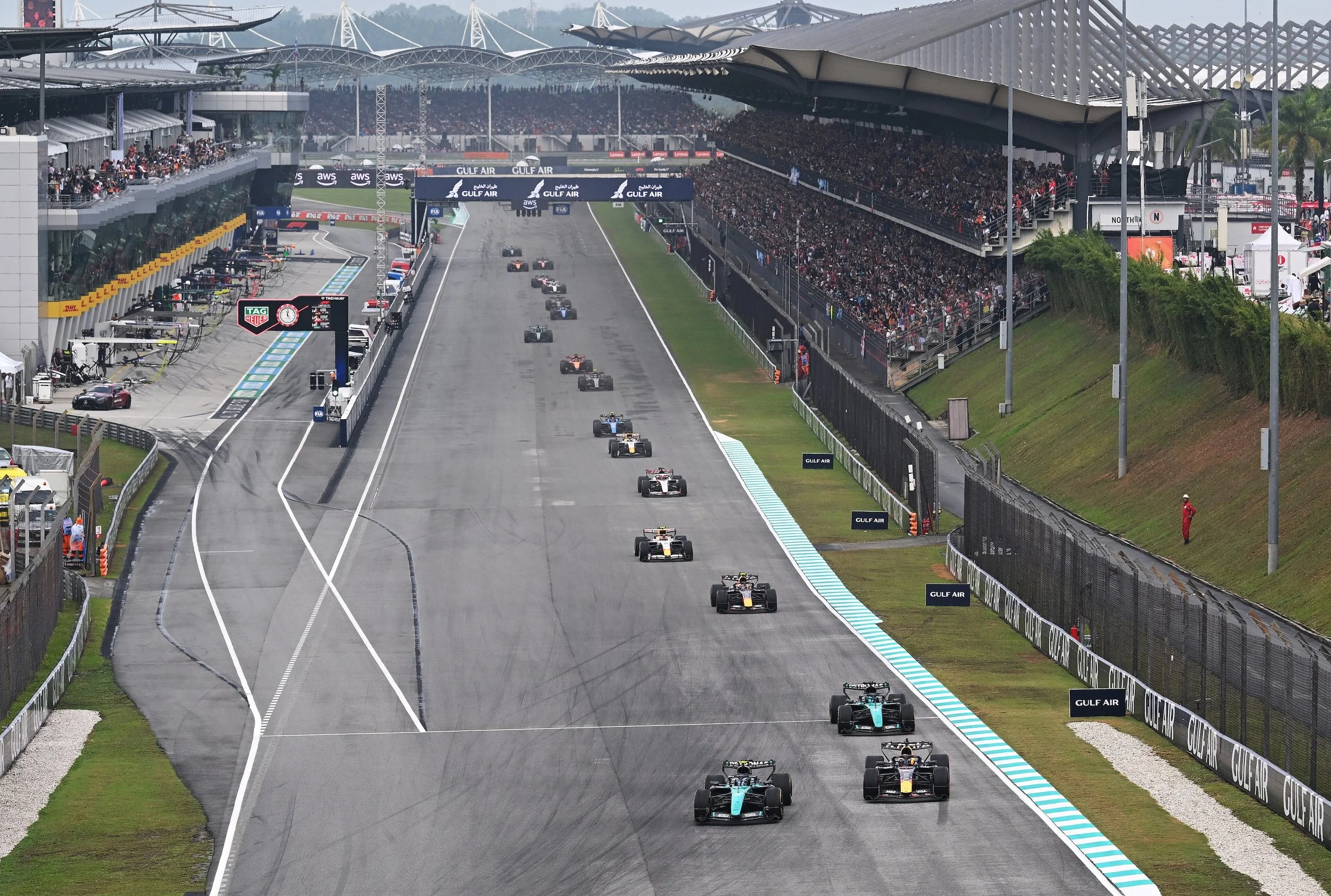
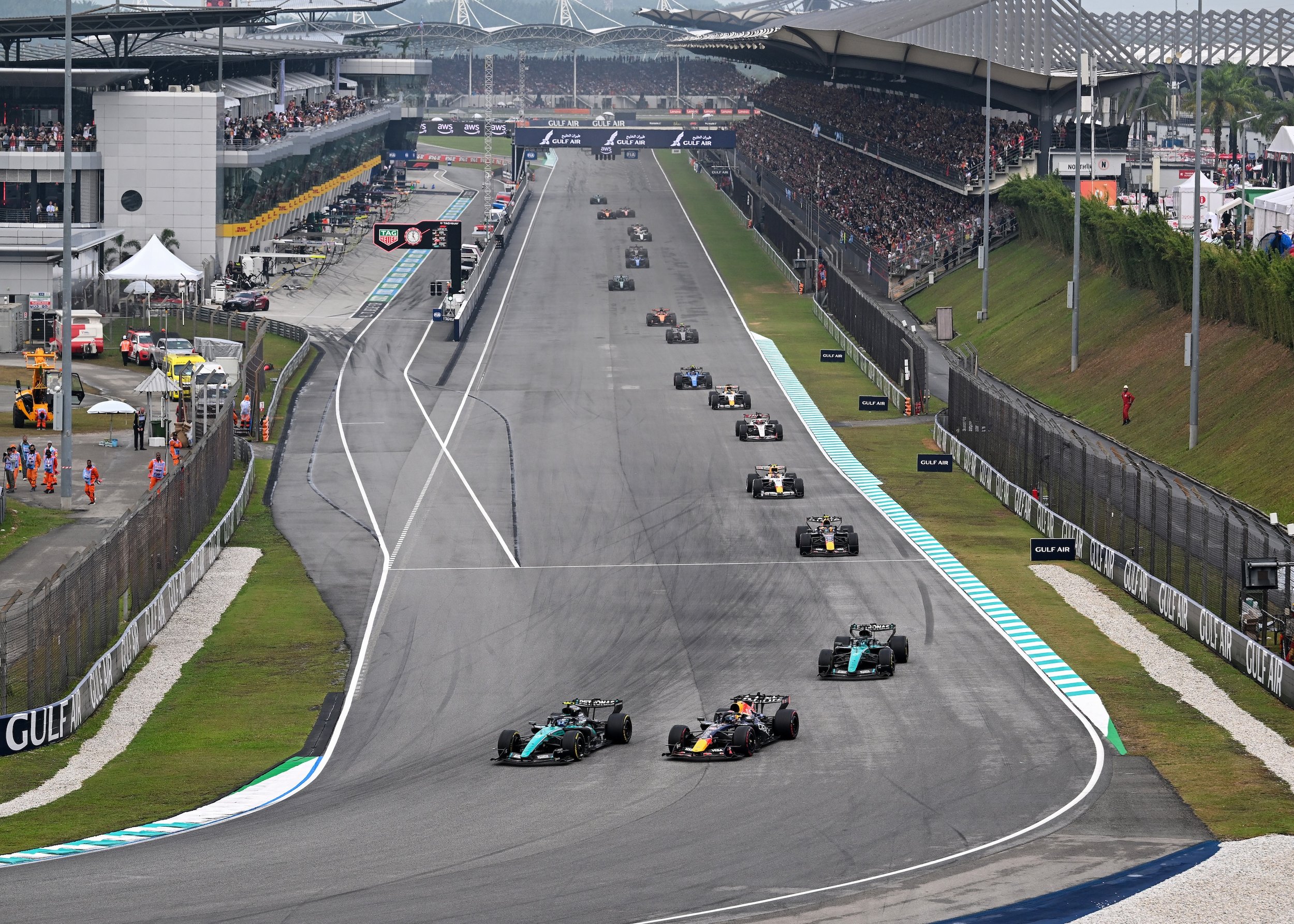
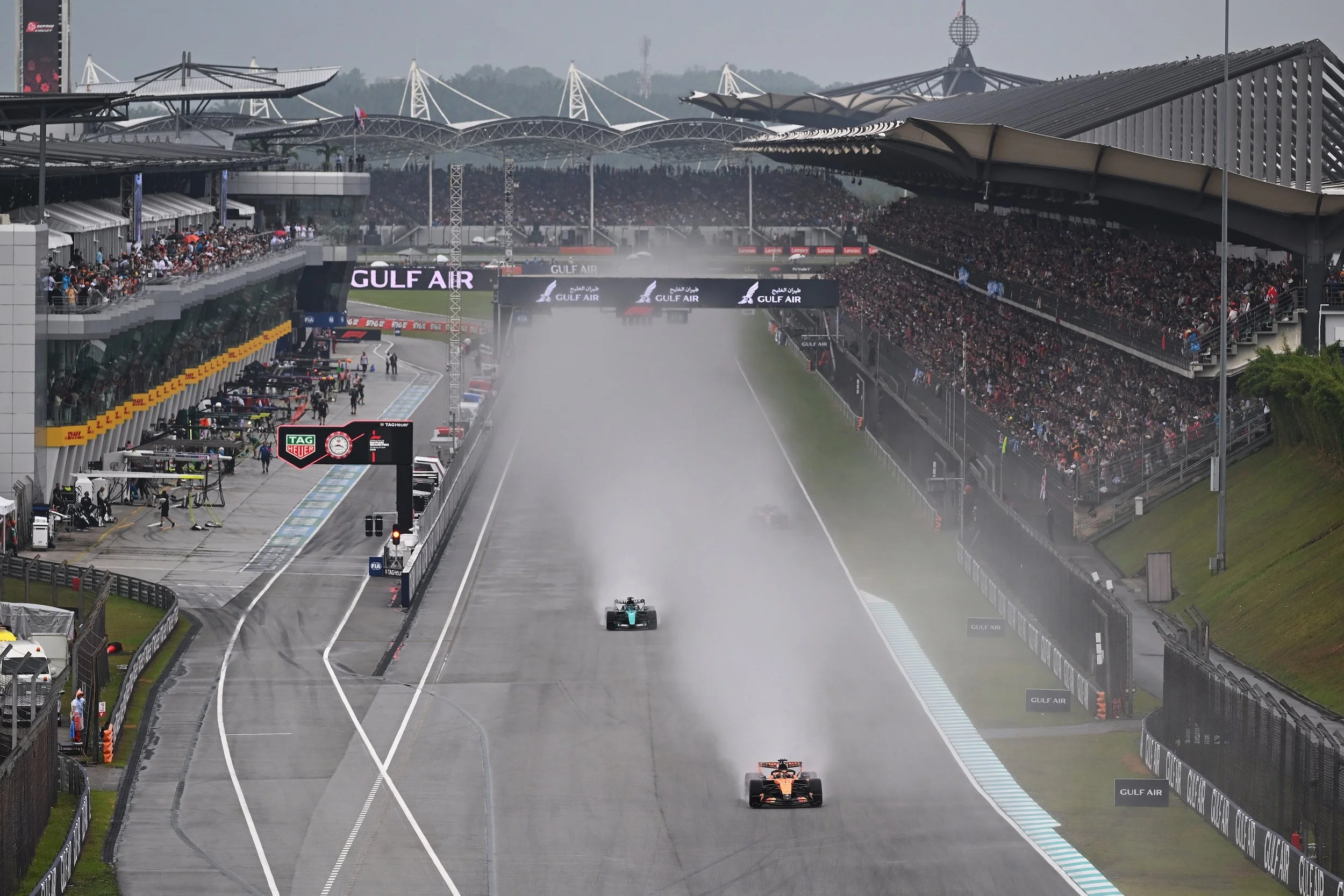
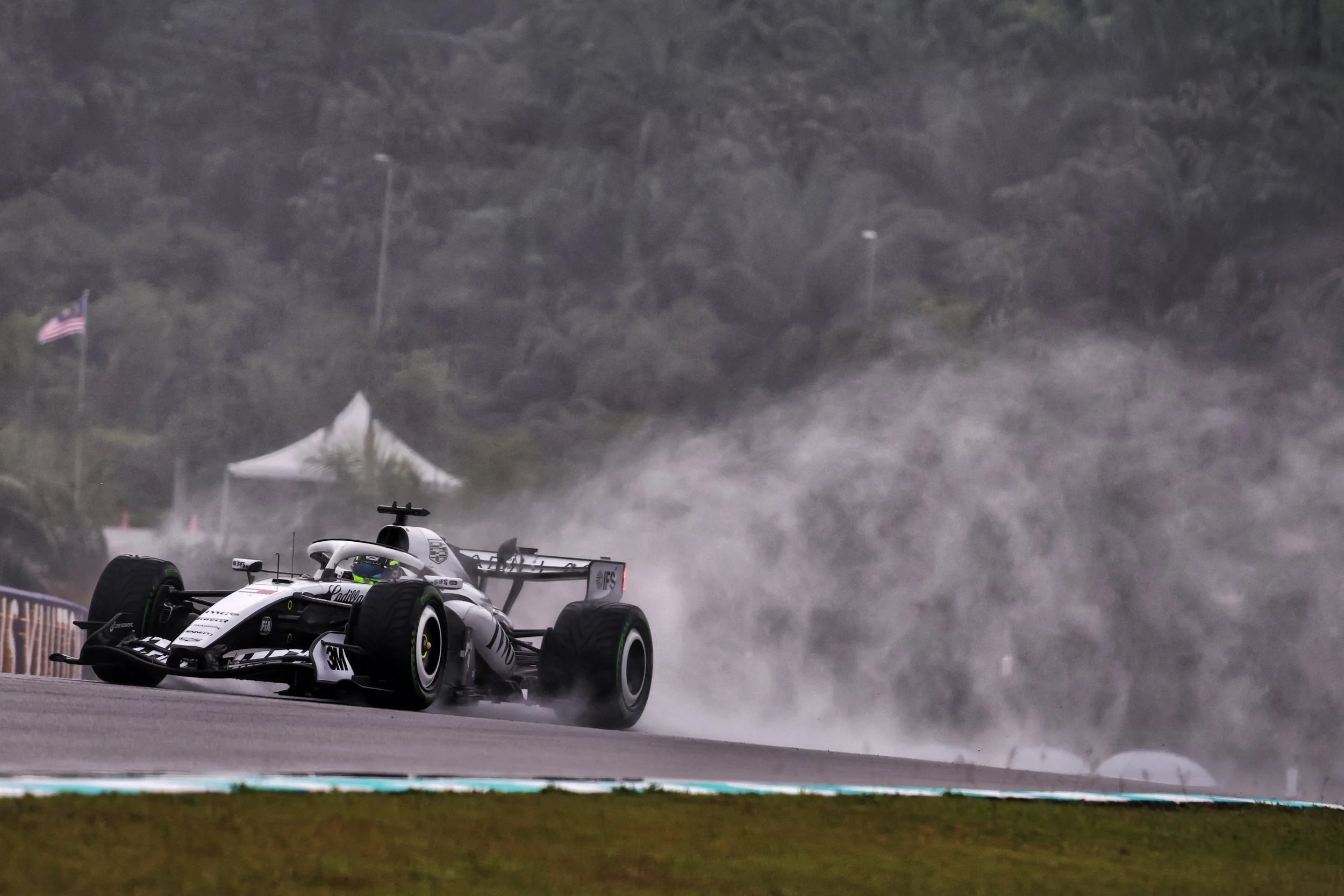
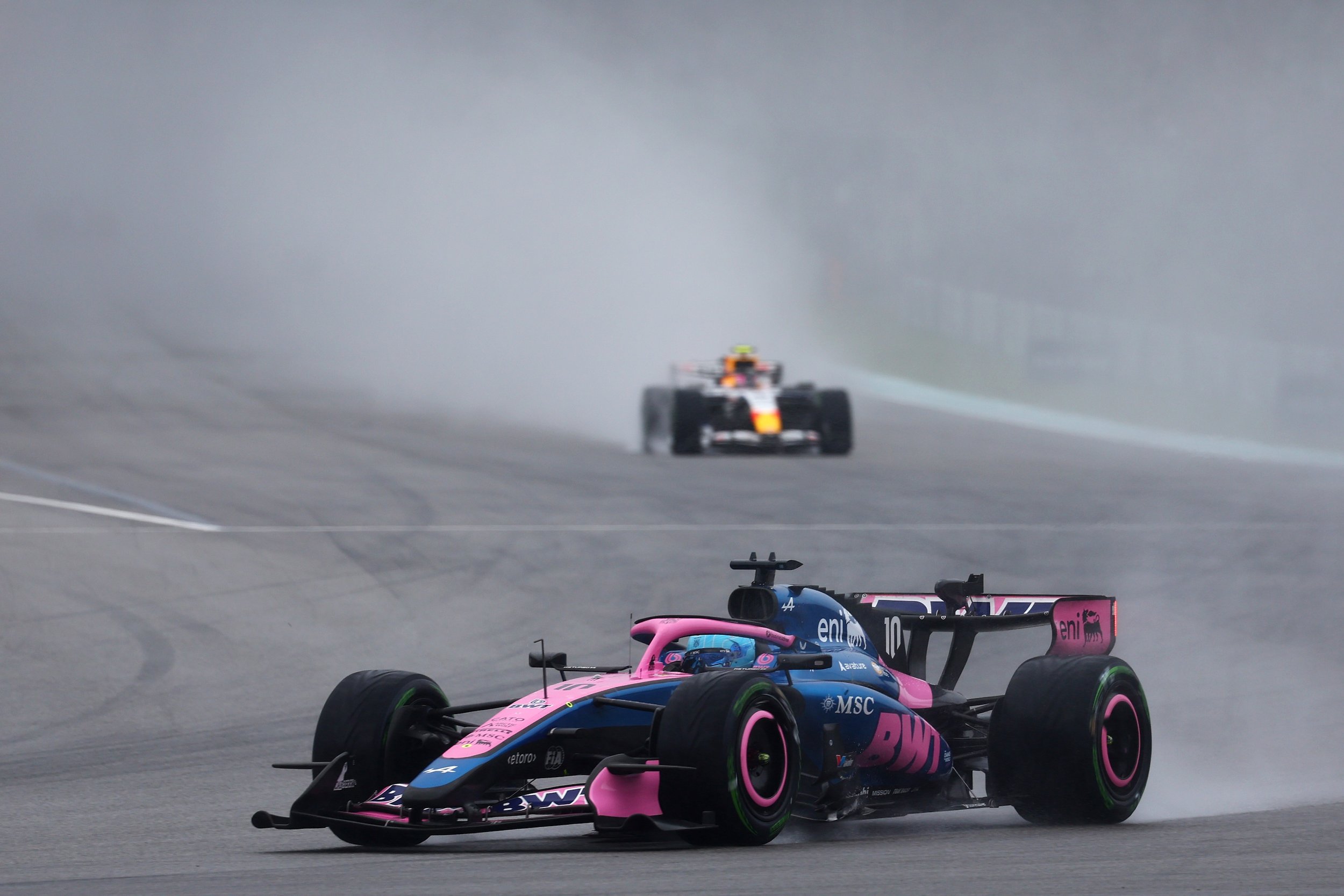
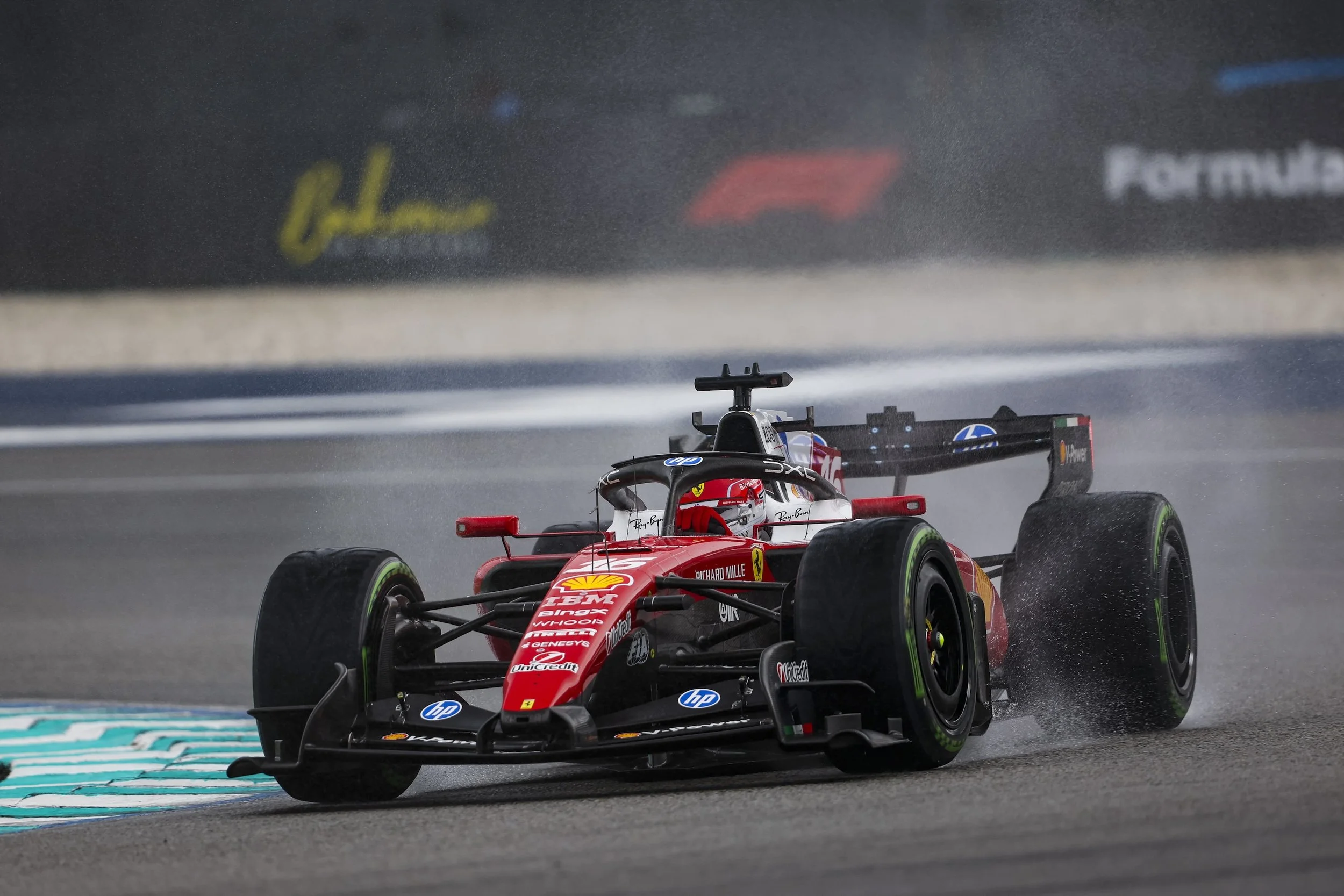
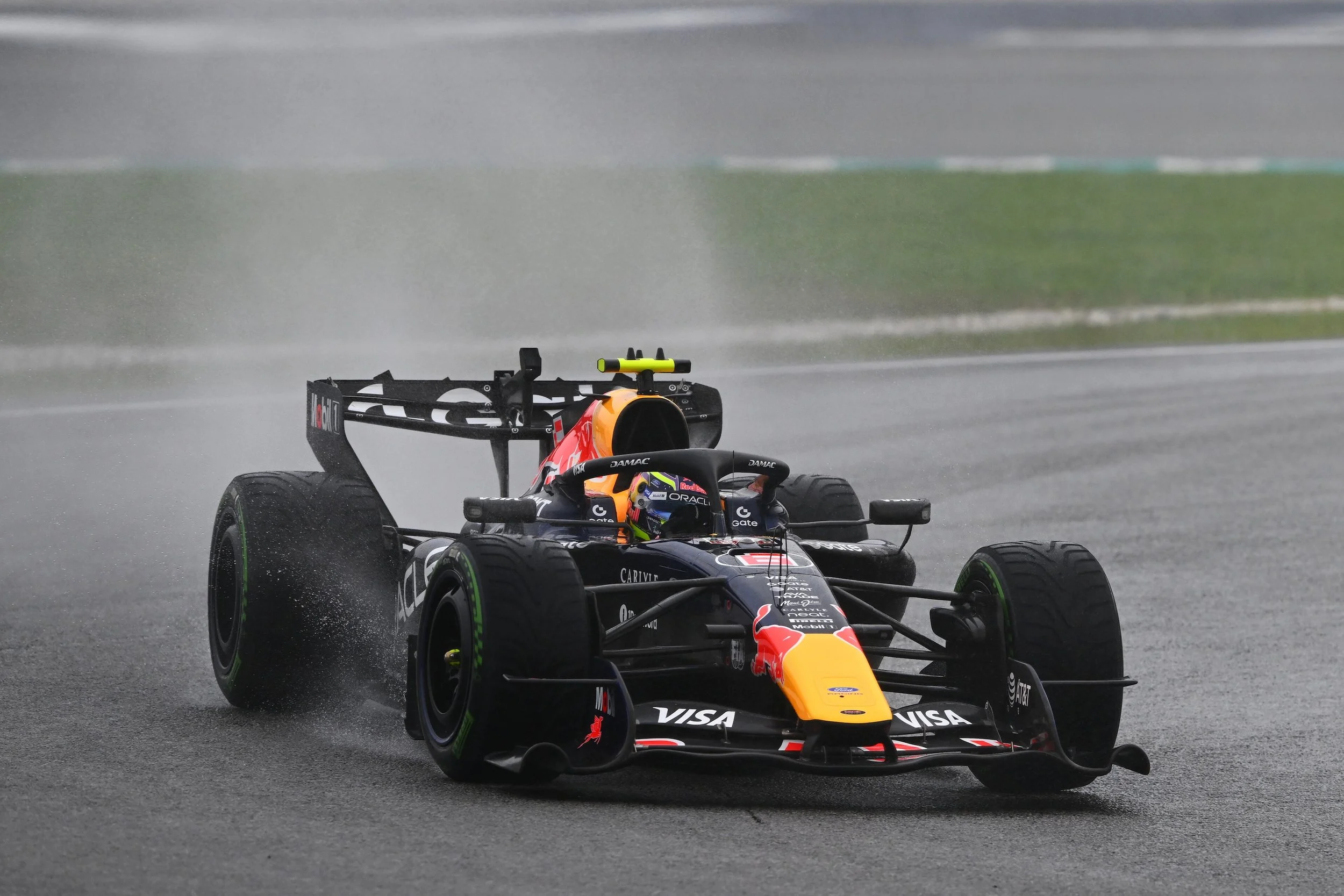
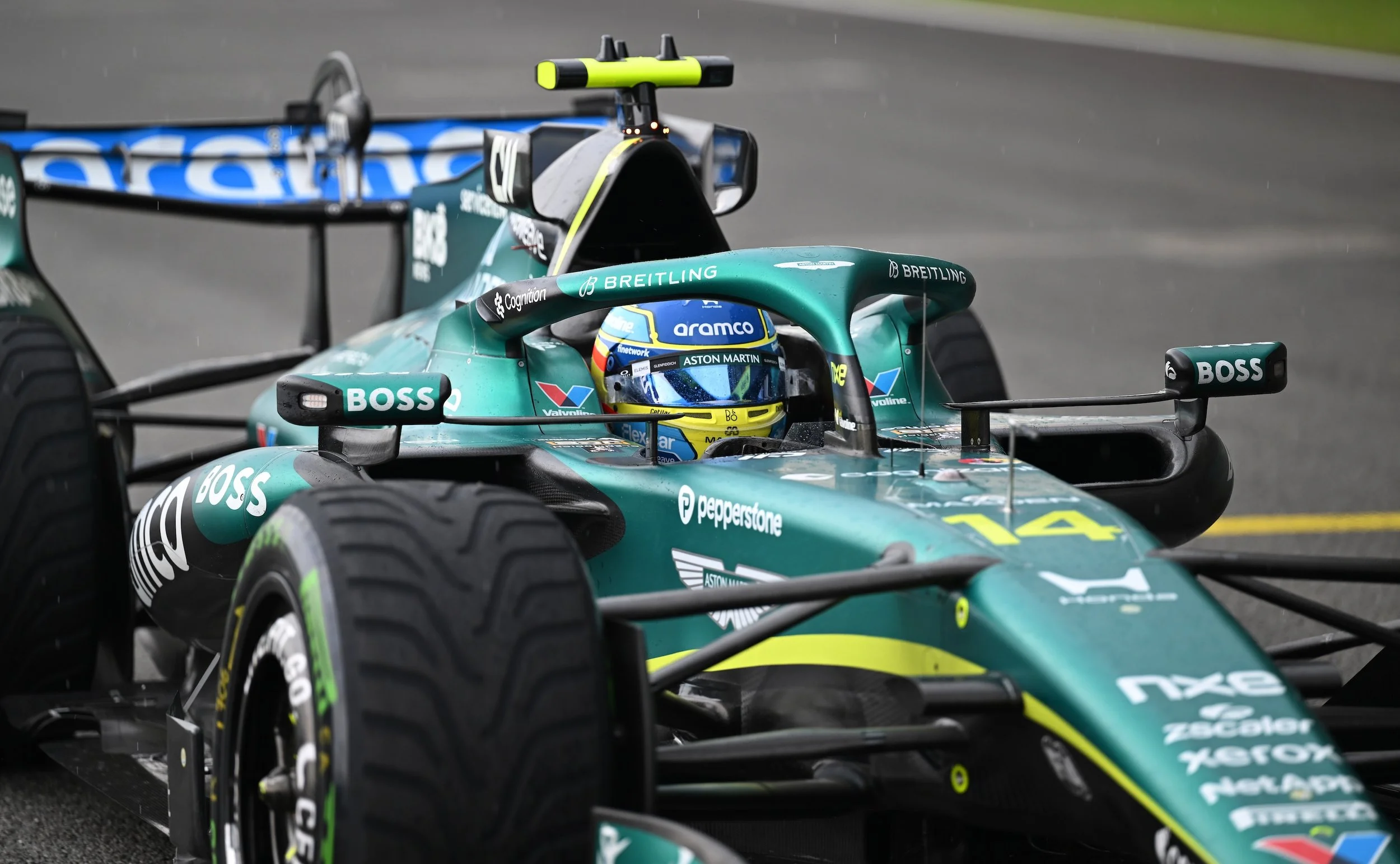
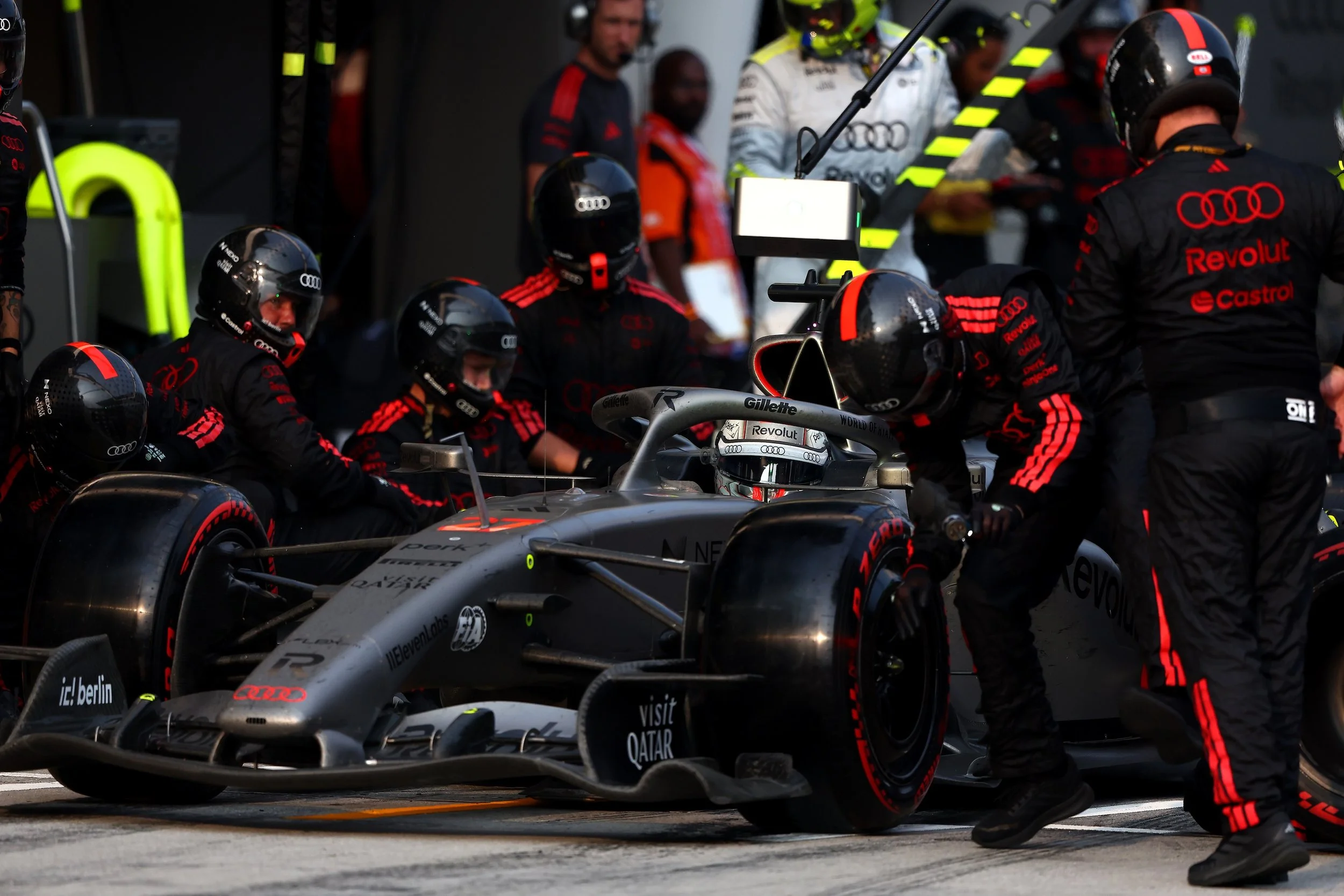
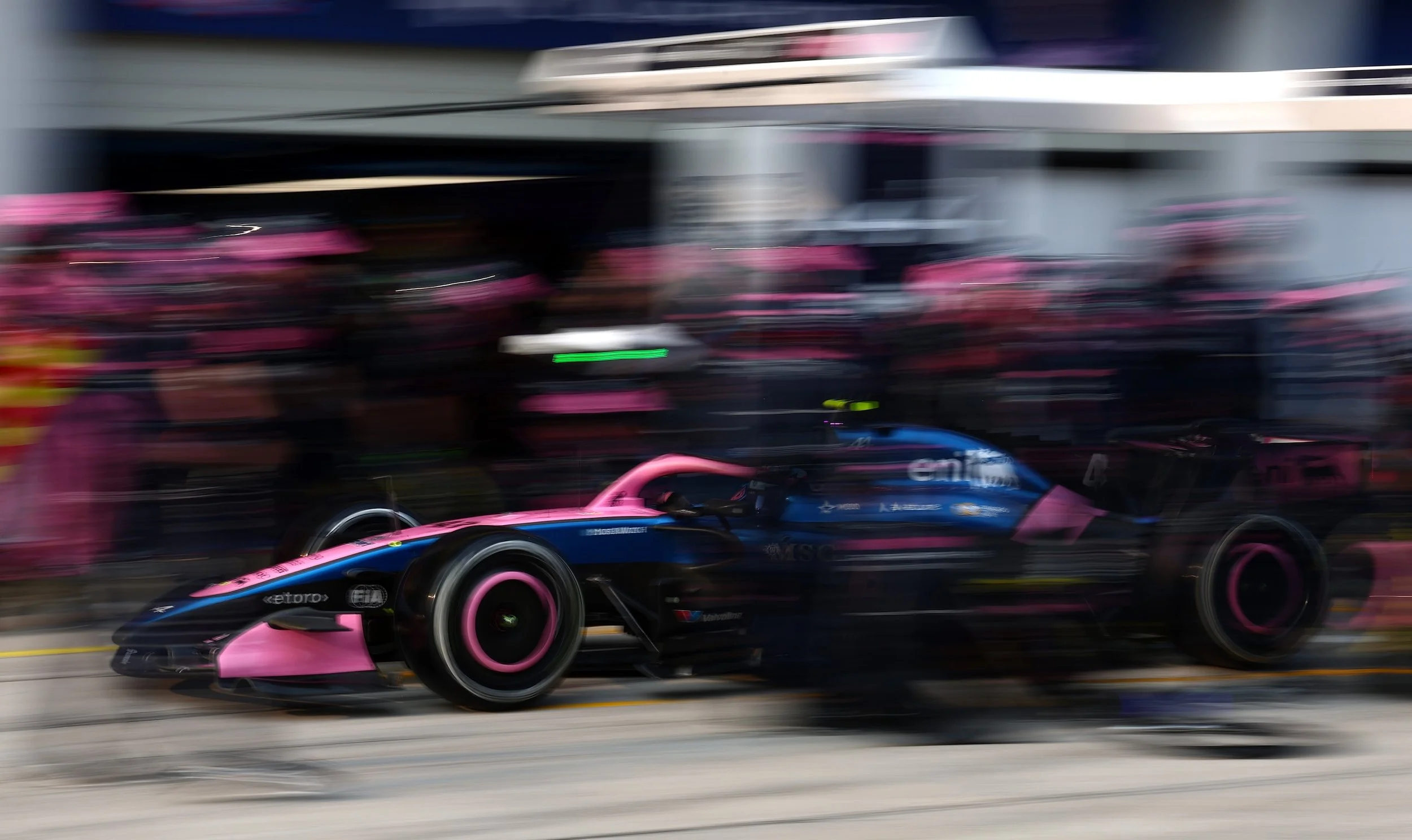
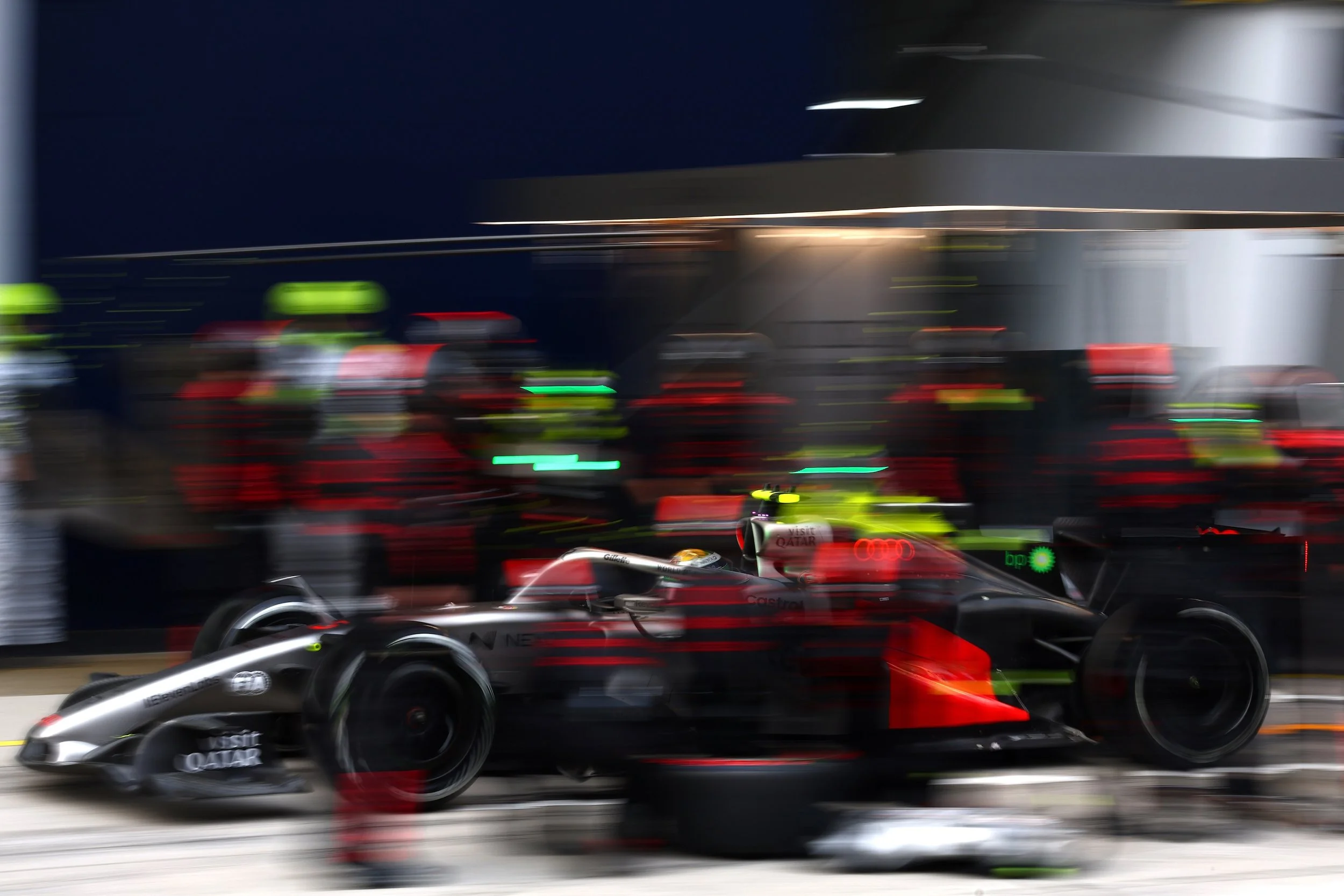
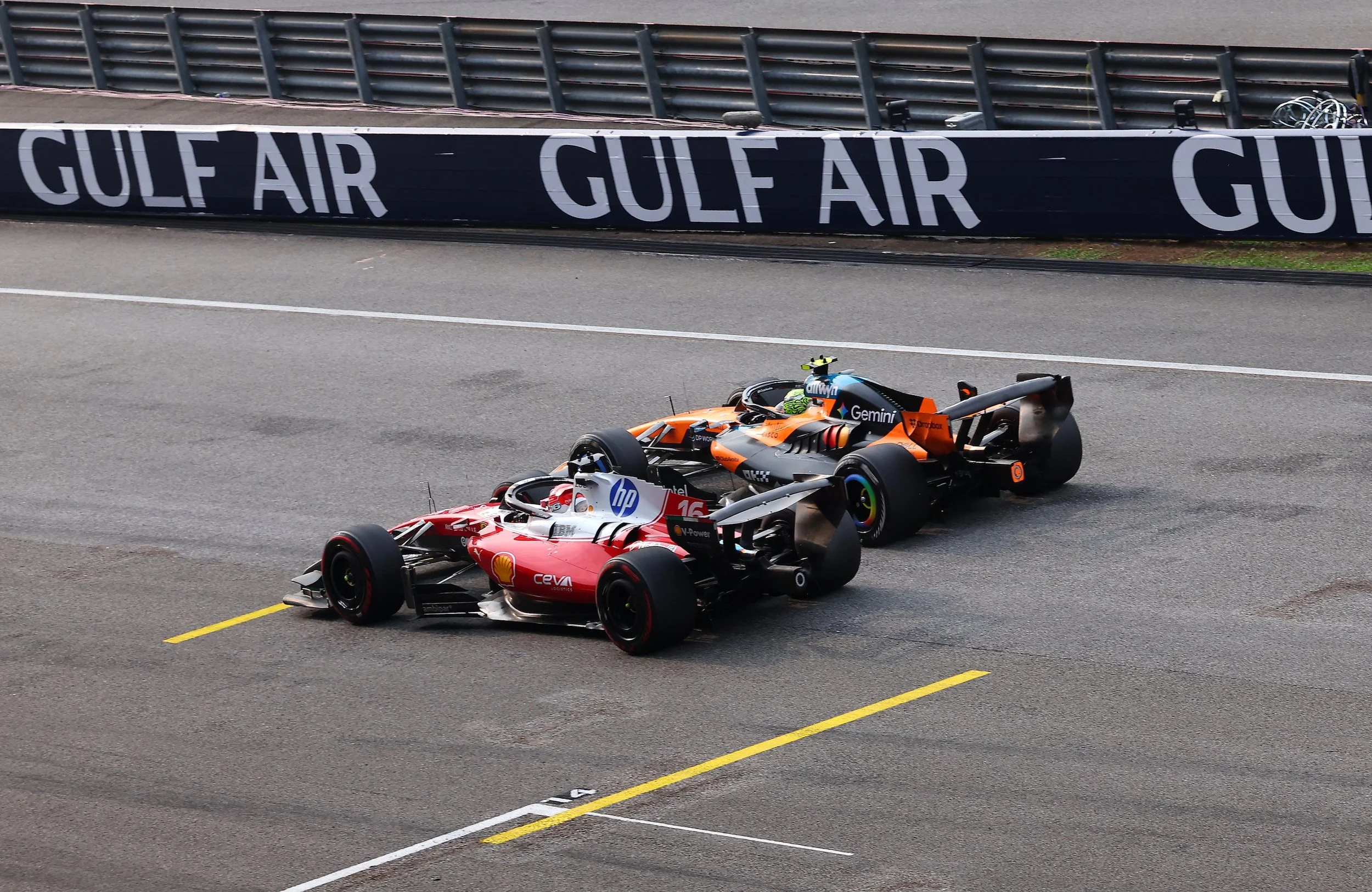
In a post-race statement, the FIA attributed the power losses experienced during the starting procedure to a combination of low engine speeds, low grip, wet-weather energy-management settings and the configuration of the circuit's sectors. During the delay, the FIA's technical department distributed a software update to all teams, removing the energy restriction in the affected sectors and allowing adjustments to be made before the race could begin. The FIA said the issue had not been detected during testing or the reconnaissance laps and announced that it would conduct a review with the teams and power unit manufacturers.